

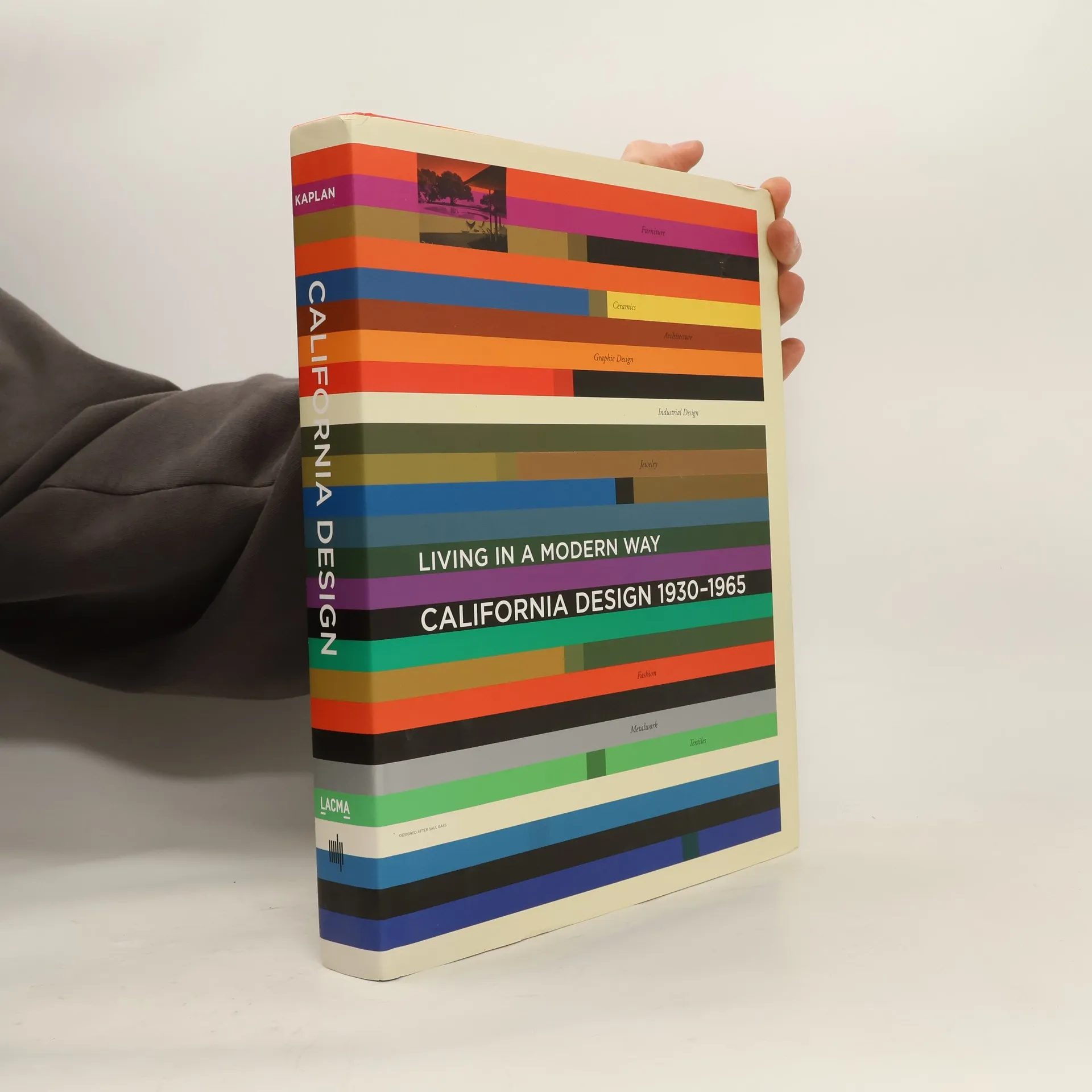
In 1951, designer Greta Magnusson Grossman noted that California design emerged as a response to contemporary living, shaping the material culture across the nation, from architecture to fashion. This richly illustrated book accompanies a major exhibition at the Los Angeles County Museum of Art and offers the first comprehensive look at California's mid-century modern design. It traces the roots of California modernism to the 1930s, influenced by European émigrés like Richard Neutra, Rudolph Schindler, and Kem Weber. The book explores various design innovations, including solid-color ceramics, inspirations from Mexico and Asia, new design schools, leisure concepts, and the adaptation of wartime technologies for civilian use, exemplified by Charles and Ray Eames's furniture. Central to this design movement is the modern California home, characterized by open layouts that promote outdoor living. Notable architects like Pierre Koenig, Craig Ellwood, and Raphael Soriano designed homes that blurred the lines between indoor and outdoor spaces. Furnishings from companies like Heath Ceramics and Architectural Pottery, along with multifunctional objects, illustrate this era's creativity. The book features 350 images, primarily in color, showcasing furniture, ceramics, architecture, and more, accompanied by ten insightful essays that outline the evolution of California's design aesthetic.
Wendy Kaplan Reihenfolge der Bücher (Chronologisch)
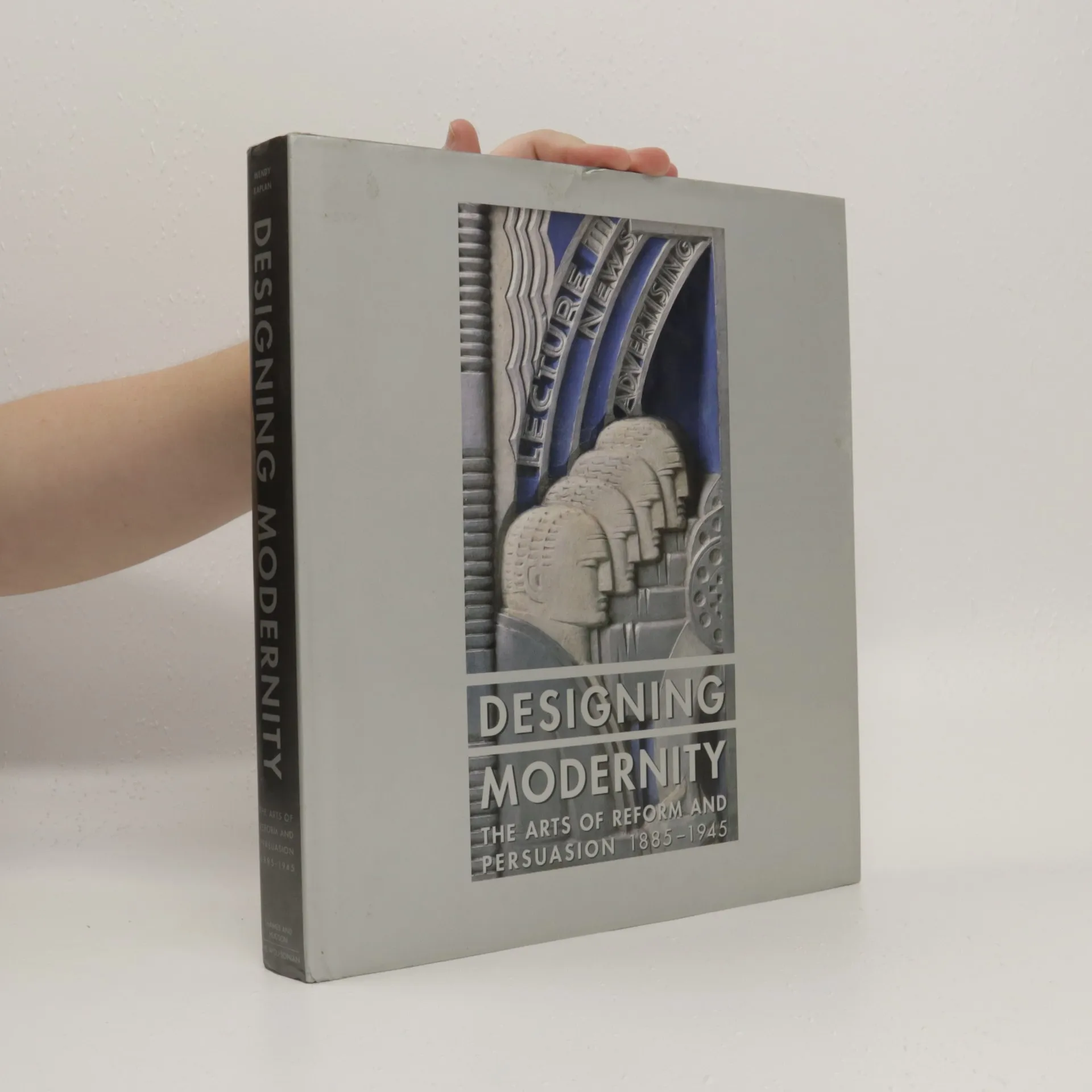
Designing modernity : the arts of reform and persuasion 1885-1945
- 352 Seiten
- 13 Lesestunden
Written by leading social and art historians, Designing Modernity is published to accompany a major traveling exhibition organized by the Wolfsonian, a Miami institution dedicated to examining the social, political and aesthetic significance of objects produced between 1885 and 1945. Containing over 400 illustrations of the Wolfsonian's unique collection of objects, the book looks at the different ways that political, industrial and cultural leaders have employed design in their programs of reform and their efforts to shape public opinion. It shows how design has been a vital tool in acclimatizing people to life in the modern world and has helped to formulate a sense of national identity, especially in European countries, through local crafts and vernacular buildings.From the pages of Designing Modernity emerge some of the most significant trends of our age: the use of design in reconciling people to a loss of individuality resulting from mass production; the use of industrial and advertising design to support the idea that progress is good, that the future holds limitless promise, and that the machine offers comforts only dreamed of previously; the promotion of political goals by both democratic and authoritarian governments through design - in posters, books, board games, furniture, ceramics and countless other forms.
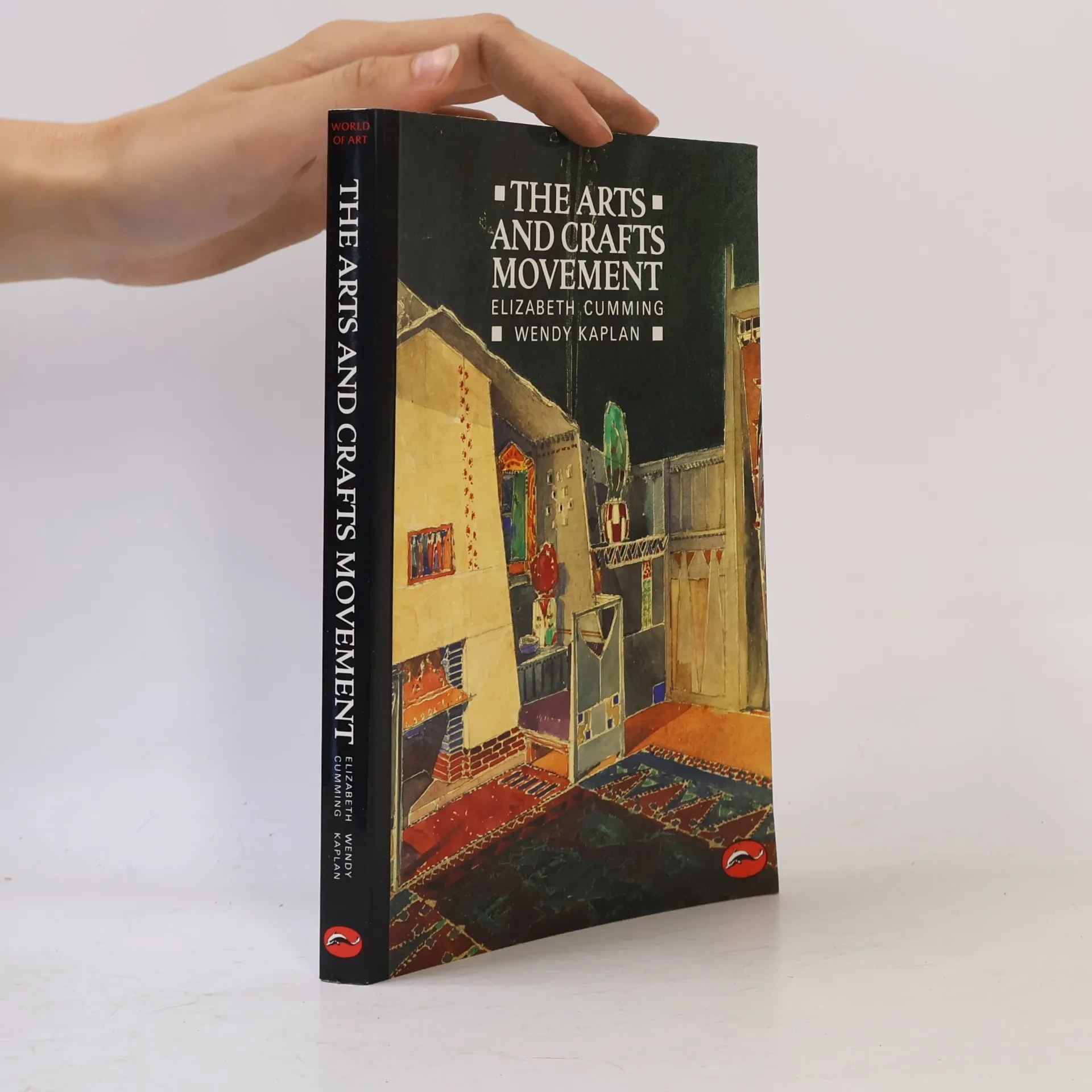
World of Art: The Arts and Crafts Movement
- 216 Seiten
- 8 Lesestunden
This volume surveys the highly influential Arts and Crafts design movement – which embraced architecture, furniture, glass, ceramics, metalwork, textiles and books – in Britain, America and Europe. Although the styles adopted by the movement were diverse, its leading architects, artists and craft–designers, including William Morris, Frank Lloyd Wright, Josef Hoffman and Eliel Saarinen, were united in promoting the moral superiority of "honest" design and natural materials in an industrial age.