A Suitable Girl
- 800 Seiten
- 28 Lesestunden


Vikram Seth ist ein Erzähler, der sich mit großer Offenheit in die Tiefen menschlicher Leben und Beziehungen über Kulturen und Kontinente hinweg begibt. Seine Werke zeichnen sich durch eine ungewöhnliche Direktheit aus, bei der persönliche Erzählungen mit breiteren sozialen und historischen Hintergründen verschmelzen. Seth erforscht gerne Themen wie Identität, Familie und die Suche nach dem eigenen Platz in der Welt, wobei sein Stil sowohl fesselnd als auch introspektiv ist. Seine literarischen Arbeiten spiegeln oft seine eigenen Lebenserfahrungen und Gefühle wider und bieten den Lesern einen intimen Einblick in seine innere Welt.


De geschikte jongen speelt zich af in en rondom de fictieve Indiase stad Brahmpur, gelegen aan de Ganges. Het is voorjaar 1951: mevrouw Rupa Mehra schakelt vrienden en kennissen in om haar te helpen een goede echtgenoot te vinden voor haar jongste dochter Lata. Met dit simpele motief als voorwendsel voert Vikram Seth vier families ten tonele, drie met een hindoe- en een met een moslimachtergrond: de Kapoors, de Mehra's, de Chatterji's en de Khans. Hij brengt het postkoloniaal India tot leven, dat aan de vooravond van zijn eerste algemene verkiezingen probeert om verschillende culturen en religies met elkaar te verzoenen. De geschikte jongen is tegelijk satire en sociale geschiedenis, een grootse roman die zich uitstrekt van de landelijke politiek tot het kleine huwelijksgeritsel van een moeder, die tegelijk het verhaal vertelt over een pasgeboren natie en over een verliefde jonge vrouw.
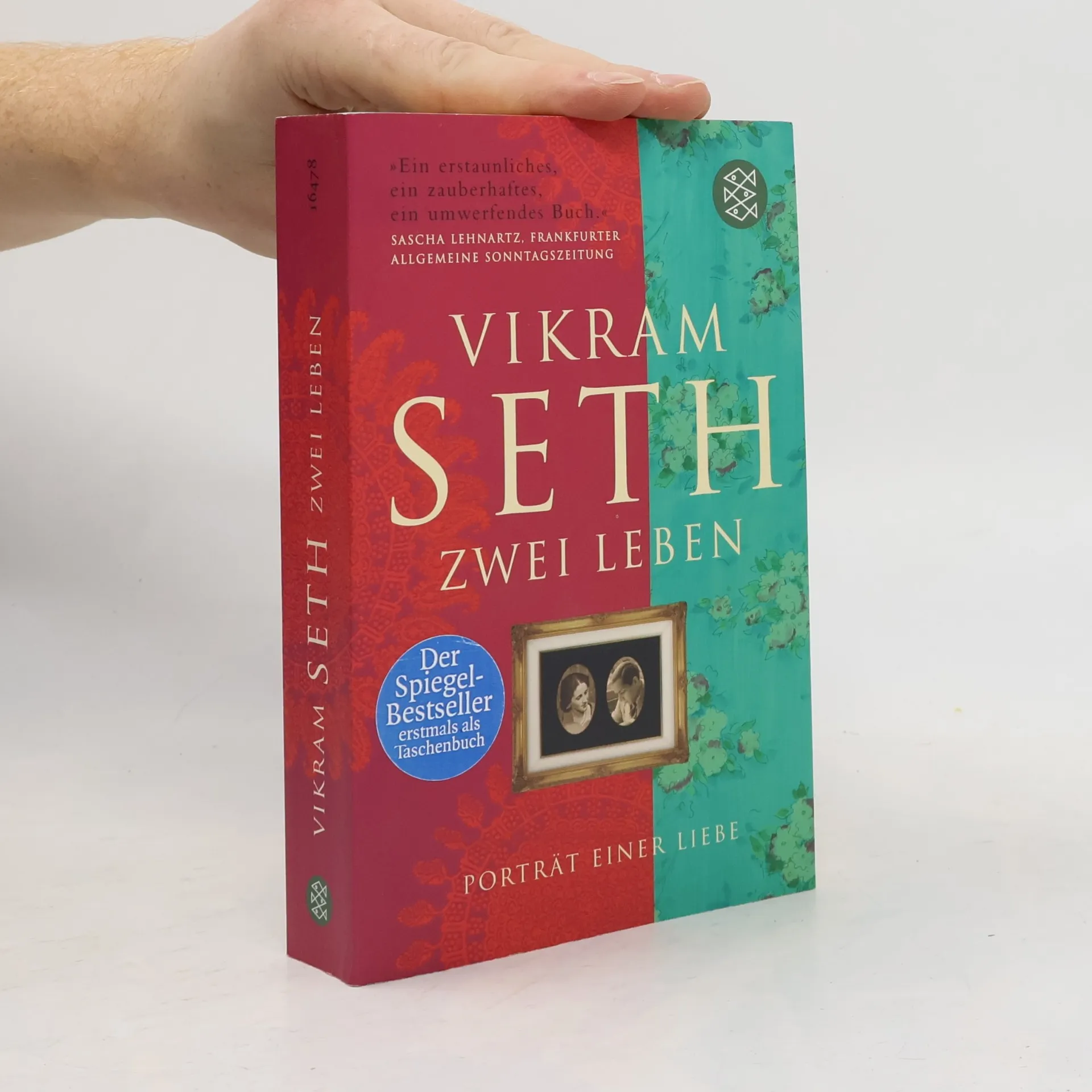
In »Zwei Leben« erzählt Vikram Seth zärtlich und präzise von einer wahren Liebe, die ein Jahrhundert umspannt. Mit zurückschauender Sehnsucht berichtet er von zwei Menschen, seinem Onkel Shanti und Tante Henny, die sich an der Wegkreuzung von indischer Diaspora und jüdischem Exil trafen: ein bewegendes Denkmal und erzählerisches Kunststück zugleich. »Nimm den Schwarzen nicht«, sagt Henny zu ihrer Mutter und meint den jungen Inder an der Tür. Doch Shanti, der im Berlin der dreißiger Jahre Zahnarzt werden will, bekommt das Zimmer in der Bleibtreustraße - und das wird Hennys Glück. Shanti, von den Nazis verdrängt, kann erst in London praktizieren, und dort steht 1939 plötzlich Henny an der Victoria Station - als einziger Jüdin aus dem Freundeskreis ist ihr die Flucht gelungen.
In Vikram Seth's third novel, the violinist Michael Holme grapples with dissatisfaction in both life and art, feeling overshadowed by his beautiful girlfriend and colleagues in the Maggiore Quartet. A chance encounter with Julia, a pianist he once loved in Vienna, brings him joy, but her troubling situation threatens their reunion. Despite its smaller size compared to Seth's previous work, the novel offers rich complexities and emotional depth. Michael's realization of the inadequacy of his words to express his feelings for Julia adds a poignant touch. The story also explores the dynamics of musical collaboration, as the Quartet navigates tensions and joys, likening their experience to various forms of relationships. The narrative emphasizes the significance of music, with the length of Schubert's Trout Quintet and the discovery of a rare Beethoven piece holding deep meaning. Michael's longing for Julia parallels his attachment to his borrowed Tononi violin, symbolizing unattainable desires. Seth masterfully weaves a tale filled with suspense, from the Quartet's encore to the reasons behind Julia's departure from Michael's life. As the love story unfolds across cities like London and Vienna, readers are drawn into its emotional resonance.
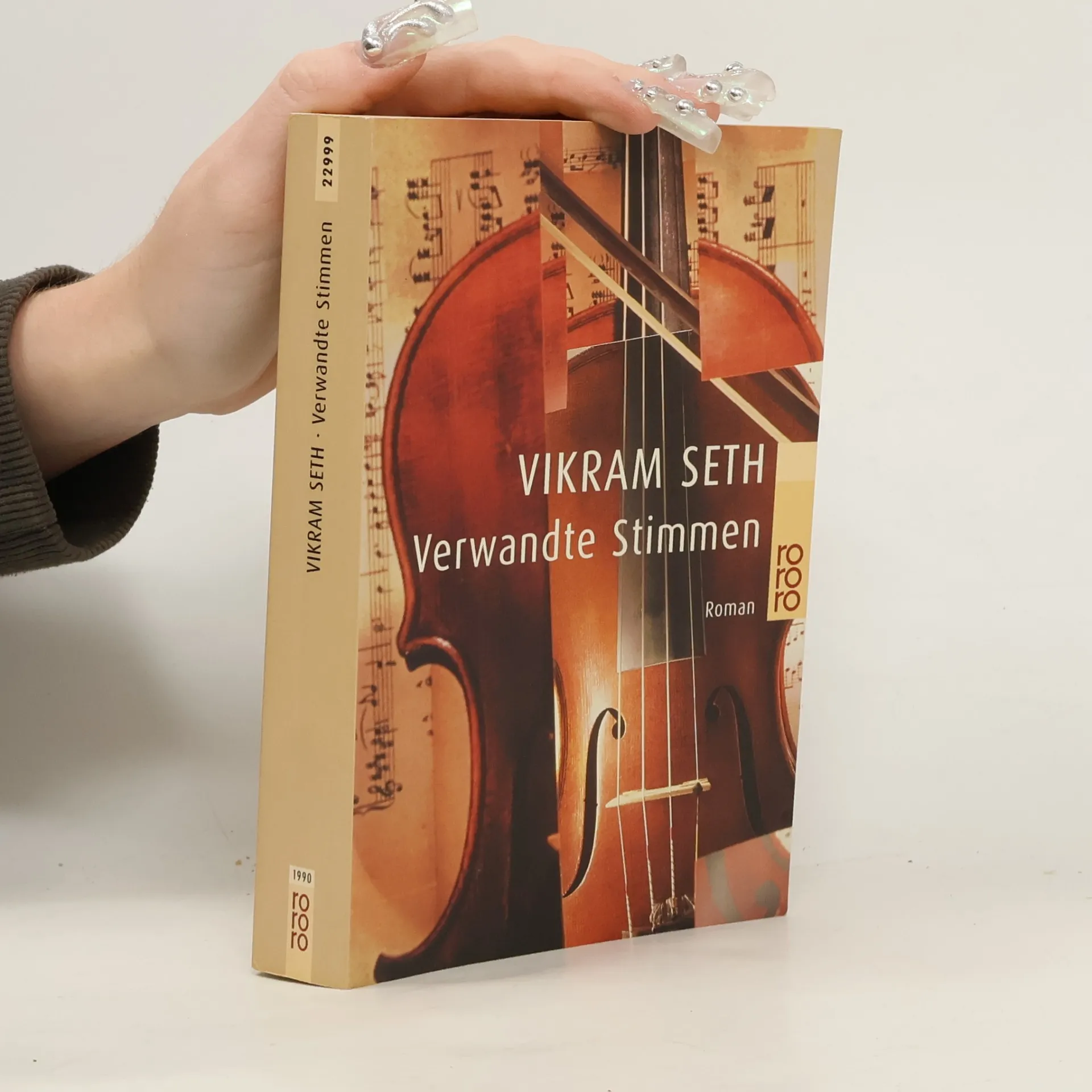
Michael Holme ist Geiger in einem Londoner Streichquartett. Eines Abends taucht die Pianistin Julia hinter der Bühne auf, Michaels unvergessene große Liebe. Auch sie liebt ihn noch, hat aber seit Jahren einen Ehemann und einen kleinen Sohn. Nach einigen glücklichen Tagen ahnt Michael, dass er Julia ein zweites Mal verlieren wird.
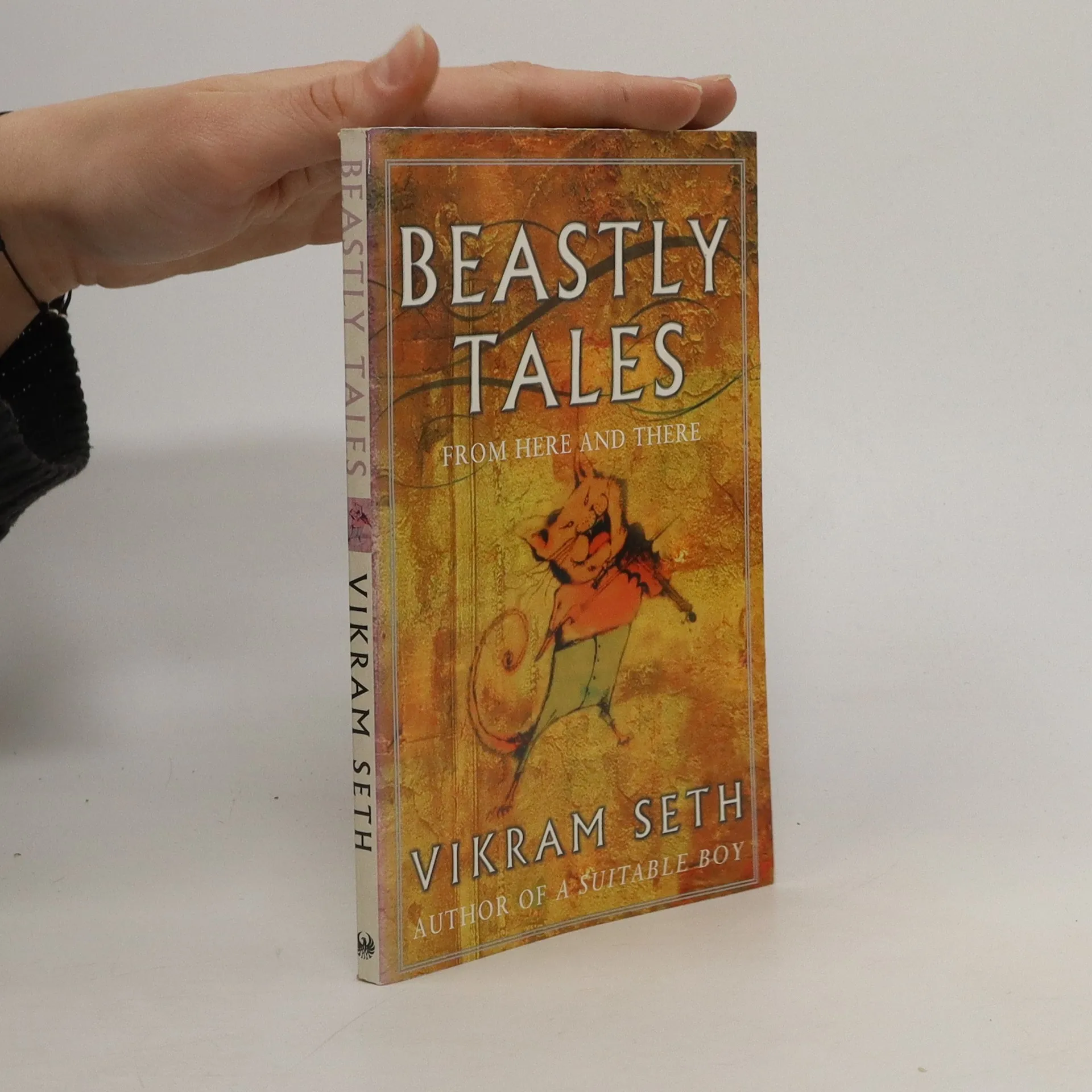
Ten witty and enchanting animal fables in verse - in a beautifully illustrated new format
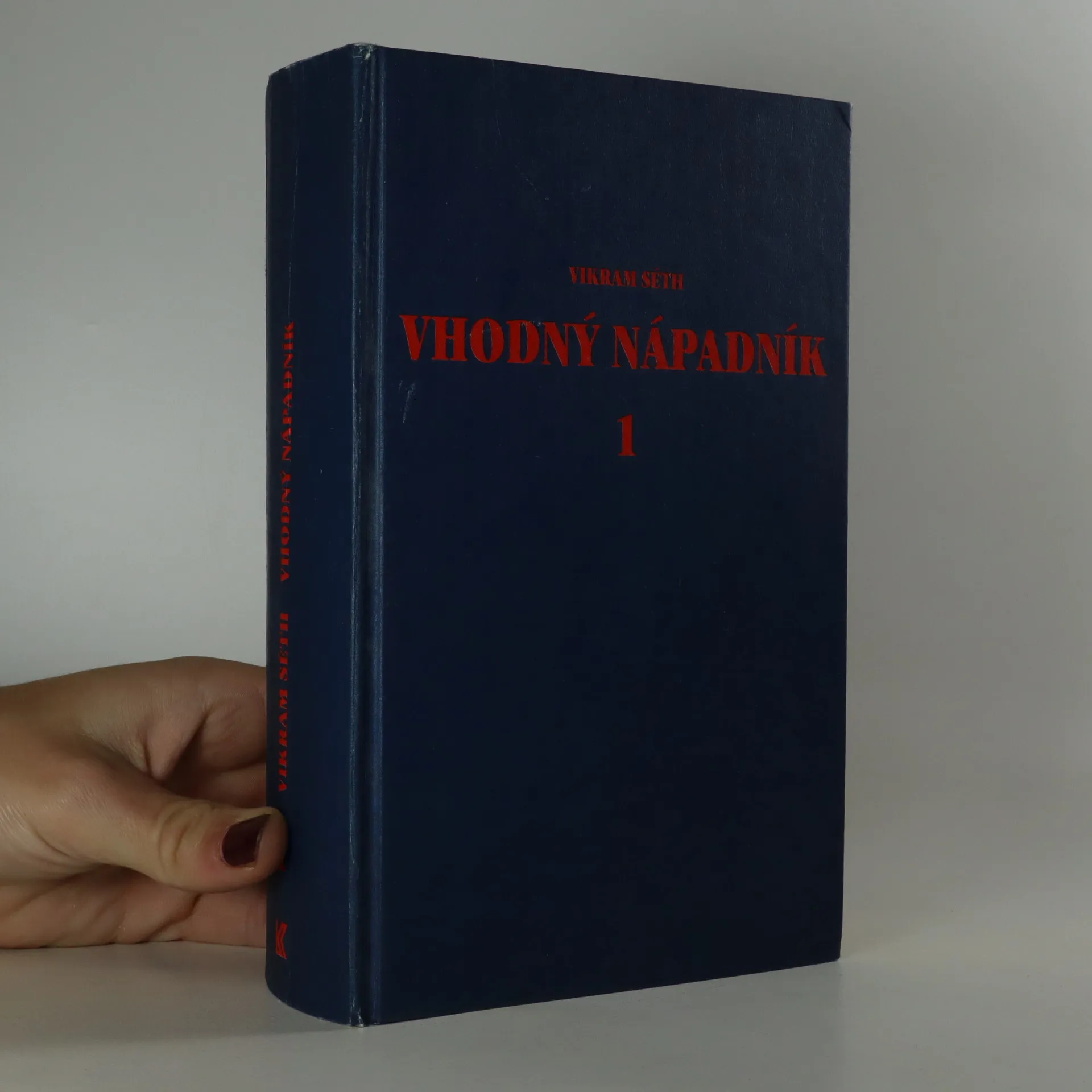
Je to vyprávění o vytrvalých pokusech matky najít vhodného ženicha pro svou dceru a o neúnavných protestech dcery provdat se bez lásky jenom proto, aby se podrobila tradici a přemrštěným požadavkům své matky. Román líčí soukromý i veřejný život čtyř široce rozvětvených rodin, ale přináší také panoramatický obraz Indie krátce po získání nezávislosti, obraz plný nadějí a zklamání, naivity a intrik, politiky a poezie, okořeněný i přítomností českého živlu v tropickém prostředí vzdáleného světa. V duchu tradice G. Eliotové a L. Tolstého napsal Vikram Séth román, který lze bez nadsázky nazvat úplným obrazem lidského života. Velkolepý, vážný i veselý je tento jedinečný příběh, jenž pojednává o odvěkém zázraku - spojení dvou úplně cizích lidí na celý život.... a zcela čtenáře pohltí.
Jádrem románu Vikrama Sétha je příběh lásky - nebo výstižněji - vyprávění o vytrvalých pokusech matky najít vhodného ženicha pro svou dceru a o neúnavných protestech dcery provdat se bez lásky jenom proto, aby se podrobila tradici a přemrštěným požadavkům své matky. Román líčí soukromý i veřejný život členů čtyř široce rozvětvených rodin, ale přináší také panoramatický obraz Indie krátce po získání nezávislosti, obraz plný nadějí a zklamání, naivity a intrik, politiky a poezie, okořeněný i přítomností českého živlu v tropickém prostředí vzdáleného světa. V duchu tradice George Eliotové a Lva Tolstého napsal Vikram Séth román, který lze bez nadsázky nazvat úplným obrazem lidského života. Velkolepý, vážný i veselý je tento jedinečný příběh, jenž pojednává o odvěkém zázraku - spojení dvou úplně cizích lidí na celý život… a zcela čtenáře pohltí. (Vydavatel)
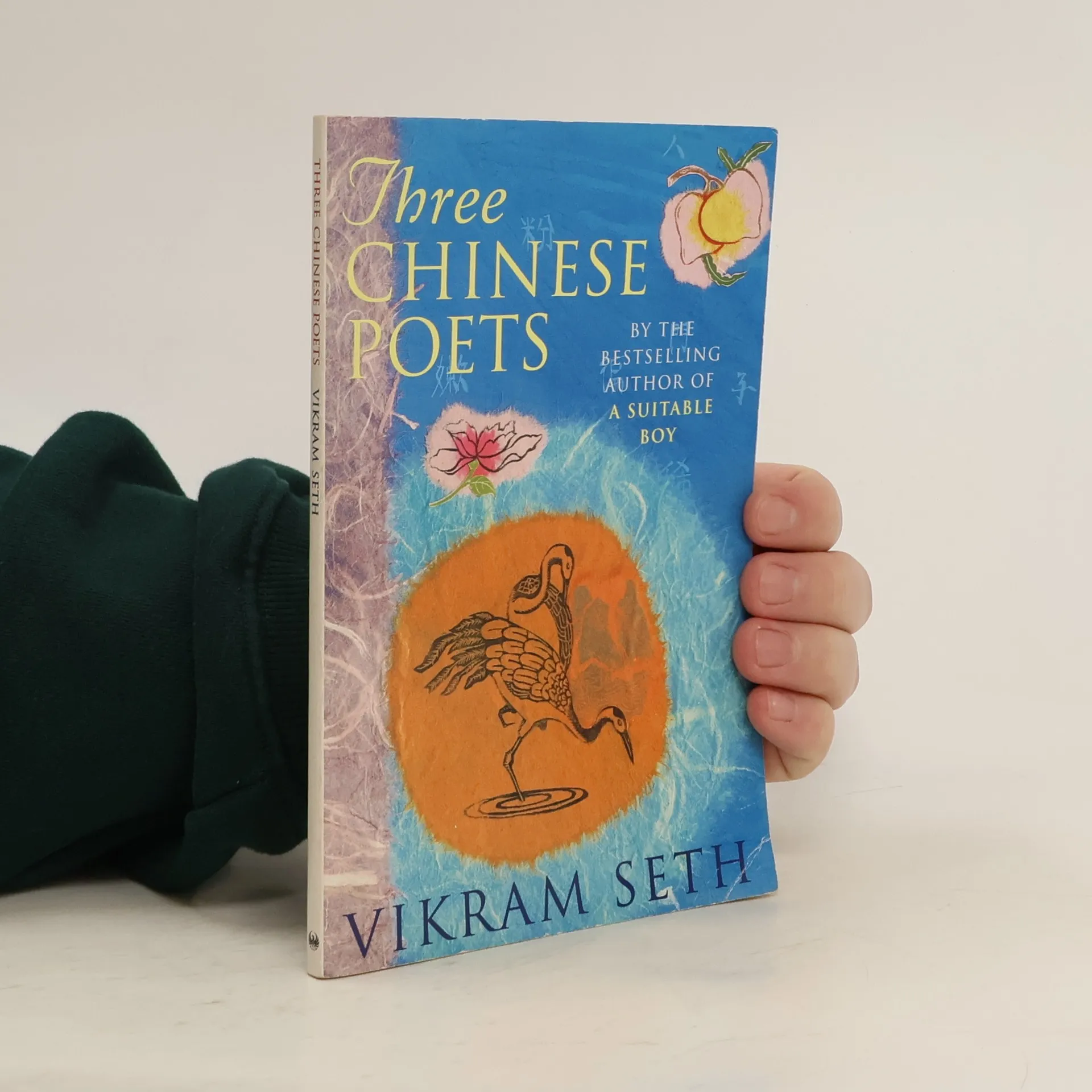
The three Chinese poets translated here are among the greatest literary figures of China, or indeed the world. Wang Wei with his quiet love of nature and Buddhist philosophy; Li Bai, the Taoist spirit, with his wild, flamboyant paeans to wine and the moon; and Du Fu, with his Confucian sense of sympathy with the suffering of others in a time of civil war and collapse. These three poets of a single generation, responding differently to their common times, crystallise the immense variety of China and the Chinese poetic tradition and, across a distance of twelve hundred years, move the reader as it is rare for even poetry to do.
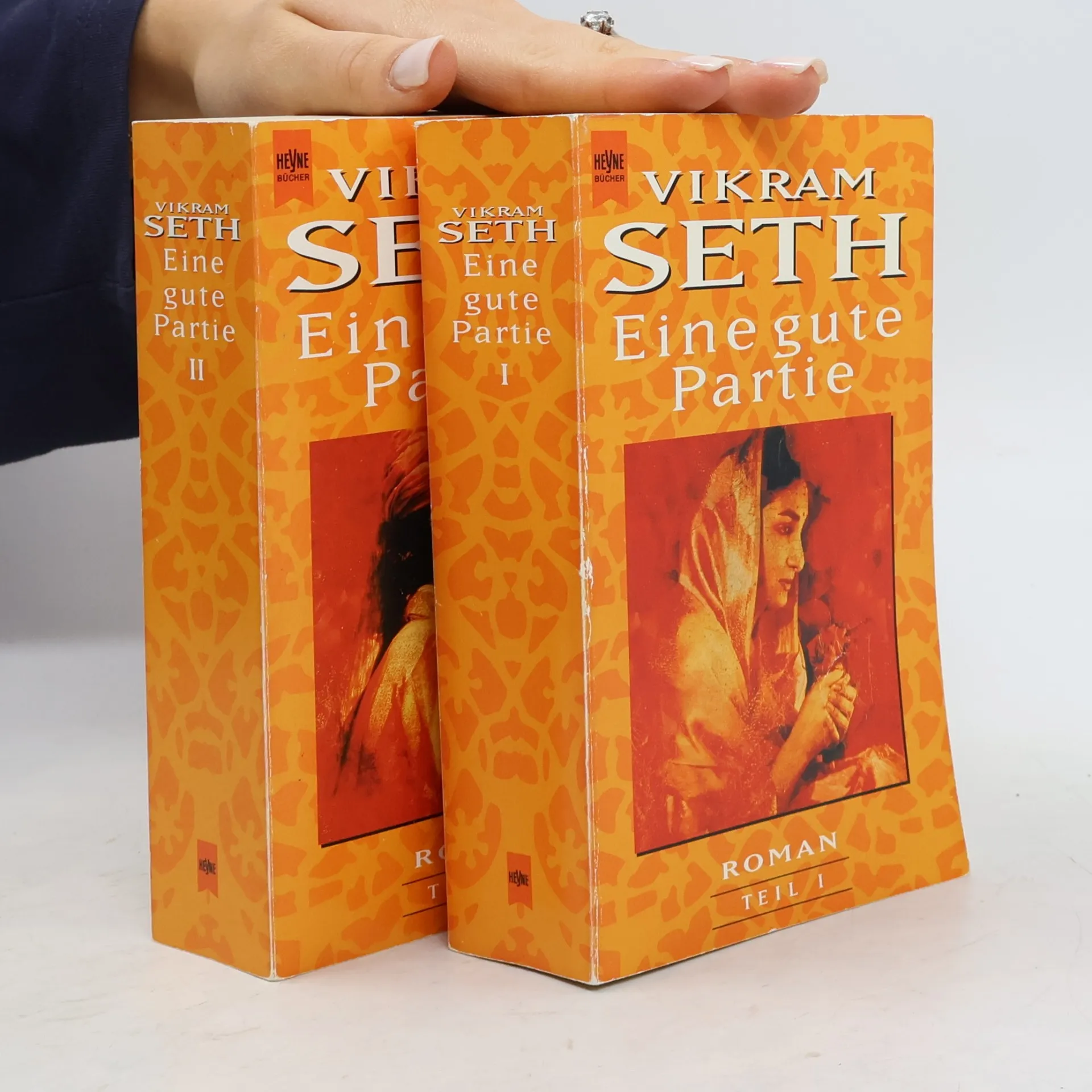
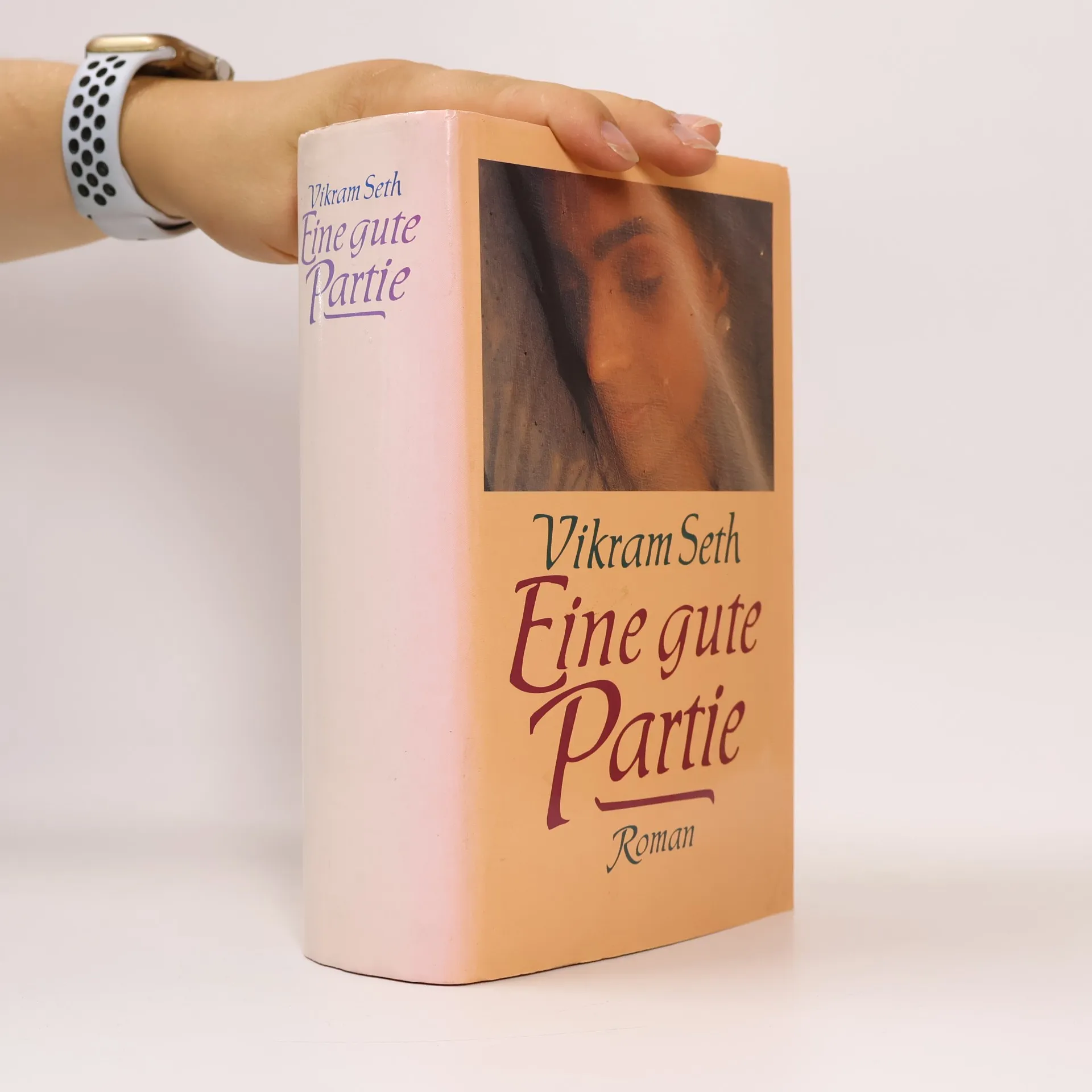
In 'Eine gute Partie I-II' von Vikram Seth wird die komplexe Welt der Beziehungen und gesellschaftlichen Erwartungen im Indien des 19. Jahrhunderts erkundet. Die Geschichte folgt dem Protagonisten, einem wohlhabenden jungen Mann, der sich in eine attraktive, jedoch nicht standesgemäße Frau verliebt. Diese Liebesgeschichte entfaltet sich vor dem Hintergrund von Familientraditionen, Heiratsarrangements und den Herausforderungen, die mit dem Streben nach persönlichem Glück verbunden sind. Die Erzählung thematisiert die Spannungen zwischen individueller Freiheit und gesellschaftlichem Druck, wobei Seth die Charaktere mit psychologischer Tiefe und Nuancen darstellt. Zu den zentralen Figuren gehören der Protagonist, seine Familie und die verschiedenen gesellschaftlichen Akteure, die die Dynamik der Beziehung beeinflussen. Die beiden Bände bieten einen umfassenden Einblick in die sozialen Normen und die Rolle der Frauen in dieser Zeit, während sie gleichzeitig die universellen Themen von Liebe, Verlust und dem Streben nach Identität behandeln. Durch eine Mischung aus Humor, Ironie und tiefgründiger Reflexion gelingt es Seth, ein vielschichtiges Bild einer vergangenen Epoche zu zeichnen, das sowohl historisch als auch zeitlos relevant ist.
An extraordinary account of the political upheavals afflicting the newly independent India,taken from the bestselling A SUITABLE BOY.
Vikram Seth's novel is, at its core, a love story: Lata and her mother, Mrs. Rupa Mehra, are both trying to find—through love or through exacting maternal appraisal—a suitable boy for Lata to marry. Set in the early 1950s, in an India newly independent and struggling through a time of crisis, A Suitable Boy takes us into the richly imagined world of four large extended families and spins a compulsively readable tale of their lives and loves. A sweeping panoramic portrait of a complex, multiethnic society in flux, A Suitable Boy remains the story of ordinary people caught up in a web of love and ambition, humor and sadness, prejudice and reconciliation, the most delicate social etiquette and the most appalling violence.
Savita heiratet Pran, einen jungen Mann, den sie kaum kennt. Die prunkvolle Zeremonie ist noch nicht beendet, da widmet die Mutter der Braut sich schon ihrer nächsten Aufgabe: eine gute Partie für ihre jüngste Tochter zu finden. Denn die schöne Lata wird schon neunzehn, aber der passende Mann muss natürlich der richtigen Kaste entstammen, und hellhäutig soll er auch noch sein. In dieser einfachen Konstellation findet Vikram Seth alles, um uns Indien, seine Tänze und Tränen, vor Augen zu stellen, seine Farben und Stoffe, sein Glück und sein Leid.
Written in verse, this was Vikram Seth's first novel. Set in the 1980s, in the affluence and sunshine of California's silicon valley, it is the story of twenty-somethings looking for love, pleasure and the meaning of life.
Vikram Seths ungewöhnliche und mutige Reise durch ein geheimes China1981 reiste Vikram Seth per Anhalter durch die abgelegenen Randprovinzen Chinas: vom »Himmels-See« Tianchi im Nordwesten schlug er sich fern der etablierten Routen nach Süden durch – bis ins Tibet. Seine Erkundung unerforschter Gebiete schloss er mit der Heimreise nach Indien über Kathmandu ab.