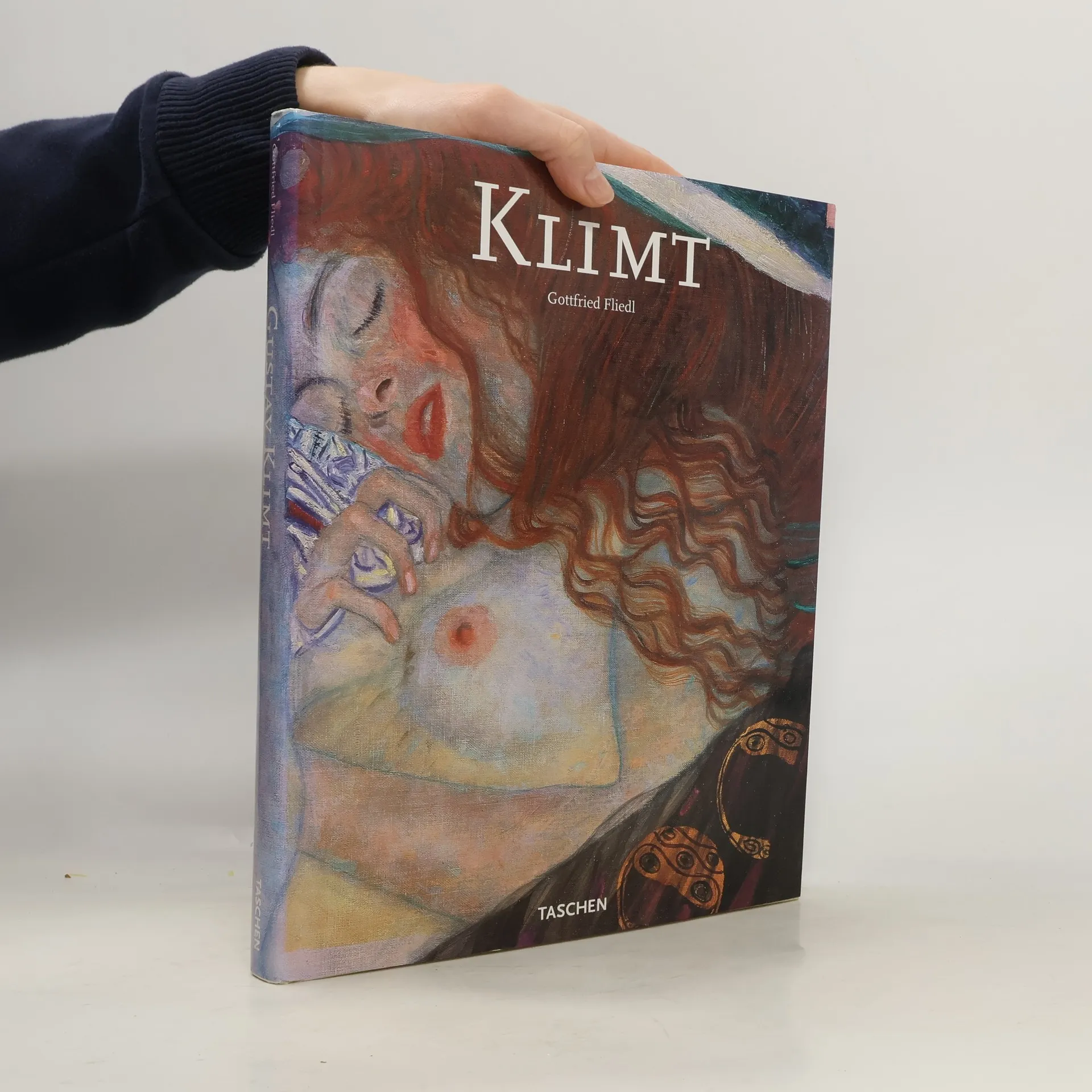
Gustav Klimts Kunst ist geprägt vom Geist des Fin de siècle, einem Endzeitlebensgefühl der feudal-bürgerlichen Gesellschaft, das sich in der Kultivierung des Ästhetischen und dem Streben nach gesteigertem Lebensgenuß ausdrückt.
Gottfried Fliedl Bücher


Klimt
- 239 Seiten
- 9 Lesestunden
The Kiss of the most fascinating painter of Vienna’s Belle Epoque ... Gustav Klimt’s art is thoroughly fin de siècle.It expresses the apocalyptic atmosphere of Vienna’s upper-middle-class society — a society devoted to the cultivation of aesthetic awareness and the cult of pleasure. The ecstatic joy which Klimt (1862–1918) and his contemporaries found — or hoped to find — in beauty was constantly overshadowed by death, and death therefore plays an important role in Klimt’s art. Klimt’s fame, however, rests on his reputation as one of the greatest erotic painters and graphic artists of his times. Particularly his drawings, which have been widely admired for their artistic excellence, are dominated by the erotic portrayal of women. Klimt saw the world "in female form." Author Gottfried Fliedlalso discusses the Secession movement and Klimt’s role within this important group of artists.
Gustav Klimt 1862-1918: The world in female form
- 240 Seiten
- 9 Lesestunden
Gustav Klimt's art is thoroughly fin de siècle. It expresses the apocalyptic atmosphere of Vienna's upper middle-class society--a society devoted to the cultivation of aesthetic awareness and the cult of pleasure. The ecstatic joy which Klimt and his contemporaries found -or hoped to find--in beauty was constantly overshadowed by death. And death therefore plays an important role in Klimt's art. Klimt's fame, however, rests on his reputation as one of the greatest erotic painters and graphic artists of his times. Particularly his drawings, which have been widely admired for their artistic excellence, are dominated by the erotic portrayal of women. Klimt saw the world "in female form". Author Gottfried Fliedl also discusses the Secession movement and Klimt's role within this group of artists. Examining Klimt's work against the background of his times, he gives an appraisal of the artist while at the same time raising the critical issues.--From publisher description.
Monografie van de Weense beeldend kunstenaar (1862-1918).