Am Ende des Milleniums
- 220 Seiten
- 8 Lesestunden
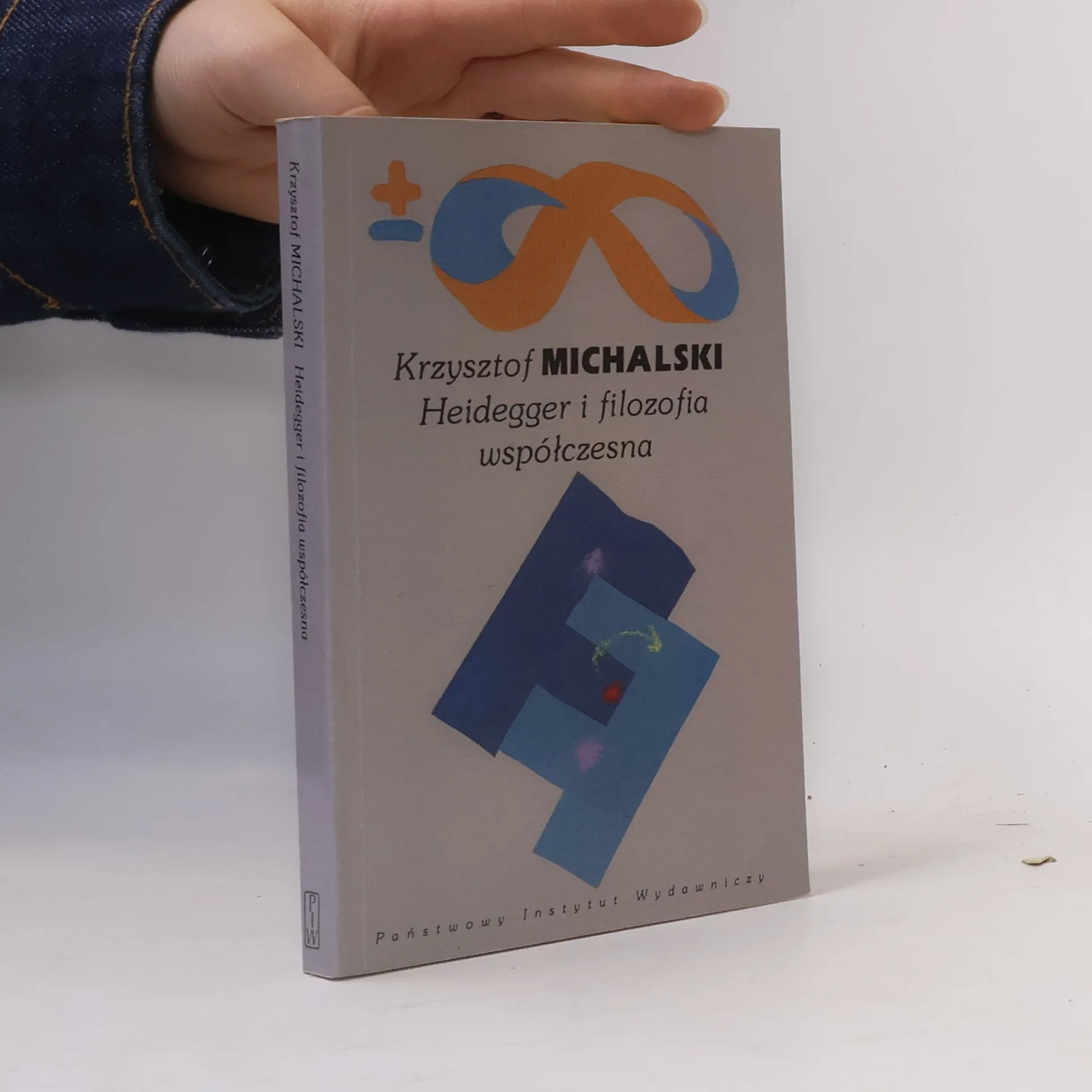
Michalski war ein polnischer Philosoph und Gründer des Instituts für die Wissenschaften vom Menschen in Wien. Er war bekannt für seine tiefgründige Auseinandersetzung mit philosophischen Konzepten und deren Einfluss auf die Gesellschaft. Seine Arbeit befasste sich mit Fragen der Freiheit, der Verantwortung und der Natur der menschlichen Existenz. Durch seine intellektuelle Vision und die Leitung des Instituts wurde er zu einer bedeutenden Persönlichkeit im europäischen philosophischen Denken.
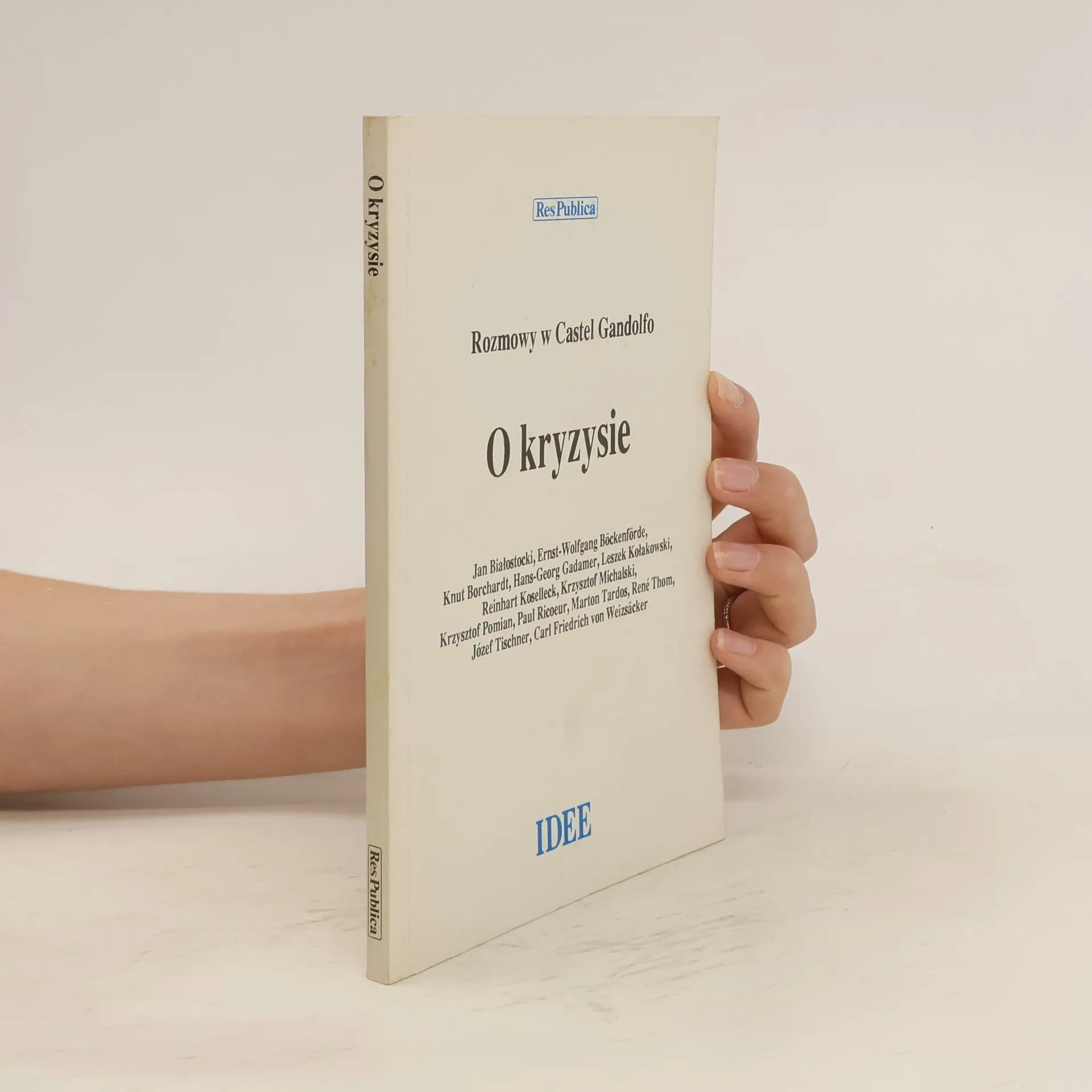

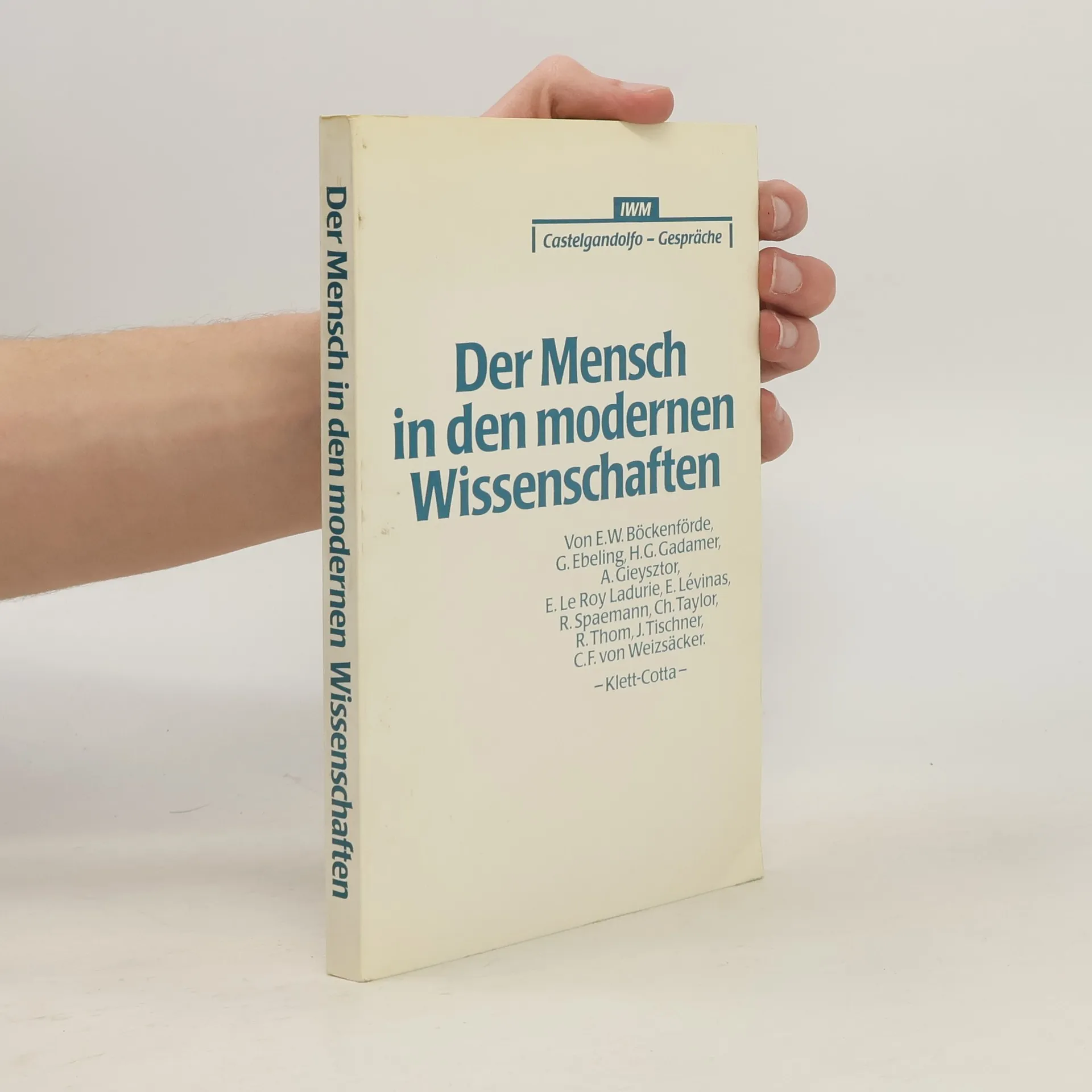


Polnischer Philosoph, Gründer und Leiter des Instituts für die Wissenschaften vom Menschen, Wien; organisiert jedes Jahr die renommierten Castelgandolfo-Gespräche am Sommersitz des Papstes.
Mit Beiträgen von E. Gellner, W. Halbfass, G. L. Kline, F. König, R. Koselleck, B. Lewis, K. Pomian, E. Shils, R. Spaemann, F. Stern, C. F. von Weizsäcker und J. Wozniakowski.
Focusing on European identity politics, this work explores the concept of 'solidarity' and its implications for obligations towards fellow citizens, new East European members, and global responsibilities. A collaboration of esteemed scholars and politicians, initiated by former EU President Romano Prodi, the book delves into critical issues shaping Europe's future, offering insights into contemporary challenges and the evolving sense of community among Europeans.
Krzysztof Michalski reinterprets Nietzsche's philosophy by emphasizing the interconnectedness of time and eternity, arguing that Nietzsche's insights on human life are fundamentally tied to our understanding of both concepts. He posits that eternity serves as a measure of time and is intrinsically linked to the human body, aging, and mortality. Michalski explores how Nietzsche's reflections on love, morality, and the will to power gain new significance when viewed through the lens of eternity, suggesting that nihilism stems from humanity's struggle with life's impermanence.