The book explores the evolution of political representation in Europe over the past two centuries, highlighting how democratic parliamentary systems developed from the political participation of common burghers and peasants. It examines the conditions, scale, and impact of this participation, providing insights into the historical context and significance of grassroots involvement in shaping modern governance.
Willem Pieter Blockmans Reihenfolge der Bücher (Chronologisch)
1. Jänner 1945
Wim Blockmans ist ein führender Historiker, dessen Werk sich mit der Staatsmacht im Spätmittelalter und der Frühen Neuzeit befasst. Seine Forschung zeichnet sich durch eine sorgfältige Untersuchung entscheidender Epochen und Persönlichkeiten aus, die die europäische Geschichte geprägt haben. Leser werden seine Fähigkeit schätzen, komplexe historische Prozesse zugänglich und fesselnd darzustellen. Blockmans' Ansatz bietet tiefe Einblicke in die Entwicklung europäischer Staatlichkeit und ihr bleibendes Erbe.

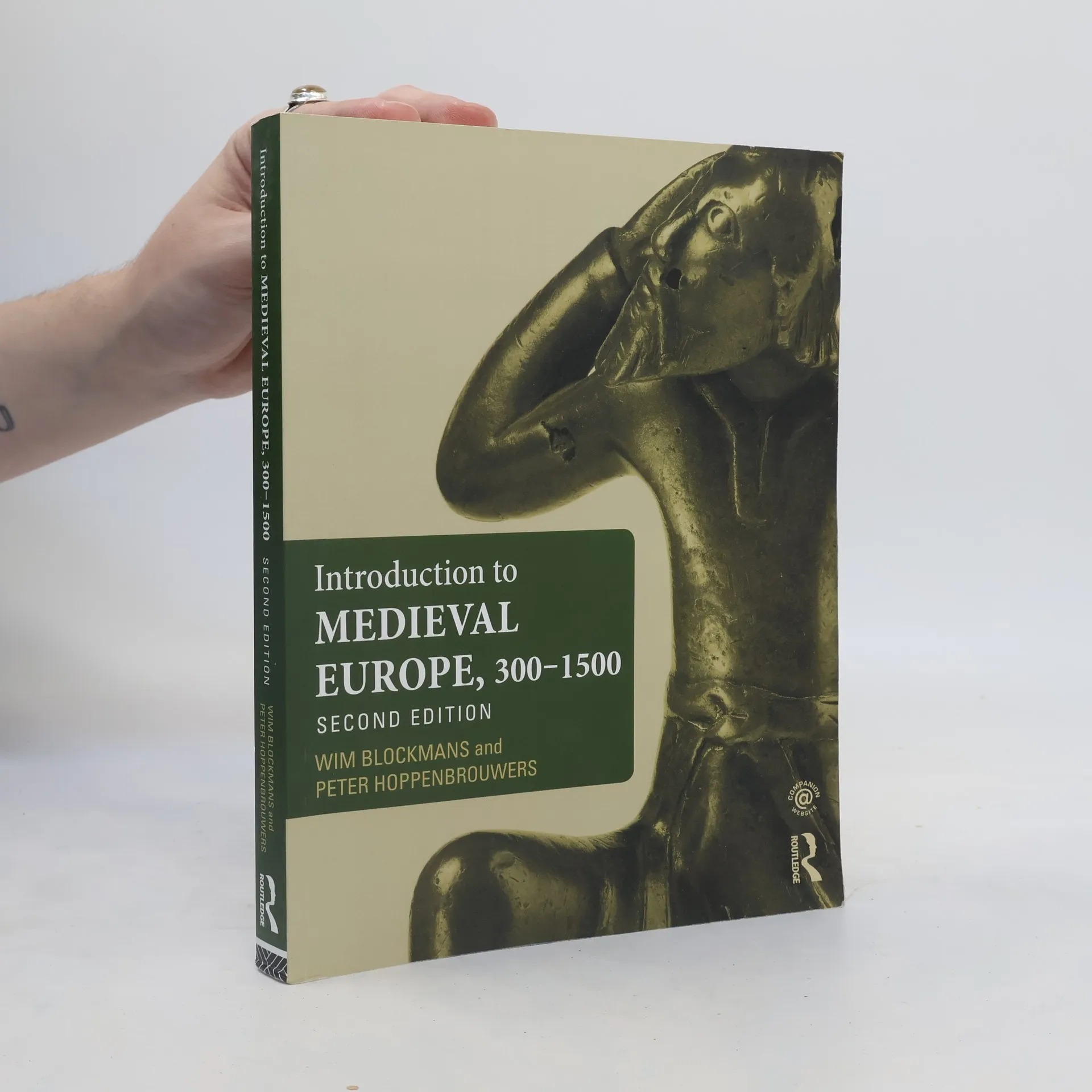
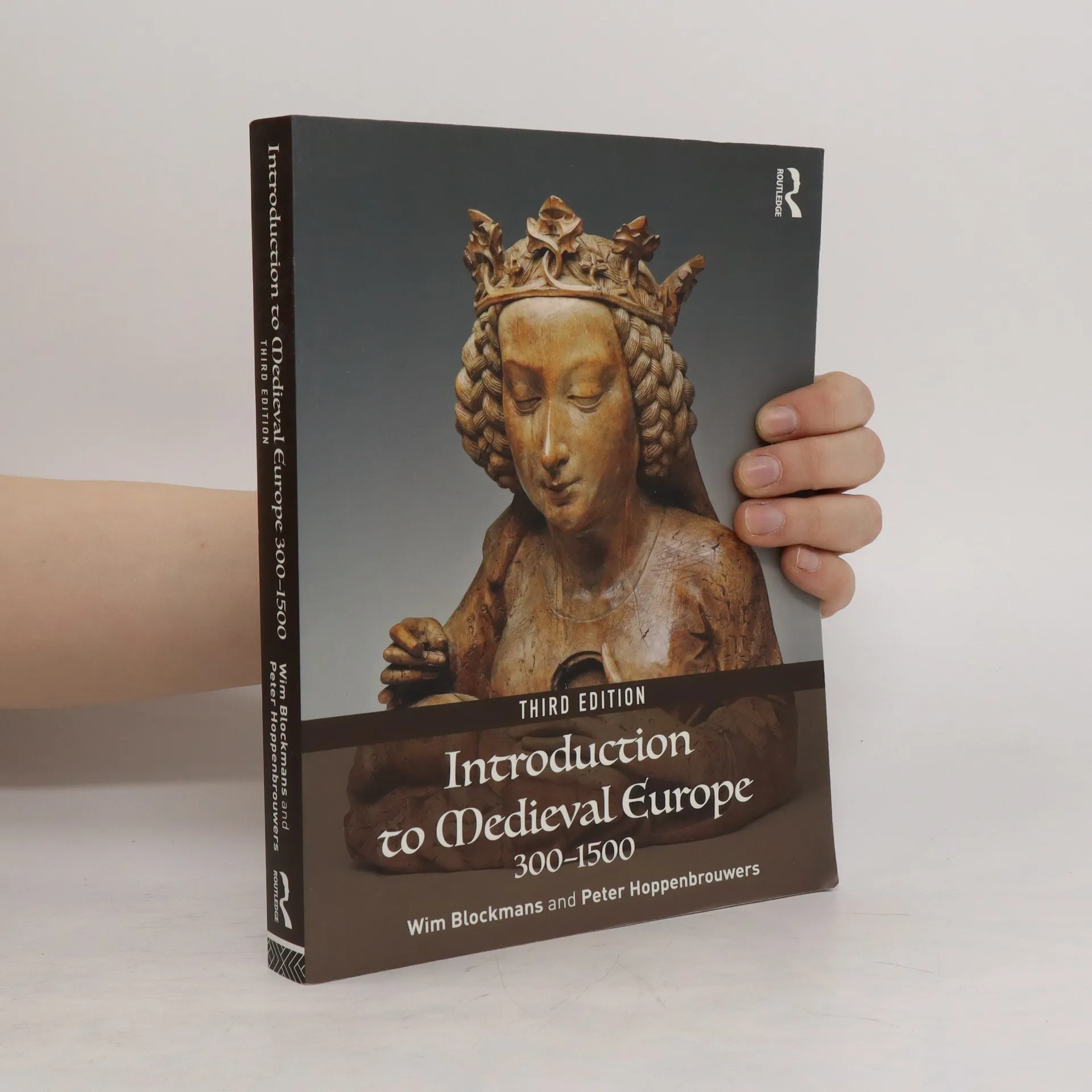
Introduction to Medieval Europe 300-1500
- 498 Seiten
- 18 Lesestunden
Introduction to Medieval Europe 300-1500 is a comprehensive survey of this complex formative period of European history. It explores the driving forces behind the formation of medieval society and the directions in which it developed, and covers a wide geographic expanse including Western interactions with the Byzantine Empire and Islamic World.
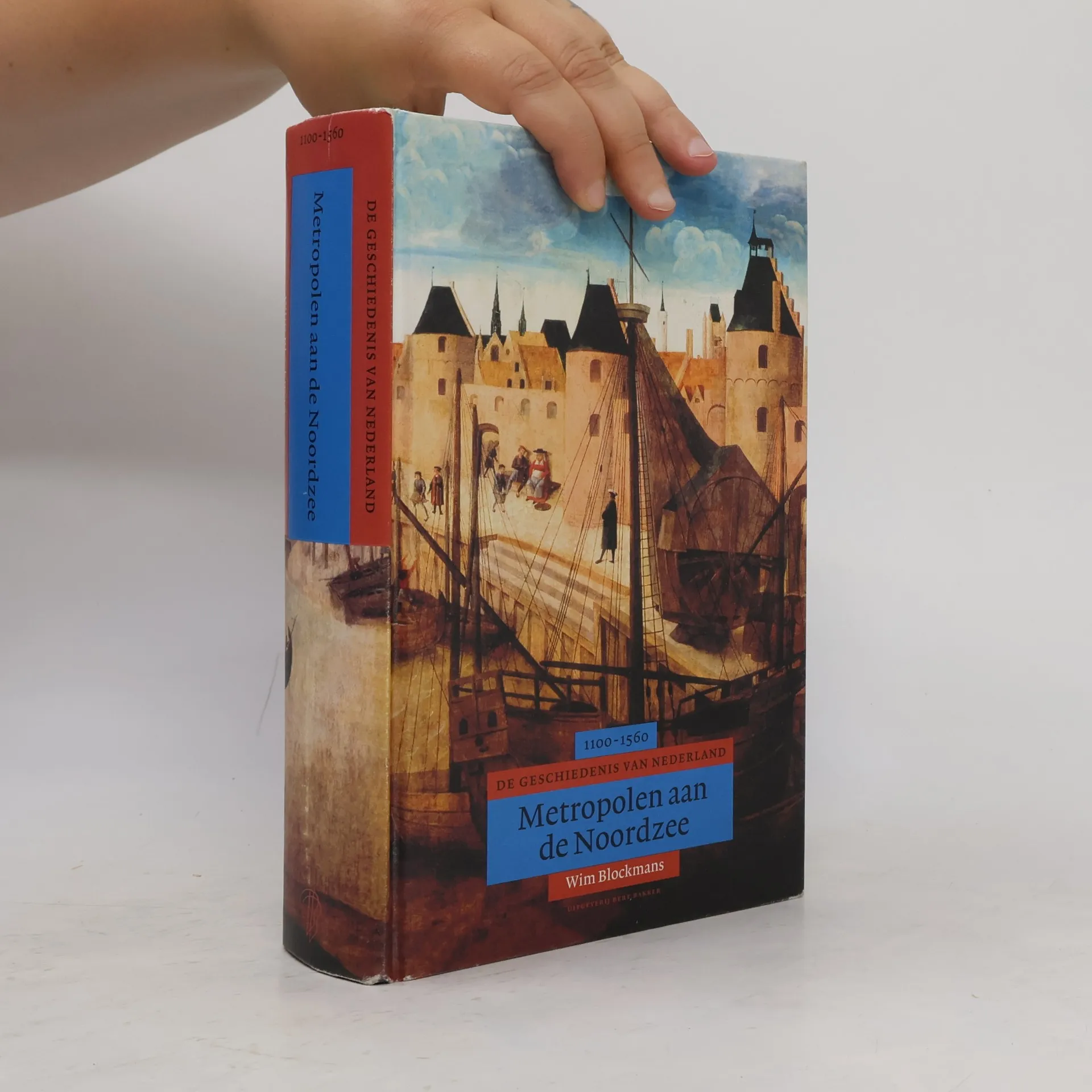
De Geschiedenis van Nederland - 1100-1560: Metropolen aan de Noordzee
- 748 Seiten
- 27 Lesestunden
Vanaf 1100 trad in diverse Nederlandse gewesten een opzienbarende groei op. Het is een intrigerende vraag waardoor aanvankelijk Vlaanderen, dan Brabant, en in derde instantie Holland en Zeeland deze voorsprongpositie konden verwerven. Hoe verhield de economische dynamiek zich tot de politieke verdeeldheid en de naar verhouding beperkte macht van de vorsten? Kon misschien juist hierdoor een politiek systeem ontstaan waarin burgers meer zeggenschap uitoefenden dan elders in Europa? Waren dit ook de omstandigheden die de uitzonderlijke creativiteit uitlokten in de landbouwtechnieken, de textielambachten, de scheepsbouw, evenzeer als in de schilderkunst en de muziek? Als de ligging langs grote rivieren en aan kusten aan deze bijzondere dynamiek heeft bijgedragen, blijft de vraag waarom die factoren alleen in bepaalde perioden en plaatsen cruciaal bleken. Waardoor kon Antwerpen de centrale rol overnemen van Brugge en dubbel zo groot worden? Het was in zijn kielzog dat ook Amsterdam aan zijn fenomenale groei begon. Metropolen aan de Noordzee vertelt het boeiende verhaal van de periode waarin de Nederlanden hun centrale plaats in Noordwest-Europa verwierven die zij steeds hebben behouden.
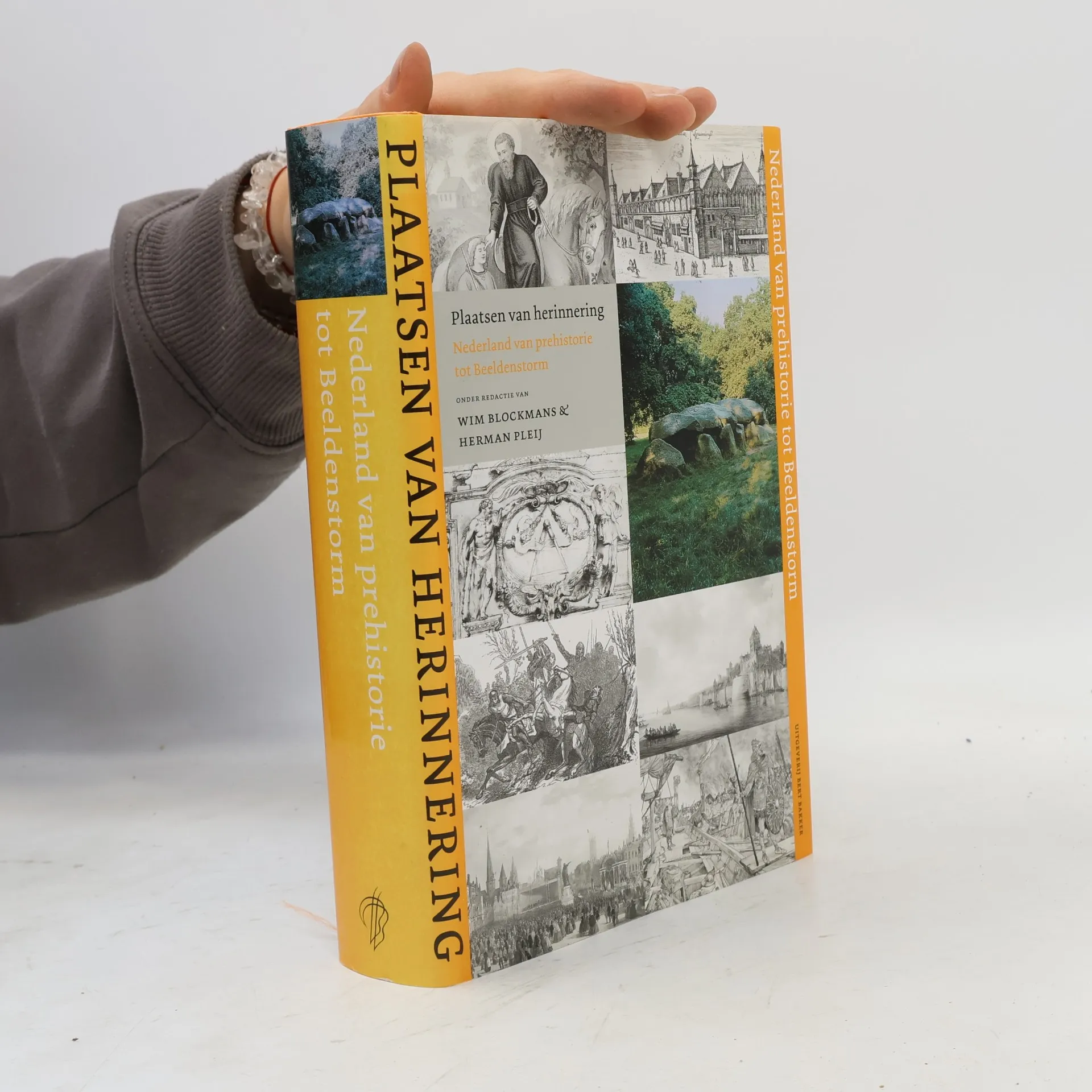
Plaatsen van herinnering: Nederland van prehistorie tot Beeldenstorm
- 563 Seiten
- 20 Lesestunden
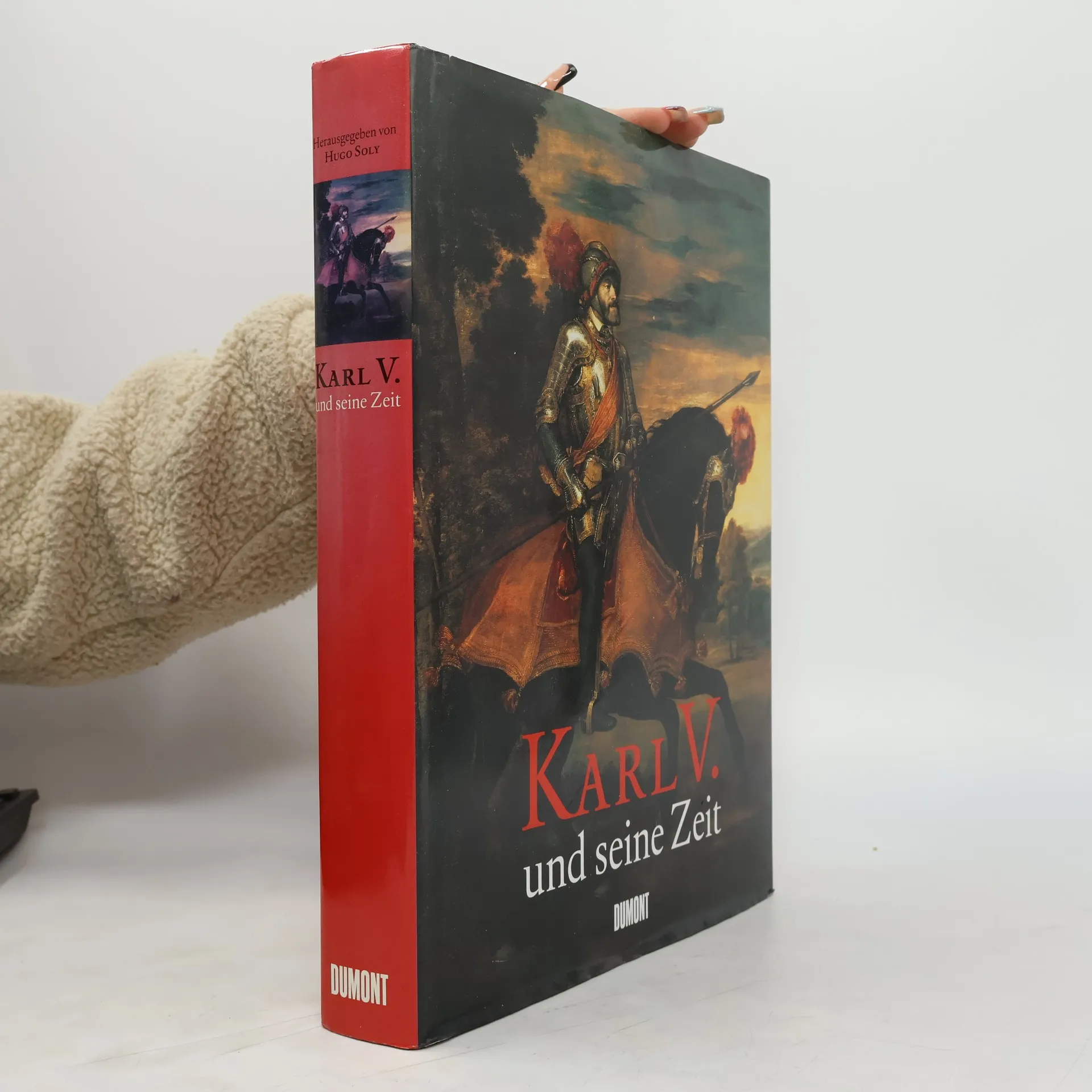
Karl V. und seine Zeit. 1500-1558
- 529 Seiten
- 19 Lesestunden
Führende Wissenschaftler und Autoren beleuchten die Epoche Karls V. aus verschiedenen Perspektiven. Karl V. war eine bedeutende Herrscherpersönlichkeit, die ein Weltreich regierte. Die strukturellen Umbrüche und sozialen Spannungen prägten die geistigen, kulturellen und politischen Wertvorstellungen und markierten den Beginn einer globalen Weltwirtschaft.
The Middle Ages evoke images of towers and castles, where minstrels performed courtly songs and brave knights honorably competed in tournaments. This is an indelible cliché that pertains only to a small and imaginatively distorted part of a complex period in European history. This book aims to survey the long millennium between 300 and 1550 and describe the driving forces that shaped the development of medieval society.
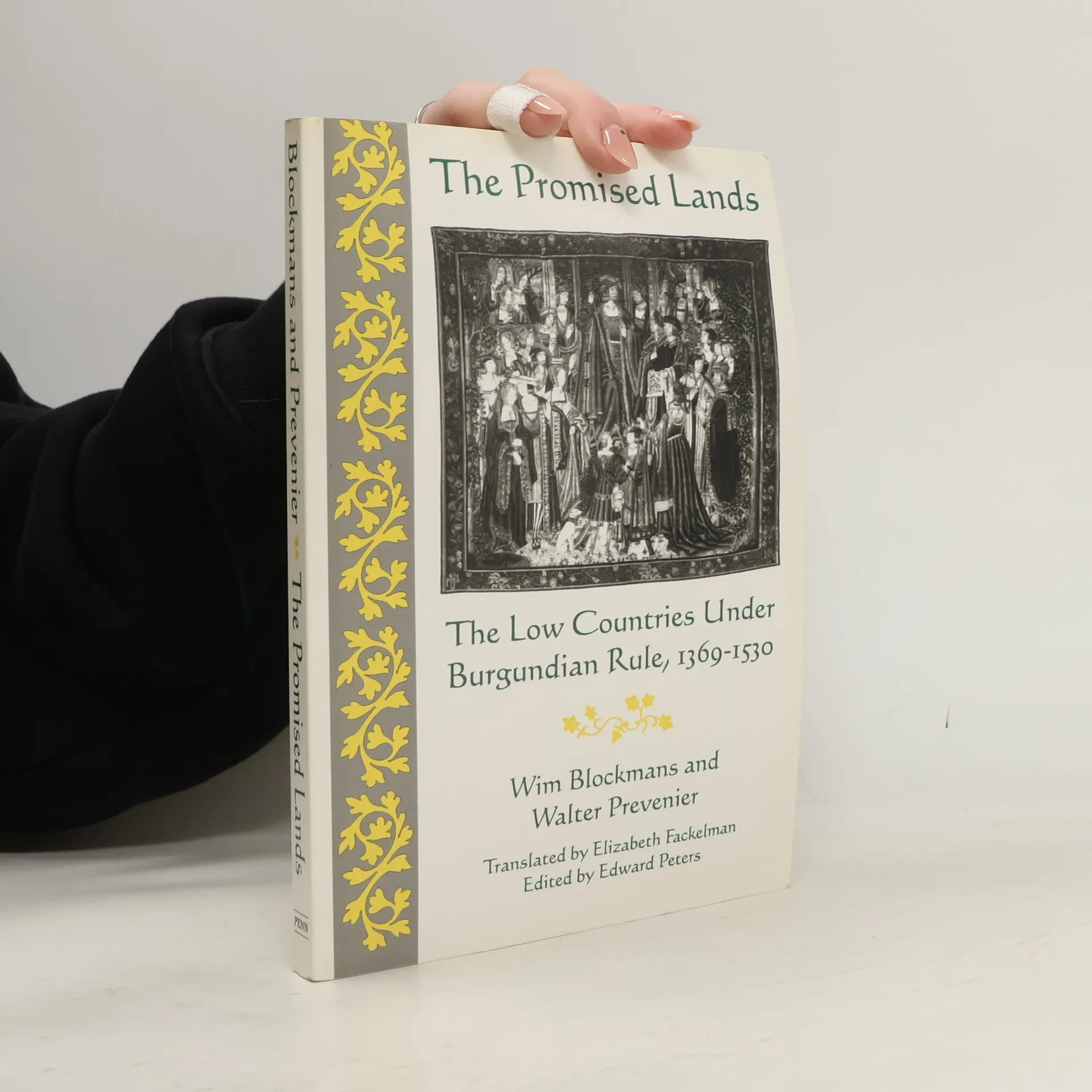
The Promised Lands
- 304 Seiten
- 11 Lesestunden
In all of Europe, only Northern Italy could rival the economic power and cultural wealth of the Low Countries in the later Middle Ages. This work traces the relations between the cultural and economic developments of the Low Countries and the political evolution of the region under the rule of the dukes of Burgundy.
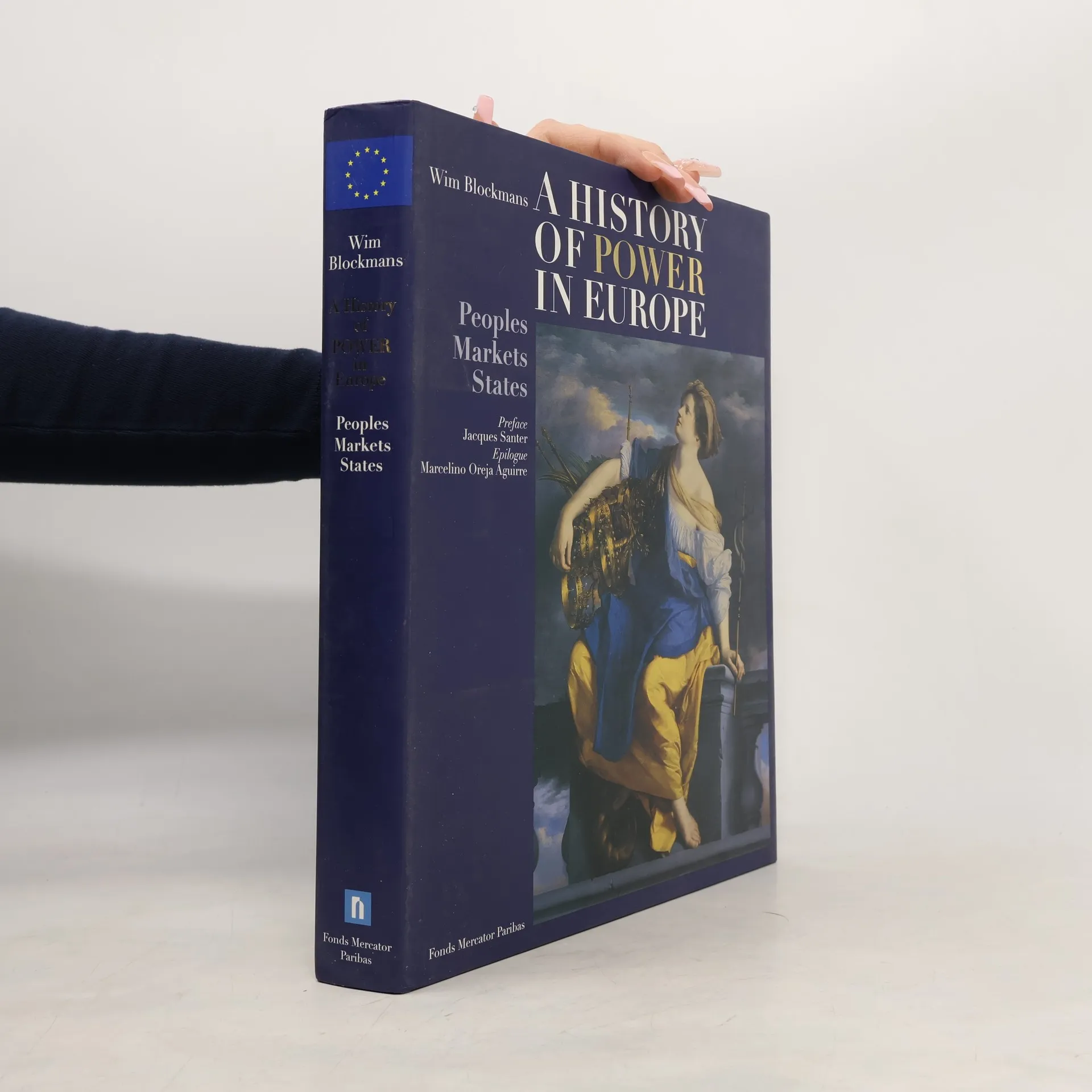
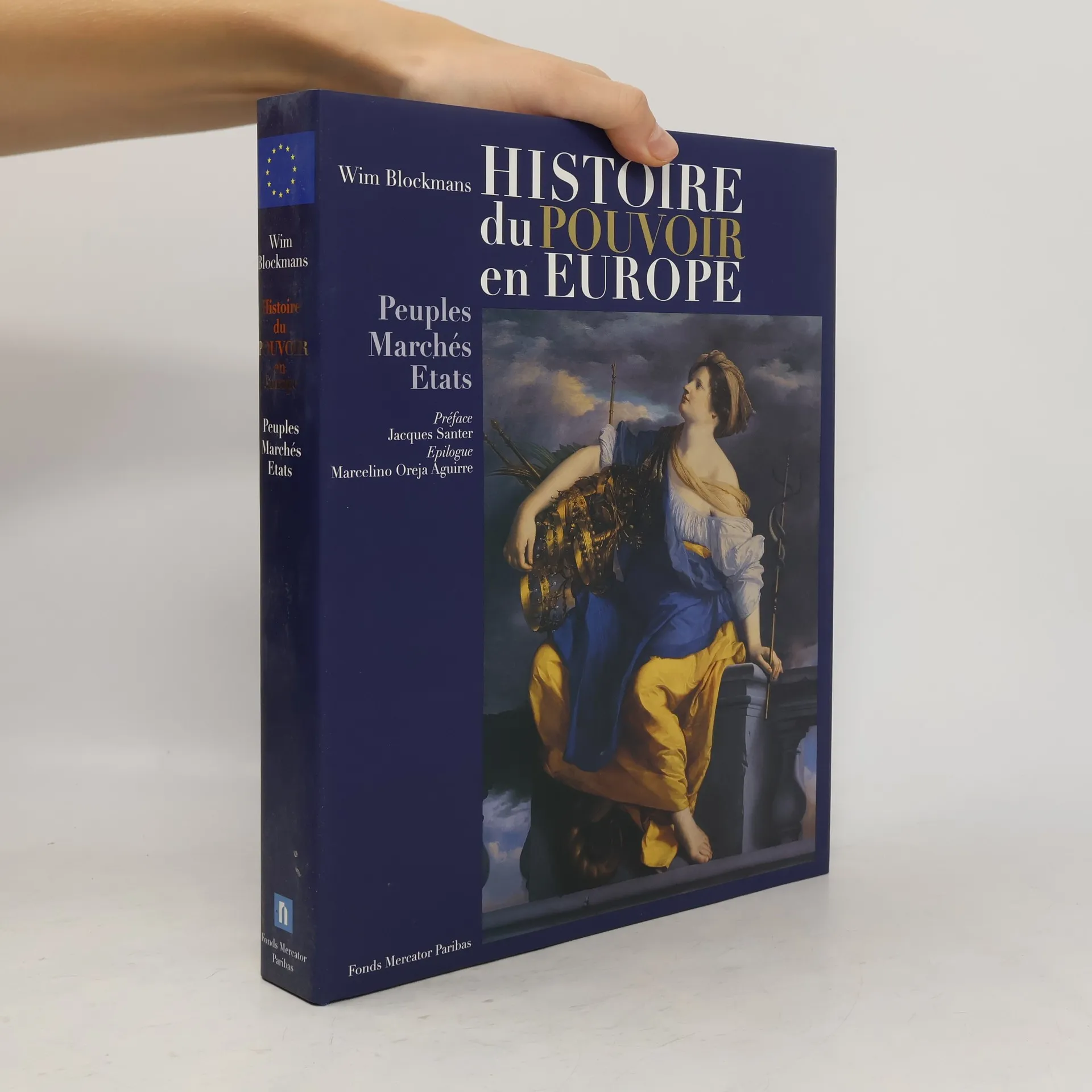
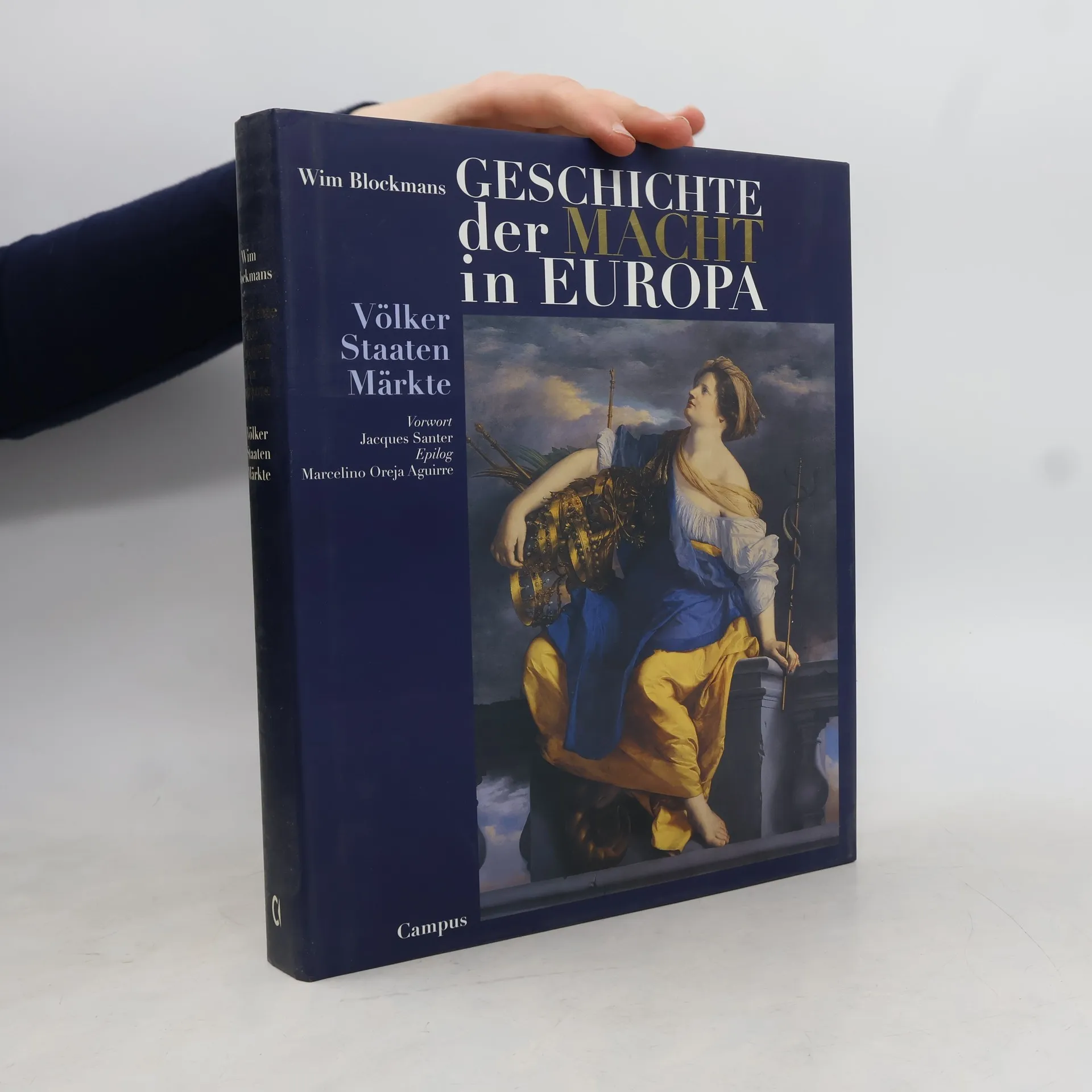
Geschichte der Macht in Europa
- 402 Seiten
- 15 Lesestunden
In diesem reich bebilderten Buch gibt Blockmans einen anschaulichen Überblick über die europäische Geschichte. Er untersucht die politischen, wirtschaftlichen und kulturellen Machtsysteme des vergangenen Jahrtausends, die der Entwicklung Europas ihre einzigartige Dynamik verliehen.
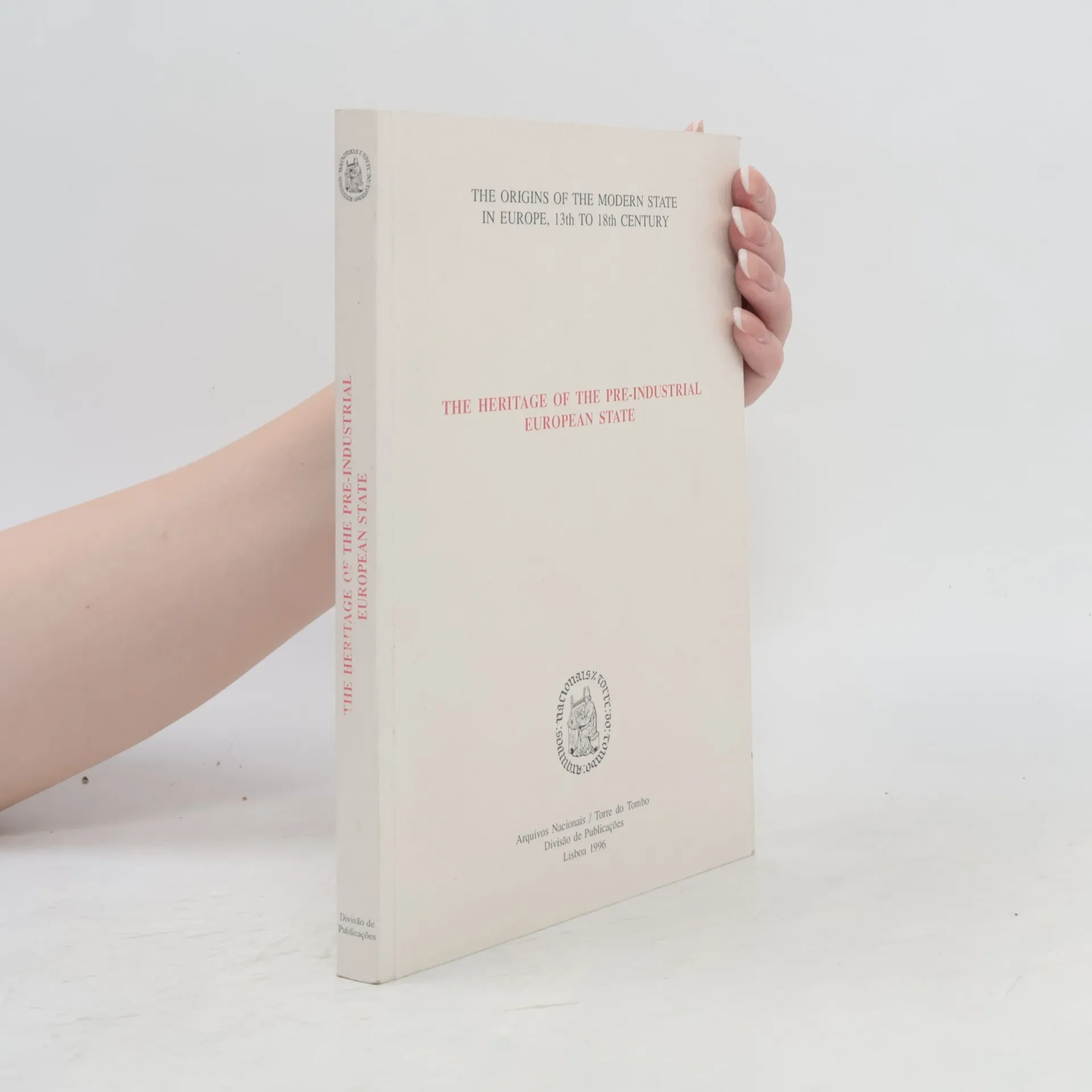
The Heritage of the Pre-Industrial European State
The Origins of the Modern State in Europe, 13th to 18th Century, Second Plenary Conference, Lisbon, Arquivo da Torre do Tombo, 8-11 April 1992
- 278 Seiten
- 10 Lesestunden
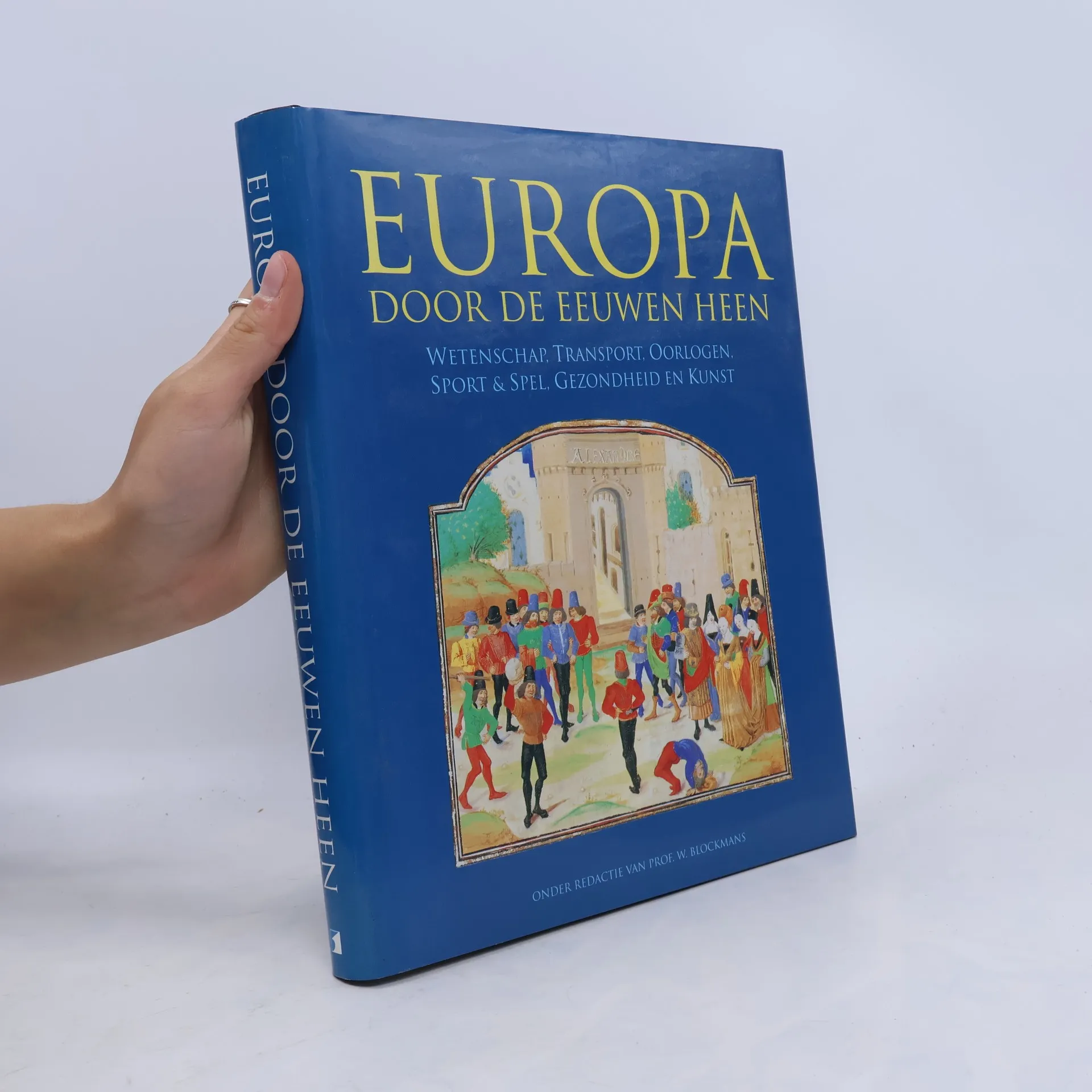
Eenheid en verscheidenheid hebben door de eeuwen heen de kracht van Europa gevormd. Aan de ene kant speelt de regionale diversiteit een belangrijke rol. Niet alleen de voormalige Sovjet-Unie en het voormalige Joegoslavië hebben te maken met regionale bewegingen die streven naar een grotere ook voor Spanje, Groot-Brittannië, Italië, Franrijk, België, Tsjechië en Slowakije is dat het geval. Aan de andere kant is er een tegengestelde kracht die naar integratie en schaalvergroting, waarvan het verdwijnen van de binnengrenzen van de Europese Gemeenschap het resultaat is.In Europa door de eeuwen heen tonen auteurs uit verschillende landen de wortels van de zo tegengestelde en unieke Europese identiteit. Verschillende belangrijke thema's worden de doorbraak van wetenschap en techniek, die Europa een ongelooflijke voorsprong bezorgden; de oorlogsvoering, die tot interne verdeeldheid leidde; de ontwikkeling van de sportbeoefening; de opkomst van de moderne medische wetenschap en de vernieuwing in de kunst komen aan de orde.Europa door de eeuwen heen is rijk geïllustreerd met vele schitterende kleurenfoto's. Een onmisbaar naslagwerk voor iedereen die in de Europese geschiedenis geïnteresseerd is!
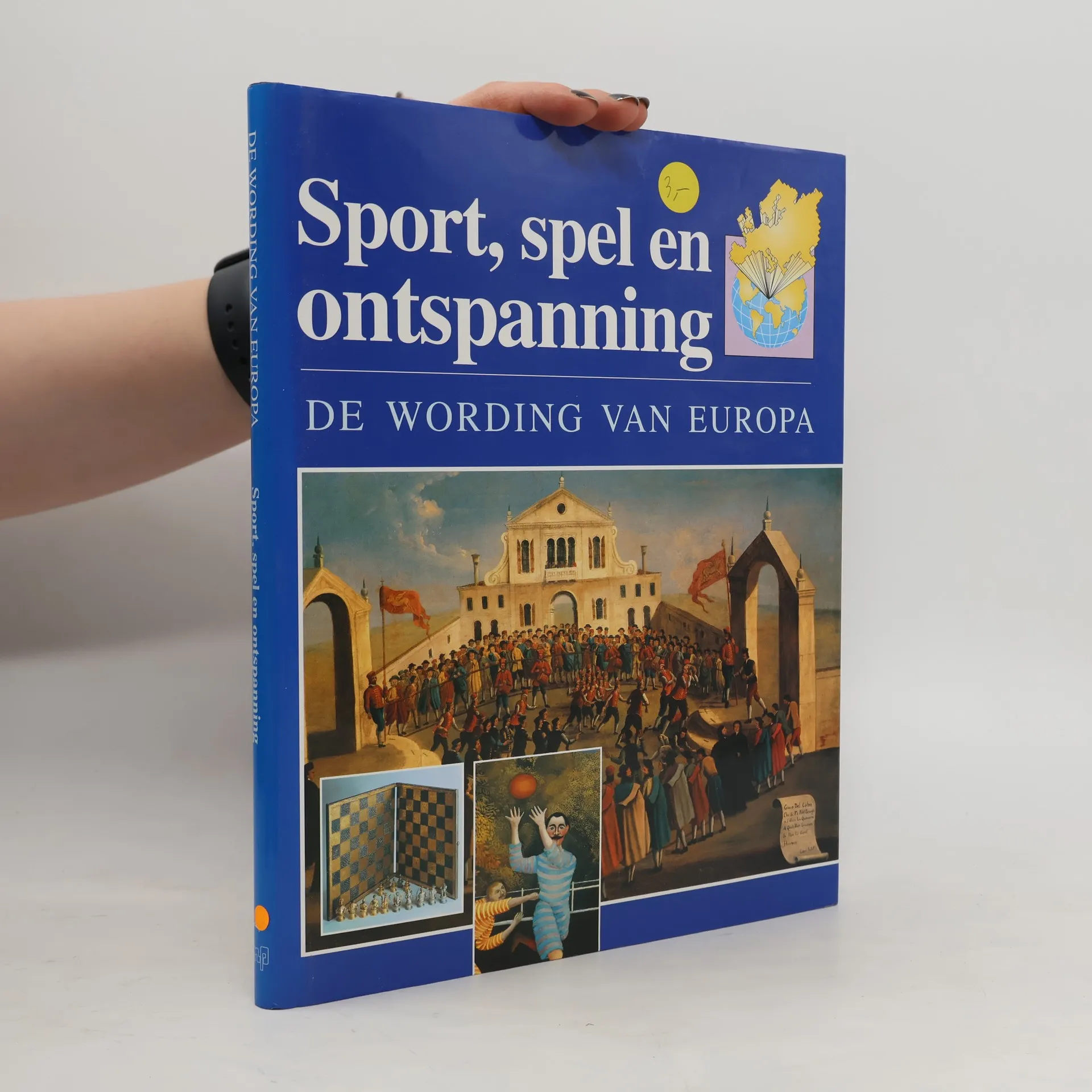
Sport, spel en ontspanning
- 144 Seiten
- 6 Lesestunden