Die Kathedrale von Chartres
- 96 Seiten
- 4 Lesestunden
Text von Malcolm Miller ; Photographien von Sonia Halliday und Laura Lushington.


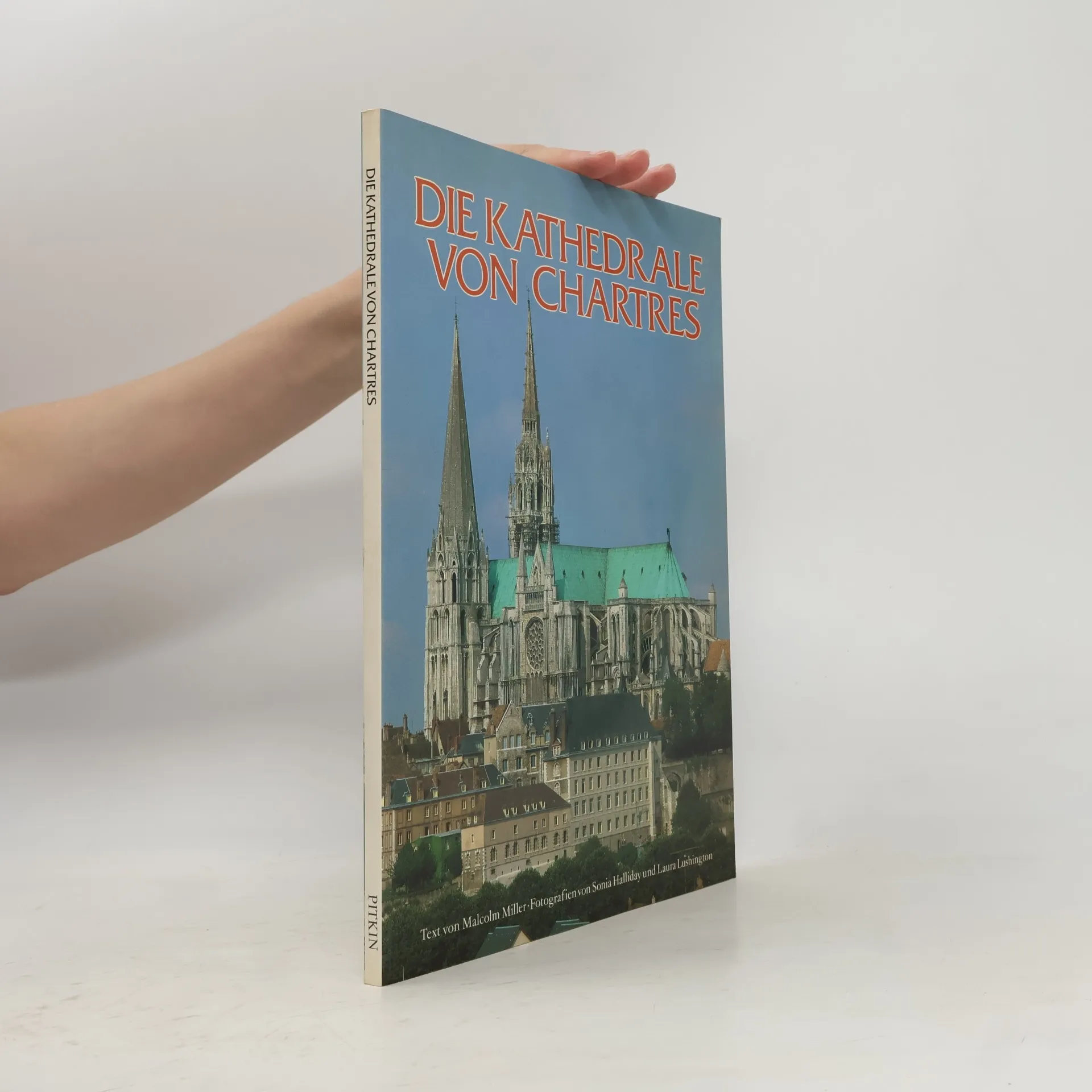
Text von Malcolm Miller ; Photographien von Sonia Halliday und Laura Lushington.
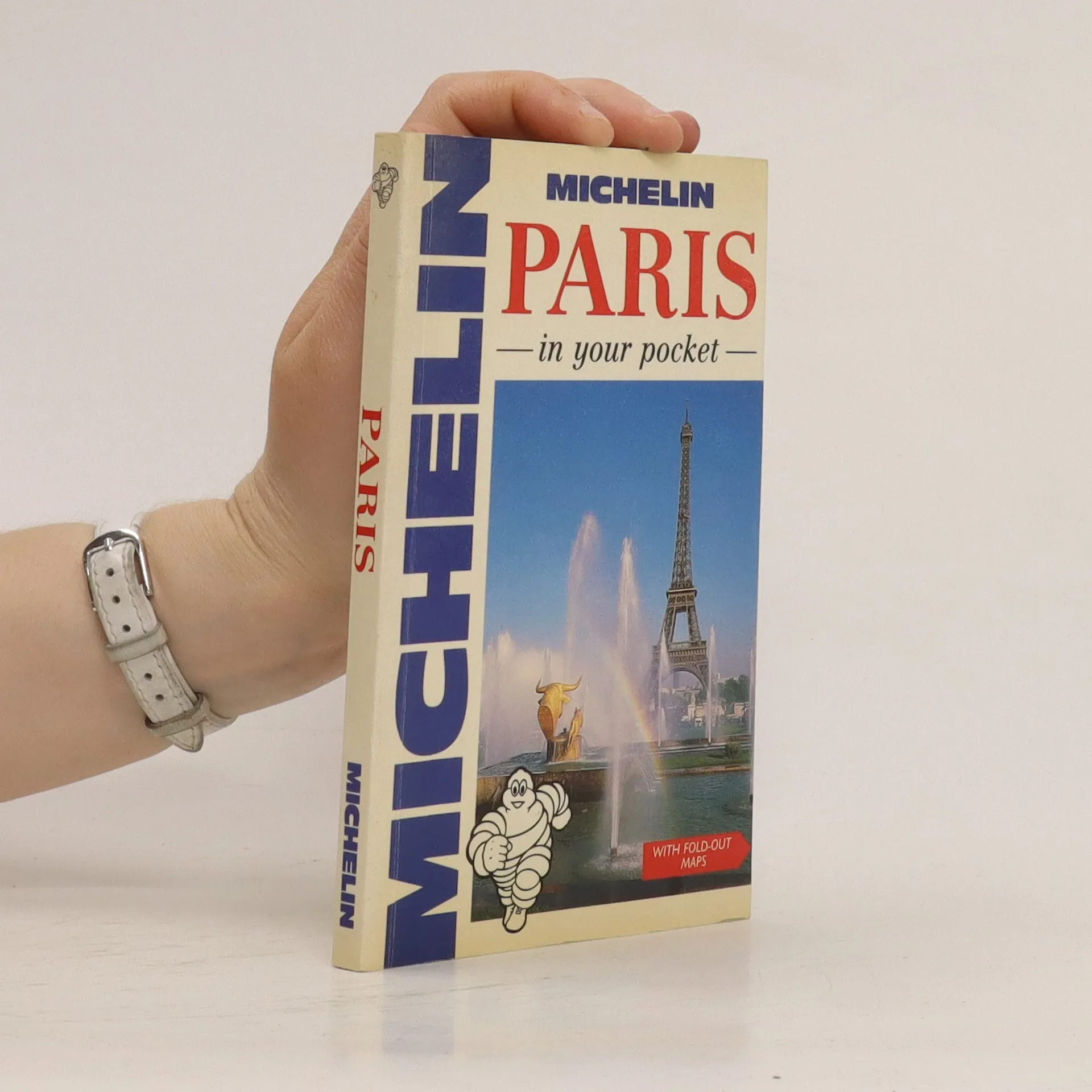
Michelin Paris in Your Pocket is part of a series of easy-to-use guides that puts all the facts at your fingertips, and provides information and advice on where to go and what to see'
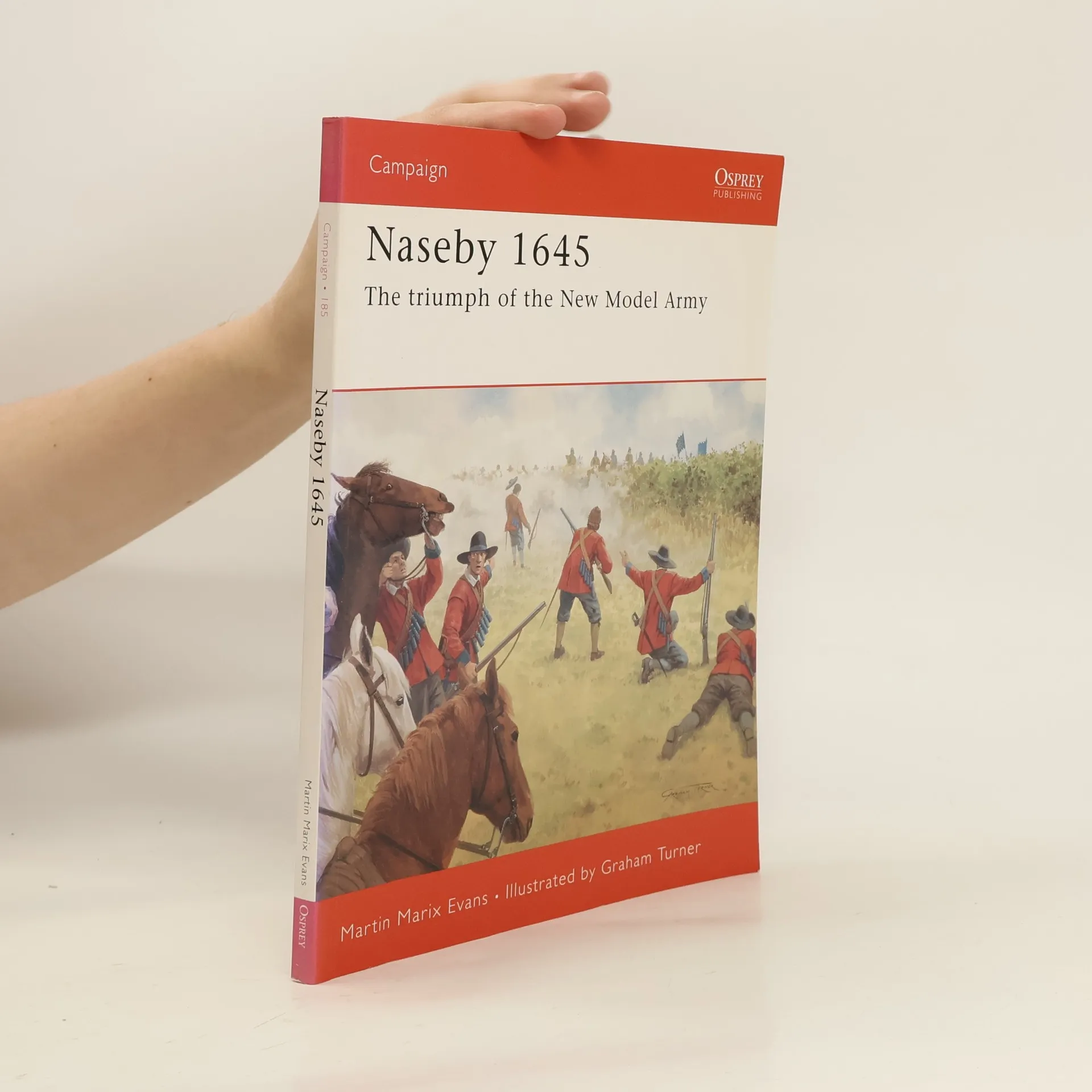
Osprey's study of the pivotal battle of the English Civil War (1642-1651). In 1645 the fate of the British monarchy hung in the balance as the Royalist Army under King Charles I fought the Parliamentarian Army for control of the country. In this book Martin Marix Evans gives a vivid account of the pivotal battle of Naseby. He introduces the origins of the campaign and explores the strengths and weaknesses of the opposing armies, including the famous New Model Army. Dramatic and fast-paced first-hand accounts tell how the fighting unfolded on that fateful day. Featuring strategic maps and new information regarding the troops and battlefield, the author uses his unparalleled knowledge of the terrain, as well as archaeological evidence, to piece together a remarkable blow-by-blow account of the battle that lost the King his throne.
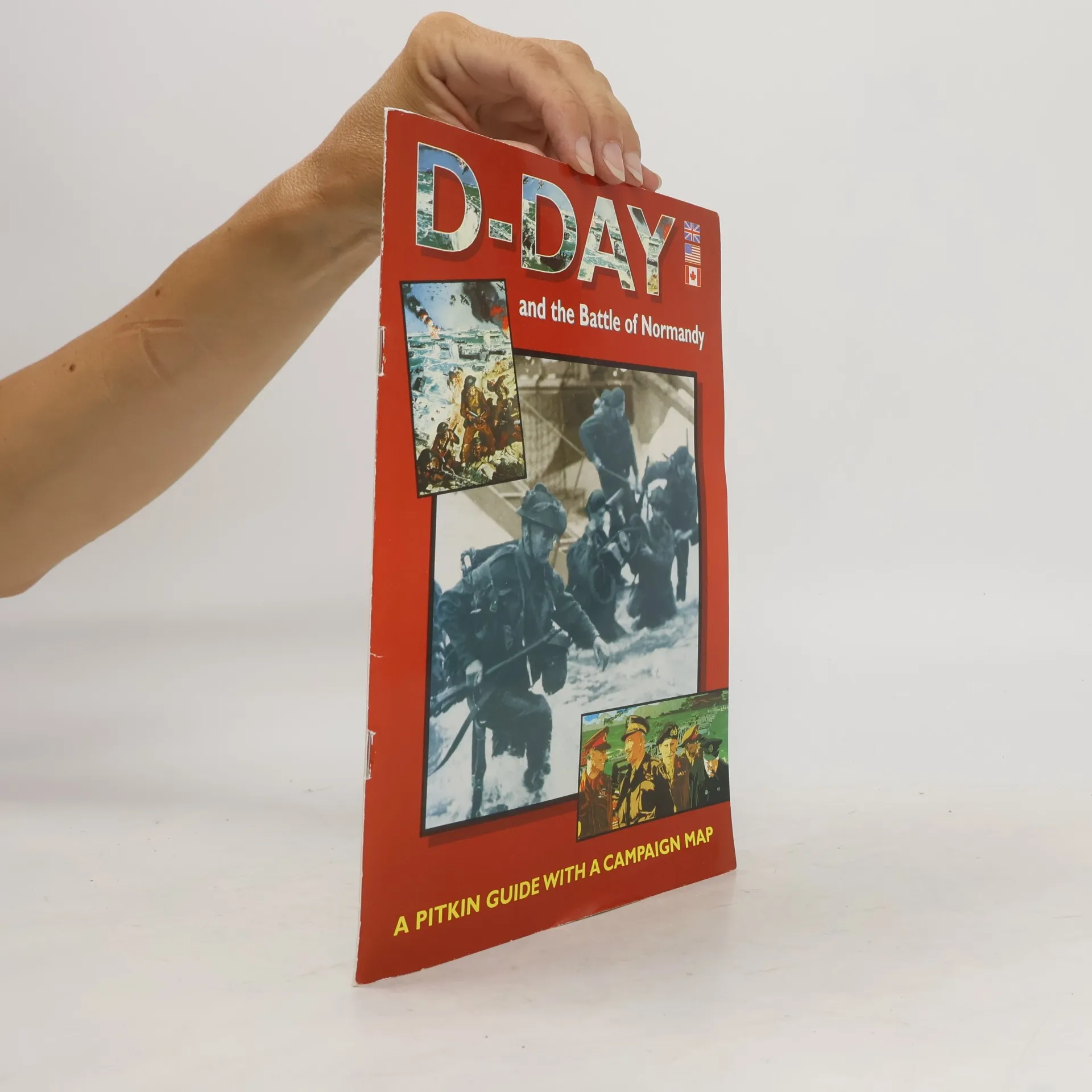
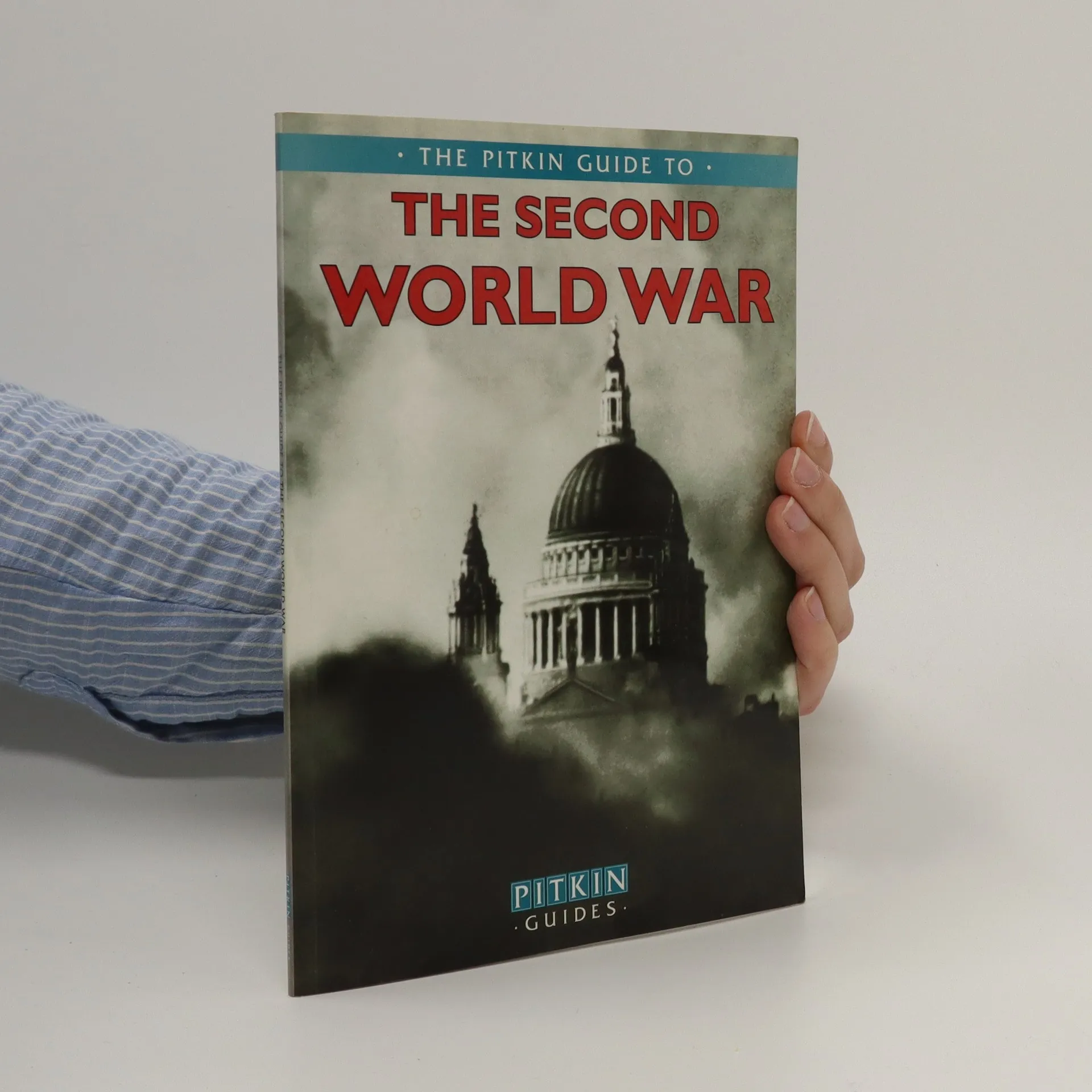
The Second World War was fought on land, in the air and at sea. It was indeed worldwide. This well-written short history looks at its causes and progress through to the allies' victory in 1945. Look out for more Pitkin Guides on the very best of British history, heritage and travel.
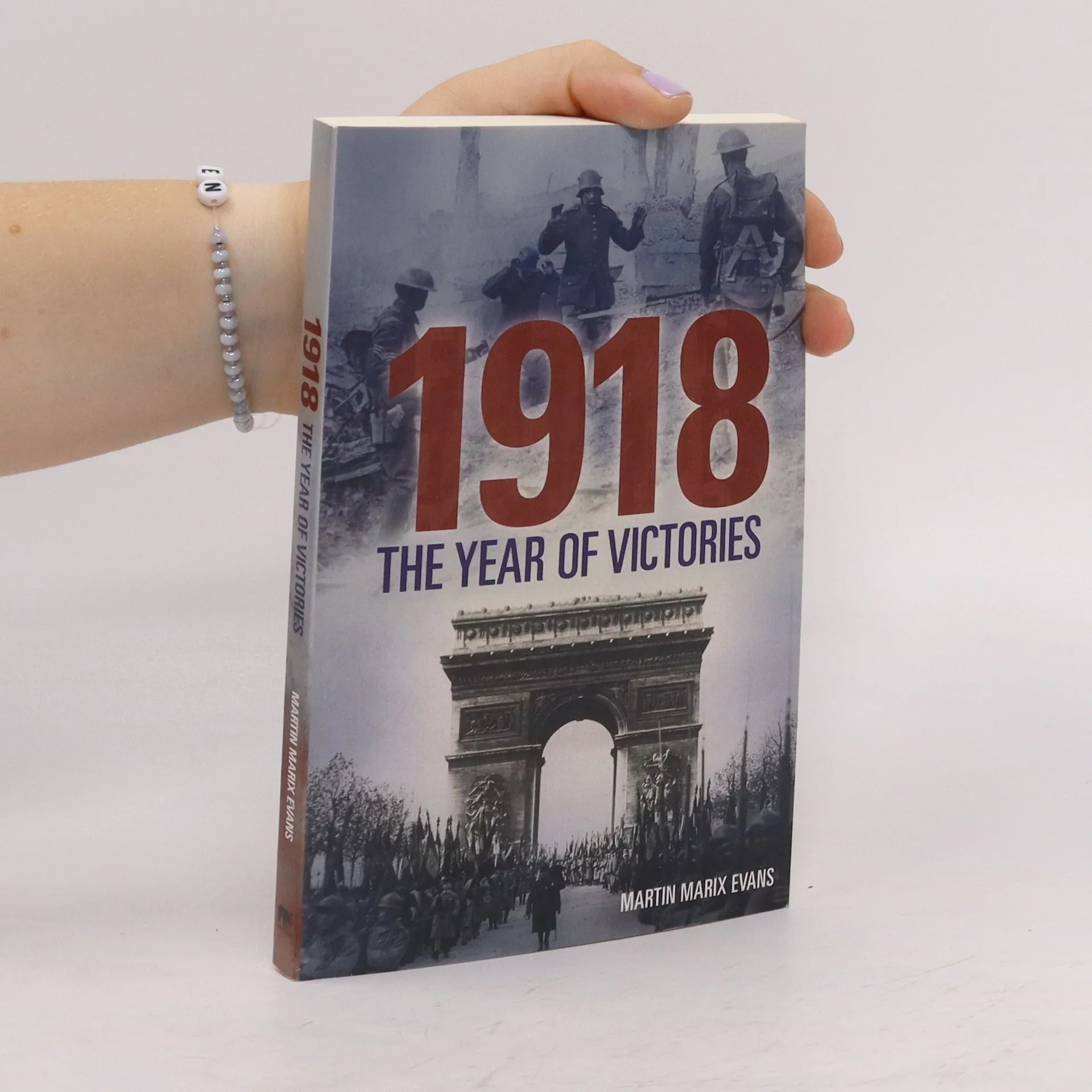
"At the outset of 1918 Germany faced certain defeat as a result of Allied technical innovation in tanks and aircraft, and the American entry into the war. Victory could only be gained by the immediate application of overwhelming force in new tactical form; the 'fire-waltz' artillery barrage and the storm-trooper infantry attack. 1918 examines both the Germans' tactics and the Allies' preferred solution to fighting this war, the combination of artillery, tanks, infantry and aircraft, and argues that this reached a level of sophistication in command and control never before achieved. The war of attrition was far from over, but as more Americans arrived in France the ghastly cost became affordable. For the Germans, it became a question of whether they could negotiate an armistice before their armies were utterly destroyed."--Amazon.com
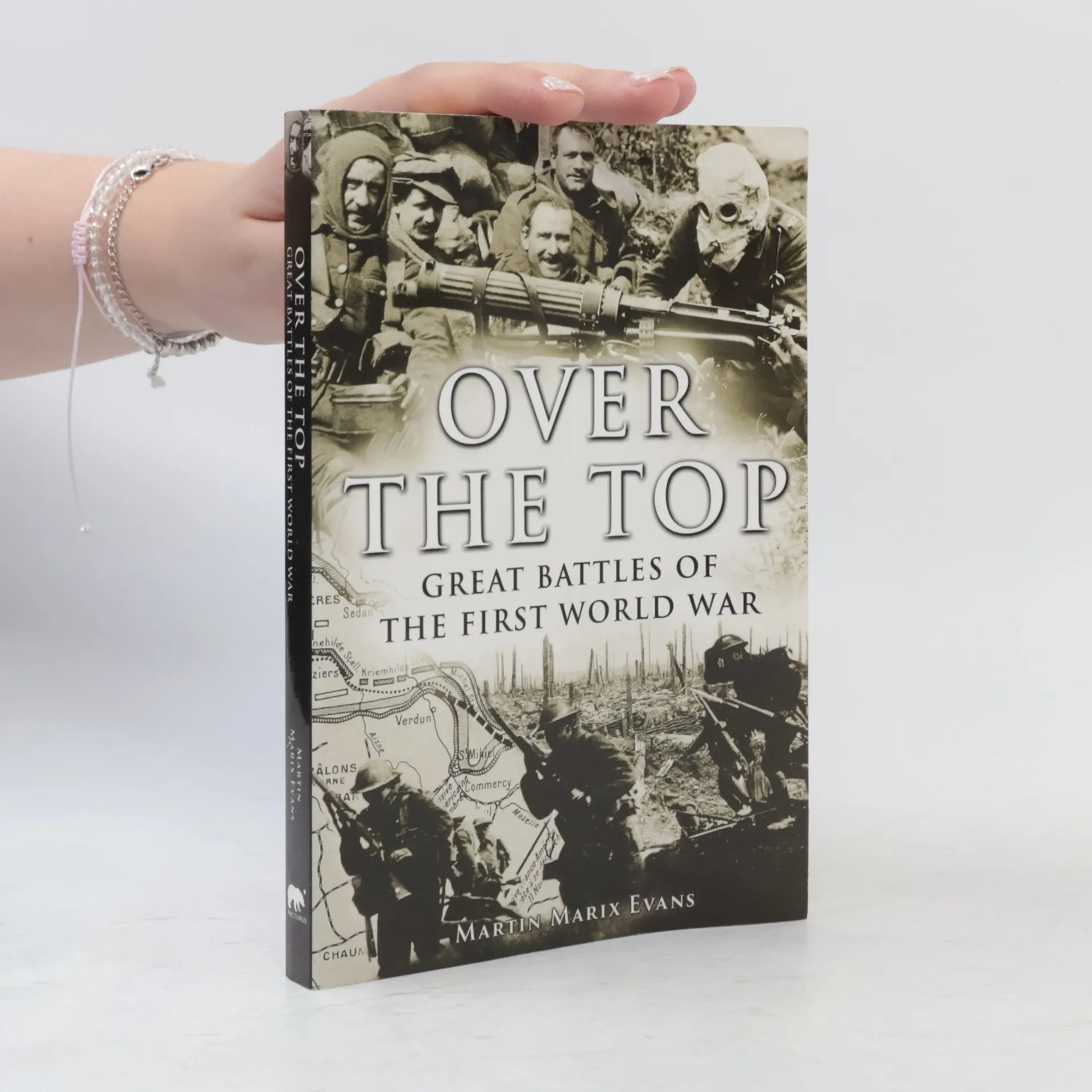
The early battles of the First World War were open, mobile affairs whose tactics had long been familiar to professional soldiers. By early 1915, however, a new type of military engagement had emerged - trench warfare.The combination of trench warfare with newly industrialized weaponry abruptly changed the logistics and psychology of warfare. The trenches of the Western Front became static theatres of war where soldiers were forced to slug it out in miserable conditions. The result was an unprecedented loss of life as military leaders continued to send their soldiers 'over the top'.Martin Marix Evans offers a fascinating insight into how soldiers and their commanders attempted to adapt to the unfamiliar and terrifying new landscape.
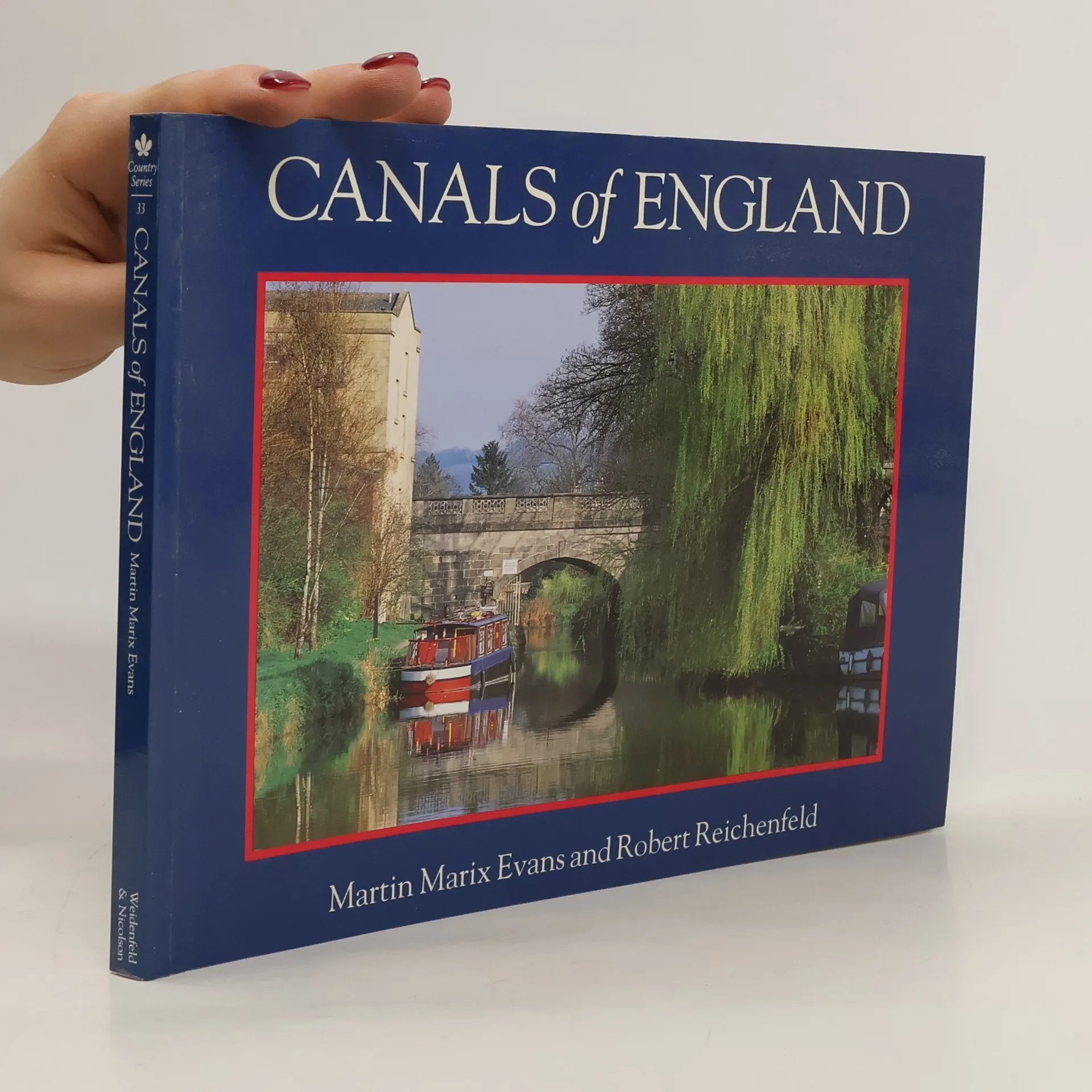
AMENDED ENTRY. Previously announced on ISBN 0297834711, weekly list no. 18, dated 5th May, 1995. An illustrated guide to the canals and waterways of England
See below for alternative language editions In this classic Pitkin Guide, enhanced with many contemporary photographs and maps, visitors and veterans can visit the beaches, landmarks, museums and cemeteries of Normandy. Look out for more Pitkin Guides on the very best of British history, heritage and travel. Dutch French German Italian Spanish