

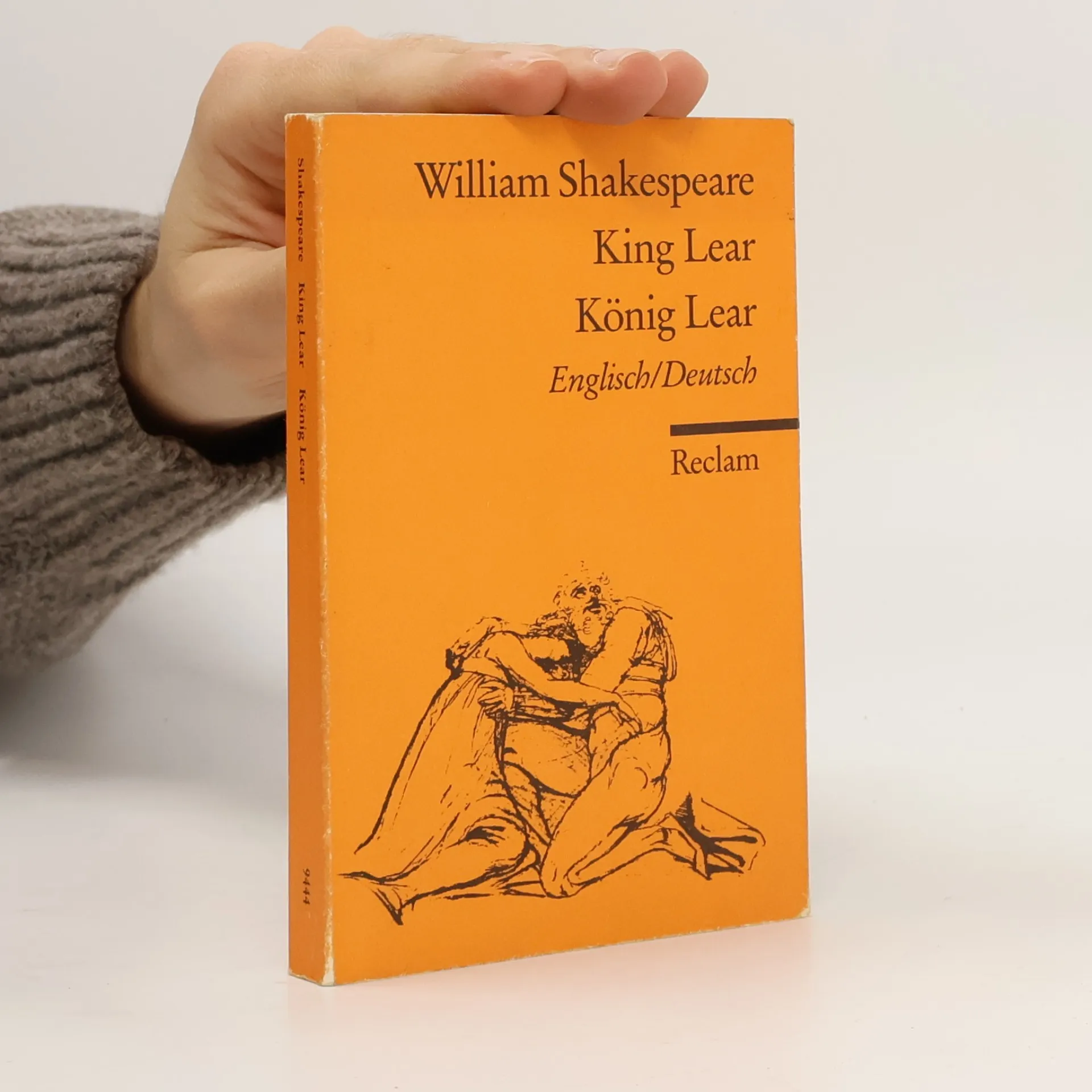
»Was ist genau die Moral des ›Lear‹? Offenbar gibt es zwei. Die eine ist die gewöhnliche, die des gesunden Menschenverstandes, wie sie der Narr ausspricht: Verzichte nicht auf Macht! Gib dein Land nicht weg! Die andere Moral ist in der Geschichte implizit enthalten: Gib dein Land weg, wenn du willst; aber erwarte nicht, dass du dadurch glücklich wirst. Wahrscheinlich wirst du nicht glücklich. Wenn du für andere lebst, musst du für andere leben und darfst dir nicht auf diese Weise hintenherum selbst einen Vorteil verschaffen wollen.« George Orwell Sprachen: Deutsch, Englisch
Stephen Orgel Bücher
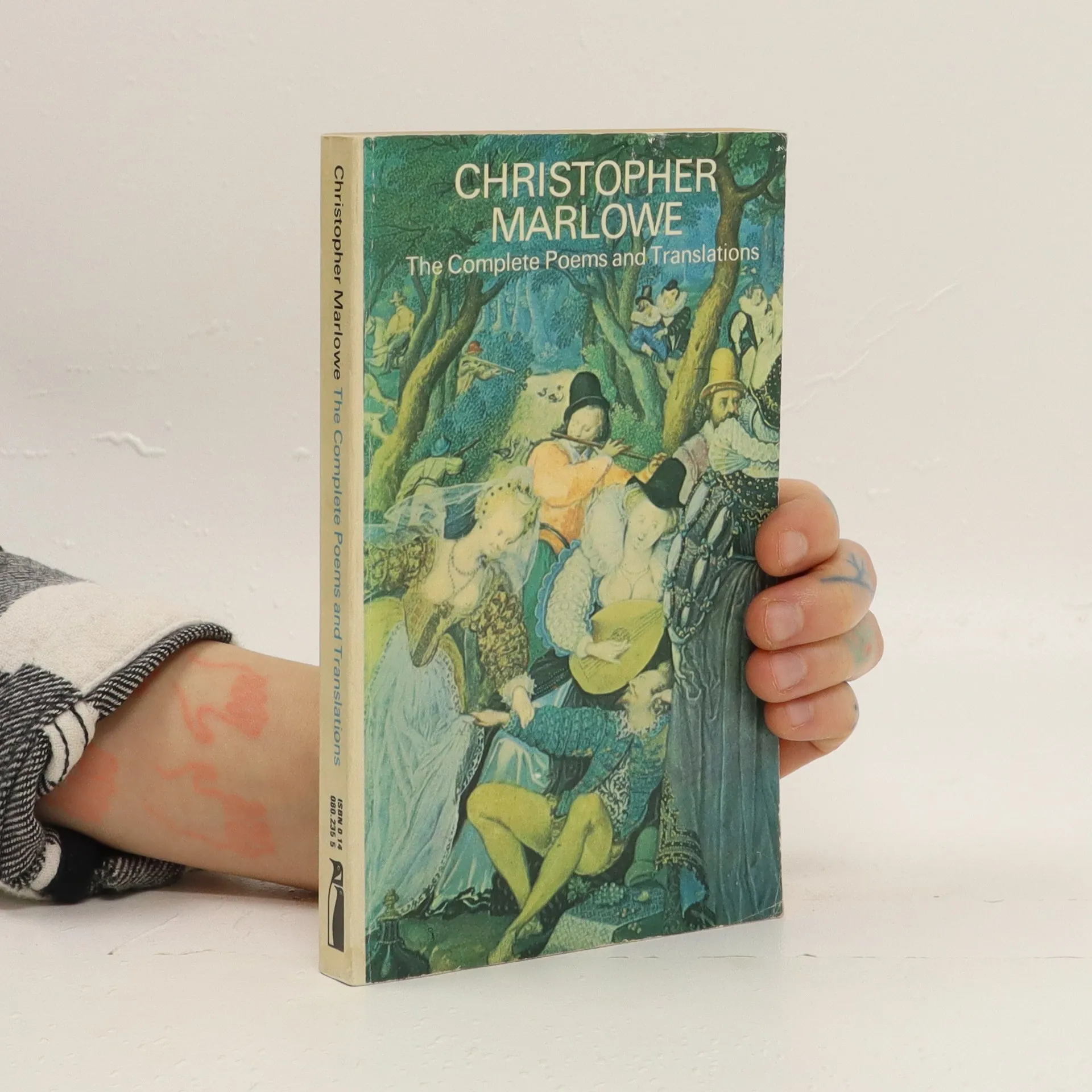
Christopher Marlowe : The Complete Poems and translations
- 283 Seiten
- 10 Lesestunden
The essential lyric works of the great Elizabethan playwright newly revised and updated Though best known for his plays and for courting danger as a homosexual, a spy, and an outspoken atheist Christopher Marlowe was also an accomplished and celebrated poet. This long-awaited updated and revised edition of his poems and translations contains his complete lyric works from his translations of Ovidian elegies to his most famous poem, The Passionate Shepherd to His Love, to the impressive epic mythological poem Hero and Leander.
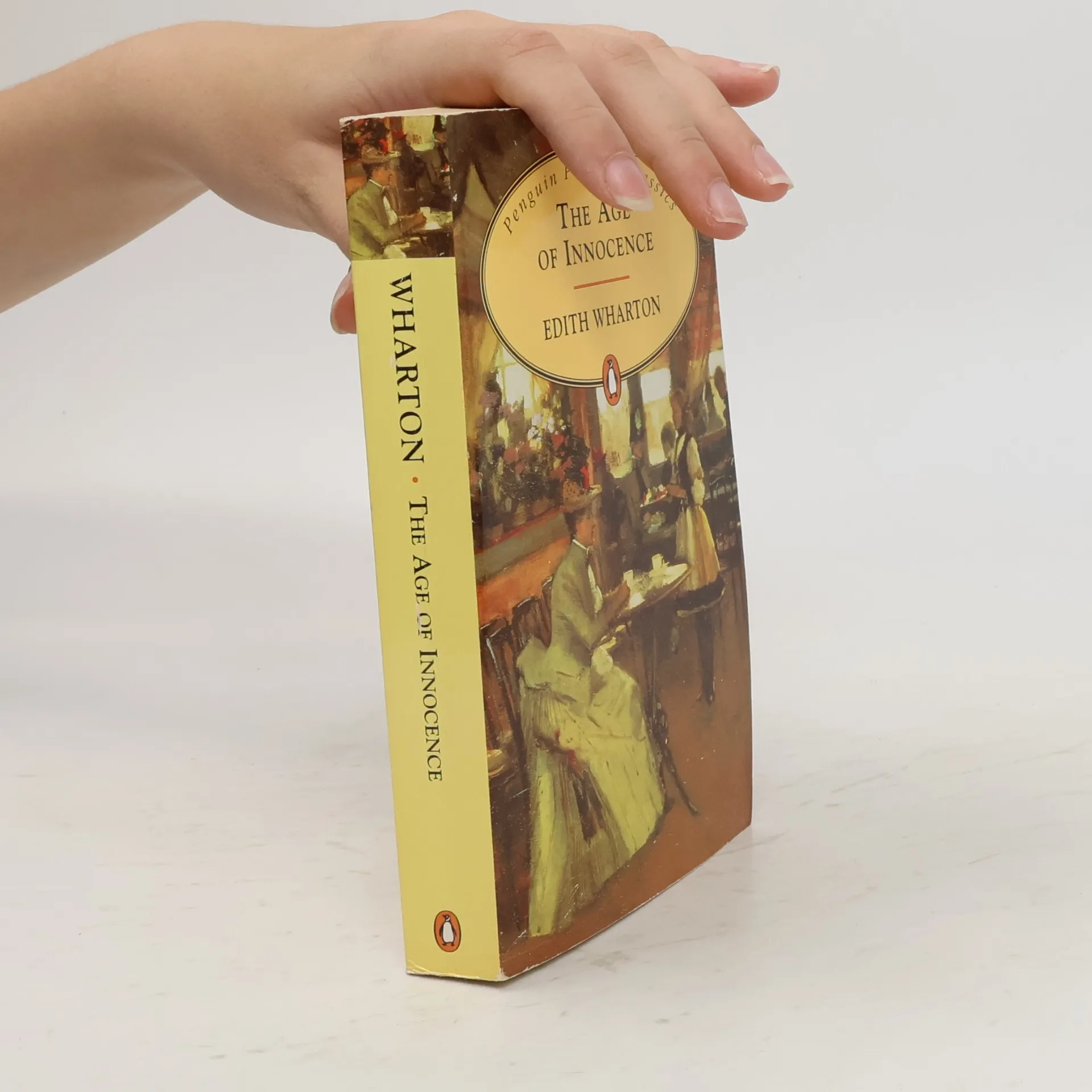
The age of innocence
- 373 Seiten
- 14 Lesestunden
Alexandre Dumas was already a best-selling novelist when he wrote this historical romance, combining (as he claimed) the two essentials of life-- l'action et l'amour. The Man in the Iron Mask climactically concludes the epic adventures of the three Musk3ateers: here, Athos, Porthos, Aramis, and their friend D'Artagnan, once invincible, meet their destinies.
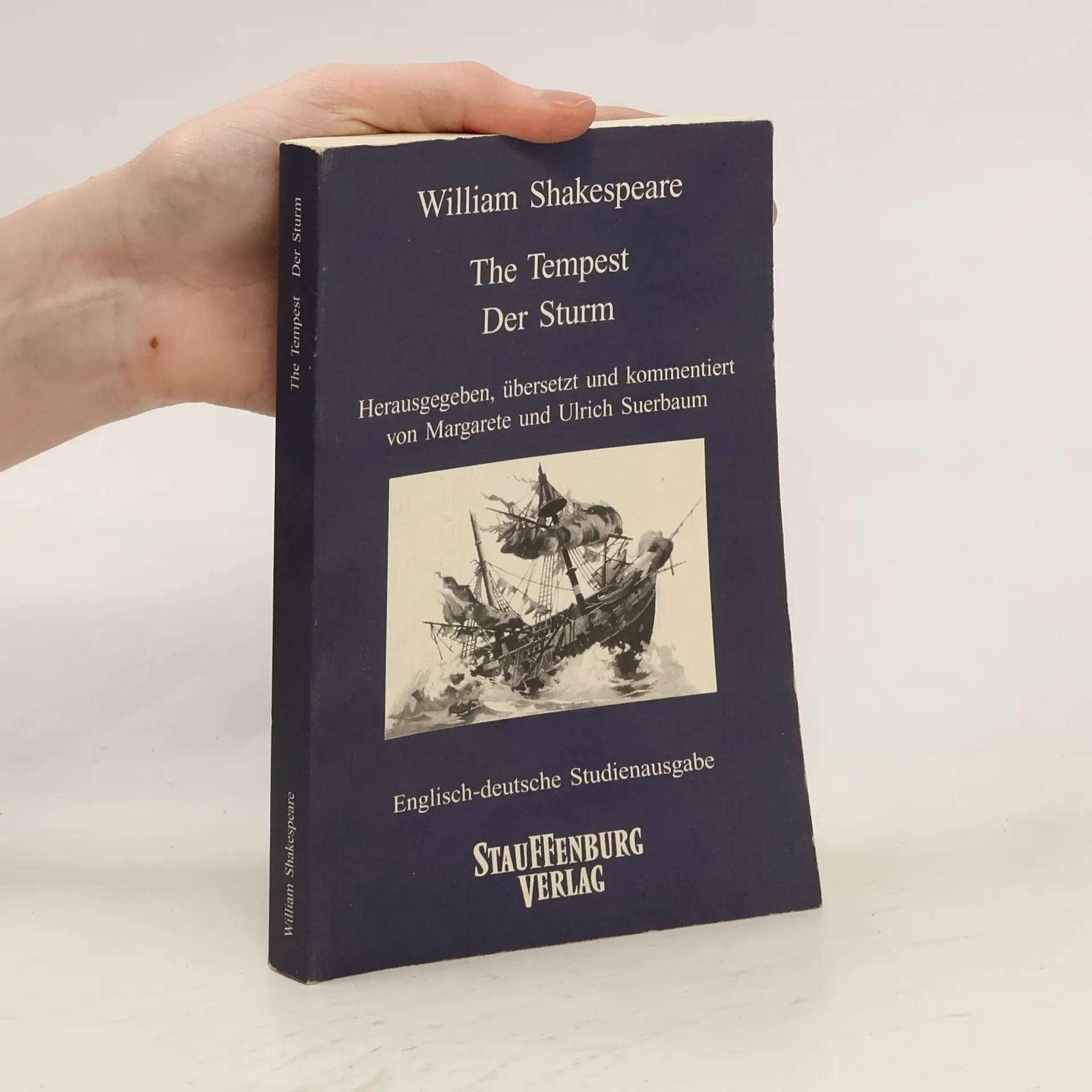
The tempest
- 231 Seiten
- 9 Lesestunden
The Tempest, die Geschichte von dem entmachteten und vertriebenen Herzog von Mailand, der im Exil auf einer Insel im Meer eine neue Herrschaft errichtet und durch Magie alle seine Feinde in seine Gewalt bringt, ist eines der faszinierendsten und vieldeutigsten Dramen Shakespeares. Es ist wechselweise als romantisches Märchen- und Zauberstück, als persönliche Abschiedsbotschaft des Dichters in seinem letzten großen Werk, als Parabel von Großmut und Vergebung und als Lehrstück über das Unrecht der Kolonialherrschaft gedeutet und inszeniert worden. Es reizt immer noch zu neuen Interpretationen und Aufführungsweisen.