
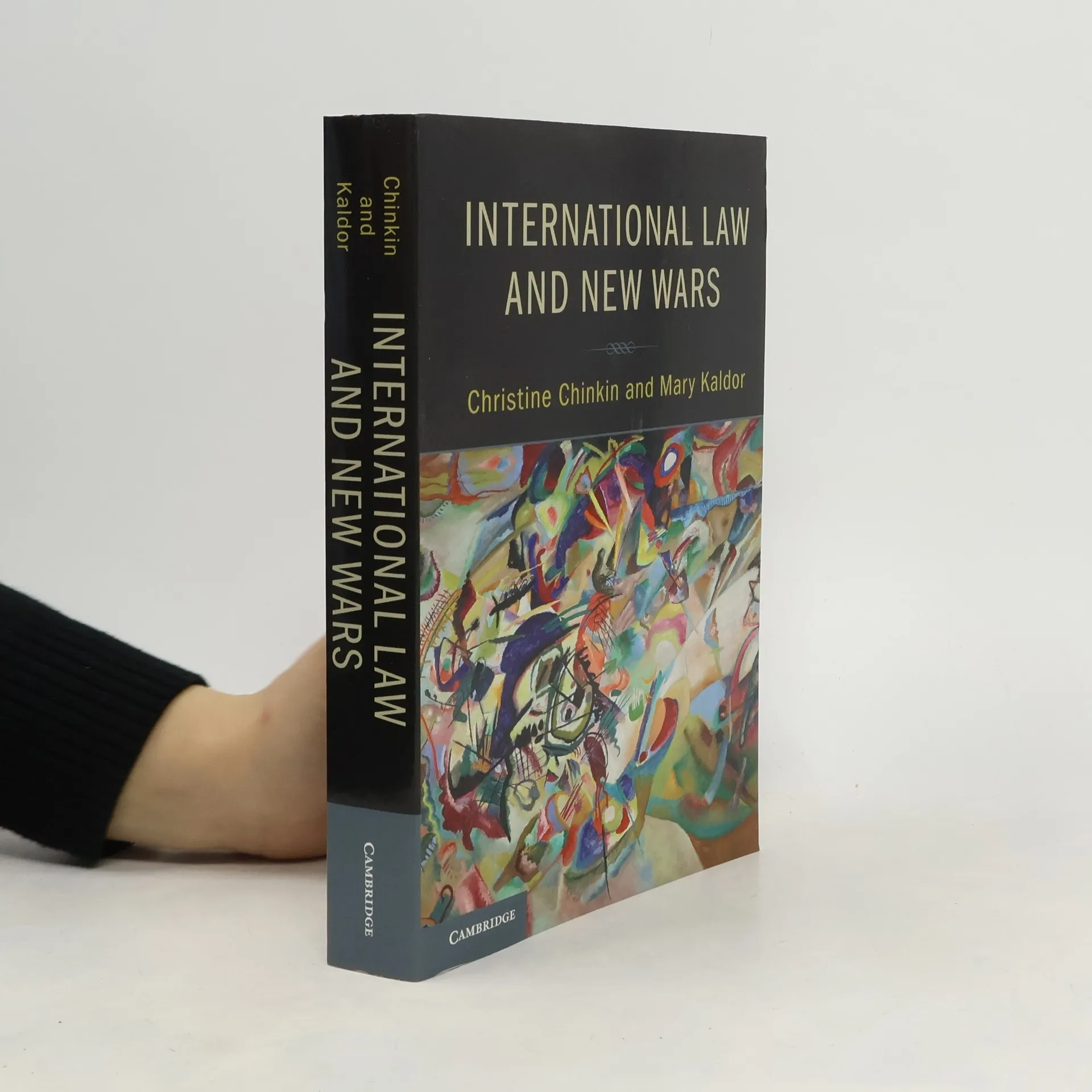
Mary Kaldor war die erste, die über „neue Kriege“ als Schattenseiten der Globalisierung nachgedacht hat. Ihr Standardwerk belegt an zahlreichen Fällen die These, daß sich seit dem Ende der achtziger Jahre in Osteuropa, auf dem Balkan, in Afrika, Südostasien und zuletzt im Irak eine neue Form organisierter Gewalt, ein neuer Typ von Krieg, herausgebildet hat. Dieser neue Krieg entsteht in Situationen, in denen sich das staatliche Gewaltmonopol aufgelöst hat und in die Hände von paramilitärischen Organisationen übergegangen ist. Sie unterscheiden sich von den alten durch ihre Ziele, die Methode der Gewaltanwendung und die Finanzierung. Ihr Ziel besteht in dem, was Mary Kaldor „Politik der Identität“ nennt: all jene zu attackieren, die nicht zur eigenen Nation, Religion, Sprachgemeinschaft oder zum eigenen Klan gehören.
Mary Kaldor Bücher
Mary Kaldors Werk befasst sich mit Globalisierung, internationalen Beziehungen und humanitärer Intervention, globaler Zivilgesellschaft und Global Governance. Sie analysiert kritisch die Natur der 'Neuen Kriege' und hinterfragt die Wirksamkeit internationaler Interventionen, insbesondere nach Konflikten wie im Kosovo. Kaldor setzt sich für kosmopolitische Demokratie ein und untersucht die Herausforderungen und Möglichkeiten globaler Regierungsführung in einer vernetzten Welt. Ihre Forschung zeichnet sich durch scharfe Einblicke in die Dynamik globaler Konflikte und die ständige Suche nach wirksameren Wegen zur Förderung von Frieden und Menschenrechten aus.


International Law and New Wars
- 612 Seiten
- 22 Lesestunden
The book explores the challenges of enforcing international law in the context of modern armed conflicts, referred to as 'new wars'. It delves into the complexities and nuances of these contemporary conflicts, highlighting how traditional legal frameworks struggle to address the realities on the ground. Through case studies and analysis, it sheds light on the implications for justice and accountability in an evolving geopolitical landscape.
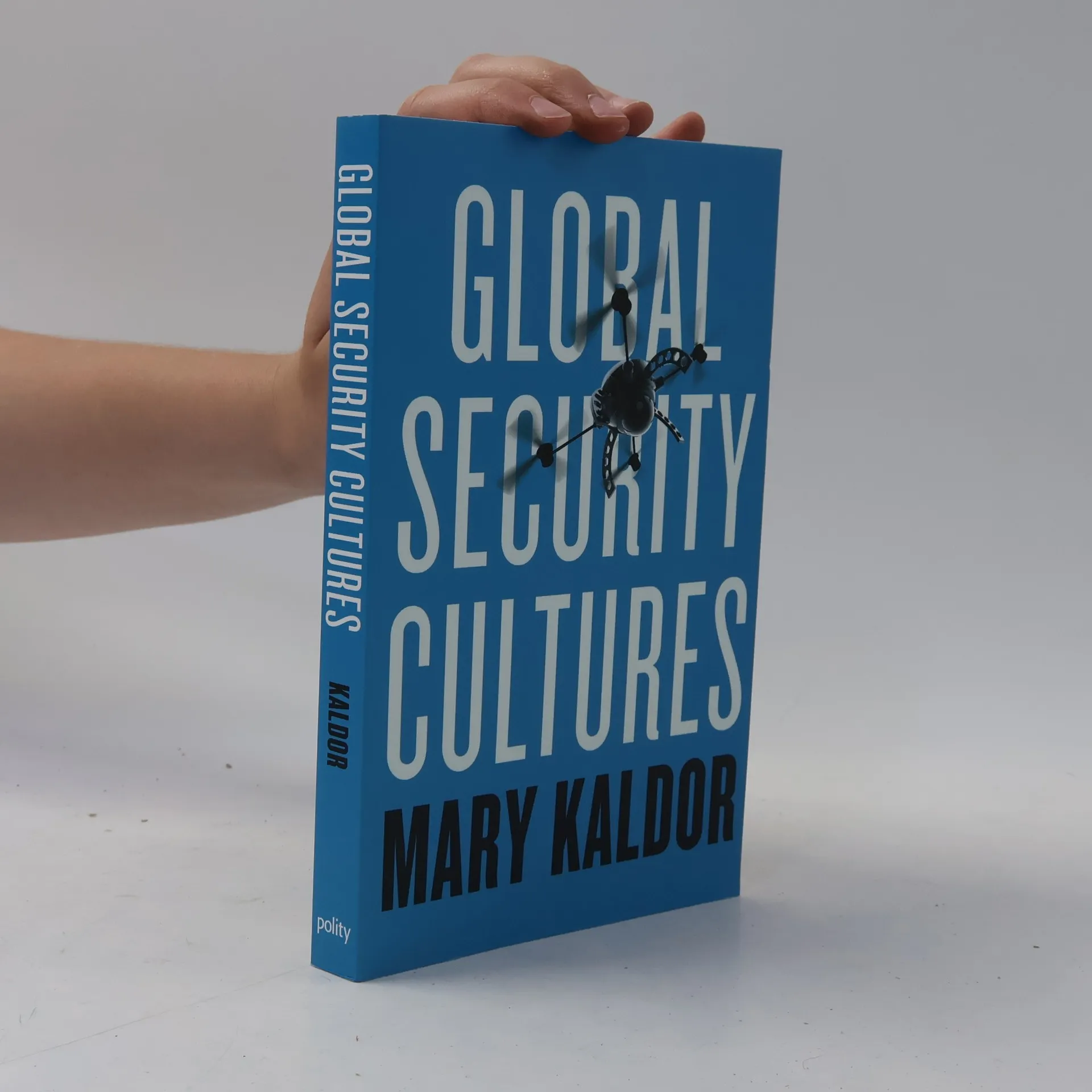
Global Security Cultures
- 224 Seiten
- 8 Lesestunden
Defining four main types - geo-politics, new wars, the liberal peace, and the war on terror she investigates how we might identify contradictions, dilemmas and experiments in contemporary security cultures that might ultimately open up new pathways to rescue and safeguard civility in the future.
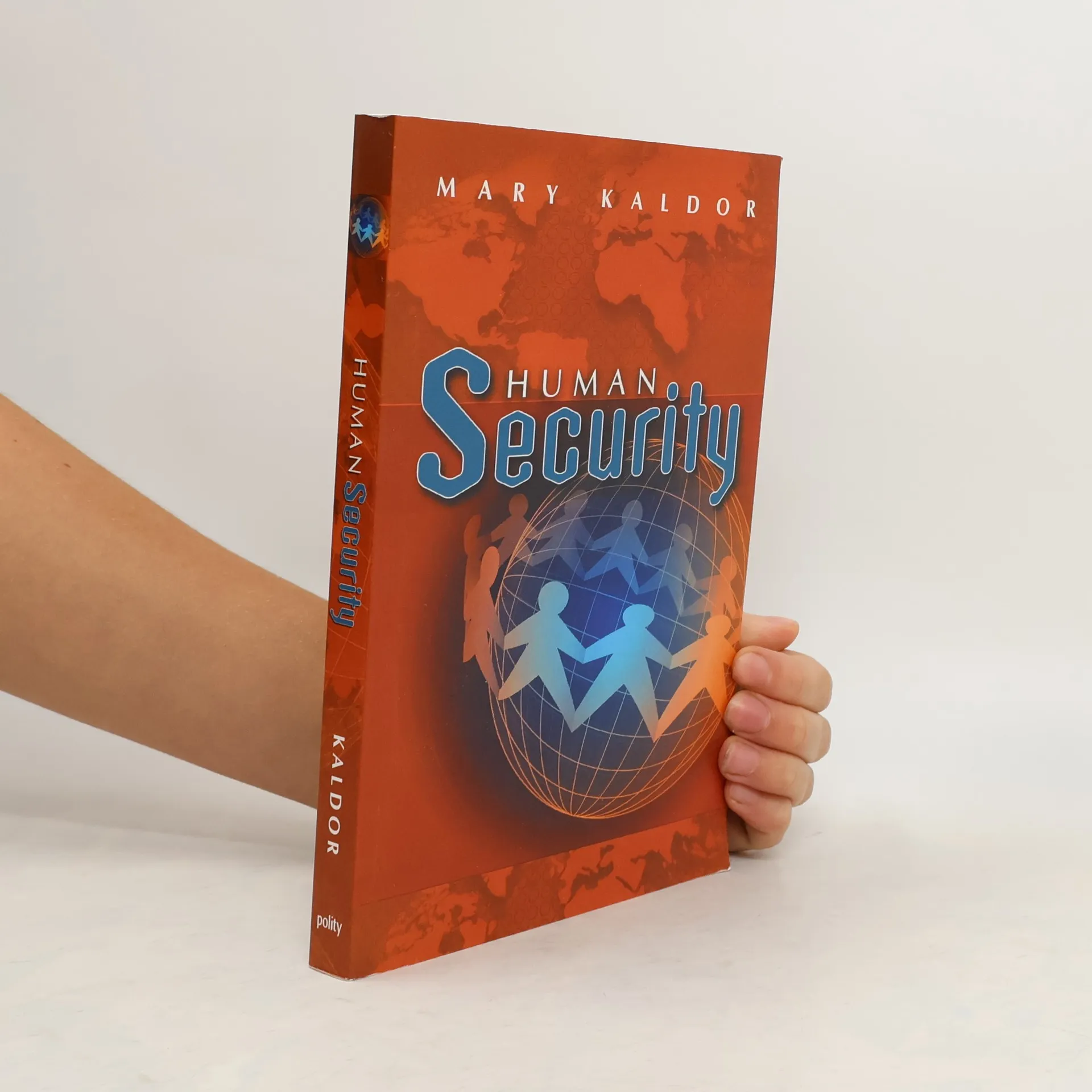
Human Security
- 240 Seiten
- 9 Lesestunden
This book is an exploration of the security gap in the world today. It makes the case for a new approach to security based on a global conversation- a public debate among civil society groups and individuals as well as states and international institutions.
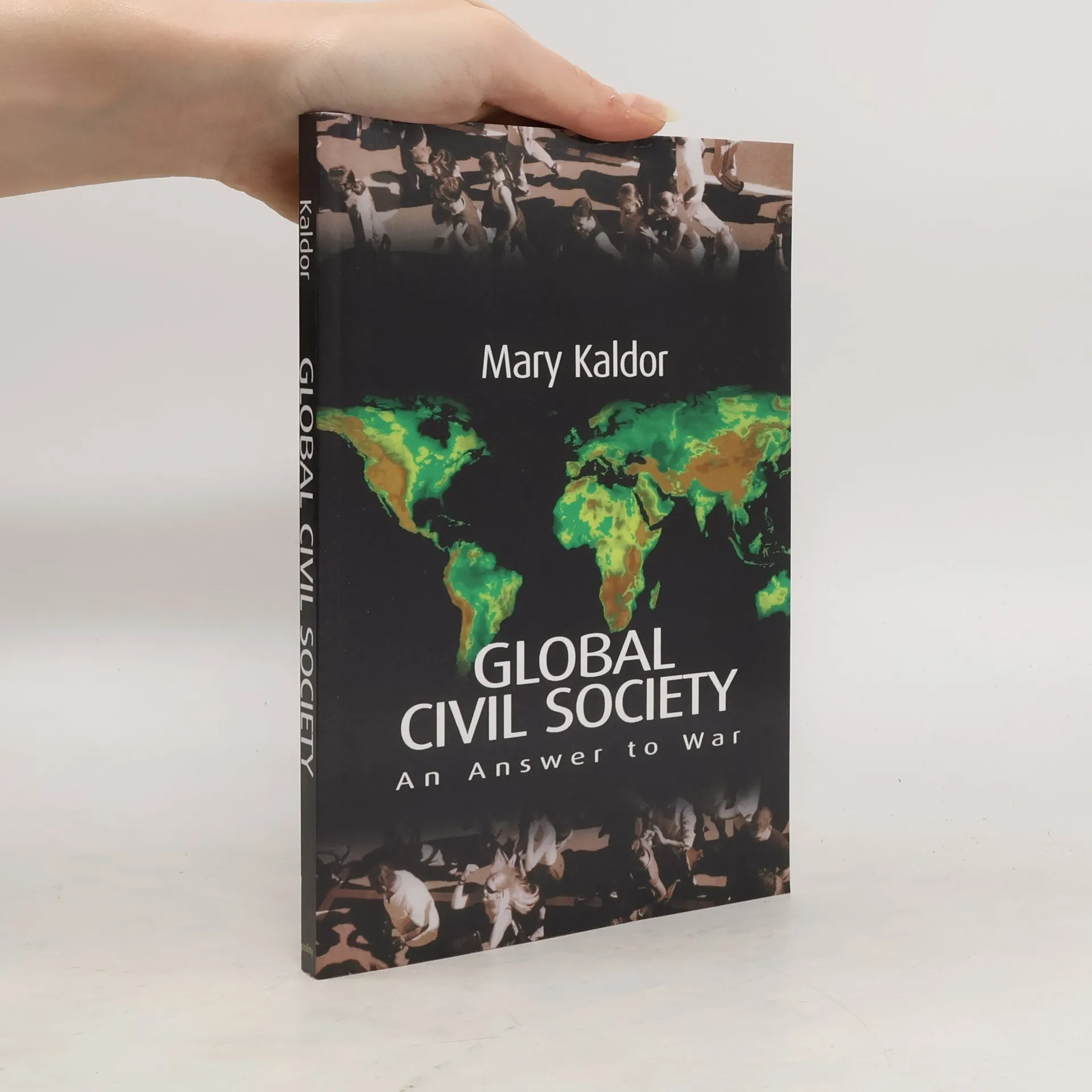
Global civil society : an answer to war
- 200 Seiten
- 7 Lesestunden
The terms 'global' and 'civil society' have become integral to contemporary political discourse. In this significant work, Mary Kaldor explores the reinvention of civil society within the context of globalization. Civil society now transcends national borders, enabling various groups—such as dissidents in oppressive regimes, landless laborers in Central America, and campaigners against global issues—to connect and address their concerns to both national governments and global institutions. This interconnectedness presents new opportunities for human emancipation and offers alternatives to war in managing global affairs, but it also introduces new risks and insecurities. Kaldor examines a political idea that emerged from the 1989 revolutions, reflecting a real phenomenon that is continually redefined. By studying past debates alongside current actions and arguments, readers can influence this evolving phenomenon and contribute to a potentially better reality. This exploration is particularly urgent in the wake of September 11. The work will resonate with students of politics, international relations, and sociology, as well as activists, policy-makers, journalists, and anyone involved in global public discussions.
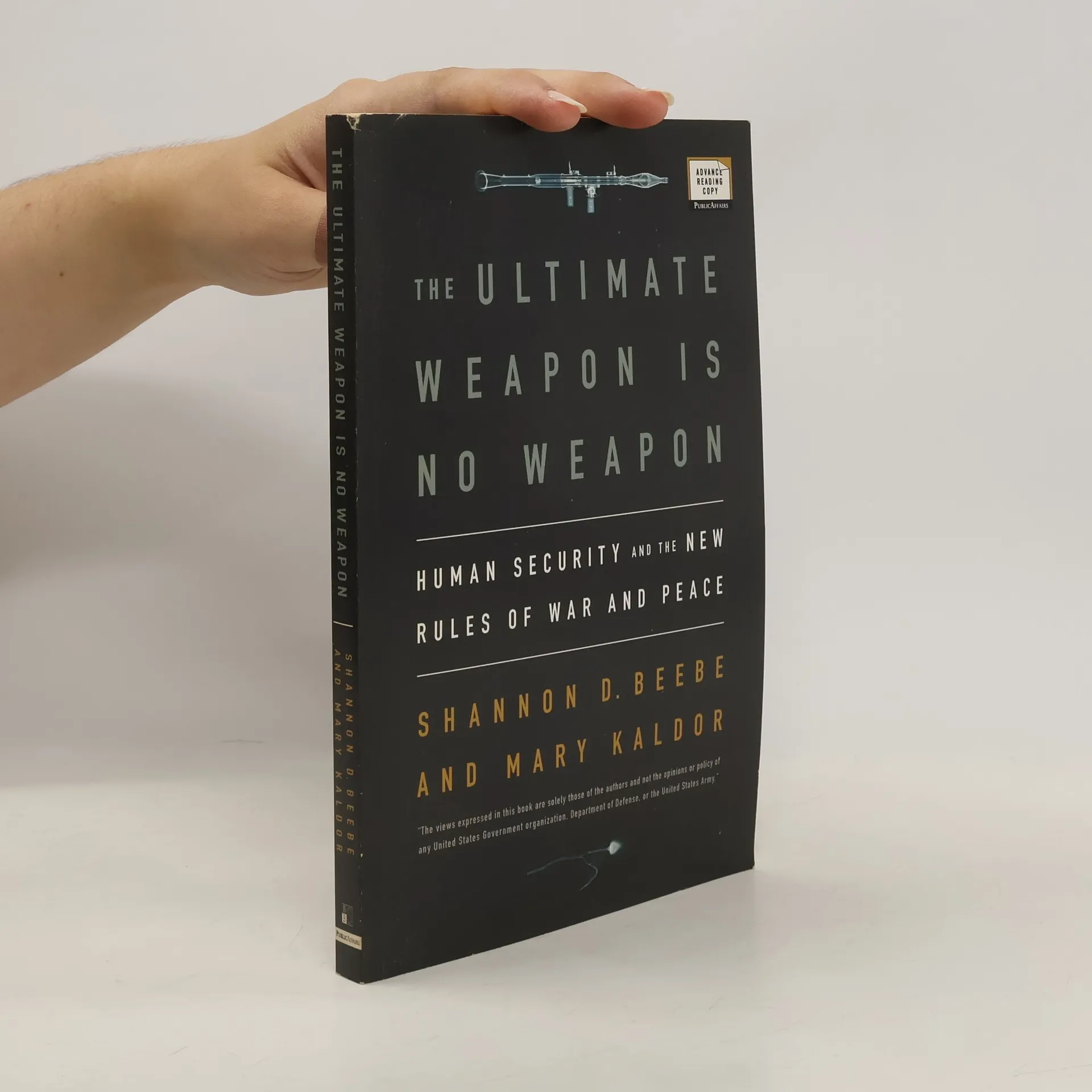
The Ultimate Weapon is No Weapon
Human Security and the New Rules of War and Peace
- 238 Seiten
- 9 Lesestunden
The twenty-first century has seen millions unemployed. It has seen livelihoods undermined by environmental degradation. Middle-class cities in Europe, Asia, and Africa have become cauldrons of violence and resentment. Tribalism, ethnic nationalism, and religious fundamentalism have flared dangerously, from Russia to Spain. The use of force is unlikely to help. What works when counter-insurgency has run its in Iraq, Afghanistan, Pakistan, and beyond? In this book, two authors brought together from distant points on the political spectrum by their concerns about the repercussions of violent political conflict on human lives, explain and explore a new idea for stabilizing the dangerous neighborhoods of the world. They challenge head-on Condoleezza Rice's declaration that “it is not the job of the 82nd Airborne Division to escort kids to kindergarten” contending that, in fact, it should be. When marginalized populations are trapped in poverty and lawlessness and denied political power and justice brutality, and fascism thrive. Human security is a new concept for clarifying what peace requires and the policies and priorities by which to achieve it.
As evidenced by the immense global mobilization against the war on Iraq, which arguably influenced the actions of government leaders, global civil society is now established as a major player on the international stage. This yearbook is the standard work on the topic.
