
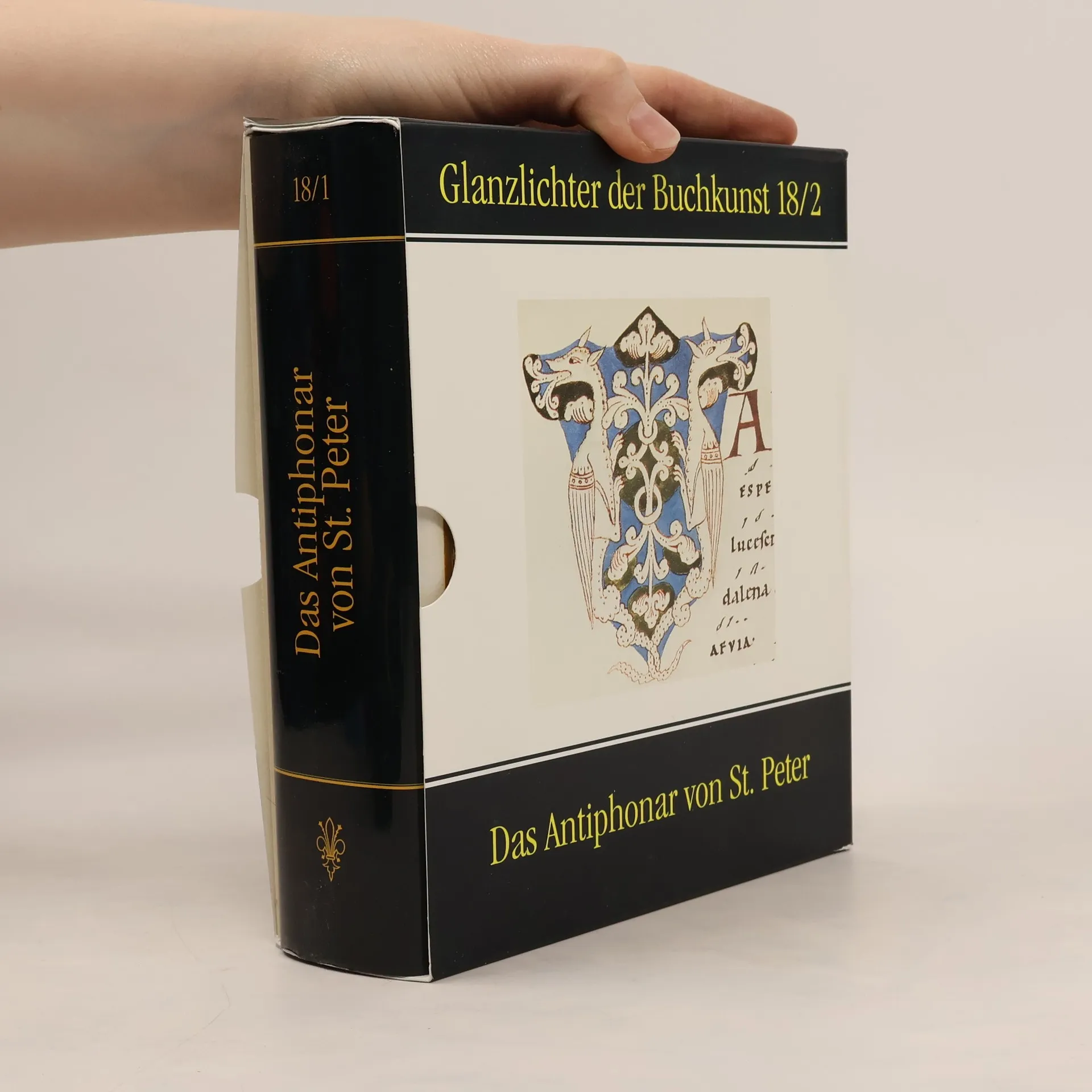
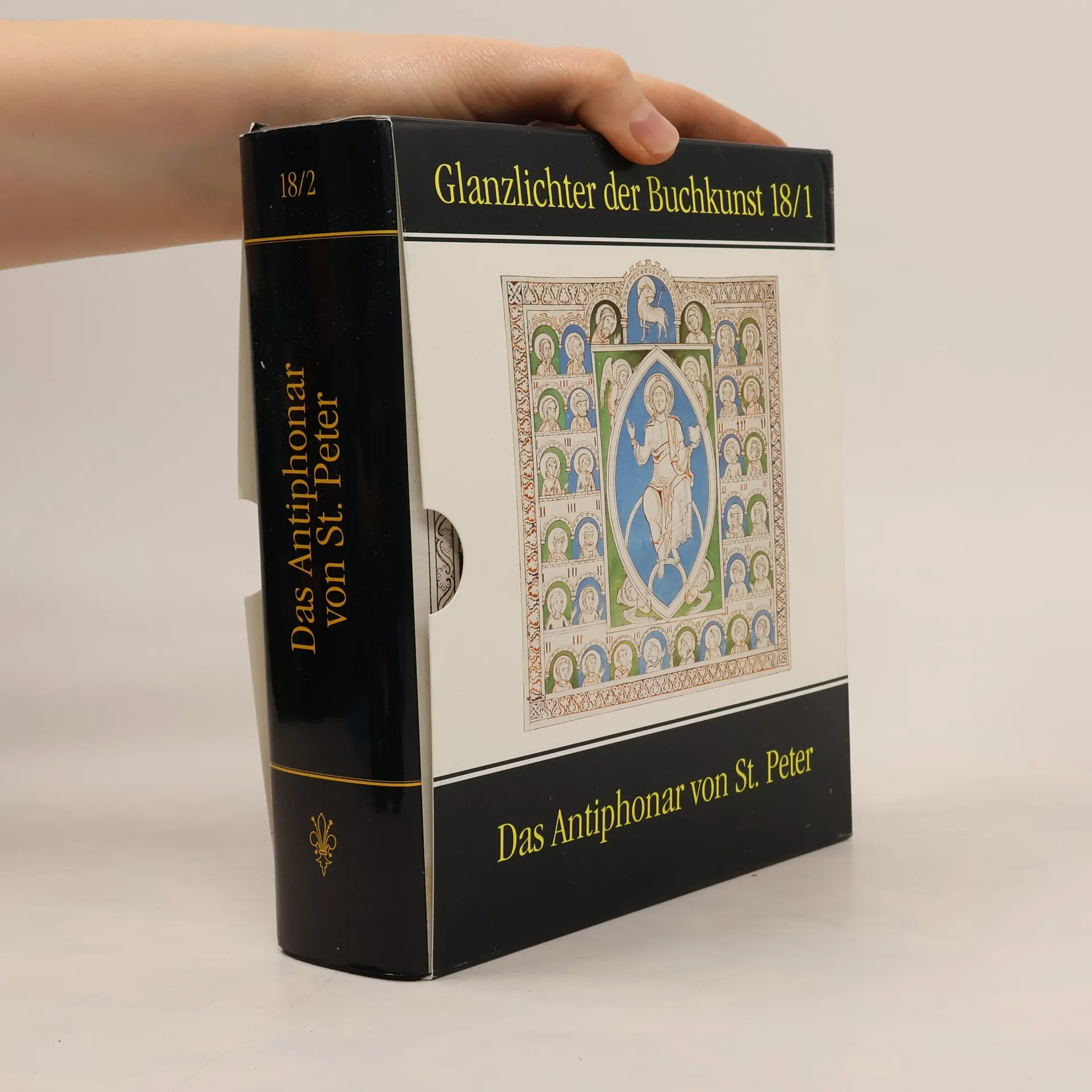
Glanzlichter der Buchkunst - 18/2: Das Antiphonar von St. Peter
- 578 Seiten
- 21 Lesestunden
This entry was not generated because no author was provided.


We all have questions and the Catechism of the Catholic Church is here to help us answer them, enabling us to grow and to learn on our journey of faith. This new hardback edition from CTS bring together affordability, simplicity and elegance to make the gift of the Catechism accessible to everyone. So what's different? Brings the language of the Catechism into line with the latest liturgical translations to ensure a seamless connection between the Church’s teachings and liturgy New clearer and more attractive layout makes this edition much easier to read and to navigate. Click here then select 'see inside' to read a preview! Improved indexing and navigational tools make it simple to find what you need Available in two beautiful, durable and affordable editions
The first edition of the new Catechism went out across the world in many language versions. This gave the local Churches the chance to study it in depth. Through their bishops and teachers they responded with comments on texts that needed refinement. The present edition was developed in the light of these comments and published in Latin as the definitive Editio Typica. This book is the English translation of the Editio Typica.
The Joy of the Gospel, Evangelii Gaudium, is the long-awaited teaching of Pope Francis on the proclamation of the Gospel. Pope Francis is calling upon the Church and the world with encouragement to begin a new chapter inevangelization. This dynamic document is written in the plain, everyday language for which the pope has become famous. I invite all Christians, everywhere, at this very moment, to a renewed personal encounter with Jesus Christ, or at least an openness to letting him encounter them; I ask all of you to do this unfailingly each day, Pope Francis wrote in the opening of the document.
This collection offers a rich tapestry of two thousand years of the Church's most profound devotions, featuring prayers from Saints that delve into the essence of the Holy Trinity and the Redemptive Sacrifice. It serves as a guide for prayer, aiming to transform contemporary spiritual attitudes to align with divine will, fostering a deeper connection to the Communion of Saints. The beautifully retypeset format enhances the experience, making these timeless prayers accessible and impactful for modern readers.
Das Antiphonar von St. Peter in Salzburg, um 1160 unter Abt Heinrich I. im Skriptorium des Klosters entstanden, ist eine Handschrift von außergewöhnlicher Größe (43,3 x 31 cm) und Umfang (846 Seiten). Seine künstlerische Ausstattung zählt zu den großartigsten Werken der liturgischen Schreib- und Miniaturkunst des Mittelalters. Es enthält ganzseitige und halbseitige Miniaturen in Deckfarbenmalerei auf goldenem Grund sowie Zierseiten mit prunkvollen Initialen auf Purpurgrund. Ein prächtiges Kalendarium, großformatige Federzeichnungen und über 400 Zierinitialen strukturieren die Texte, die die liturgischen Gesänge und Sequenzen für kirchliche Hochfeste umfassen. Die Neumen, eine Notenschrift des frühen Mittelalters, geben die melodischen Linien und deren Interpretation grafisch wieder. Die sorgfältige Ausführung in Minuskel, Unziale und Kapitalis sowie die Neumen des St. Galler Typs machen das Antiphonar zu einer wertvollen Quelle für liturgiewissenschaftliche, paläographische und musikwissenschaftliche Forschung. Seine herausragende Bedeutung liegt in dem Buchschmuck, der Einflüsse aus dem gesamten christlichen Kulturbereich, sowohl aus dem Westen als auch aus Byzanz, aufgreift und zu einem eigenen Stil weiterentwickelt. Im Salzburger Skriptorium entstand so ein Hauptwerk der europäischen Buchmalerei des Hochmittelalters.