What is the purpose of a business? In what ways does a business create value and whom does it really serve? This book shows business leaders how to assess a company's performance, adopt a socially responsible approach to doing business and embark on a path of long-term growth.
You don't need to be a high-profile social activist to effect positive social change. How to Make the World a Better Place, in this updated and expanded edition, shows how just one person can make a difference in solving global, national, and local problems. Whether you're interested in feeding the hungry, protecting the environment, helping the homeless, or making your community a safer place to live, you'll find the means to get started in this book. Each chapter alerts you to problems that require attention, explains the issues and what has to be done about them, tells you specifically what you can do to help, and lists the addresses and phone numbers of organizations that you can contact. The twenty-fifth anniversary of Earth Day finds us all more socially and environmentally conscious than ever before. All it takes for you to make a difference is one first step—this book gives you the advice, the encouragement, the information, and the resources you need to take it. Then, instead of simply thinking about the world's problems, you'll be solving them.
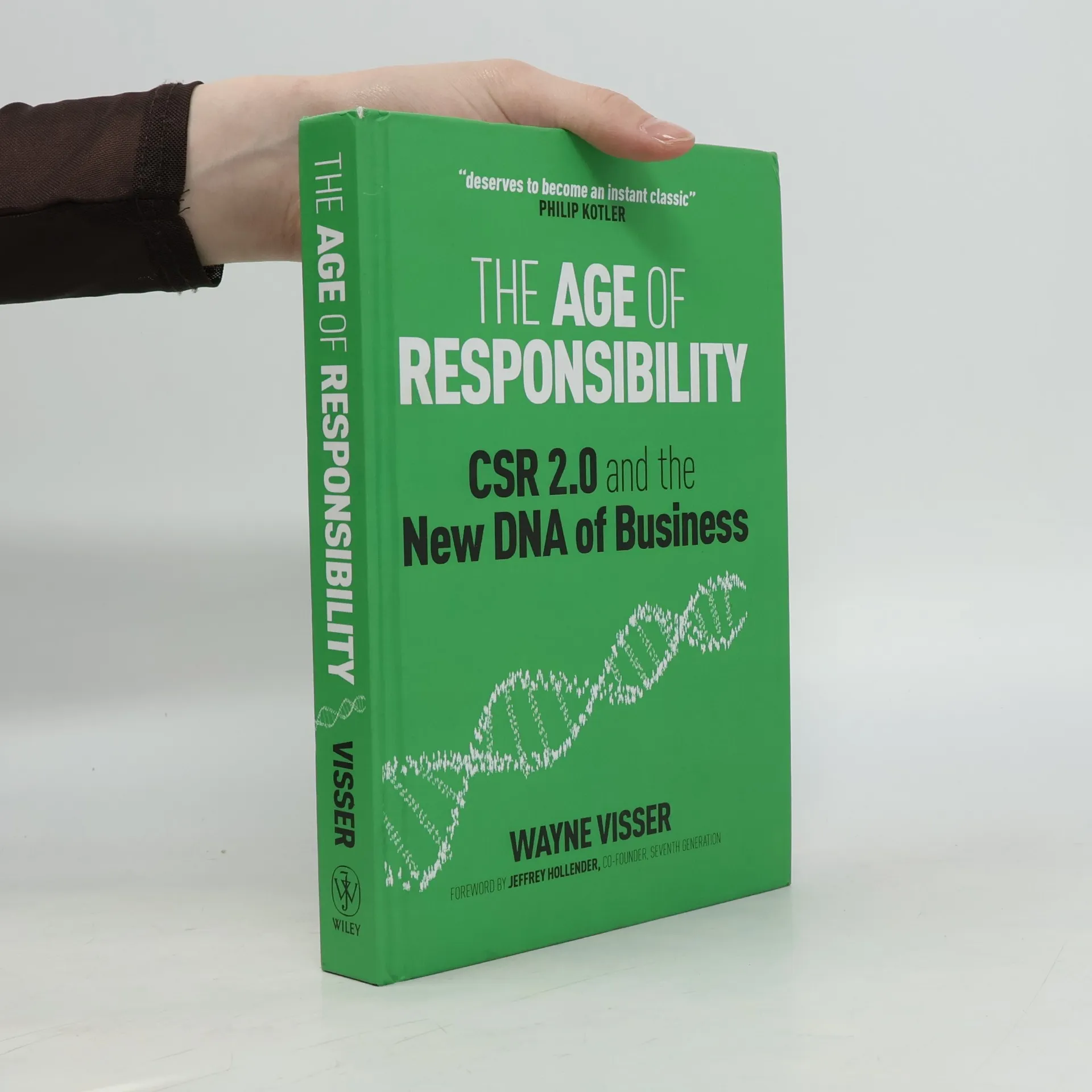
Praise for The Age of Responsibility Wayne Visser's The Age of Responsibility elegantly and persuasively demonstrates the limits and failures of traditional CSR and also the kinds of reforms needed to create conditions for genuine corporate responsibility.
This work presents a pragmatic business model for sustainability, detailing eight steps that encompass everything from exploring a vision to implementing strategies and fostering innovation, supported by case studies. While many recent publications advocate for sustainable practices, few delve into the specifics. Authors Francisco Szekely and Zahir Dossa argue for a shift from the conventional business case for sustainability to a comprehensive sustainable business model. They emphasize that organizations should focus on addressing societal needs rather than merely minimizing harm for profit. Profitability should be seen as a means to support sustainability rather than an end goal. The authors tackle challenges organizations face in pursuing sustainability, dedicating each chapter to one of the eight steps, presenting relevant dilemmas, and providing a strategic framework grounded in theory. Case studies from companies like Tesla Motors, Patagonia, TOMs, and Panera illustrate these dilemmas and highlight key findings. Leadership is emphasized as crucial, with a focus on leaders who challenge the status quo, inspire others, and embrace risk-taking as vital for achieving sustainable business practices.