

Jeff Gothelf Reihenfolge der Bücher (Chronologisch)


Outcomes Over Output
Why Customer Behavior Is the Key Metric for Business Success
- 76 Seiten
- 3 Lesestunden
In the old days, when we made physical products, setting project goals wasn’t that hard. But in today’s service- and software-driven world, “done” is less obvious. When is Amazon done? When is Google done? Or Facebook? In reality, services powered by digital systems are never done. So then how do we give teams a goal that they can work on?Mostly, we simply ask teams to build features—but features are the wrong way to go. We often build features that create no value. Instead, we need to give teams an outcome to achieve. Using outcomes creates focus and alignment. It eliminates needless work. And it puts the customer at the center of everything you do.Setting goals as outcomes sounds simple, but it can be hard to do in practice. This book is a practical guide to using outcomes to guide the work of your team. "Josh’s crisp volume brims with insight about how to fly at just the right level - the level of outcomes. If you’ve ever wondered how M your MVP should be, or how to get more R in your OKRs, this book will help." - Nick Rockwell, CTO, NY Times
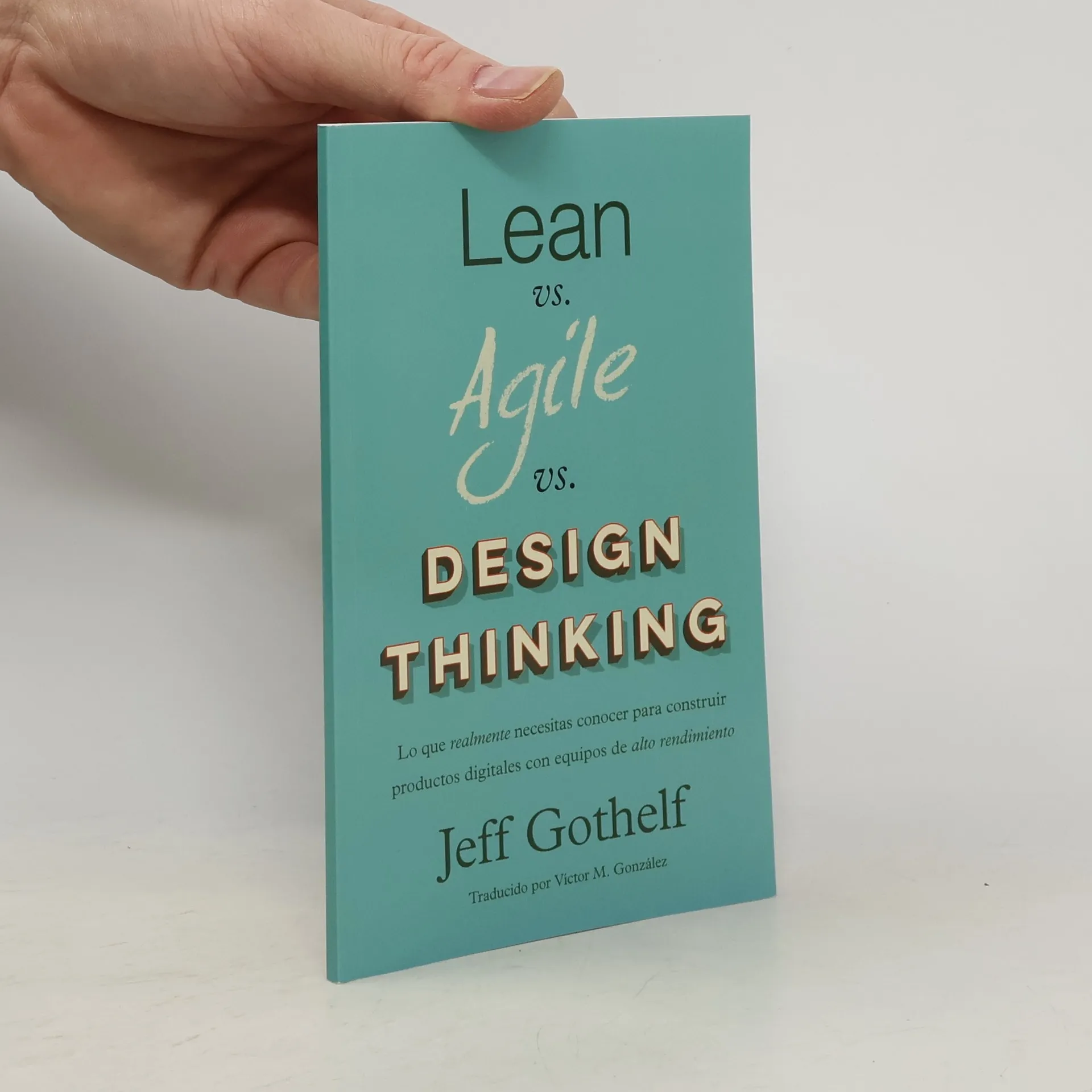
Lean vs Agile vs Design Thinking
Lo que realmente necesitas conocer para construir productos digitales con equipos de alto rendimiento
- 64 Seiten
- 3 Lesestunden
A medida que las empresas evolucionan para adoptar, integrar y aprovechar el software como elemento clave de su exito en el siglo XXI, una serie de procesos y metodologias compiten por la atencion de sus equipos de productos. En muchos casos, cada disciplina representada en esos equipos -produccion de productos, ingenieria de software y diseno- aprende un modelo diferente. Este breve libro tactico reconcilia las diferencias percibidas en Lean Startup, Agile y Design Thinking, centrandose no en rituales y practicas sino en los valores que sustentan los tres metodos. Escrito por Jeff Gothelf, autor del galardonado libro Lean UX, y el libro Sense & Reponse, las tacticas de este libro provienen de anos de experiencia practica en el liderazgo de equipo y en companias de coaching y mentoring que van desde Pequenas empresas de nueva creacion. Si usted es un gerente de producto, ingeniero de software, disenador o lider de equipo, encontrara en este libro herramientas practicas que son inmediatamente aplicables a las actividades diarias de su equipo.
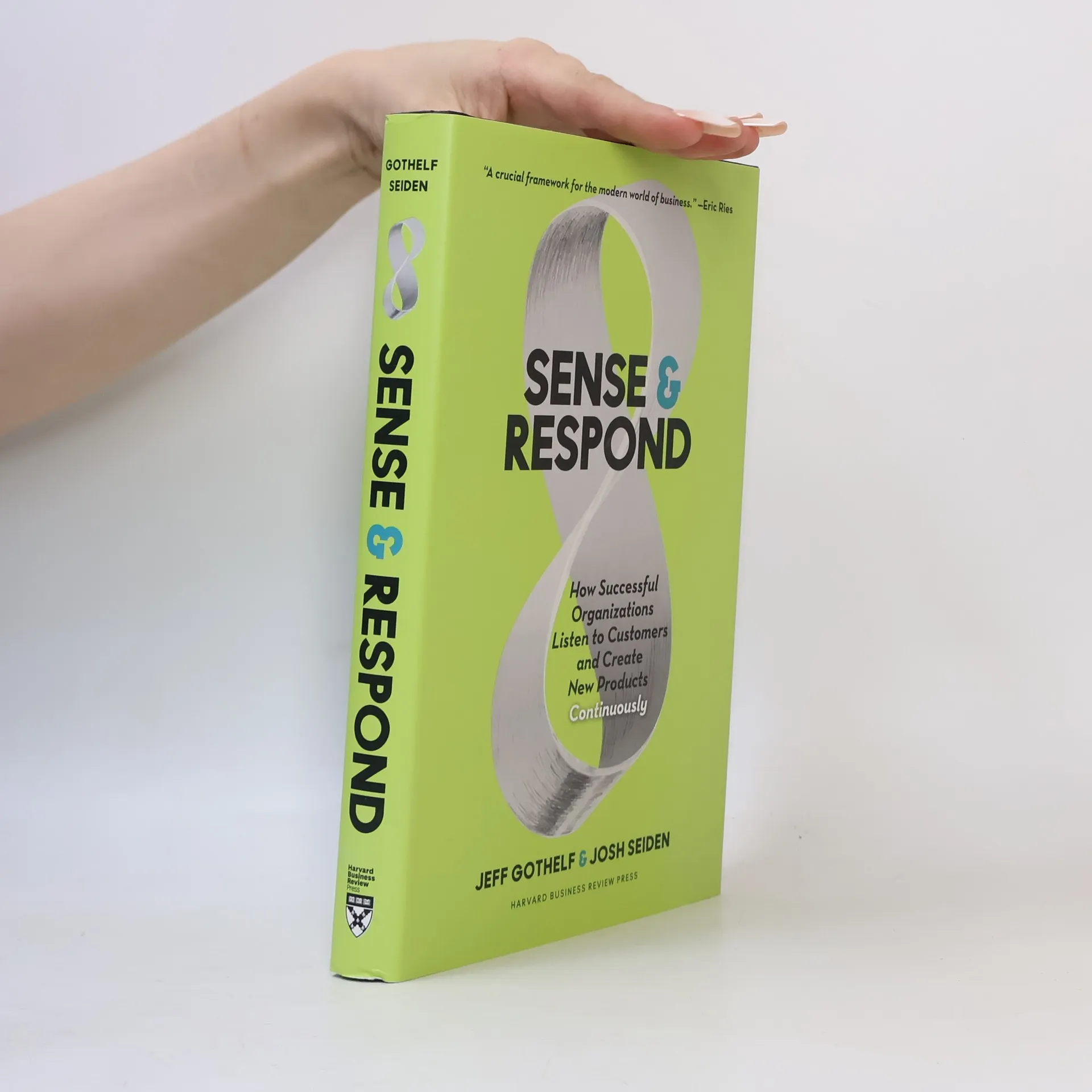
Sense and Respond
- 253 Seiten
- 9 Lesestunden
We are experiencing a revolution driven by rapid technological advancements that allow organizations to observe and measure behavior in real time, communicate swiftly, and innovate continuously. These changes are reshaping how companies engage with customers, employees, and stakeholders. However, many organizations are lagging, clinging to outdated operational models based on traditional engineering principles. They continue to structure teams and manage people as they always have, which is becoming a significant operational challenge. Emerging are "sense and respond" organizations, capable of instantly reacting to the behaviors of customers and stakeholders. In this context, the authors, leading tech experts and founders of the Lean UX movement, illustrate how these organizations function and the new mindset and skills required for effective leadership and management. Transitioning to a sense and respond model involves moving from output management to "outcome-focused management," forming self-guided teams adept at navigating a dynamic environment, fostering a culture of continuous learning to understand evolving customer behaviors, and developing universal skills in customer listening and response across the organization. This practical guide offers a comprehensive operational and management framework to help organizations thrive in a technology-driven world.
Lean UX
- 256 Seiten
- 9 Lesestunden
UX-Design war traditionell lieferungsorientiert. Wireframes, Site-Maps, Flussdiagramme, Inhaltsinventare, Taxonomien und Mockups prägten die Praxis in ihrer Anfangszeit. Im Laufe der Zeit hat dieser lieferungsintensive Prozess jedoch dazu geführt, dass UX-Designer sich auf die Erstellung von Deliverables konzentrieren. Viele werden nun an der Tiefe und Breite ihrer Deliverables gemessen und entlohnt, anstatt an der Qualität und dem Erfolg der von ihnen gestalteten Erfahrungen. Designer sind zu Experten für Dokumentation geworden, bekannt für die Qualität der von ihnen erstellten Dokumente, anstatt für die Enderfahrungen, die entworfen und entwickelt werden. Was ist also zu tun? Dieses praktische Buch bietet einen Fahrplan sowie eine Reihe von Praktiken und Prinzipien, die Ihnen helfen, den Fokus auf die Erfahrung zurückzugewinnen, anstatt auf die Deliverables. Erhalten Sie ein taktisches Verständnis dafür, wie Sie Lean und UX/Design erfolgreich integrieren können. Entdecken Sie neues Material zu Geschäftsmodellen und Ergebnissen, um Teams strategischer arbeiten zu lassen. Tauchen Sie ein in das neue Kapitel über Experimentdesign und nutzen Sie aktualisierte Beispiele und Fallstudien.
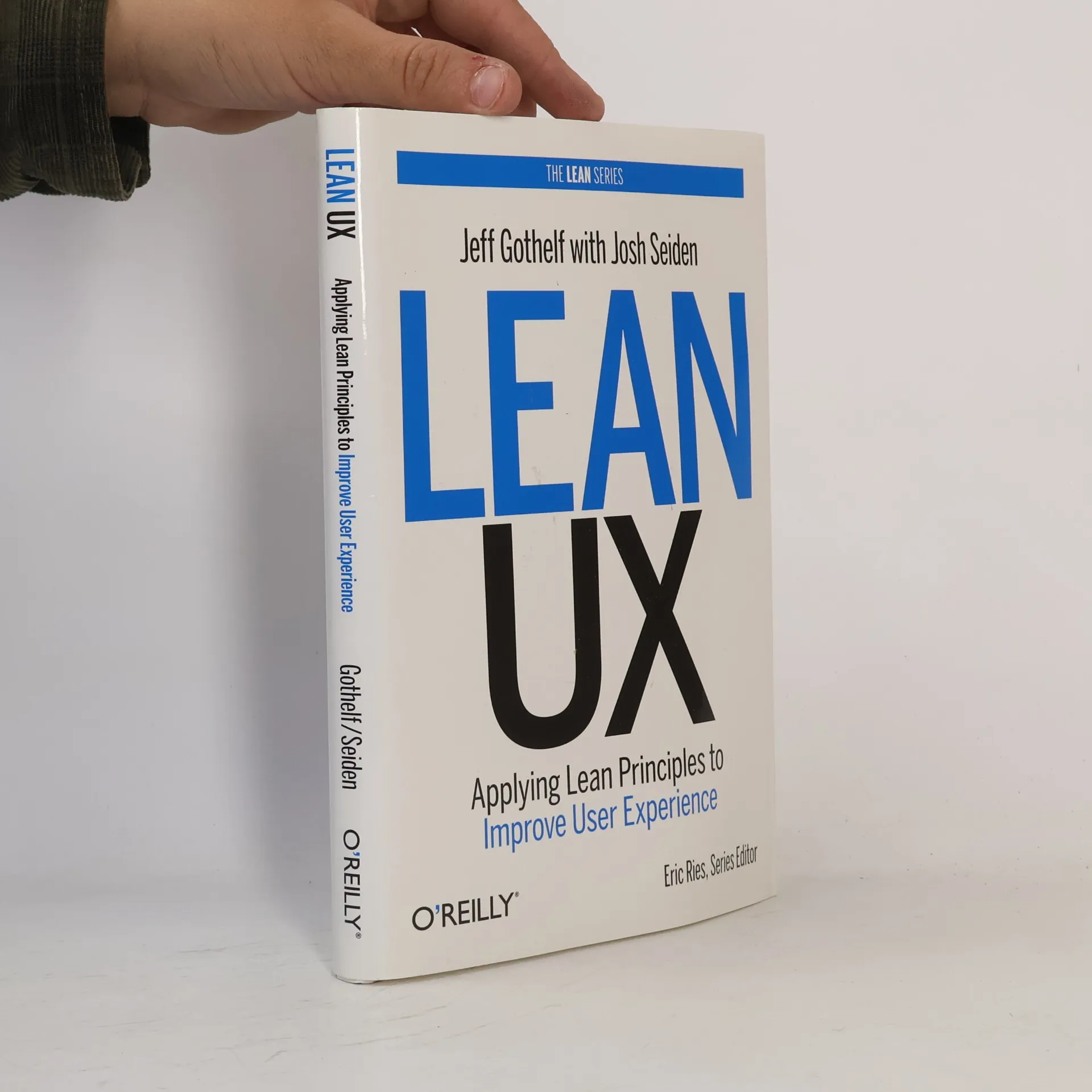
Lean UX. Applying Lean Principles to Improve User Experience
- 148 Seiten
- 6 Lesestunden
User experience (UX) design has traditionally been a deliverables-based practice, with wireframes, site maps, flow diagrams, and mockups. But in today’s web-driven reality, orchestrating the entire design from the get-go no longer works. This hands-on book demonstrates Lean UX, a deeply collaborative and cross-functional process that lets you strip away heavy deliverables in favor of building shared understanding with the rest of the product team. Lean UX is the evolution of product design; refined through the real-world experiences of companies large and small, these practices and principles help you maintain daily, continuous engagement with your teammates, rather than work in isolation. This book shows you how to use Lean UX on your own projects. Get a tactical understanding of Lean UX—and how it changes the way teams work together Frame a vision of the problem you’re solving and focus your team on the right outcomes Bring the designer’s tool kit to the rest of your product team Break down the silos created by job titles and learn to trust your teammates Improve the quality and productivity of your teams, and focus on validated experiences as opposed to deliverables/documents Learn how Lean UX integrates with Agile UX