

In den vorliegenden Geschichten schildert Salwa Bakr das Leben der kleinen Leute in Kairo.
Salwa Bakr Bücher




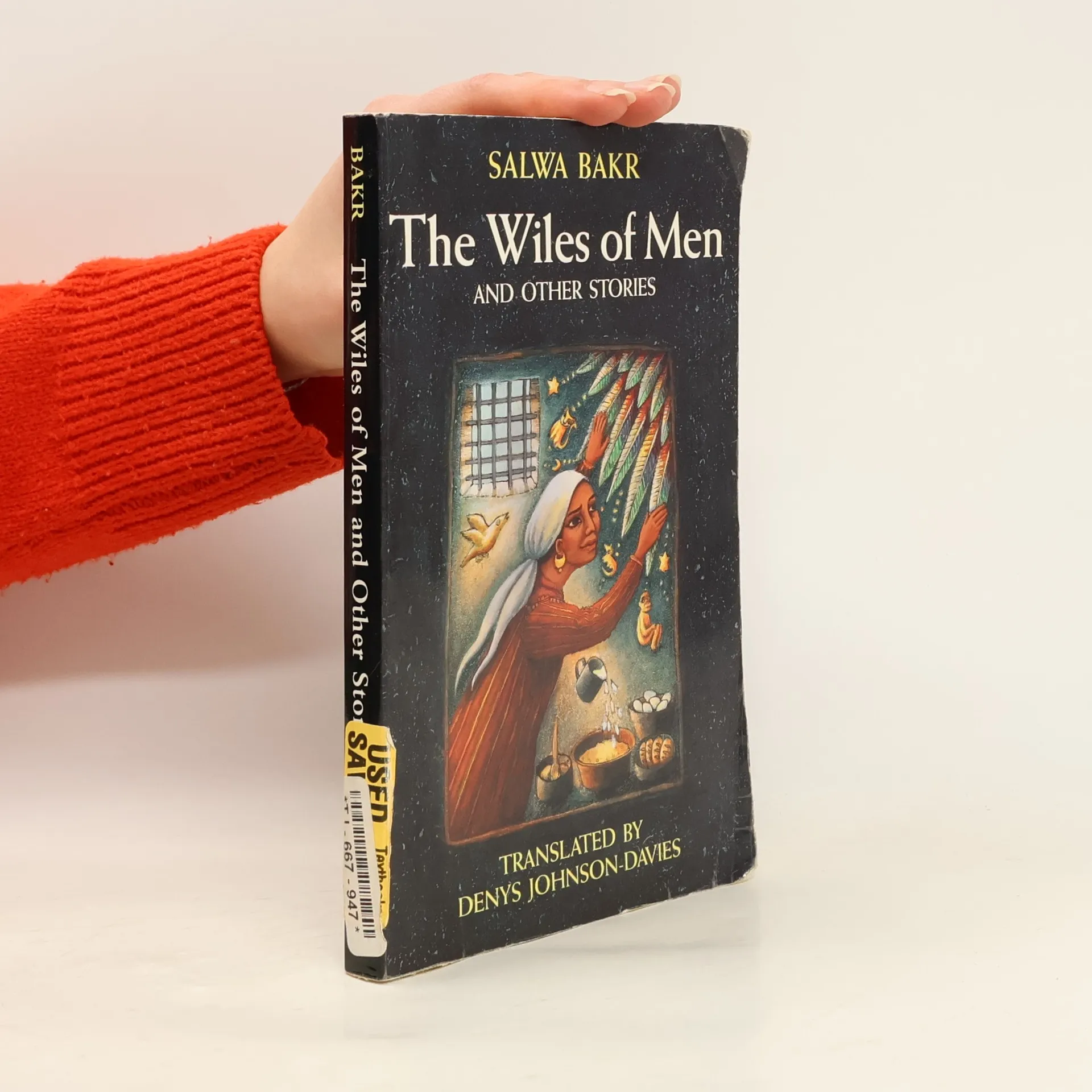
The Wiles of Men and Other Stories
- 200 Seiten
- 7 Lesestunden
"Here, finally, is some writing with a genuine purchase on things of worth. The collection of pithy short stories, filled with a sad wonder, tells of contemporary Egyptians . . . timorously rebelling against the conformism of life along the Nile." ?Observer ". . . Bakr emerges as a fine observer of her country's times, with a vision which remains, for all its engagement, quirky and distinctively personal." ? Times Literary Supplement Set among the poor of contemporary Cairo, these thirteen stories and one short novella tell of women struggling to provide themselves with the basic necessities of life. They explore the limits of self-awareness, the pressures to conform, and some of the strange paths to escape that women resort to in a conservative society shot through with social and sexual prejudice and preconceptions.
By several Arab authors: Salwa Bakr, Zakariya Tamer, Abdulah Hakam, Idris al-Saghir, Mohammed Mesud al-Ajami, Abdul Sattar Nassir, Adil Kamil, Hadiya Hussein, and Fakhri Qaawar.With contributions from Srpko Leštarić, who initially translated the works from Arabic into Serbian, Edward Alexander who then translated them into English and the preface by Milena Dragićević Šešić."This short selection of forbidden, censored or harshly criticised stories by contemporary Arab writers of the "middle generation" represents in the best way not only the tradition of storytelling, but also the culture of rebellion and dissent that has long been part of Arab societies.The stories were collected, selected and translated of a period of twelve years as the Serbian editor and translator Srpko Leštarić came across them, and are accompanied by masterful descriptions about the fate of the authors, their texts, and the art of translating from Arabic."At the time of this addition this book is not available for purchase but can be read on the European Cultural Foundation website through the download of a PDF file and you can also order a hardcopy through there: culturalfoundation[.]eu
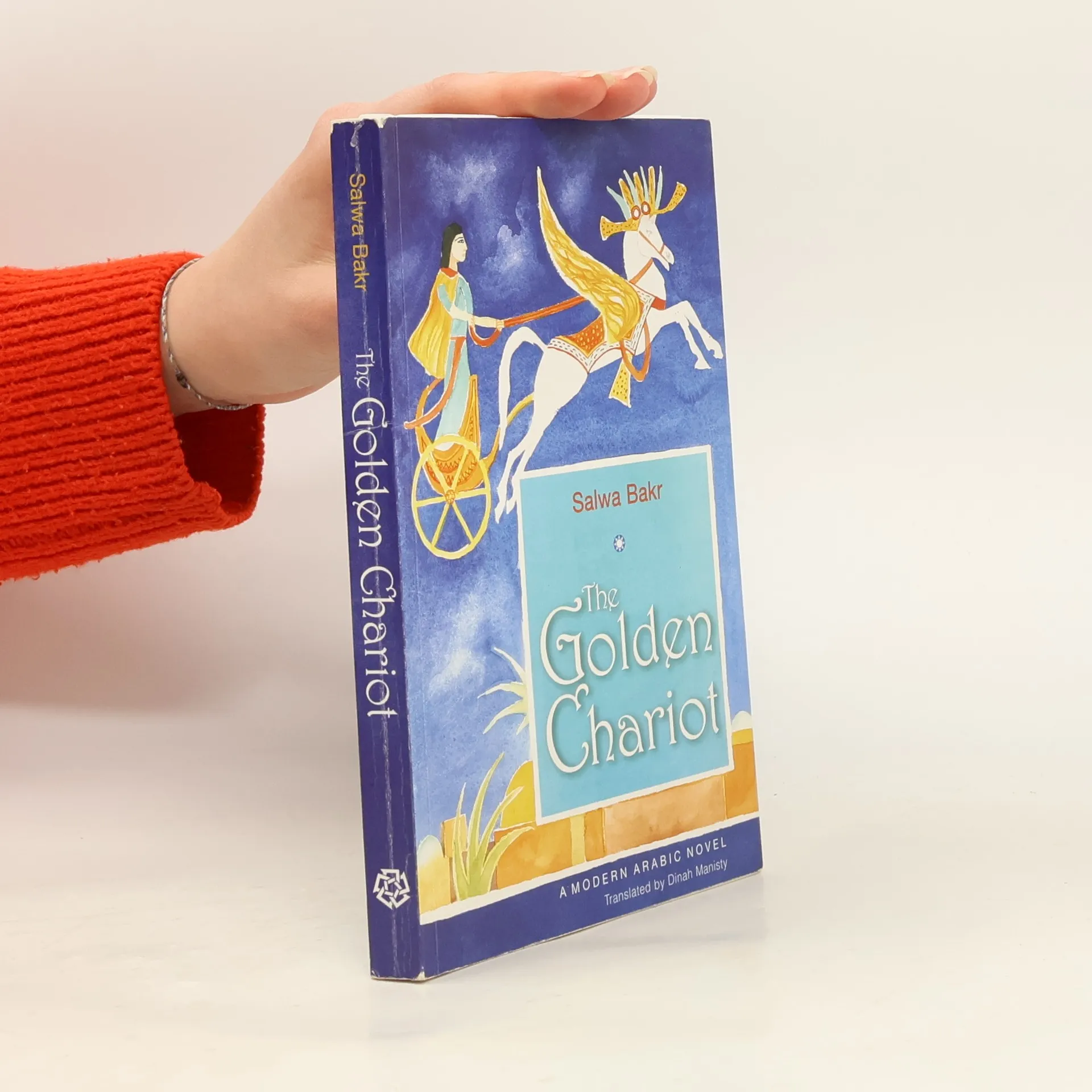
From her cell in a women’s prison, Aziza decides to create a golden chariot to take her to heaven, where her wishes and dreams can be fulfilled. As she muses on who to take with her, she tells the life stories of her fellow prisoners and decides in her heart which ones deserve a free ride to paradise. Aziza’s cruelly frank comments about her friends and their various crimes―including murder, theft, and drug-dealing―weave these tales together into a contemporary Arabian Nights. Salwa Bakr takes a wry and cynical look at how women from widely differing backgrounds, some innocent and some guilty, come together in a single prison ward. Salwa Bakr’s writing depicts life at the grassroots of Egypt’s culture, admiring its resilience in the face of poverty and inequality. With a strong distrust of imported kitsch, western consumerism is contrasted with the indigenous culture. In The Golden Chariot, Salwa Bakr opens a magical door, through which we are able to see the injustices of a society in transition. Beyond these stories of crime, we glimpse the yearning and longing for a better life, and the problems of not being able to realize these dreams by honest means.
Les Messagers du Nil
- 226 Seiten
- 8 Lesestunden
À la fin du IXe siècle, les paysans d'Egypte, chrétiens et musulmans confondus, se révoltent contre l'autorité califale et refusent d'acquitter l'impôt foncier qui les accable. Mandatés par le patriarche copte du Vieux Caire, le sacristain Bédeir et le diacre Thawna quittent leur monastère pour une périlleuse mission auprès des rebelles bachmouris - chrétiens du delta - jusqu'aux terres marécageuses " où se rencontrent les eaux du Nil et de la Méditerranée, où se mêlent le sable marin et le limon du fleuve ". Roman initiatique, tableau spirituel d'une époque tourmentée, révélation des richesses et des mystères de la civilisation copte, Les Messagers du Nil se veut également un message de tolérance car " les Egyptiens musulmans sont comme nous, les Coptes : ils se lavent aussi avant de faire leurs prières, comme le font également les juifs. "