

Exploring the evolving nature of leadership, this collection emphasizes that leadership is a continuous journey rather than a fixed state. Leandro Herrero reflects on how experiences, encounters, and personal growth shape one's character as a leader. The concept of "Camino," meaning road in Spanish, underscores that the essence of leadership lies in the journey itself, with actions and their impact being the true measures of leadership. This work invites readers to view leadership as an ongoing quest rather than a destination.
Leandro Herrero Reihenfolge der Bücher (Chronologisch)




The flipping point
- 240 Seiten
- 9 Lesestunden
A flipping point in the trend for adopting absurd management ideas needs to be reached. Management needs deprogramming. This book of 200, tweet-sized, vignettes, looks at the other side of things - flipping the coin. It asks us to apply more rigour and critical thinking in how we use assumptions and management practices created many years ago.
Behaviours change culture, not vice versa, and the spread of behaviours is the true source of social change. Behavioural imitation reveals how social change occurs, how ideas spread, and how company cultures evolve. This process is viral in nature. In his earlier work, Leandro Herrero explored how a small number of well-connected individuals can drive change within an organization through essential behaviours. In his latest book, he delves into Viral Change in action, emphasizing the enduring influence of 'Homo Imitans.' Understanding the dynamics of social and behavioural infection is crucial for orchestrating any successful change initiative, whether within a company or as a response to broader societal issues. Traditionally, academia and business consulting have distanced themselves from the realities of macro-social change, often treating the business world as separate from external social dynamics. 'Homo Imitans' connects these realms by illustrating how Viral Change mechanisms operate universally—impacting everything from street violence to employee engagement and cultural shifts within organizations. This book is essential for anyone interested in social change, particularly in understanding how Viral Change functions within organizations. It serves as a vital resource for managers and leaders, maintaining the engaging style of Herrero's previous works.
Disruptive Ideas
- 336 Seiten
- 12 Lesestunden
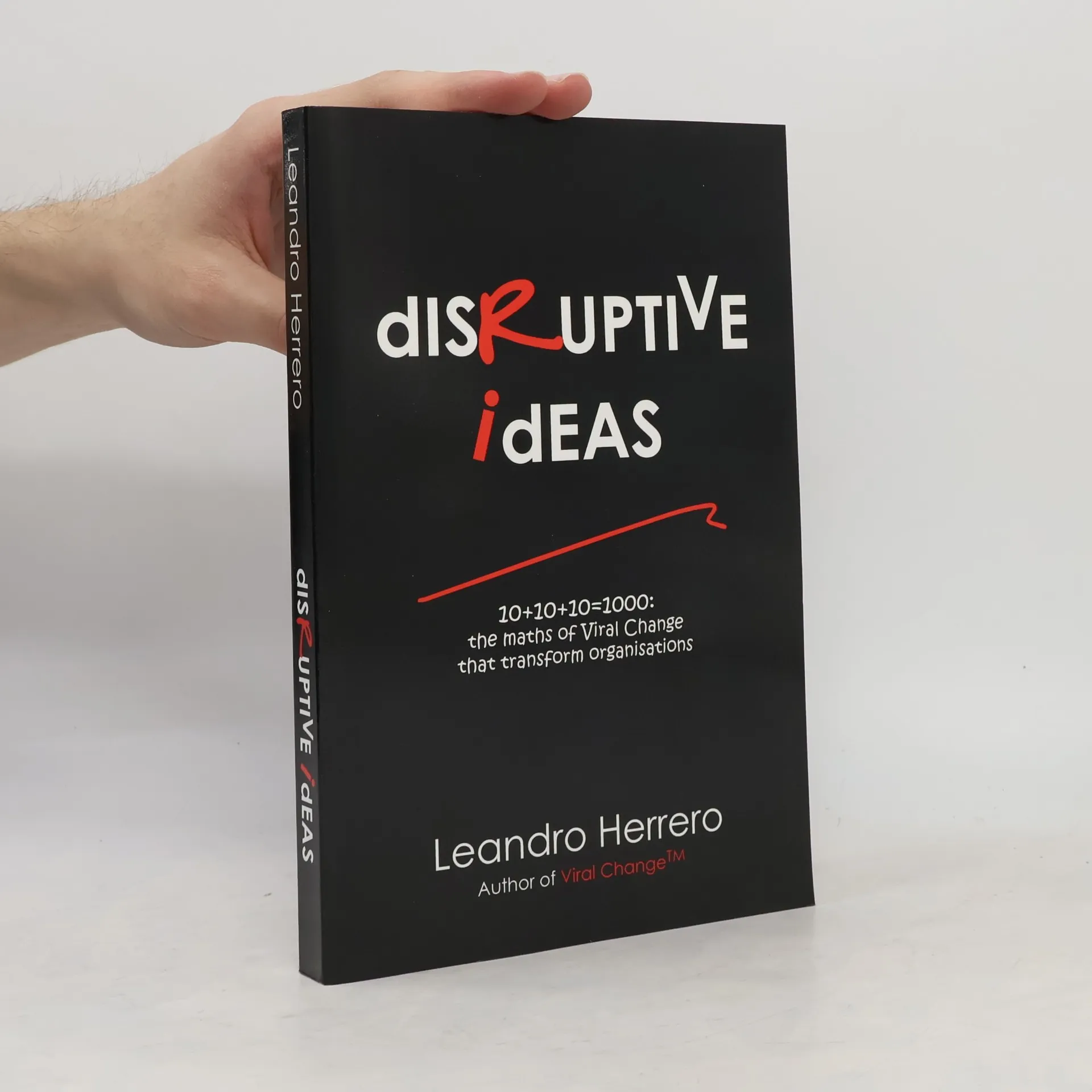
Focusing on the premise that small, strategic changes can yield significant results, the book presents a framework of 30 transformative ideas—10 structures, 10 processes, and 10 behaviors. These concepts aim to enhance organizational effectiveness without the need for extensive, costly initiatives. By emphasizing the compound impact of these simple yet powerful rules, the author offers a practical guide for leaders and managers seeking to reshape their workplace culture and improve working practices efficiently.
Viral Change
- 420 Seiten
- 15 Lesestunden
Most conventional 'change management' programmes fail. This is mainly due to the fact that they are often based on wrong assumptions such . When we change the process/system, people will change their behaviour . Changes need to come from the top and filter down . Big changes need big actions . Cultural change is a painful, long-term process with no short-term results Viral Change(TM) provides a completely different framework for change. It is based on recent 'discoveries' across disciplines such as network and behavioural sciences. It shows how a combination of the right language and frame, a small set of non-negotiable behaviours (all spread by a small number of activists) and the creation of 'tipping points', creates lasting cultural change in organisations. Unlike conventional methods of change management, Viral Change(TM) is faster, far more effective, potentially more inclusive and certainly long lasting. Since change is constantly present in any organisation, this book will appeal to people at different levels of management or leadership, who want to reshape their culture through the power of internal social networks and aim at greater organisational effectiveness in day-to-day organisational life (not just during change initiatives).
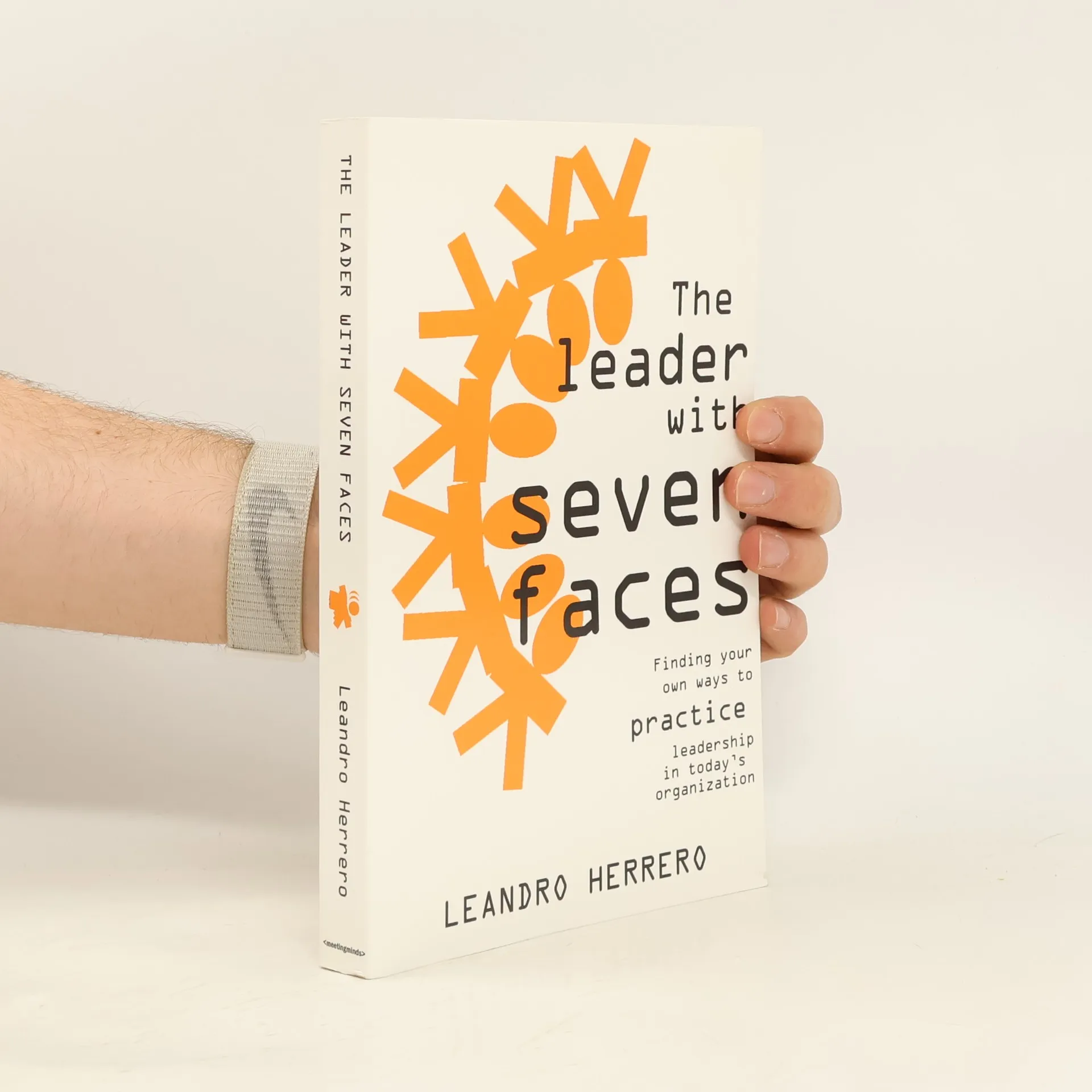
The Leader with Seven Faces by Leandro Herrero is a novel book on leadership with emphasis on what to practice to become a leader or to improve your own leadership skills. It maps, explores and develops the seven faces of any leader: what you say (language, meaning and intention), where you go (maps, destinations and journeys), what you build (spaces, 'homes' and legacy), what you care about (values, 'the system' and non-negotiable), how you do it (drivers, styles and structures), what you are (awareness, responsibility and identity) and what you do (role models, change and practice of leadership itself).