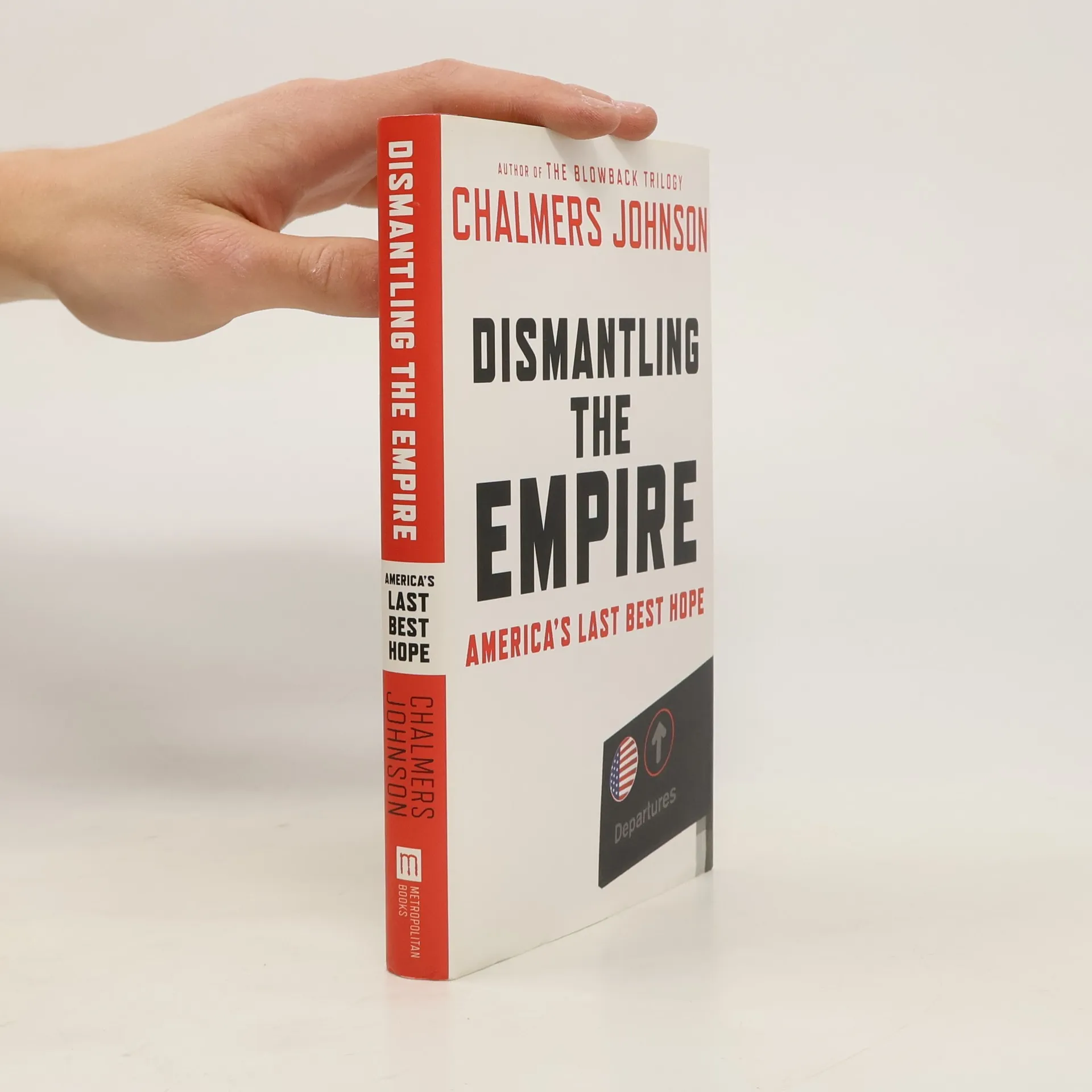
The author of the bestselling Blowback Trilogy reflects on America's waning power in a masterful collection of essays In his prophetic book Blowback, published before 9/11, Chalmers Johnson warned that our secret operations in Iraq and elsewhere around the globe would exact a price at home. Now, in a brilliant series of essays written over the last three years, Johnson measures that price and the resulting dangers America faces. Our reliance on Pentagon economics, a global empire of bases, and war without end is, he declares, nothing short of "a suicide option." Dismantling the Empire explores the subjects for which Johnson is now famous, from the origins of blowback to Barack Obama's Afghanistan conundrum, including our inept spies, our bad behavior in other countries, our ill-fought wars, and our capitulation to a military that has taken ever more control of the federal budget. There is, he proposes, only one way out: President Obama must begin to dismantle the empire before the Pentagon dismantles the American Dream. If we do not learn from the fates of past empires, he suggests, our decline and fall are foreordained. This is Johnson at his best: delivering both a warning and an urgent prescription for a remedy.
Chalmers Johnson Reihenfolge der Bücher (Chronologisch)
Chalmers Johnson war ein amerikanischer Autor und emeritierter Professor, dessen Werk sich tiefgreifend mit geopolitischen und kulturellen Beziehungen, insbesondere in Ostasien, auseinandersetzte. Seine Schriften untersuchten häufig die Machtdynamiken zwischen Ost und West und die Auswirkungen der Globalisierung auf die staatliche Souveränität. Johnson nutzte sein umfangreiches Wissen und seine Erfahrung, um scharfsinnige Perspektiven auf komplexe internationale Fragen zu bieten und so die öffentliche Meinung sowie die akademische Debatte zu prägen. Sein Schreibstil zeichnet sich durch Präzision und die Fähigkeit aus, verborgene Mechanismen der globalen Politik aufzudecken.
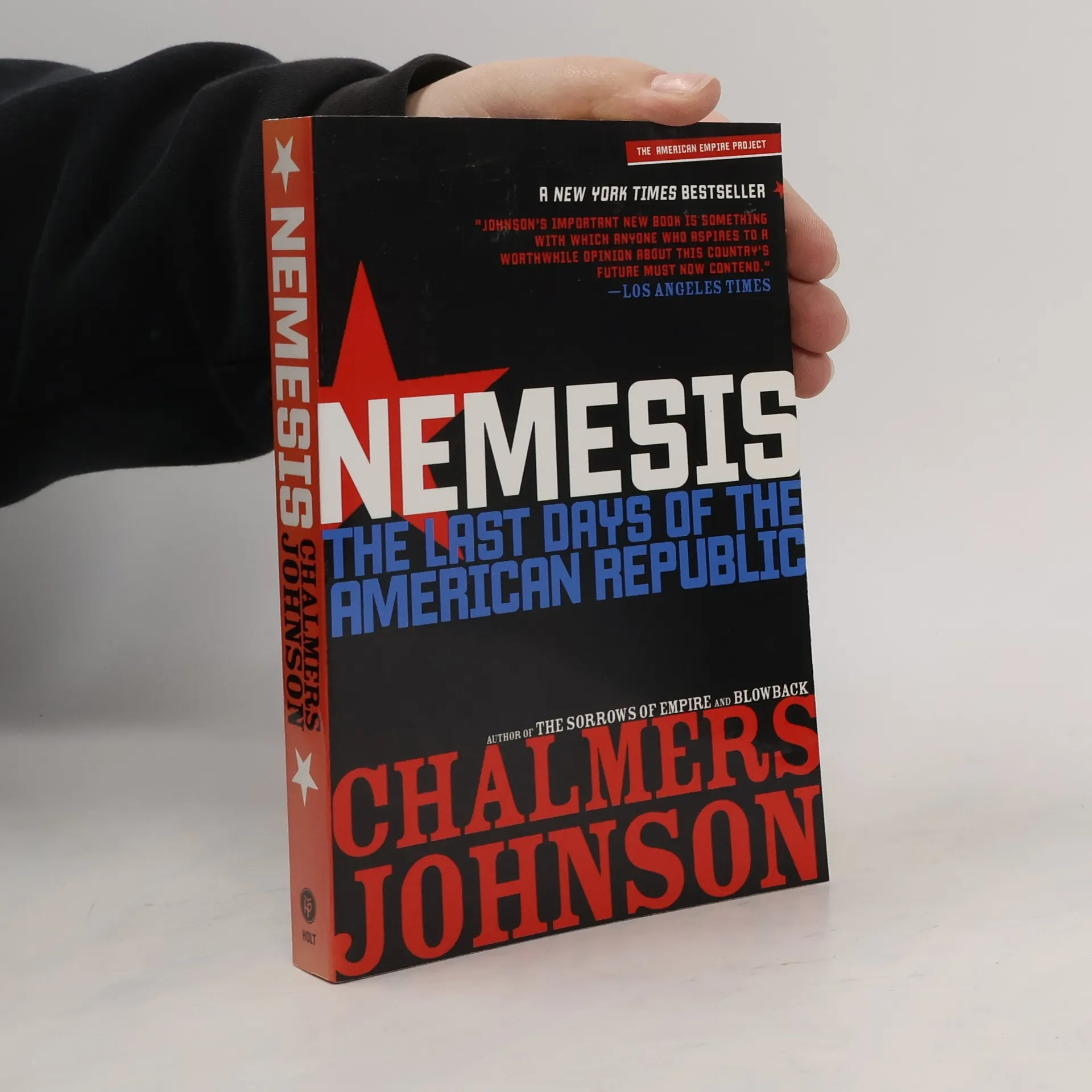


A New York Times bestseller, Nemesis is Chalmers Johnson's "fiercest book—and his best" (Andrew J. Bacevich) In his prophetic book Blowback , Chalmers Johnson linked the CIA's clandestine activities abroad to disaster at home. In The Sorrows of Empire , he explored the ways in which the growth of American militarism and the garrisoning of the planet have jeopardized our stability. In Nemesis , the bestselling and final volume in what has become known as the Blowback Trilogy, he shows how imperial overstretch is undermining the republic itself, both economically and politically. Delving into new areas—from plans to militarize outer space to Constitution-breaking presidential activities at home and the devastating corruption of a toothless Congress— Nemesis offers a striking description of the trap into which the reckless ambitions of America's leaders have taken us. Johnson confronts questions of pressing urgency: What are the unintended consequences of our dependence on a permanent war economy? What does it mean when a nation's main intelligence organization becomes the president's secret army? Or when the globe's sole "hyperpower" becomes the greatest hyper-debtor of all times? Writing "as if the very existence of the nation is at stake" ( San Francisco Chronicle ), Johnson offers his most "bracing" and "important" ( Los Angeles Times ) exploration of the crisis facing America.
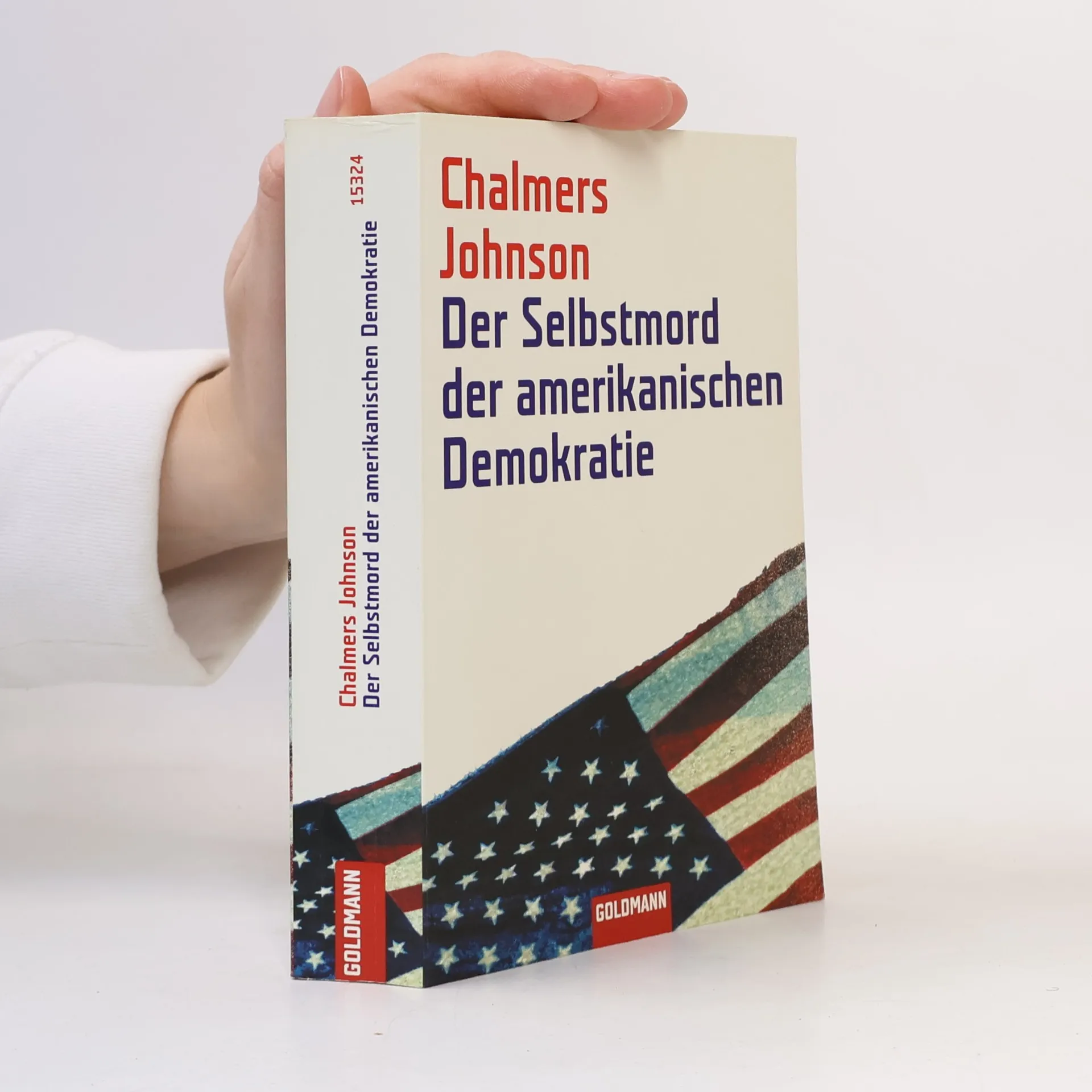
Der Selbstmord der amerikanischen Demokratie
- 477 Seiten
- 17 Lesestunden
Seit dem 11. September 2001 haben George Bush und sein Gefolge nahezu unbemerkt von der Öffentlichkeit auch die Innenpolitik der USA verändert. Sie vertreten eine Politik, die mit Werten der amerikanischen Verfassung unvereinbar ist, sie verspielen die internationale Reputation des Landes, sie handeln undemokratisch. Schonungslos analysiert Chalmers Johnson die Machenschaften der Falken im Weißen Haus und im Pentagon, die die Freiheitsrechte der US-Bürger einschränken und nach weltweiter Hegemonie streben. „Das amerikanische Imperium. ist kein Imperium der Kolonien, sondern ein Imperium der Militärbasen, die zu Stützpunkten globaler Vorherrschaft wurden. [.] Die Gefahr eines Imperium liegt darin, das es niemandem gegenüber verantwortlich ist. Nur so kann es zu dem ideologischen Enthusiasmus eines Präsidenten George W. Bush kommen.“ Chalmers Johnson im Interview mit der taz „Eine eindrucksvolle Dokumentation.“ Der Tagesspiegel „Entlarvend, beklemmend, alarmierend und als Lektüre auch der politischen Elite Europas zu empfehlen.“ Der SPIEGEL
Ein Imperium verfällt
- 319 Seiten
- 12 Lesestunden
Der Originaltitel „Blowback“ bezeichnet die unbeabsichtigten Folgen der amerikanischen Außenpolitik. Chalmers Johnson beschreibt anschaulich die Gefahren, die dem selbst ernannten Weltpolizisten Amerika aus seiner auf militärische Macht und wirtschaftliche Dominanz ausgerichteten Strategie erwachsen. Von Fehlverhalten amerikanischer Soldaten in Okinawa bis zur Rolle der USA in der asiatischen Finanzkrise und der wechselhaften Parteinahme für und gegen Saddam Hussein, legt Johnson offen, wie die imperialistische Politik der USA den Boden für künftige Katastrophen bereitet. Er entlarvt den Mythos der Globalisierung als Deckmäntelchen, unter dem die Vereinigten Staaten ihre Vorstellungen und Bedingungen für die Integration der globalen Wirtschaft durchsetzen. Johnson warnt, dass die USA ihre Rolle in der Welt nach dem Kalten Krieg neu definieren müssen. Andernfalls werden die Amerikaner, sowohl als Einzelne als auch als Nation, in naher Zukunft einen hohen Preis zahlen.
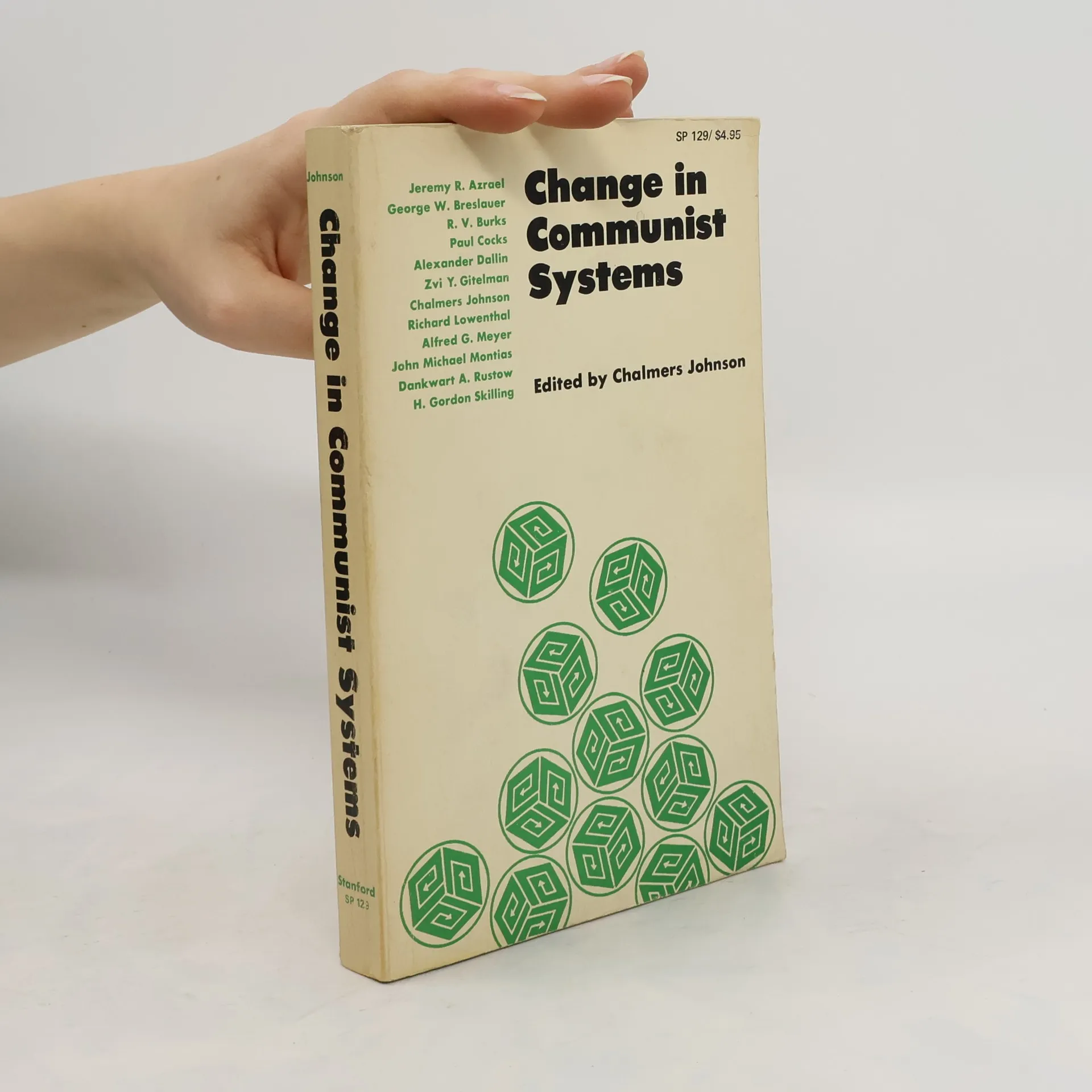
This revised edition not only brings the original analysis up to date but adds two new chapters: one on terrorism, the most celebrated form of political violence throughout the 1970s, and one on theories of revolution from Brinton to the present day.
Change in Communist Systems
- 368 Seiten
- 13 Lesestunden
xiii 368p paperback, old price mark to endpaper, clean firm, firm, cover edges a bit worn, a very useful copy, in good overall condition, this copy published in the year 1970
Peasant Nationalism and Communist Power
- 272 Seiten
- 10 Lesestunden
Mr. Johnson's research on the Chinese Communists' wartime expansion, according to the documentation recorded by Japanese intelligence and his comparison of it with that of the Yugoslav Communists, is a pathbreaking work in comparative history.--John K. Fairbank.