
Gratis Versand in ganz Österreich
Bookbot

John Dover Wilson

    John Lyly
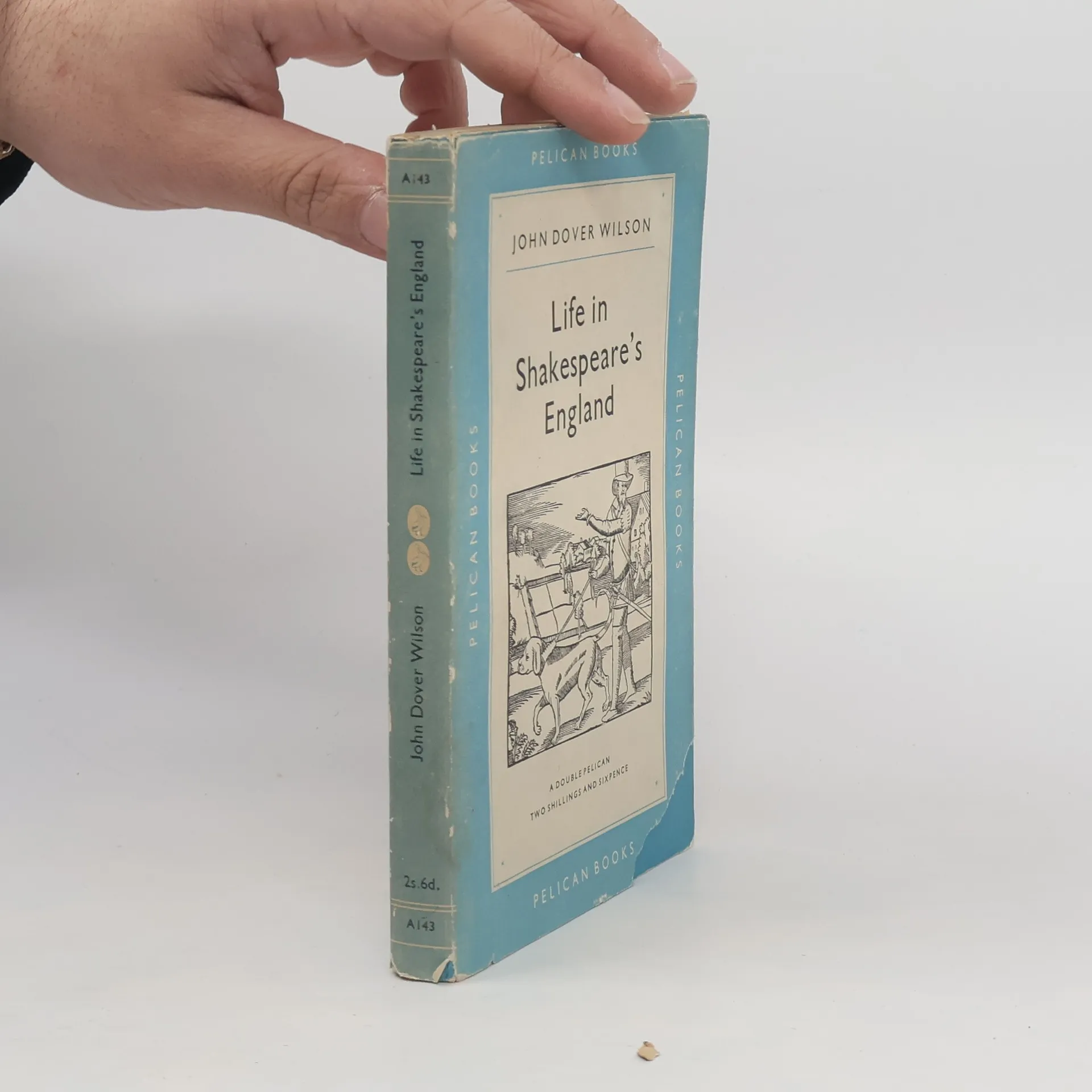
    Life in Shakespeare's England
    The Fortunes of Falstaff
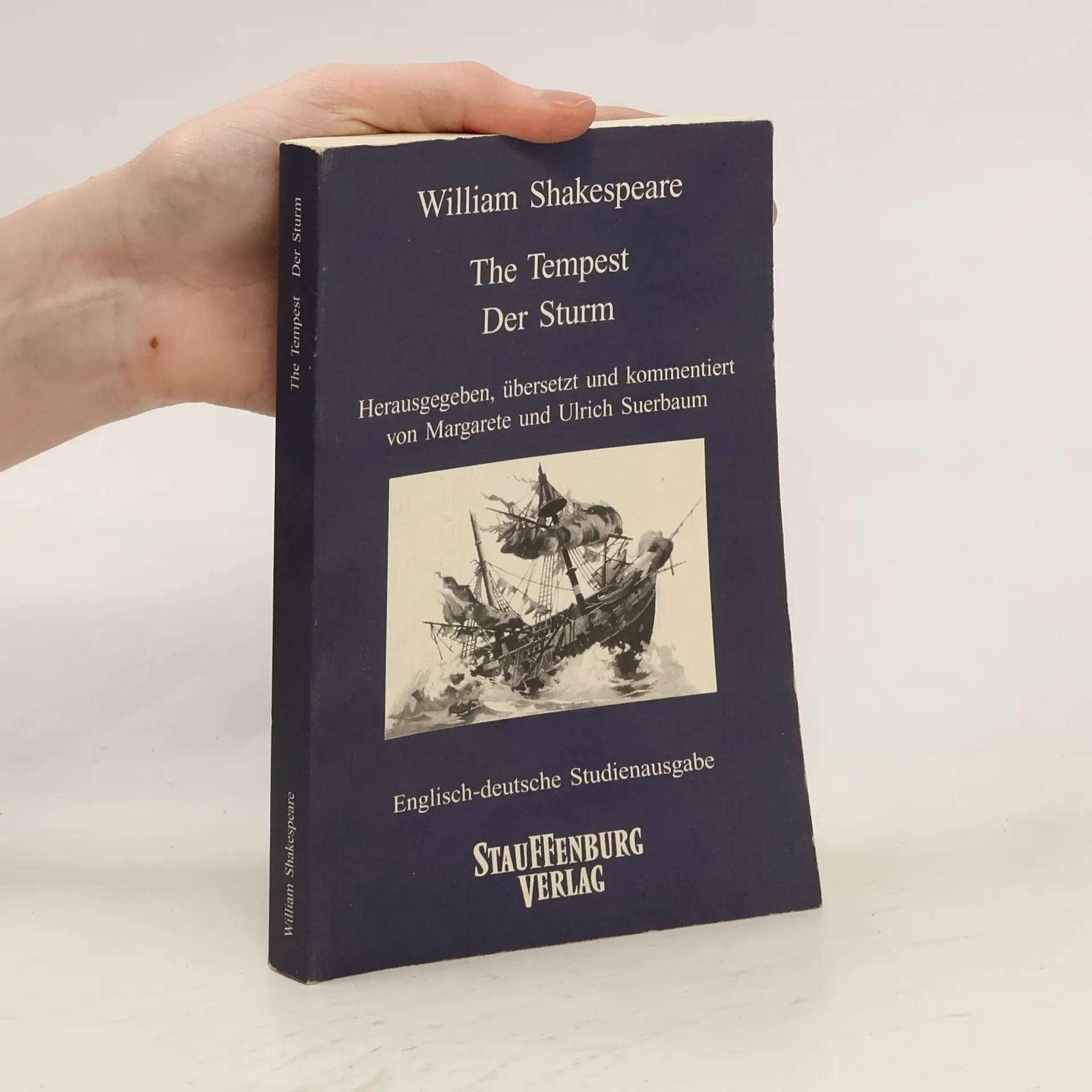
    The tempest
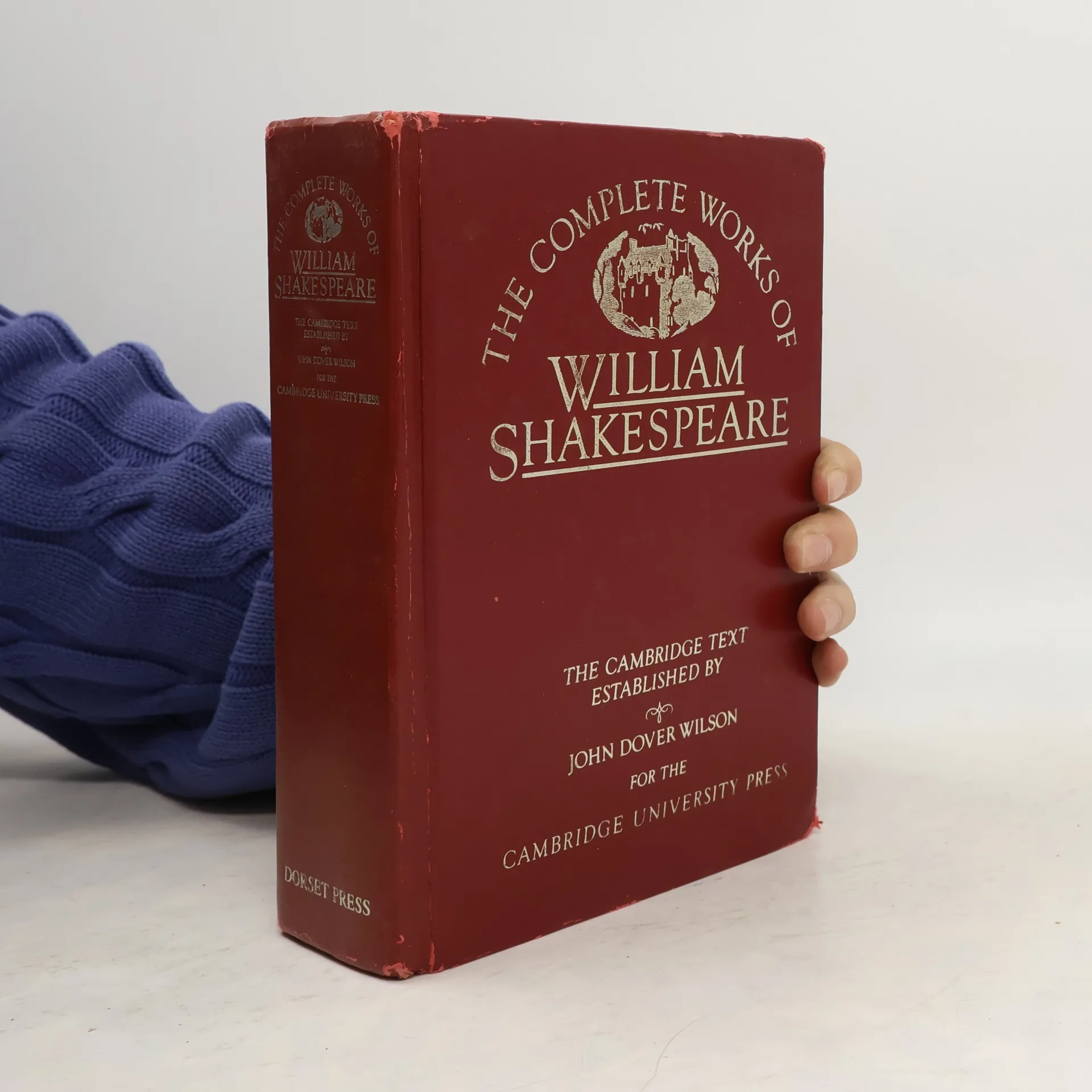
    Complete Works of William Shakespeare
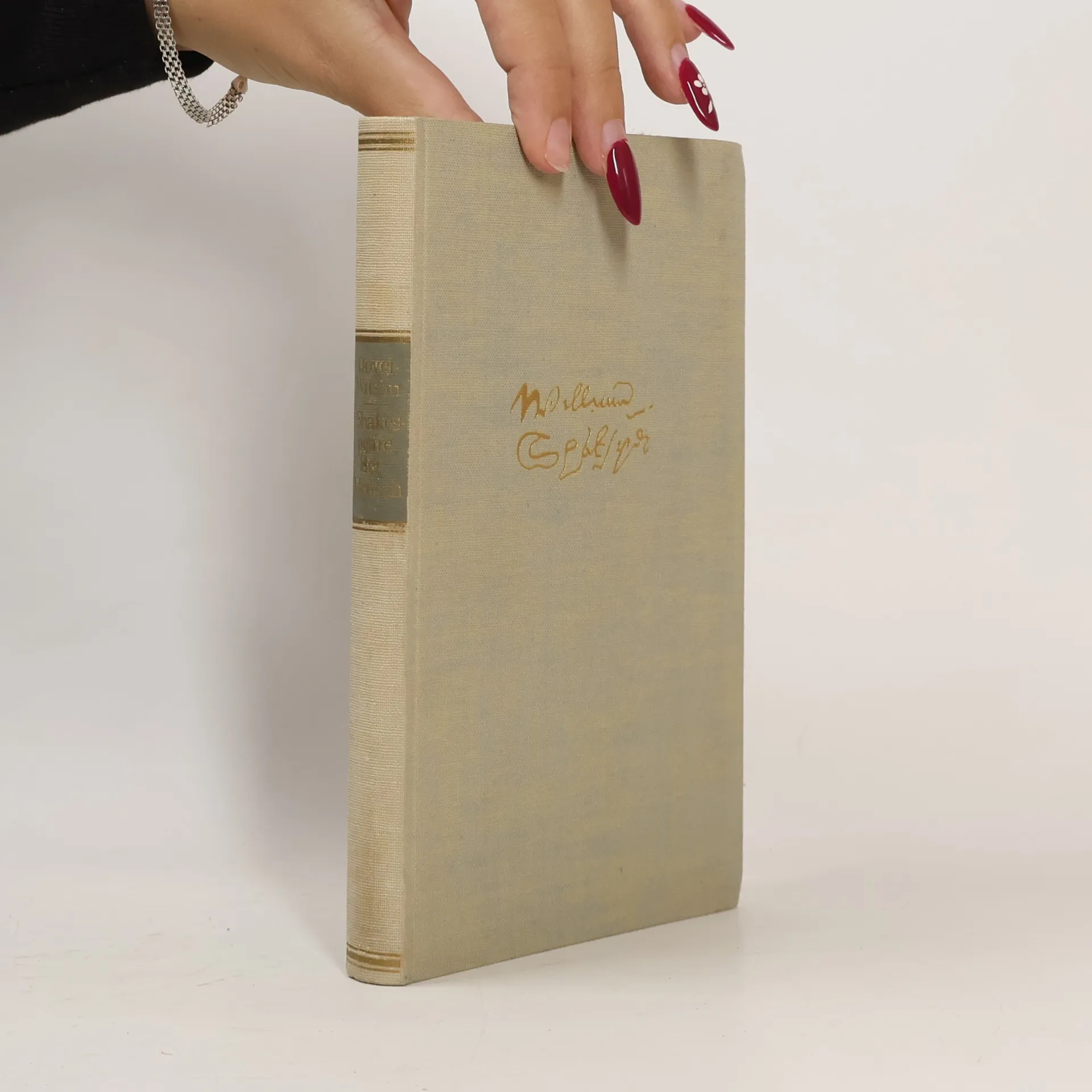
    Shakespeare der Mensch
    • 2024

      John Lyly

      • 126 Seiten
      • 5 Lesestunden

      Focusing on Renaissance drama, particularly Shakespeare, John Dover Wilson was a notable scholar and professor. His academic journey included prestigious institutions like Lancing College and Cambridge, leading to his role as Regius Professor of English Literature at the University of Edinburgh. He is best remembered for his editorial work on the New Shakespeare series, which aimed to provide comprehensive editions of Shakespeare's plays, collaborating with Sir Arthur Quiller-Couch to enhance the understanding of these classic works.

      John Lyly
    • 2023

      The Tempest, die Geschichte von dem entmachteten und vertriebenen Herzog von Mailand, der im Exil auf einer Insel im Meer eine neue Herrschaft errichtet und durch Magie alle seine Feinde in seine Gewalt bringt, ist eines der faszinierendsten und vieldeutigsten Dramen Shakespeares. Es ist wechselweise als romantisches Märchen- und Zauberstück, als persönliche Abschiedsbotschaft des Dichters in seinem letzten großen Werk, als Parabel von Großmut und Vergebung und als Lehrstück über das Unrecht der Kolonialherrschaft gedeutet und inszeniert worden. Es reizt immer noch zu neuen Interpretationen und Aufführungsweisen.

      The tempest
    • 2021

      The Fortunes of Falstaff

      • 164 Seiten
      • 6 Lesestunden

      Dr Dover Wilson examines Falstaff's role in the two parts of Henry IV and his relationship to the Prince. Like most other Shakespearean scholars he had accepted, Bradley's portrait as shown in The Rejection of Falstaff, until (as he writes) he 'began checking it with yet another portrait - that which I found in the pages of Shakespeare himself. As the result of much recent work on the two parts of Henry IV, a new Falstaff stands before me, as fascinating as Bradley's, certainly quite as human, but different; and beside him stands a still more unexpected Prince Hal. The discovery throws all my previous ideas out of focus.' As the reviewer in the Times Literary Supplement wrote, Falstaff 'is no hero, as the romantics have tried to make him out, nor is he merely a typical and traditional stage-butt. But he is Falstaff riding for a fall; and when he takes his toss he is up again in still unconquerable effrontery and humour … The Prince as we watch him through Dr Dover Wilson's eyes growing in grace, first in chivalry and then in justice, we do more than observe the making of a hero-king. We get to know a very lovable, faulty, generous, noble-minded young man; and a character in the play whose scenes are so far from being mere padding between Falstaff's that the whole is seen as a masterpiece of construction.'

      The Fortunes of Falstaff
    • 1984