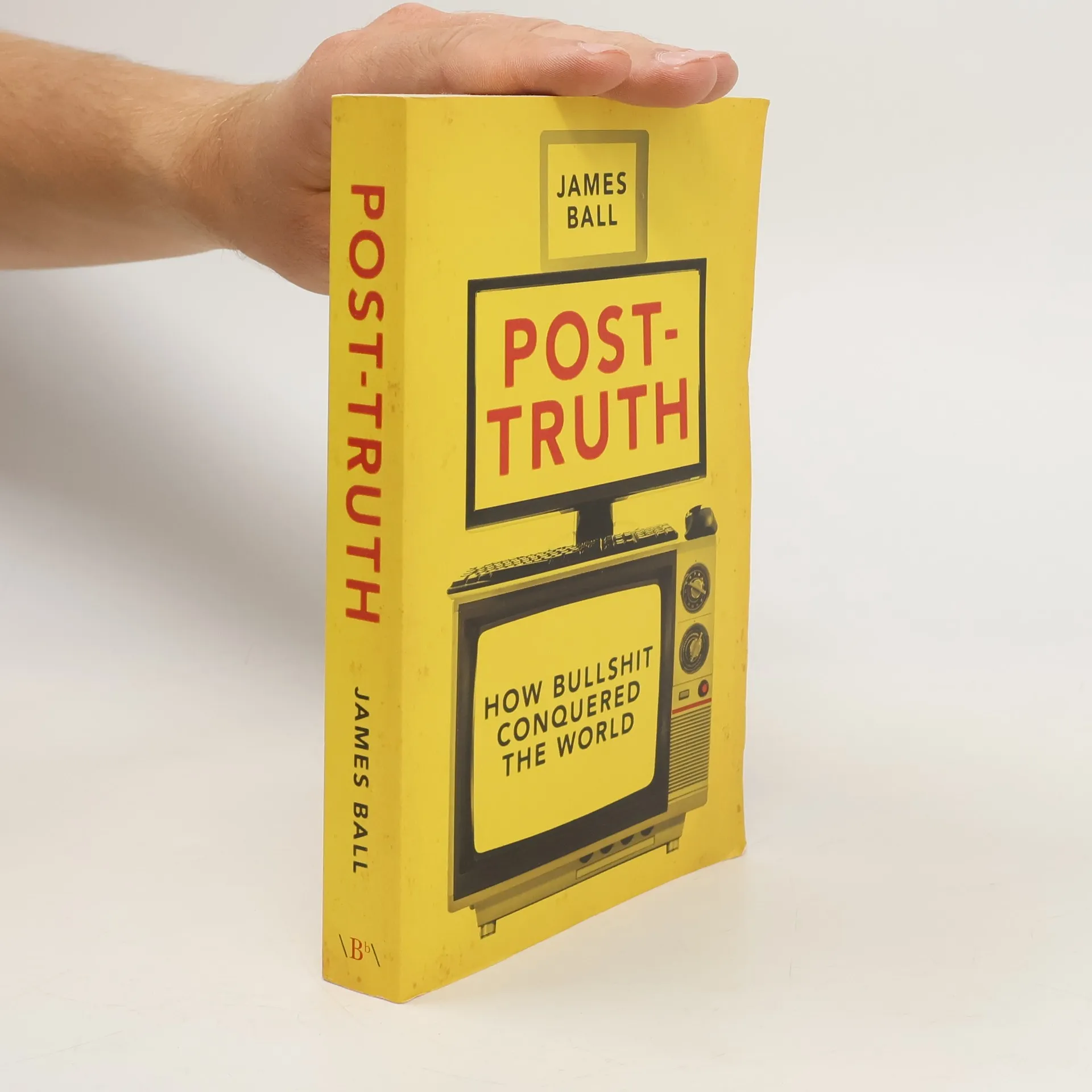
Dieses Sachbuch wagt etwas ganz Neues: Es visualisiert die Geschichte der Welt mithilfe von 100 Infografiken und reduziert sie auf das Wesentliche. Von der Ursuppe bis zur technologischen Revolution des 21. Jahrhunderts wird Geschichte in vier Kapiteln witzig, populär und anschaulich vermittelt. Was haben Menschen erfunden und wann? Woran sterben wir? Welches waren die größten Reiche, die verheerendsten Kriege? Welches Land konsumiert wie viel? Dieses neuartige Buch ermöglicht überraschende Einblicke in unsere Vergangenheit, Gegenwart und Zukunft. So viel Spaß hat Geschichte noch nie gemacht!
James Ball Bücher

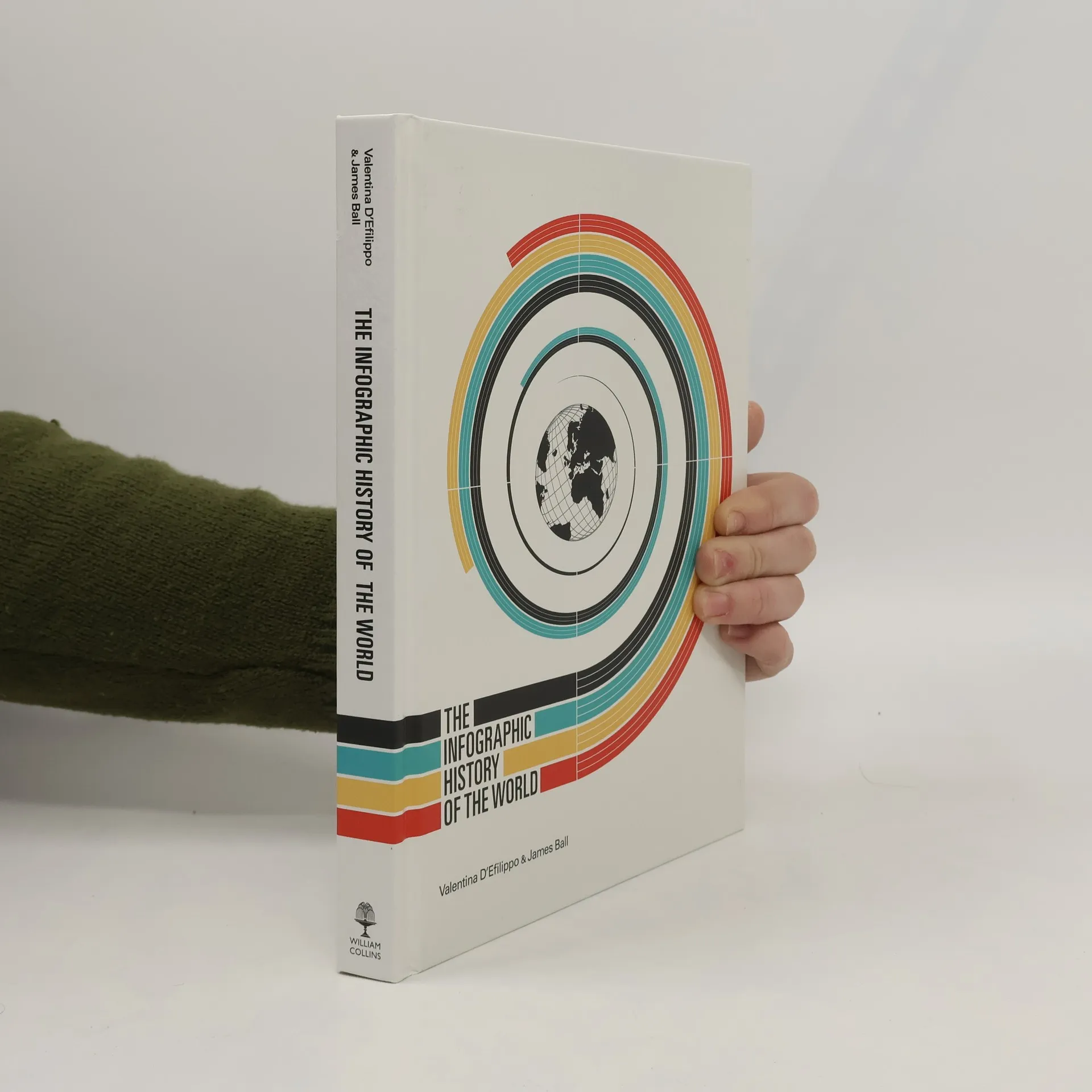


Isn't it ironic?
Antworten auf absolut lebenswichtige Fragen in Popsongs
Autor James Ball ist ein waschechter Musik-Nerd. In „Isn't it ironic“ gibt er fundierte Antworten auf Fragen, die in bekannten Songs gestellt werden. Von den Beatles bis zu Beyoncé – dieses Buch ist ein wilder Ritt durch die Geschichte des Pops und das ideale Geschenk für alle Musikliebhaber und um-die-Ecke-Denker. „What is love?“, “How soon is now?”, “Who let the dogs out?” – es sind die großen Fragen, die das Leben stellt und manchmal Sängerinnen oder Sänger von berühmten Pop-Songs. Mit feinem Witz und Augenzwinkern gibt Journalist und Autor James Ball darauf wissenschaftlich fundierte Antworten. Aus Liedern von Stars wie Elvis, den Beatles, aber auch von The Verve oder Rihana erfährt man existenziell Wichtiges für alle Lebenslagen. Darunter auch: ob man einen Menschen mit einem Lied töten kann (Gloria Gaynor), was wirklich ironisch ist (Alanis Morisette), wer die Welt regiert (Beyoncé). Das perfekte Geschenk für Liebhaber von Pop-Musik und für alle neugierigen Leser.
The Other Pandemic
- 288 Seiten
- 11 Lesestunden
Pulitzer Prize-winning journalist James Ball delves into the internet's depths to uncover the origins and rapid rise of QAnon, a movement that evolved from a niche conspiracy theory into a global digital pandemic. This gripping investigation likens QAnon to a deadly pathogen, capable of infecting anyone with an internet connection. Ball meticulously decodes the online right's cryptic language and tracks the spread of QAnon, which began in 2017 as a community supporting President Trump and aiming to expose a global cabal of human traffickers. A single anonymous post ignited a movement that quickly escalated into a dangerous wave of hateful messaging and tragic actions. From the standoff at the Hoover Dam to the storming of the U.S. Capitol on January 6, 2021, and protests against COVID-19 lockdowns, QAnon has shown a chaotic, incoherent nature that transcends borders. Ball explores the niche pathways through which these digital pathogens spread and mutate, emphasizing that the prognosis doesn't have to be bleak. He argues for the possibility of treating and curing this virus, advocating for the development of digital immune systems to better prepare for future waves of misinformation.
The Infographic History of the World
- 224 Seiten
- 8 Lesestunden
`The book is a delight' The Economist The History of the World, but not as you know it.
'A fascinating exposé of the world behind your screen. Timely, often disturbing, and so important' Caroline Criado Perez, author of Invisible Women 'Takes us beyond Zuckerberg, Bezos et al to a murkier world where we discover how everything online works and who benefits from it. Fascinating, engaging and important' Observer 'Could not be more timely' Spectator The internet is a network of physical cables and connections, a web of wires enmeshing the world, linking huge data centres to one another and eventually to us. All are owned by someone, financed by someone, regulated by someone. We refer to the internet as abstract from reality. By doing so, we obscure where the real power lies. In this powerful and necessary book, James Ball sets out on a global journey into the inner workings of the system. From the computer scientists to the cable guys, the billionaire investors to the ad men, the intelligence agencies to the regulators, these are the real-life figures powering the internet and pulling the strings of our society. Ball brilliantly shows how an invention once hailed as a democratising force has concentrated power in places it already existed - that the system, in other words, remains the same as it did before.
The Tangled Web We Weave Inside The Shadow System That Shapes The Internet
- 272 Seiten
- 10 Lesestunden
We all see what the internet does and increasingly don't like it, but do we know how and more importantly who makes it work that way? That's where the real power lays... The internet was supposed to be a thing of revolutions. As that dream curdles, there is no shortage of villains to blame--from tech giants to Russian bot farms. But what if the problem is not an issue of bad actors ruining a good thing? What if the hazards of the internet are built into the system itself? That's what journalist James Ball argues as he takes us to the root of the problem, from the very establishment of the internet's earliest protocols to the cables that wire it together. He shows us how the seemingly abstract and pervasive phenomenon is built on a very real set of materials and rules that are owned, financed, designed and regulated by very real people. In this urgent and necessary book, Ball reveals that the internet is not a neutral force but a massive infrastructure that reflects the society that created it. And making it work for--and not against--us must be an endeavor of the people as well.
Post-Truth
- 306 Seiten
- 11 Lesestunden
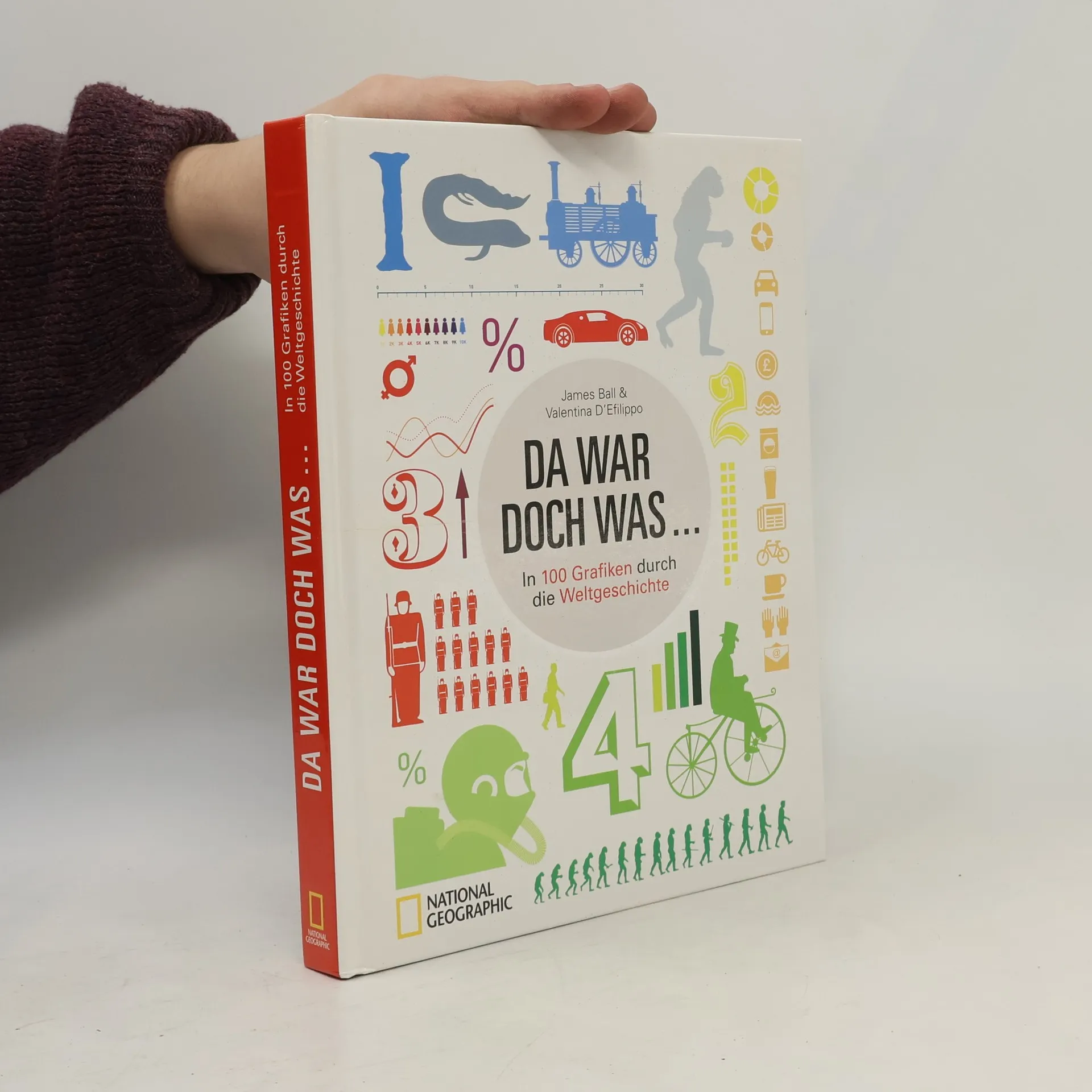
2016 marked the dawn of the post-truth era. The year saw two shock election results, each of which has the potential to reshape the world: the UK's decision to leave the EU, and the elevation of Donald Trump to the office of US President. The campaigns highlighted many of the same issues in their home countries: social division, anger at the elite, anti-immigration sentiment and more--but, more than anything, they heralded an unprecedented rise of bullshit. Sophistry and spin have been part of politics since the dawn of time. But the modern era sees millions being fed false reports that Hillary Clinton ordered 30,000 guillotines to use on her opponents following her victory, while Trump claims he "never said that" about speeches recorded on video. Post-truth is bigger than fake news and bigger than social media. It's about the slow rise of a political, media, and online infrastructure that has devalued truth. Bullshit gets you noticed. Bullshit makes you rich. Bullshit can even pave your way to the Oval Office. This is the story of bullshit: what's being spread, who's spreading it, why it works--and what we can do to tackle it. James Ballhas worked in political, data, and investigative journalism in the United States and in the UK for BuzzFeed,The Guardian, and theWashington Post in a career spanning TV, digital, print, and alternative media. His reporting has won several prizes including the Pulitzer Prize for public service.
Proceedings of the Salt Lake City Meeting
- 680 Seiten
- 24 Lesestunden
Should I Stay Or Should I Go?
And 87 Other Serious Answers to Questions in Songs
- 224 Seiten
- 8 Lesestunden
A book of hilarious and fascinating answers to the most famous questions posed in pop songs, using data, facts and science.
Filmowanie lustrzanką cyfrową - Książka z płytą
- 335 Seiten
- 12 Lesestunden
Wraz z pojawieniem się lustrzanek cyfrowych z funkcją nagrywania wideo w wysokiej rozdzielczości, fotografowie zyskali możliwość tworzenia poza swoim głównym obszarem działalności. A ponieważ wśród odbiorców stale rośnie zapotrzebowanie na ruchomy obraz, nie ma już znaczenia to, czy zamierzasz włączyć filmowanie do umiejętności swojej oferty, lecz to, kiedy to zrobisz. W książce tej twoimi przewodnikami po wszystkich etapach realizacji filmu – od preprodukcji do postprodukcji – są czterej weterani, którzy płynnie posługują się zarówno językiem fotografii, jak i wideo. Ich wskazówki ułatwią ci przejście ze świata statycznych zdjęć do ruchomego obrazu. Szybko nauczysz się wszystkiego, co istotne podczas przygotowywania materiału filmowego: od wyboru sprzętu, poprzez właściwe oświetlanie planu filmowego, profesjonalne nagrywanie dźwięku, korekcję koloru, techniki montażowe, zarządzanie materiałem aż po eksport gotowego klipu.