Geheimnisvolle Welt
- 223 Seiten
- 8 Lesestunden



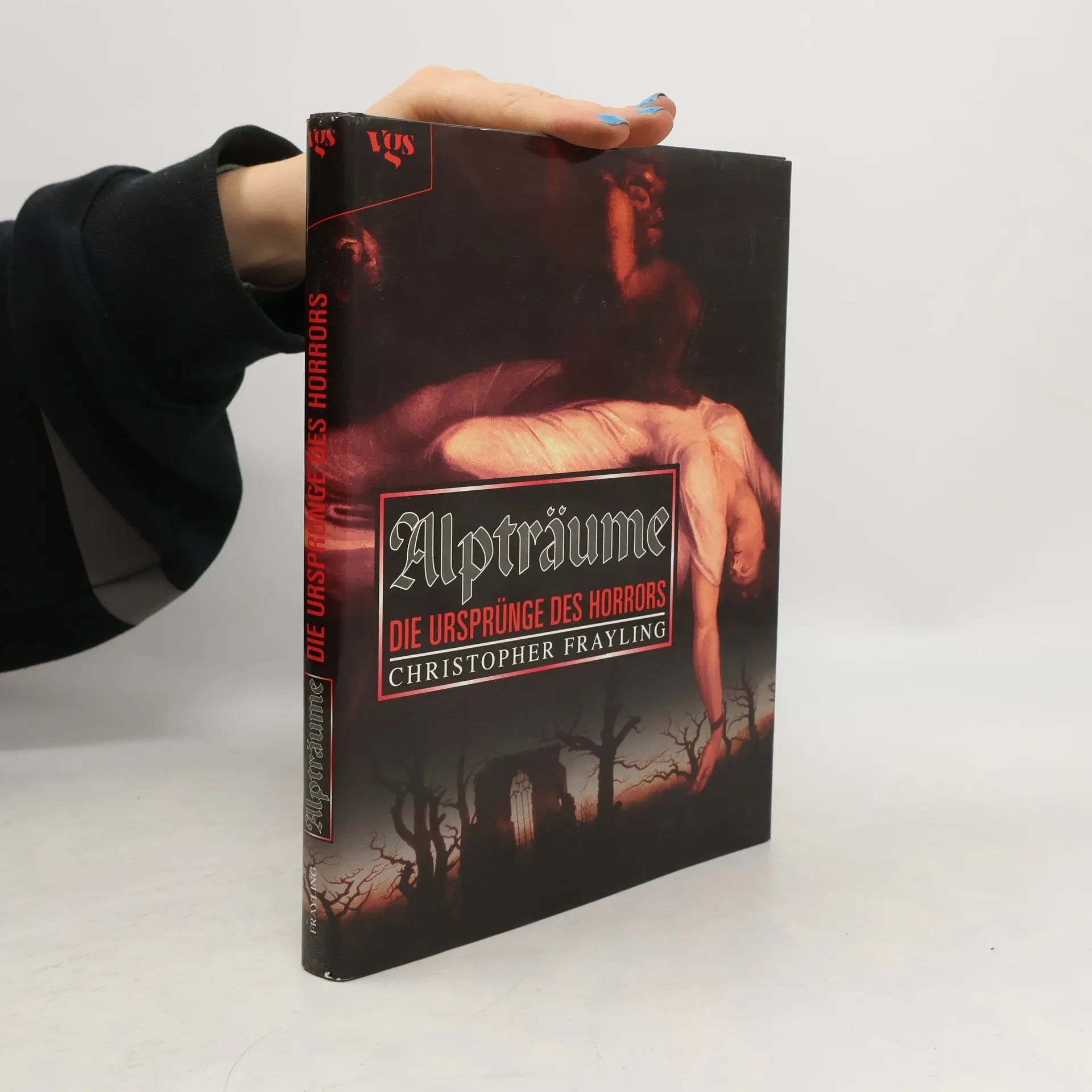
Mary Shelleys Schöpfung, Frankenstein, entstand aus einem Traum einer jungen Frau, die gerade ihr erstes Kind verloren hatte, und hat sich zu einer Warnung vor den Gefahren des Eingreifens in die Natur verwandelt. Der Vampir begann als sexuelle Fantasie, und Bram Stokers Erzählung wurde zu einer Metapher für Dominanz und Abhängigkeit in sexuellen Beziehungen. "Dr. Jekyll und Mr. Hyde", vielleicht die psychologischste aller Horrorgeschichten, untersucht das Tier im Menschen und die dunkle Seite der menschlichen Natur. "Der Hund von Baskerville" erzählt von dem Konflikt zwischen Rationalismus und Folklore sowie den Fähigkeiten von Sherlock Holmes. Dieses Buch erforscht die Welt des Makabren und Gothic in der viktorianischen Fantasie und untersucht, warum und wie die großen Horrormythen entstanden sind und welche populäre Anziehungskraft sie im 19. Jahrhundert hatten. Es wird auch untersucht, wie sie in unserer Kultur neue Bedeutungen und Dimensionen angenommen haben.
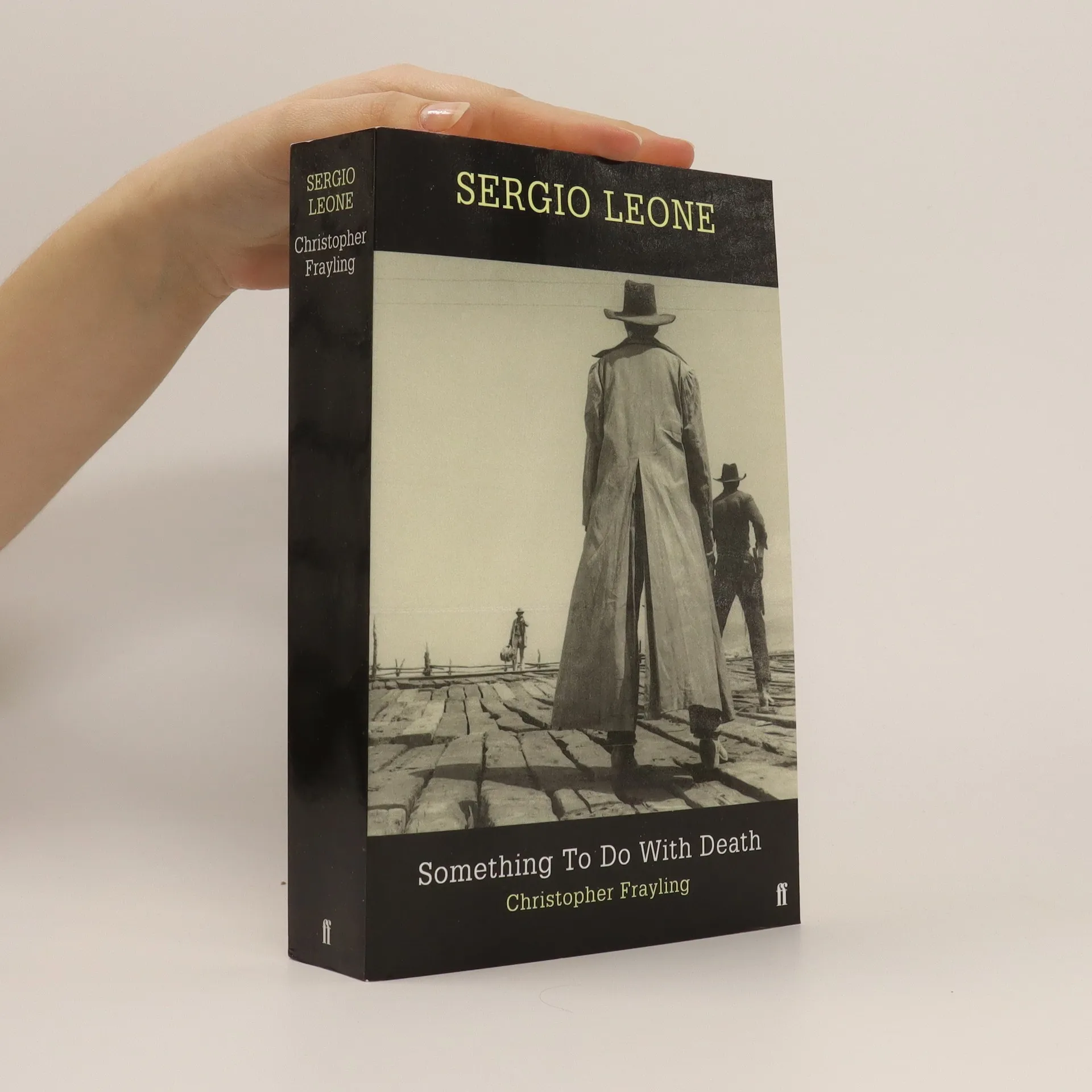
Groundbreaking 'spaghetti westerns' such as the 'Dollars' trilogy (starring Clint Eastwood as 'The Man With No Name'), and the magisterial Once Upon A Time In The West, made Sergio Leone one of the most popular directors in world cinema. Christopher Frayling's biography of Sergio Leone lovingly explores his body of work, and casts light upon the previously little-known details of his life. Sergio Leone was born into movies, his father a popular director of the silent era. Obsessed by the illusory worlds of cinema and theatre, captivated by the myths of the American West, young Sergio embarked on a fabulous career of his own. He made an icon out of the initially reluctant Clint Eastwood, and dallied with the Hollywood studio system, but always stuck to his guns: the gangster epic Once Upon A Time In America consumed 15 years of his life. But Leone's passion made for extraordinary cinema: a widely-adored collection of films, about which Christopher Frayling provides an unprecedented wealth of extensively-researched analysis and anecdotage. In this revealing biography Christopher Frayling, the widely-acclaimed author of The Yellow Peril explores the life of Sergio Leone, the world-renowned director of the Good, the Bad and the Ugly, A Fist full of Dollars, Once Upon A Time in the West and Once Upon A Time in America.
In the mid-1960s, an unknown Italian film director, Sergio Leone, made A Fistful of Dollars, the first in a trilogy of films that came to define the spaghetti western. The films that complete the trilogy, For a Few Dollars More and The Good, the Bad and the Ugly, are, like the first film, violent, cynical and visually stunning, and together they form the backbone of an important film genre that has influenced many contemporary filmmakers. This book, newly available in paperback, is an authoritative, in-depth study of Leone and the ItalianWestern by film expert and cultural historian Sir Christopher Frayling. Featuring analyses of and interviews with all the key players, including Leone himself, it forms a wonderful tribute to one of the master filmmakers of the 20th century.
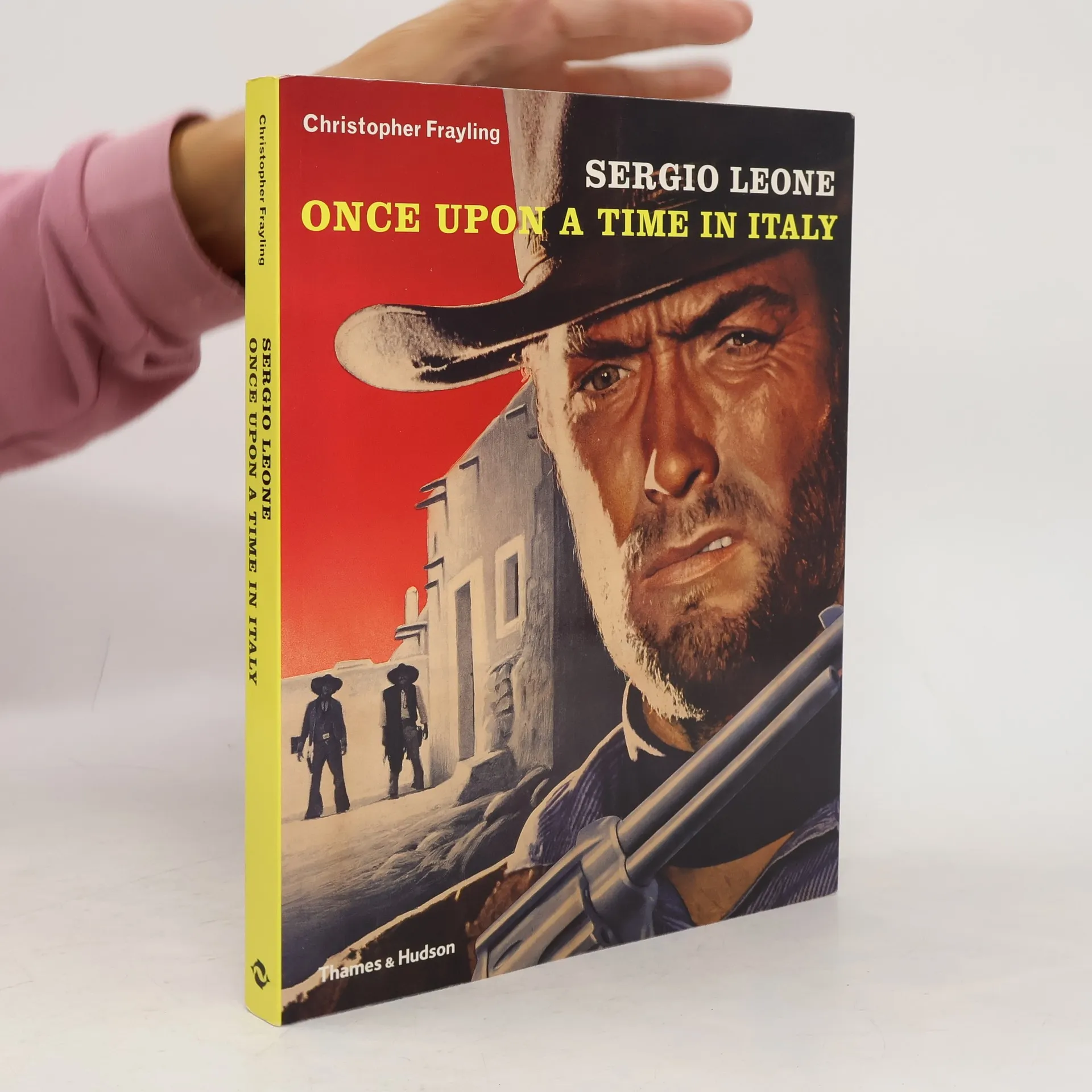
The French New Wave is one of the most important movements in the history of film. Its fresh energy and vision changed the cinematic landscape and it has had a seminal impact on pop culture. The poster artists tasked with selling these Nouvelle Vague films to the masses were at the forefront of a revolution in art, graphic design and photography. This volume is a visual celebration of their explosive and ground-breaking poster art.
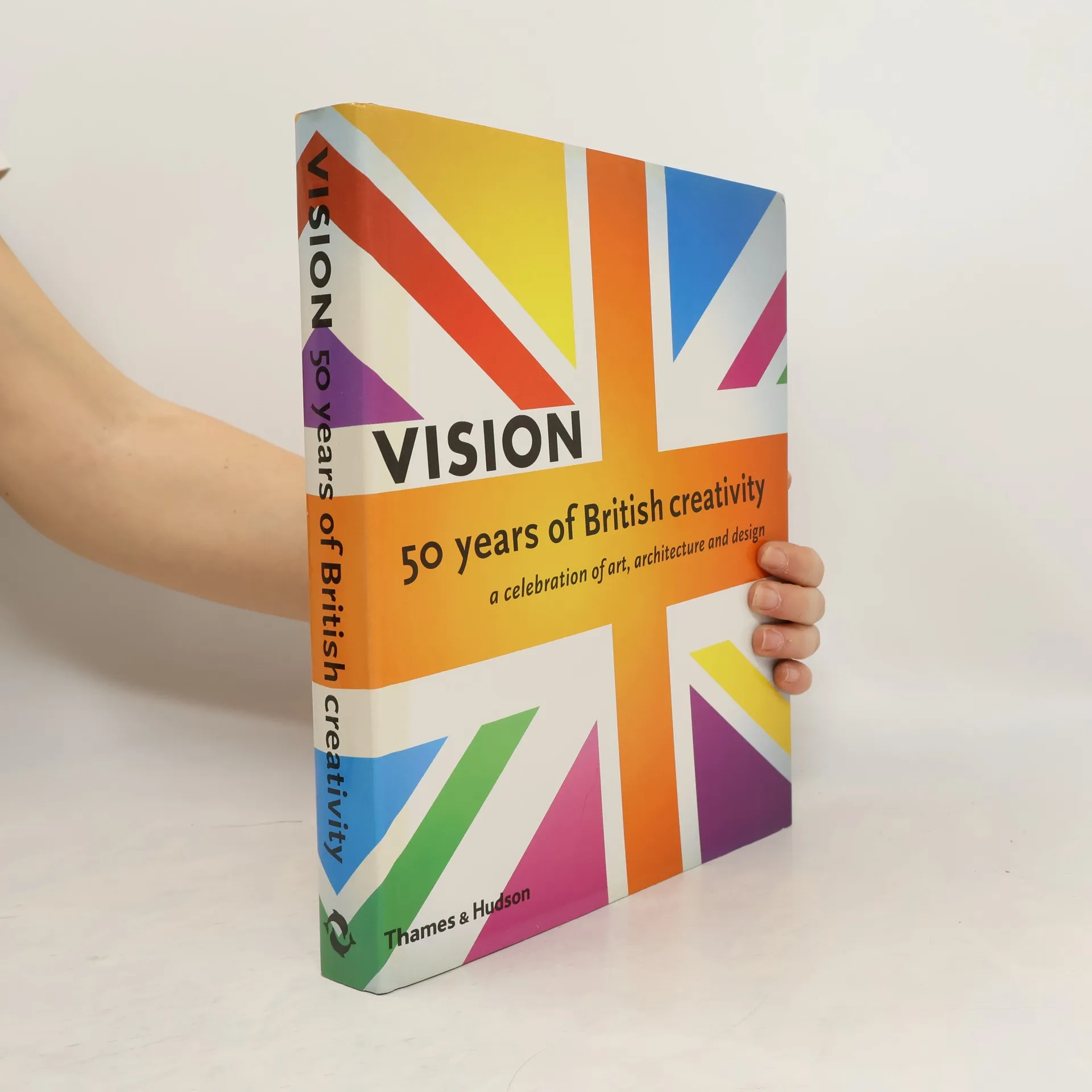
50 Years of British Creativity, A Celebration of Art, Architecture and Design
The latter half of the twentieth century witnessed British artists, architects, and designers rising to prominence globally. In the post-war reconstruction era, youth began to challenge established artistic norms, drawing inspiration from popular culture. This iconoclasm, rooted in the Pop movement, remains a vital aspect of British art. The book provides a year-by-year account, juxtaposing emerging talents with established figures, highlighting connections and contradictions across various visual disciplines, including architecture, interior design, and graphic art. Through images and text, it delves into the factors shaping British art's unique character, such as the distinctive art school teaching system, fashion, pop music, and political influences. Artists' responses to these elements have consistently been original and thought-provoking, paving the way for future innovation. Organized by decade, the book showcases achievements accompanied by insights from notable artists, designers, collectors, and critics who have significantly impacted each era. The creative landscape has thrived on encouragement, challenge, and opposition, enabling talents to transcend shifting tastes. Featuring over 250 artists, including Henry Moore, David Hockney, and Damien Hirst, this publication also commemorates the first fifty years of Thames and Hudson, founded by Walter Neurath in 1949, and its role in public education and arts support.
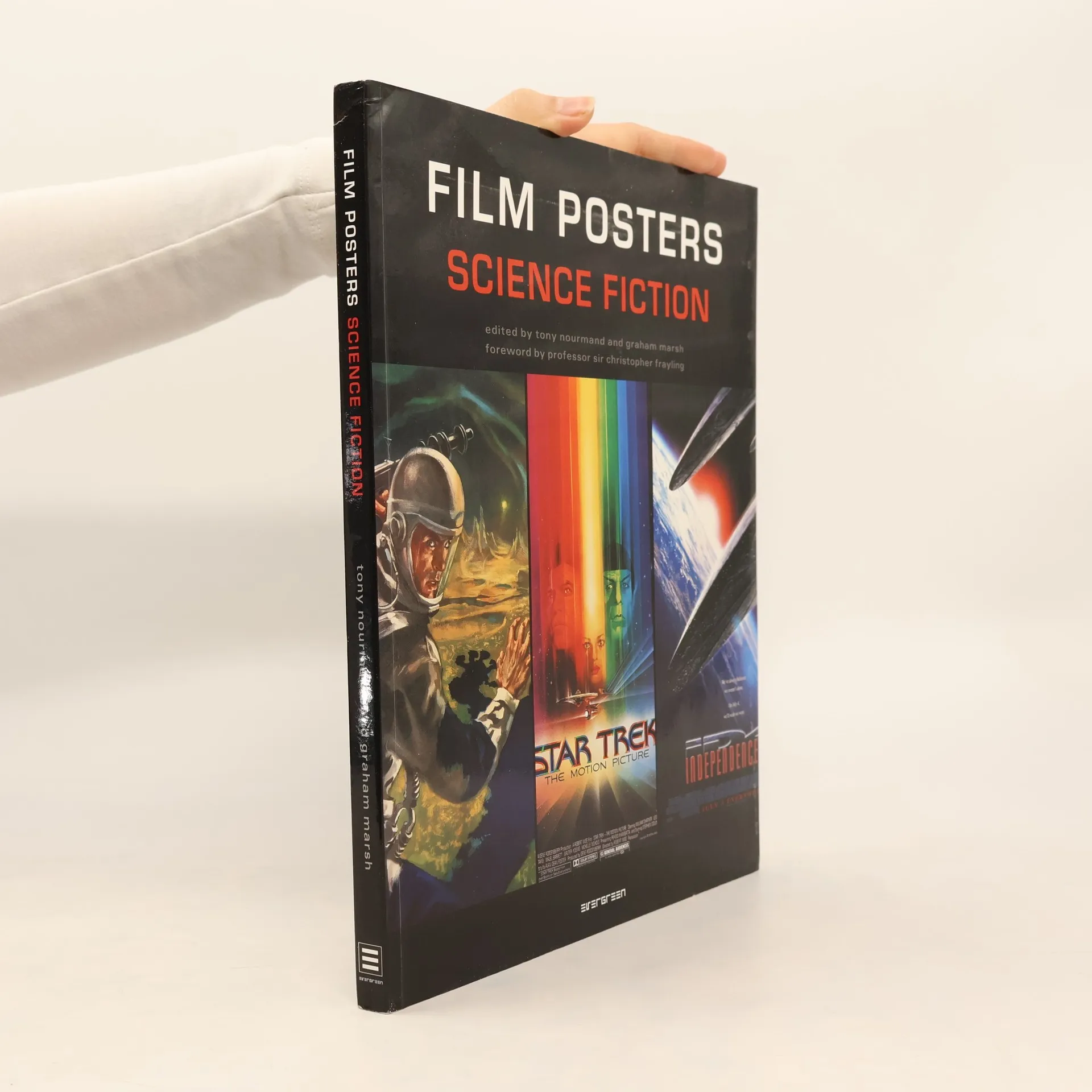
With its unique ability to bring our wildest fantasies to life, the cinema has done more than any other medium to popularize the science fiction genre throughout the world. From Metropolis to Godzilla and from Invaders From Mars to Star Wars , science fiction movies have peopled our universe, and others, with some of the studios' coolest creations - including a vast range of aliens, robots, bug-eyed monsters and spaceships. Considering the visual richness of the subject matter, it is no wonder that successive generations of the most talented illustrators, painters, art directors and designers, all with imagination to spare, have signed on to produce posters for science fiction films. Their creations not only provide us with a record of how they and their contemporaries saw the future, they also serve as a visual running commentary on all that has happened in graphic design since Lumière invented motion pictures. The images in this book, representing the crème de la crème of science fiction posters from artists in different countries and cultures, show what has been luring audiences into the cinema from 1902 to the present day.
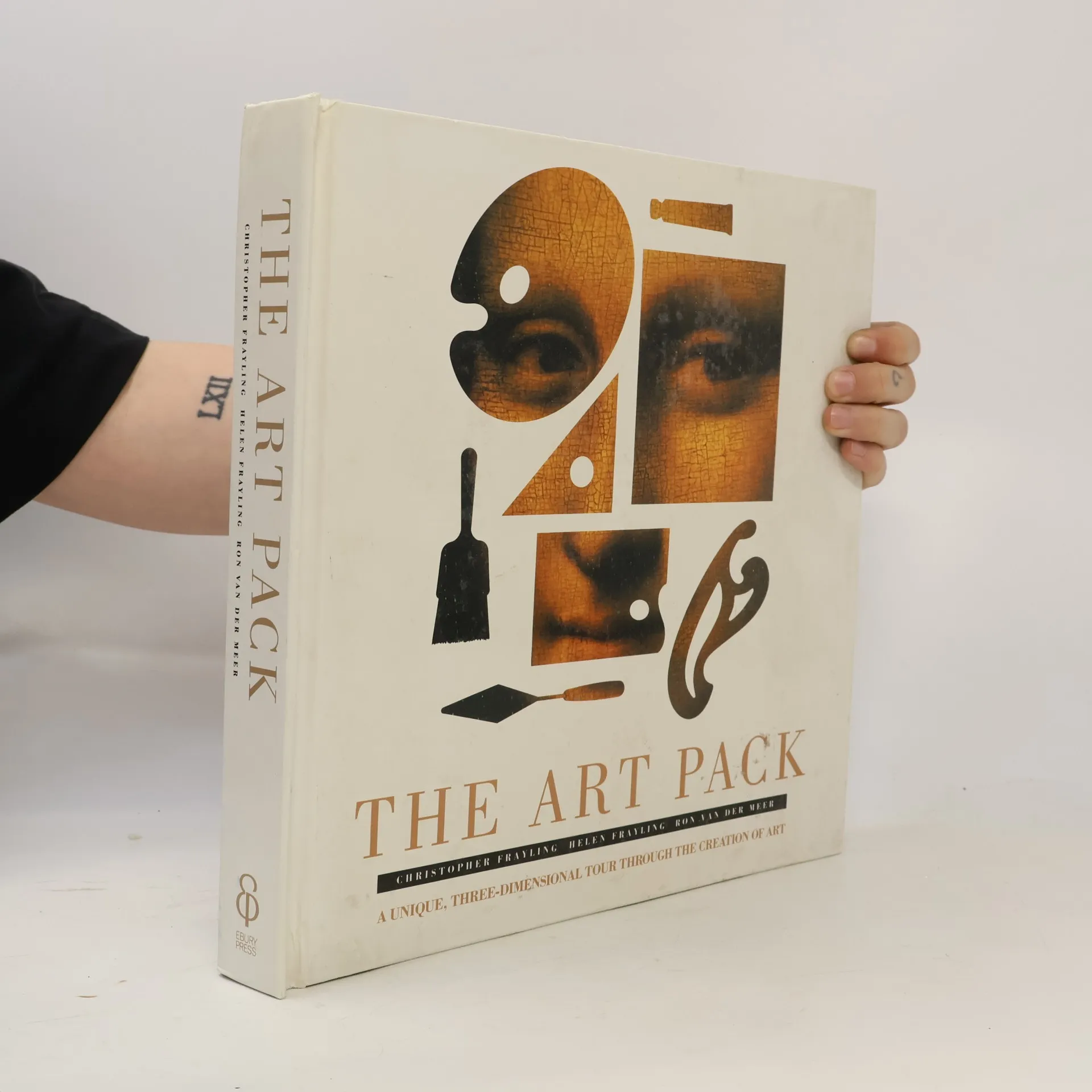
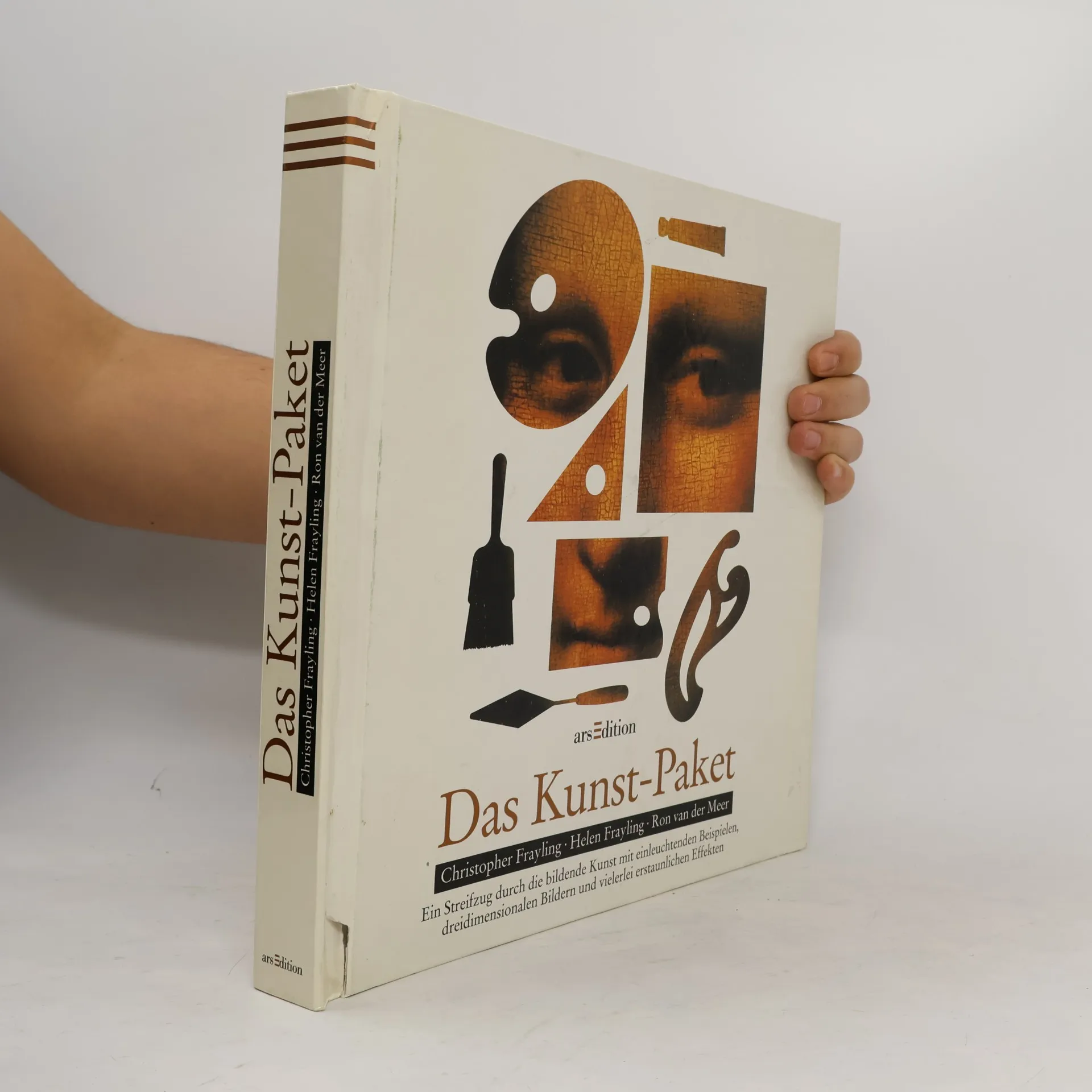
Looking at Western art history from medieval times to the present day, this boxed set shows readers everything they need to know about great art and artists. Packed with colour reproductions, it contains many pull-out and pop-up elements which allow the reader to discover aspects in the history of art. The elements include a medieval masterpiece to take apart and reconstruct so you can see if you can improve the composition, a pull-out camera obscura to show how artists used it, a colour wheel to understand the full significance of the spectrum, a pop-up cubist painting and a mobile to make yourself. On a tape enclosed in the pack, the authors describe each painting in their top 20, explaining its significance, with a booklet to tell you about every word, name, concept, group, era and aspect of art.
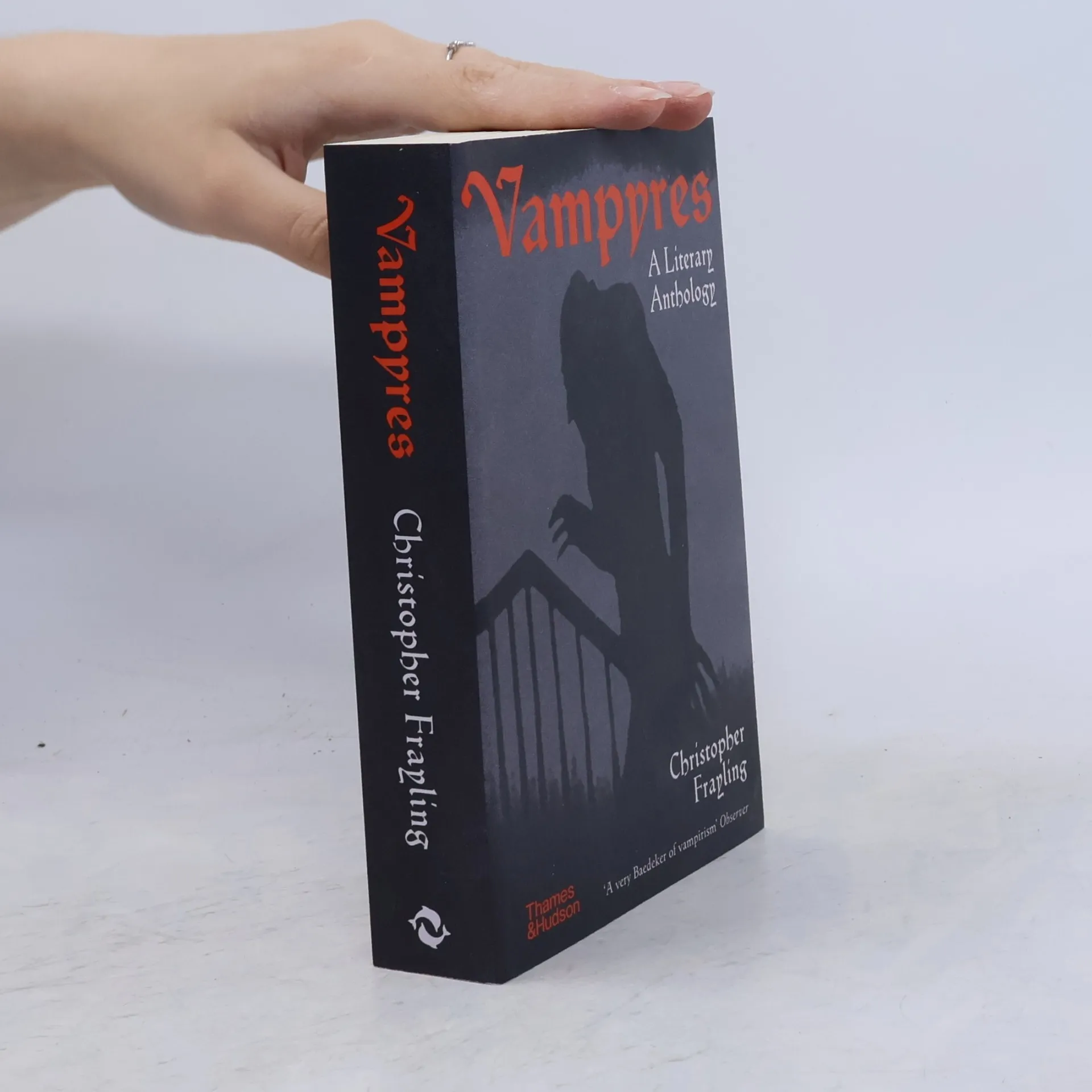
A comprehensive anthology of vampires in literature, from Dracula to Twilight. Christopher Frayling has spent 50 years exploring the history of one of the most enduring figures in the history of mass culture - the vampire. Vampyres is a comprehensive illustrated history of vampires in literature, from the folklore of Eastern Europe to the Romantics and beyond. Frayling recounts the most significant moments in Gothic history, while extracts from a huge range of sources - including Bram Stoker's detailed research notes for Dracula, penny-dreadfuls and Angela Carter's The Lady of the House of Love, are contextualized and analysed. This revised and expanded edition brings Vampyres up to date with 21st-century vampire literature, including new text extracts, commentary and a revised introduction. Christopher Frayling also explores the development of the vampire in the visual arts, with illustrations ranging from 17th-century prints to 21st-century film stills, demonstrating the enduring appeal of the vampire from popular press to fine art and, finally, to film.
This delightful compendium focuses on one of the best-loved poems in the English language, but in the process it takes the reader on an engaging romp through the literary, intellectual, and cultural world of the eighteenth century. It brings alive a host of engaging characters: Horace Walpole himself (one of the great letter writers of all time, wit, raconteur; the curmudgeonly Dr. Johnson (who nevertheless had a very fine cat indeed ) and his sometimes recalcitrant biographer James Boswell; and a cast of handsome cats, including Selima and Zama.In February 1747, Selima the tabby fell into a Chinese blue and white porcelain tub in Walpole s house in London s Mayfair and never returned to dry land. The poem by Thomas Gray, Ode on the Death of a Favourite Cat, Drowned in a Tub of Gold-fishes, was written as her mock epitaph. Here is the true history of the event, and a look at the sparkling social and cultural life of the period. It is beautifully illustrated with Richard Bentley s original series of designs for the poem, William Blake s wonderful watercolors of some fifty years later, and the unpublished color illustrations produced in the 1940s by the noted children s book illustrator Kathleen Hale, of Orlando the Marmalade Cat fame.