-Unsere Gesellschaft postuliert bis heute den in sich zentrierten Menschen mit einer klar erkennbaren Persönlichkeit, einem Wesen, einem Charakter. Das entspricht nicht unserer Natur. Das Internet bietet jede Menge Selbsterfahrung, und eine wichtige Einsicht ist: Ich bin viele.-
Sherry Turkle Bücher
Sherry Turkle beleuchtet die subjektive Seite der menschlichen Beziehungen zur Technologie, insbesondere zu Computern. Als Expertin für mobile Technologien, soziale Netzwerke und Robotik untersucht sie, wie Technologie uns formt und wie wir sie formen. Ihre Arbeit taucht tief in die psychologischen und sozialen Auswirkungen von Technologie auf unser Leben ein. Turkle bietet aufschlussreiche Einblicke, wie technologische Entwicklungen unsere Verbindungen und unser Selbstverständnis im digitalen Zeitalter beeinflussen.



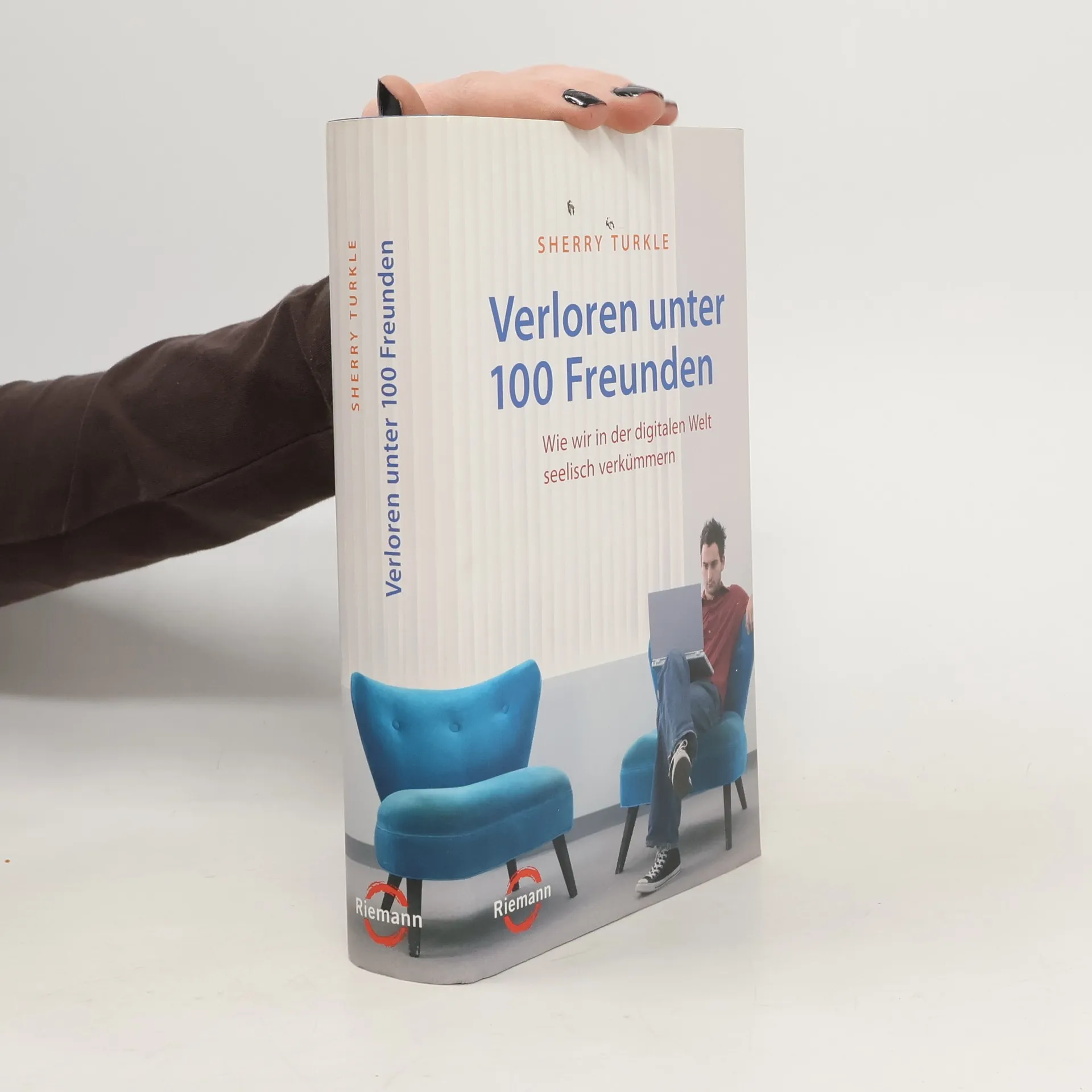

Google, Facebook, E-mail und Online-Games haben unser Leben fest im Griff. Wie wird unsere Zukunft aussehen? Wir wollten sie als smarte „Diener“ unseres Alltags, nun sind sie unsere Herren. Sie sollten uns helfen, Zeit zu sparen, nun sind sie zu Zeitfressern sondergleichen geworden. Wir wollten sie programmieren, jetzt programmieren sie uns. Wenn insbesondere junge Leute hemmungslos in Blogs, Chats, Kontaktforen und Onlinewelten abtauchen, hat das einen tieferen Psychologischen Grund: Menschliche Beziehungen erscheinen zunehmend kompliziert und verletzend. Dafür bietet das Netz Kontakt ohne wahre Intimität, Gemeinschaft ohne Risiko, Nähe mit ausreichendem Sicherheitsabstand. Der moderne Mensch hat oft 100 Facebook-Friends, aber keinen einzigen echten Freund. Computer und Internet geben uns die Freiheit, überall zu arbeiten – in Wahrheit sind wir überall „gemeinsam einsam“. Sherry Turkle zeigt, wie Technologien zunehmend die Funktionsweise unseres Geistes und unser Gefühlsleben beeinflussen. Sie führt uns mit aktuellen Studien und drastischen Fallbeispielen vor Augen, welche ernsten Konsequenzen die gedankenlose Hingabe an die digitalen Verführer hat. Aber sie verdammt die Cyberwelt keineswegs als Teufelszeug. Denn wir haben durchaus die Chance, ihre immer grenzenloseren Möglichkeiten verantwortungsvoll zu nutzen.
1. 1986 pocket_book ROWOHLT Taschenbuch,
Psychoanalytic Politics
Jacques Lacan & Freud's French Revolution - Revised and Updated 2nd Edition
- 344 Seiten
- 13 Lesestunden
In 1914, Freud predicted that the ultimate challenge for psychoanalysis would arise where resistance was strongest, particularly wary of America's potential distortion of his core doctrines. Among Western nations, France exhibited the longest resistance to Freud, but by the late 1960s, it experienced a profound 'infatuation with Freudianism.' This culminated in a rich psychoanalytic culture, largely shaped by Jacques Lacan's reinterpretation of Freudian theory, which resonated with the societal shifts following the 1968 uprisings. While psychoanalysis in the U.S. became tied to a conservative medical establishment, the French revival of Freud aligned with radical philosophical and political movements. Sherry Turkle narrates Lacan's influential role in shaping the French psyche, offering insights into how cultures adopt and adapt theories of the mind. This second edition includes a preface that discusses the cultural conditions for the acceptance of philosophical ideas and a final chapter, "Dynasty 1991," detailing Lacan's later years and the ensuing power struggles within his school after his death in 1981. The book serves as a comprehensive introduction to Lacan's teachings and provides an intimate sociology of how ideas resonate with individuals, making it essential for those interested in psychoanalysis, history, social theory, and related fields.
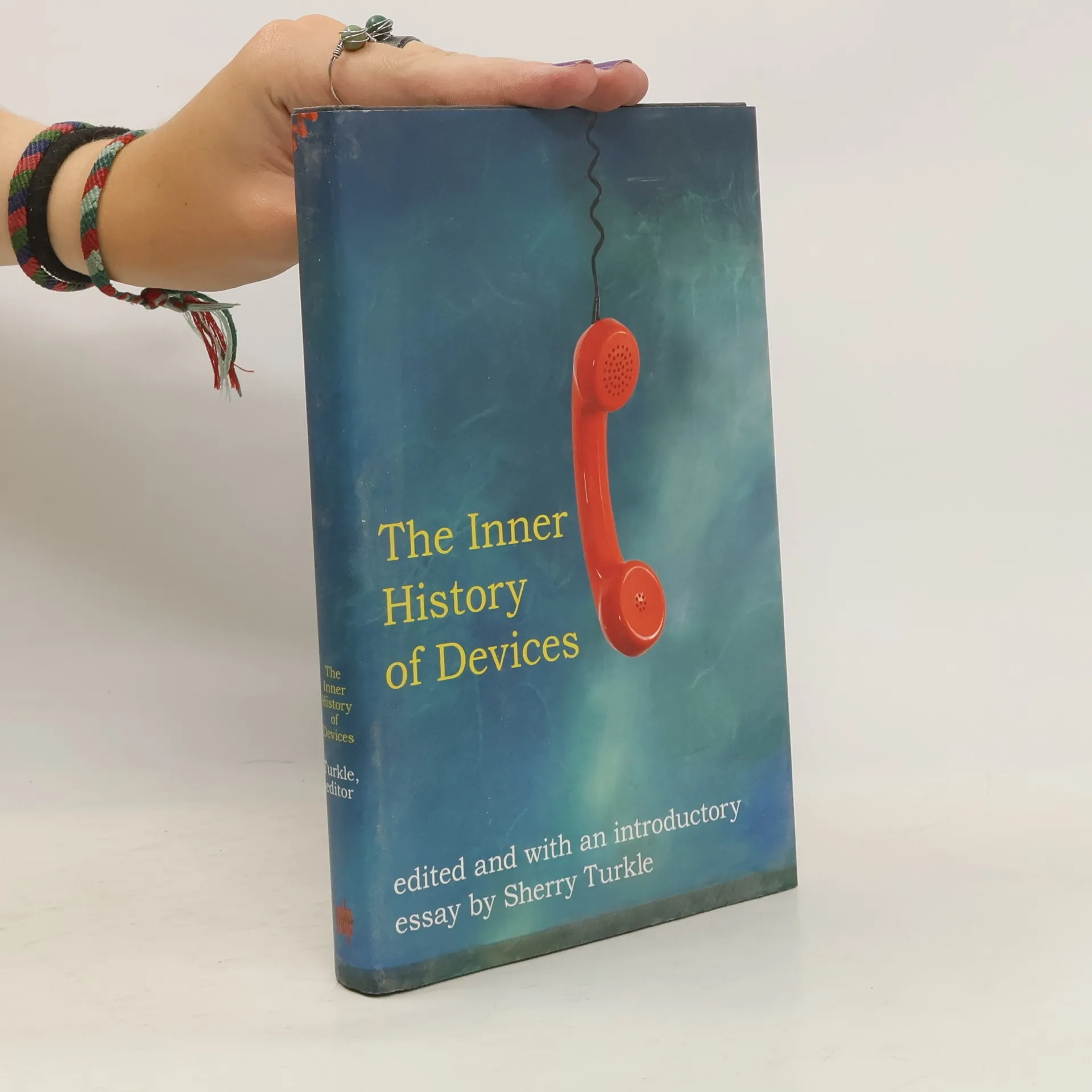
The Inner History of Devices
- 208 Seiten
- 8 Lesestunden
For over two decades, Sherry Turkle has explored how technology shapes our private lives in landmark studies. In her latest work, she reveals her process of understanding how our creations influence our self-perception, combining the perspectives of memoirist, clinician, and ethnographer to craft an inner history of devices. The narrative covers a range of objects, from cell phones and video poker to prosthetic eyes and dialysis machines. Turkle advocates for an "intimate ethnography" that questions conventional beliefs. One personal computer owner expresses a profound connection, stating, "This computer means everything to me. It's where I put my hope." This prompts Turkle to shift her inquiry from how computers are used to what makes them so deeply meaningful. The work invites readers to listen for deeper insights, presenting stories of an American student reconciling her identities through a cell phone used in Japan, a patient using email to navigate her relationship with her therapist, and a compulsive gambler who prefers the unpredictability of video poker. Through these narratives, we uncover untold stories and recognize that conventional wisdom often falls short in capturing the complexities of our interactions with technology.
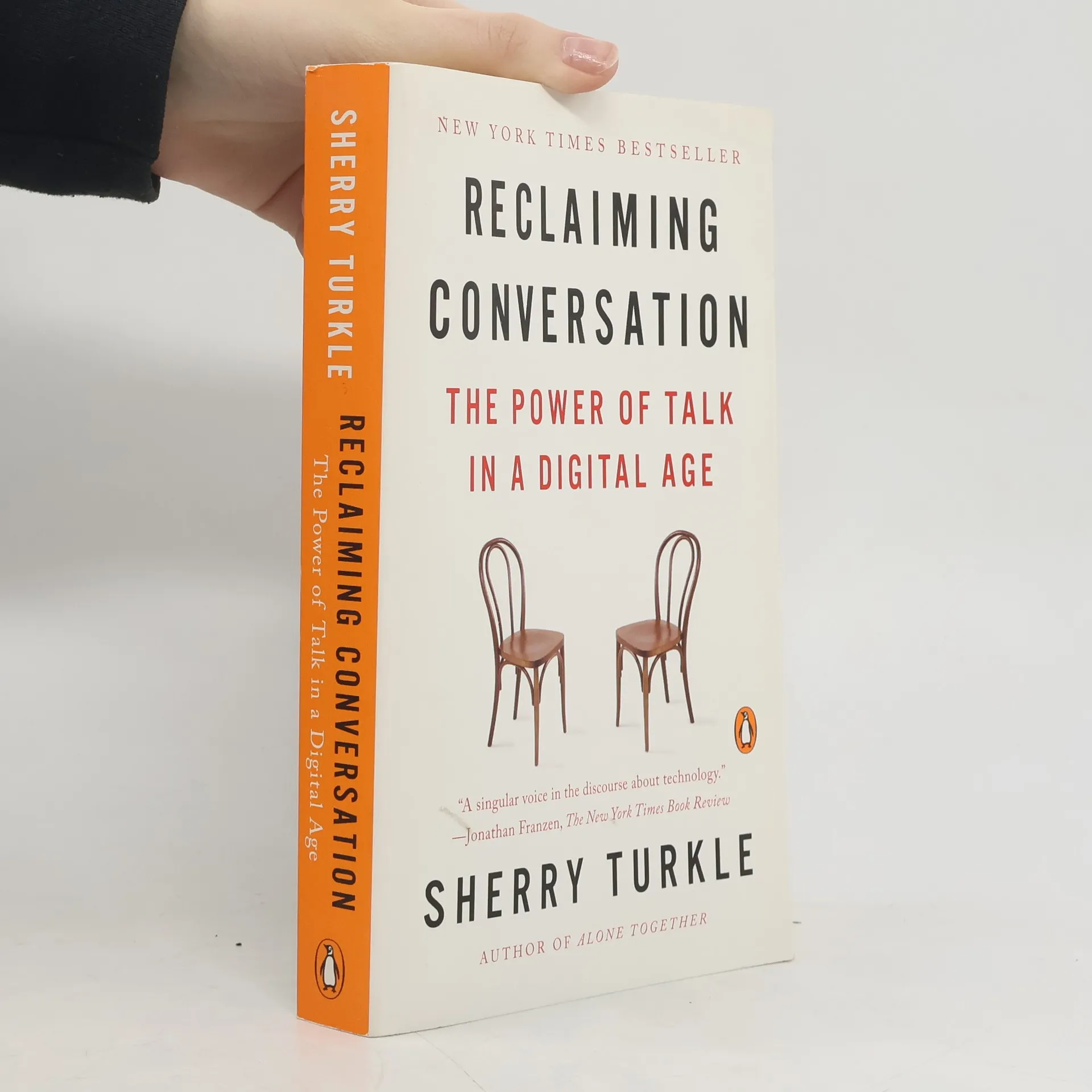
Reclaiming Conversation
- 436 Seiten
- 16 Lesestunden
Preeminent author and researcher Sherry Turkle has studied digital culture for over thirty years. While she has long been an enthusiast for its possibilities, she now investigates a troubling consequence: our tendency to avoid conversation in various aspects of life—work, home, politics, and love—opting instead for texts and emails that allow us to disengage. This shift has led to silent dinner tables where children compete with phones for parental attention and friends struggle to maintain conversations when few are looking up from their screens. At work, we retreat to our devices, despite the fact that informal conversations enhance productivity and commitment. Online, we often share only agreeable opinions, avoiding the real conflicts of public discourse. The need for conversation begins with self-reflection, which is endangered in an always-connected world where loneliness is seen as a problem technology should solve. This reliance on others for self-worth diminishes our empathy and relationships. The consequences of avoiding conversation are evident: it undermines democracy and business success, while fostering empathy, friendship, love, and learning in our personal lives. However, there is hope; Turkle's five years of research reveal that we can reclaim conversation, the most humanizing act we engage in, to address modern challenges. We possess everything we need to start—each other.
Alone together : why we expect more from technology and less from each other
- 384 Seiten
- 14 Lesestunden
Technology has become the architect of our intimacies. Online, we fall prey to the illusion of companionship, gathering thousands of Twitter and Facebook friends, and confusing tweets and wall posts with authentic communication. But this relentless connection leads to a new solitude.
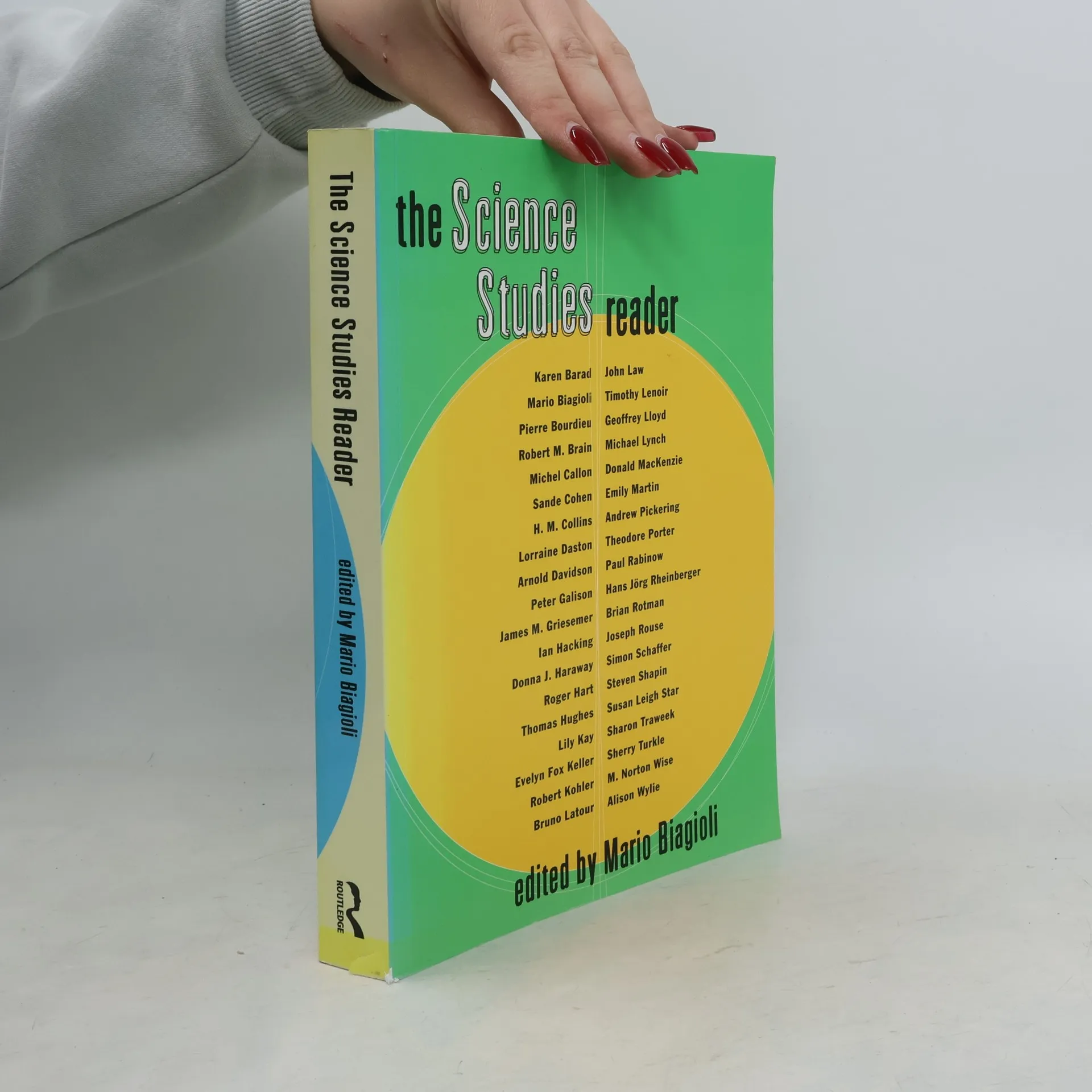
The Science Studies Reader
- 590 Seiten
- 21 Lesestunden
The Reader focuses on the practices of modern and contemporary science and technology located in different national and institutional settings, with some attention to non- Western contexts. By mapping some of the open questions and points of tension likely to occupy the field for years to come, the essays in the Reader cast fresh light on what "science" means at the end of the twentieth century.