

Michael D. Gordin Reihenfolge der Bücher (Chronologisch)
Michael Gordin konzentriert sich auf die Geschichte der modernen Wissenschaft und erforscht deren gesellschaftliche Auswirkungen. Seine Arbeit befasst sich häufig mit dem Zusammenspiel von wissenschaftlichen Entdeckungen, politischen Landschaften und sozialen Ideologien und enthüllt die komplexen Wege, auf denen Wissen unsere Welt prägt. Gordin analysiert historische Ereignisse und intellektuelle Strömungen mit Schwerpunkt auf ihren langfristigen Folgen und dem Zusammenspiel verschiedener Bereiche menschlichen Verständnisses. Sein Ansatz bietet den Lesern tiefe Einblicke in entscheidende Momente des wissenschaftlichen Fortschritts und deren breiteren kulturellen Kontext.



Einstein in Bohemia
- 360 Seiten
- 13 Lesestunden
Though one of the most significant figures in modern science, Einstein often occupied a marginal position. Despite his role in developing quantum theory, he remained skeptical of it, and his major research goal at Princeton—a unified field theory—ultimately failed. Michael Gordin delves into this paradox by focusing on a brief yet pivotal period in Einstein's life: his time as a physics professor in Prague from April 1911 to summer 1912. Often overlooked by biographers, this year was crucial for Einstein personally and scientifically. During this time, his marriage deteriorated, he began to confront his Jewish identity, and he attempted a new explanation for gravitation that, despite its failure, influenced his later work. He also met key figures such as Max Brod, Hugo Bergmann, Philipp Frank, and Arnošt Kolman, who would shape his thinking. This exploration serves as a double-biography of Einstein and Prague, linking the two in their shared paradox of being both central and marginal to European history. While Prague would become the capital of the Czech Republic, it was often overshadowed by Vienna and Budapest within the Habsburg Empire. The city boasted a vibrant Germanophone intellectual scene, despite the majority of its population speaking Czech. By highlighting the marginality and centrality of both Einstein and Prague, Gordin offers fresh insights into Einstein's life and the intellectual climate of early twentieth-ce
Scientific Babel
- 428 Seiten
- 15 Lesestunden
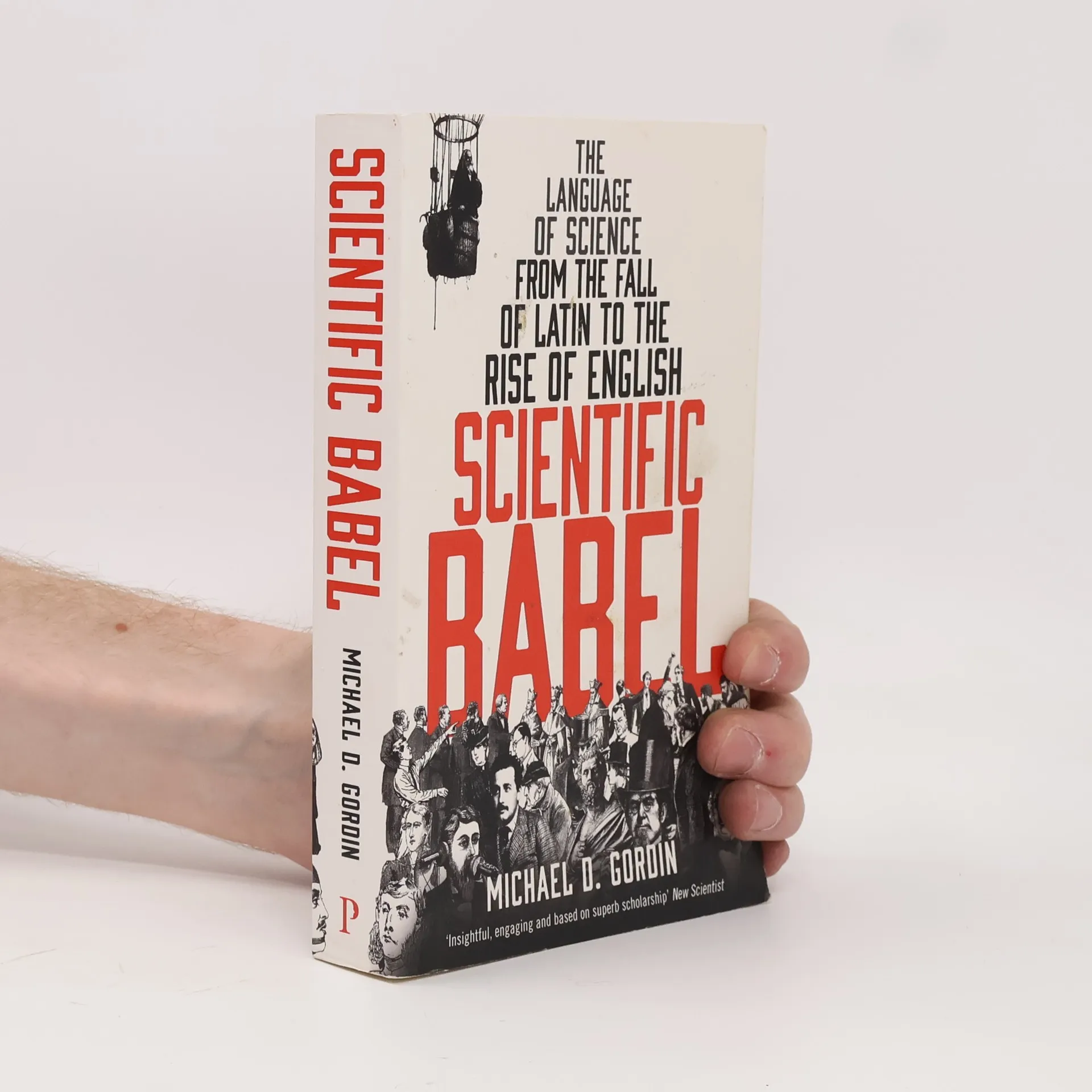
Today, the language of science is English. But the dominance of this particular language is a relatively recent phenomenon - and far from a foregone conclusion.In a sweeping history that takes us from antiquity to the modern day, Michael D. Gordin untangles the web of politics, money, personality and international conflict that created the monoglot world of science we now inhabit. Beginning with the rise of Latin, Gordin reveals how we went on to use (and then lose) Dutch, Italian, Swedish and many other languages on the way, and sheds light on just how significant language is in the nationalistic realm of science - just one word mistranslated into German from Russian triggered an inflammatory face-off between the two countries for the credit of having discovered the periodic table. Intelligent, revealing and full of compelling stories, Scientific Babel shows how the world has shaped science just as much as science has transformed the world.
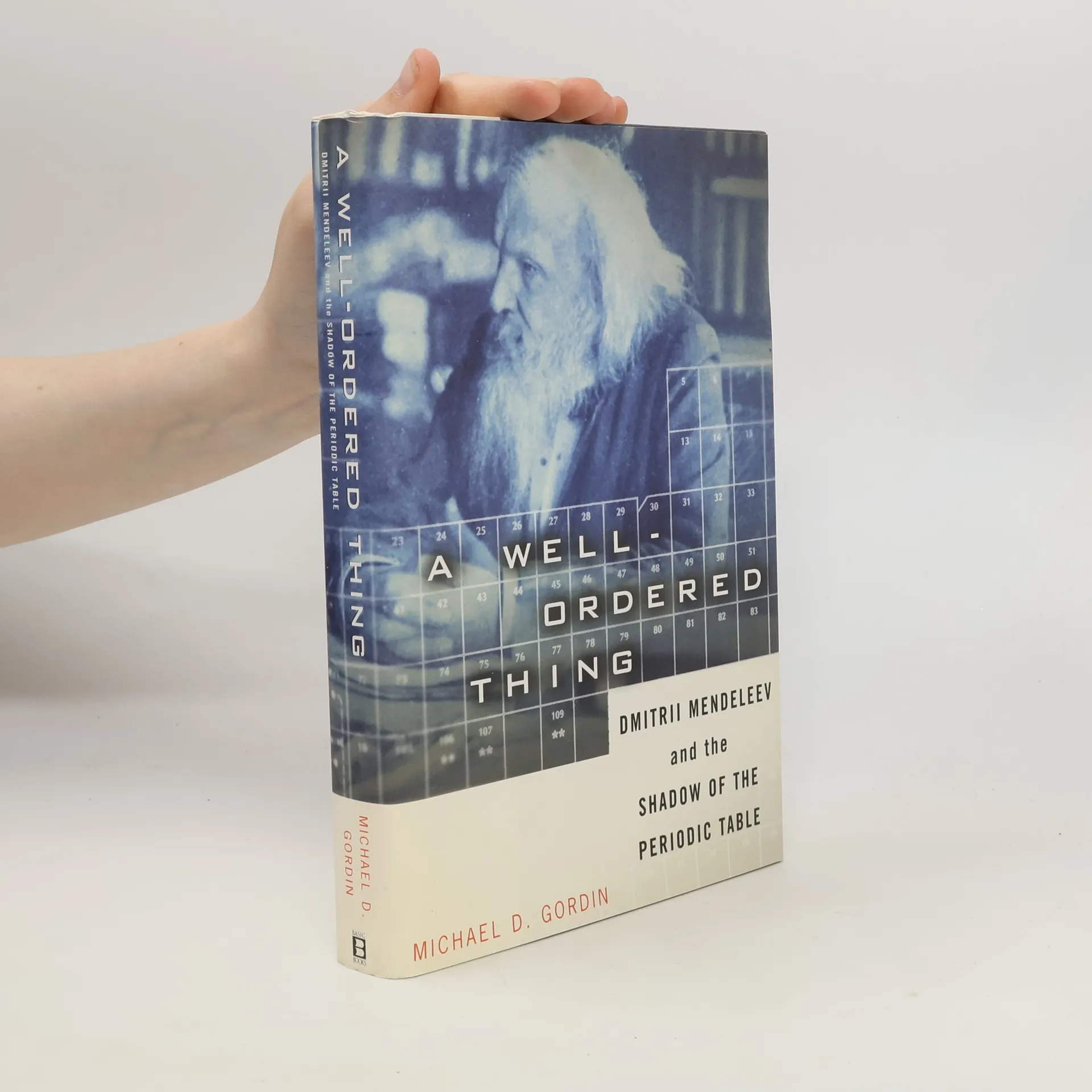
Dmitrii It's a name we recognize, but only as the disheveled scientist pictured in our high school chemistry textbook, the creator of the periodic table of elements. Until now little has been known about the man, but A Well-Ordered Thing draws a portrait of this chemist in three full dimensions.Historian Michael Gordin also details Mendeleev's complex relationship with the Russian Empire that was his home. From his attack on Spiritualism to his humiliation at the hands of the Petersburg Academy of Sciences, from his near-mythical hot-air balloon trip to his failed voyage to the Arctic, this is the story of an extraordinary man deeply invested in the good of his country. And the ideals that shaped his work in politics and culture were the same ones that led a young chemistry professor to start putting elements in order.Mendeleev was a loyal subject of the Tsar, but he was also a maverick who thought that only an outsider could perfect a modern Russia. A Well-Ordered Thing is a fascinating glimpse into the world of Imperial Russia--and into the life of one of its most notorious minds.