

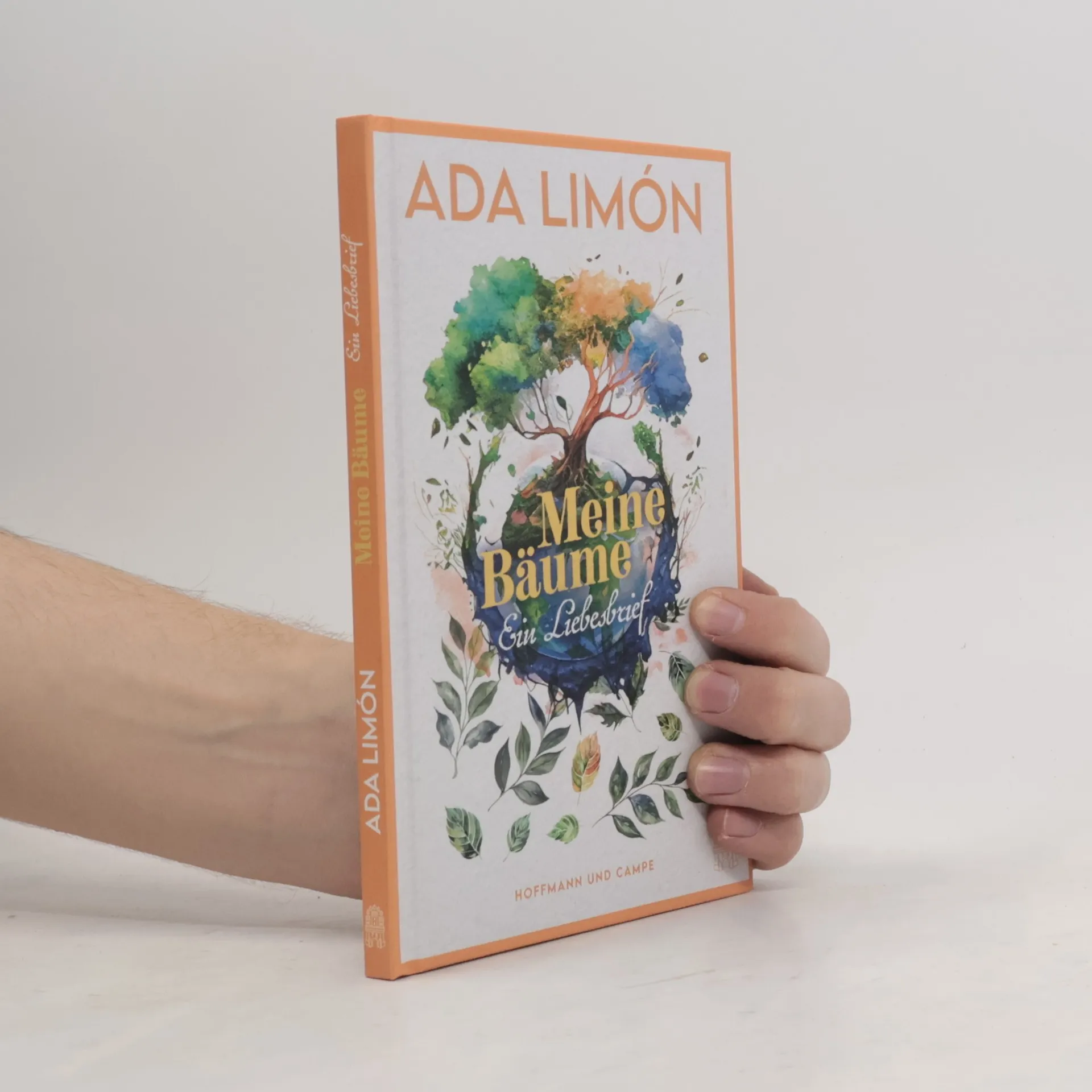
Ada Limón: TIME's Woman of the Year 2024, Gewinnerin des National Book Critics Circle Award, Finalistin des National Book Award und U.S. Poet Laureate Bäume geben uns die Luft zum Atmen, sie sind Schutzraum und Klimaanlage und machen die Erde erst zu einem Ort, wo Leben möglich ist. Ada Limóns Liebesbrief ist eine Hommage an all die Bäume, die in ihrem Leben einmal von Bedeutung waren – als Zufluchtsort, als Schattenspender, als Ruhepol – und ist zugleich eine Liebeserklärung an alle Bäume dieser Erde. In kurzen poetischen und sehr persönlichen Reflexionen feiert die Autorin die Kraft der Bäume und die Magie der Natur. Dieses Buch ist ein einzigartiger Waldspaziergang – das perfekte Geschenk für alle, denen die Natur am Herzen liegt.
Ada Limón Bücher
Ada Limón ist eine zeitgenössische amerikanische Dichterin, deren Werke die tiefen Verbindungen zwischen Natur und menschlicher Erfahrung erforschen. Ihre Poesie zeichnet sich durch aufschlussreiche Introspektion und sinnliche Sprache aus, die den Leser in die intime Landschaft ihrer Verse zieht. Limóns Schreiben schwankt oft zwischen Verletzlichkeit und Stärke, findet Schönheit in alltäglichen Beobachtungen und enthüllt universelle Wahrheiten über Liebe, Verlust und die Suche nach Zugehörigkeit. Ihr einzigartiger Stil und ihr offener Ansatz in ihrem Handwerk machen sie zu einer der bedeutendsten Stimmen der zeitgenössischen amerikanischen Poesie.

The Carrying
- 95 Seiten
- 4 Lesestunden
[Ada Lim n's] new collection is her best yet, a much needed shot of if not hope, then perseverance amidst much uncertainty. --NPR
The Hurting Kind
- 100 Seiten
- 4 Lesestunden
A collection about interconnectedness - between the human and nonhuman, ancestors and ourselves
Bright Dead Things
- 105 Seiten
- 4 Lesestunden
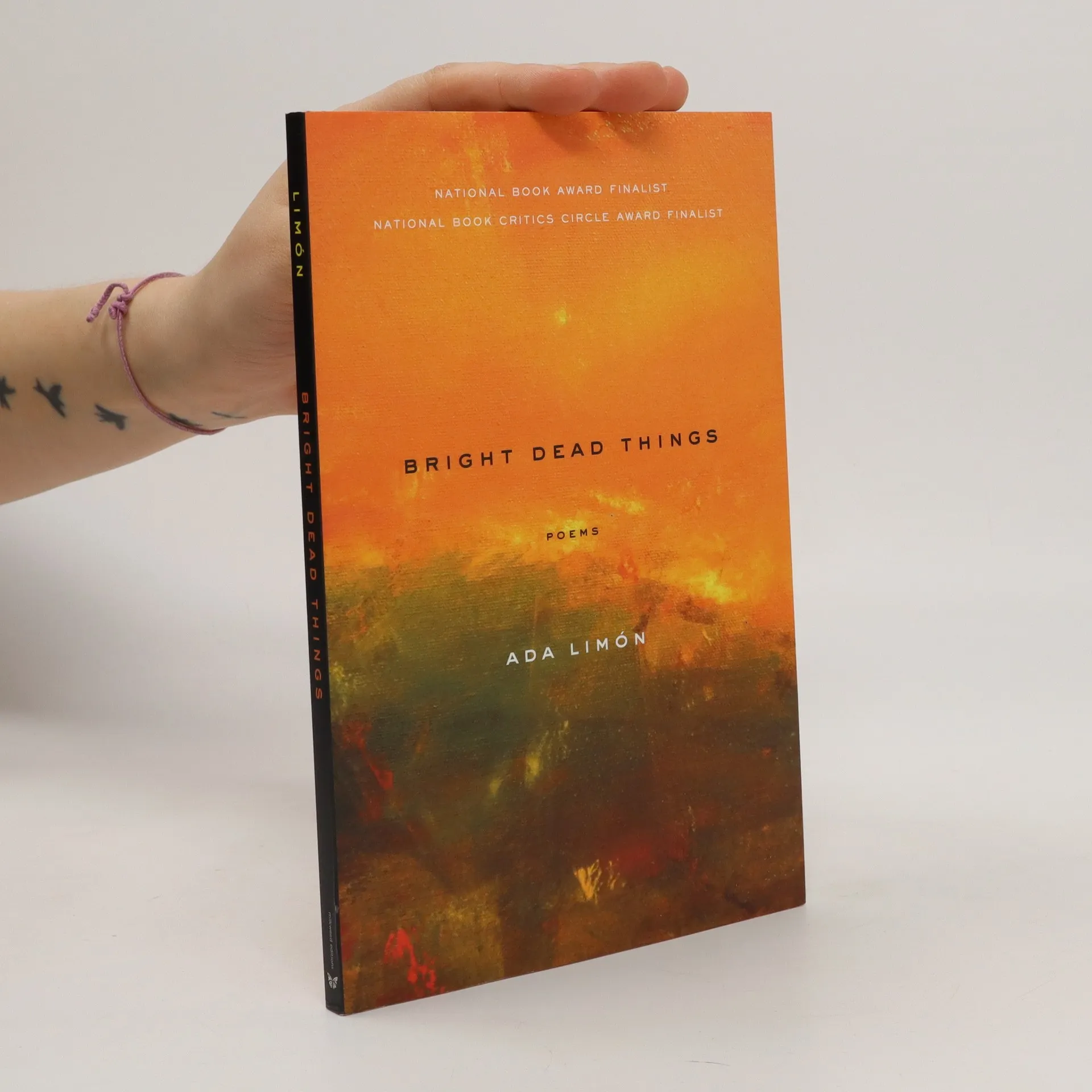
After the loss of her stepmother to cancer, Ada Limón chose to quit her job with a major travel magazine in New York, move to the mountains of Kentucky, and disappear. Yet, in the wake of death and massive transition, she found unexpected love, both for a man and for a place, all the while uncovering the core unity between death and beauty that drives our world. I am beautiful. I am full of love. I am dying,” the author writes. It's this narrative of transformation and acceptance that suffuses these poems. Unflinching and unafraid, Limón takes her reader on a journey into the most complex and dynamic realms of existence and identity, all while tracing a clear narrative of renewal. Throughout, the poet lulls us into the security of her lines, only to cut into us where we least expect it. This is not New York and I am not important,” she writes midway through a poem about her new home. A poem opens with the revelation that Six horses died in a tractor-trailer fire. / There, that's the hard part. I wanted / to tell you straight away so we could / grieve together.”Bright Dead Things examines the chaos that is life, the dangerous thrill of living in a world you know you have to leave one day, and the search to find something that is ultimately disorderly, and marvelous, and ours.”
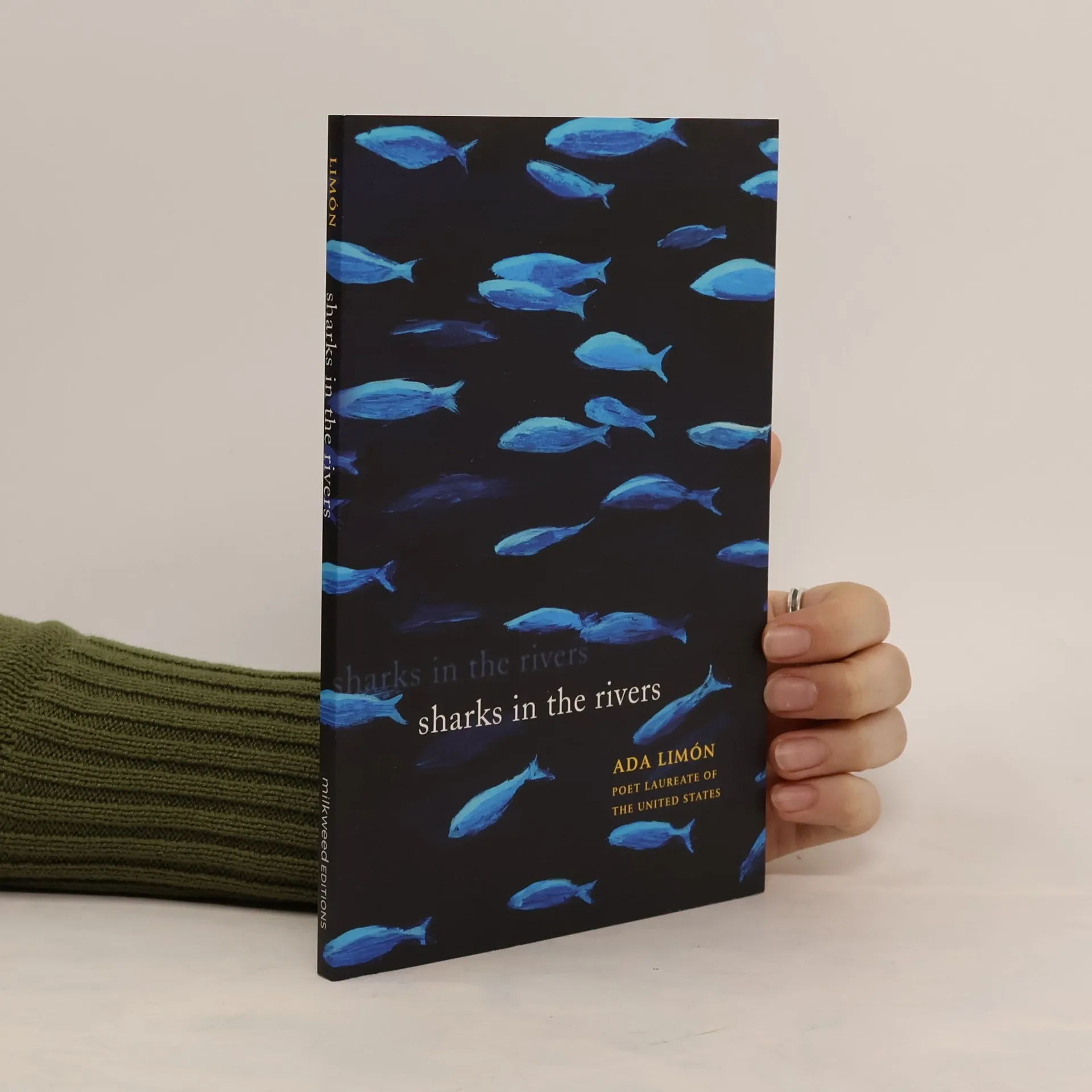
From Ada Limón, an extraordinary collection—at once urbane and earthy—that navigates the thoroughfares and tributaries of human nature.The speaker in Sharks in the Rivers finds herself multiply dislocated: from her childhood in California, from her family’s roots in Mexico, from a dying parent, from her prior self. The world is always in motion—both toward and away from us—and it is also full of risk: from sharks unexpectedly lurking beneath estuarial rivers to the dangers of New York City, where, as Limón reminds us, even rats can find themselves trapped by the garbage cans they’ve crawled into. In such a world, how should one proceed?Throughout these poems, Limón suggests that we must cleave to the world as it “keep[s] opening before us,” for, if we pay attention, we can be one with its complex, ephemeral, and beautiful strangeness. Loss is perpetual, and each person’s mouth “is the same / mouth as everyone’s, all trying to say the same thing.” For Limón, it’s the saying—individual and collective—that transforms each of us into “a wound overcome by wonder,” that allows “the wind itself” to be our “own wild whisper.”