

Exploring Winston Churchill's most significant relationships, this book offers an in-depth look at his friendships that shaped his life and career. It delves into the dynamics of these connections, revealing how they influenced his decisions and leadership during pivotal moments in history. Through rich narratives, the author highlights the personal and political aspects of Churchill's bonds, showcasing the impact of camaraderie on his legacy.
Adrian Phillips Bücher


Find out more about Edward VIII, the first celebrity monarch.
A tale of two commands that explores the differing strategies of Fighter and Bomber Command and their, at times, disastrous consequences.
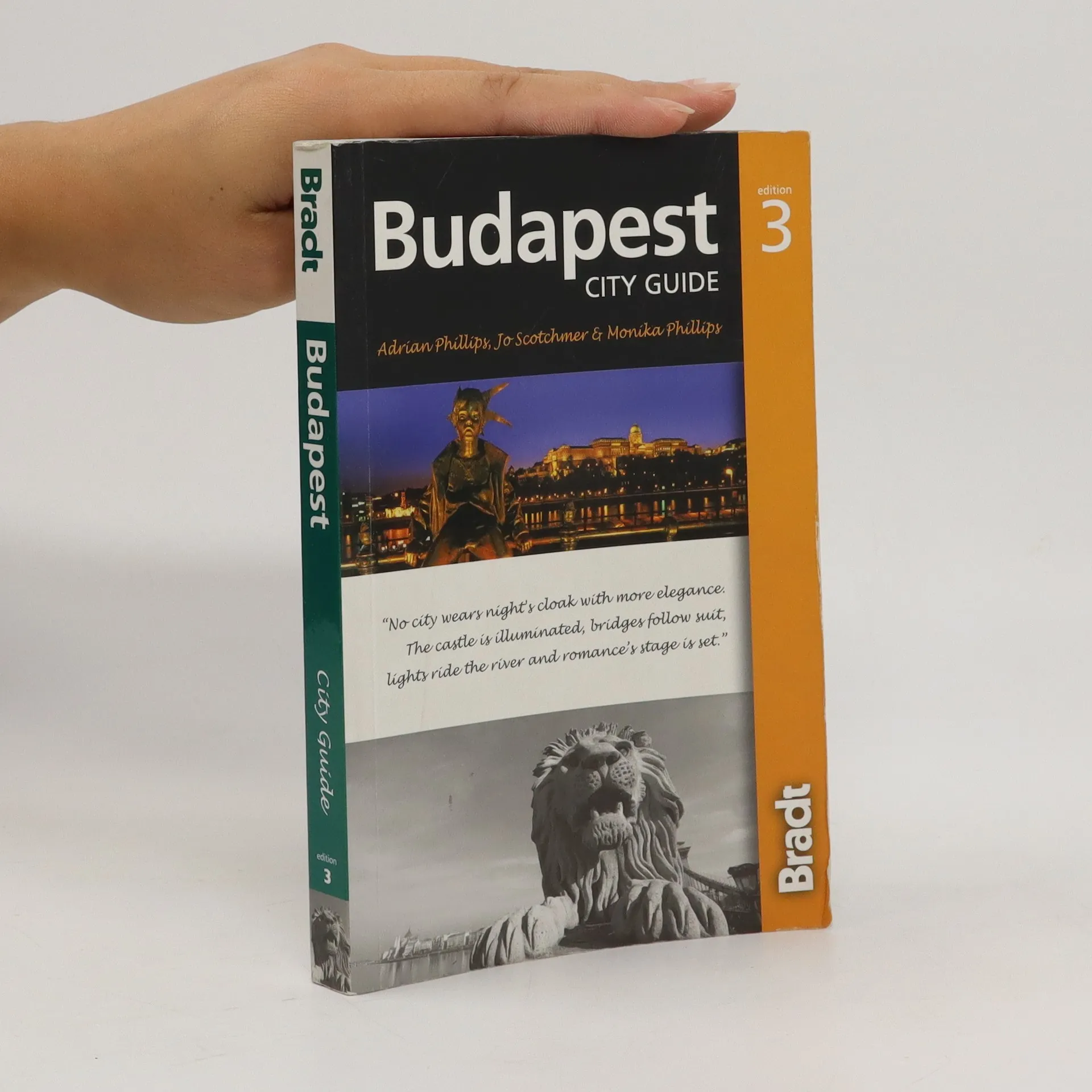
Budapest
- 336 Seiten
- 12 Lesestunden
Budapest has it all: spectacular architecture, award-winning cultural festivals, Michelin-starred restaurants, historic thermal baths and business-friendly hotels. The authors are winners of the British Guild of Travel Writers Best Guidebook Award and share their enthusiasm for the city in an engaging and witty style. Thoroughly updated, the third edition of Budapest is packed with up-to-the-minute information on hotels, cafés, bars and restaurants, as well as new walks. It provides travellers with all they need on where to stay, eat and drink, and what to see and do.
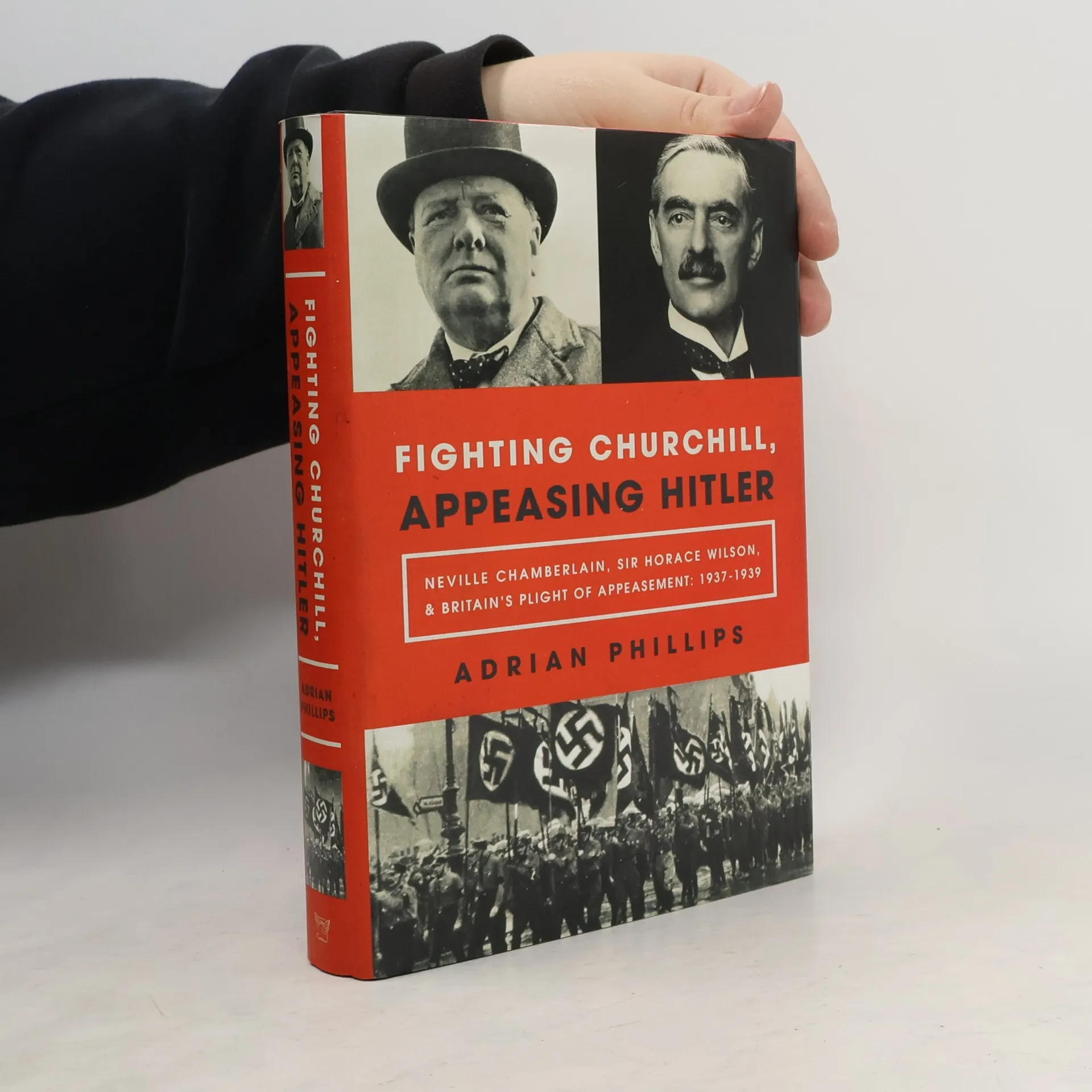
Fighting Churchill, Appeasing Hitler
Neville Chamberlain, Sir Horace Wilson, & Britain's Plight of Appeasement
- 368 Seiten
- 13 Lesestunden
Appeasement ultimately failed in all its objectives, merely delaying World War II by a year. Its true consequence was to embolden Hitler and Mussolini, leading them to perceive Britain as weak and hesitant to confront aggression. The pivotal moment in the Czech crisis of September 1938 occurred when Wilson met Hitler alone, leaving him convinced that Britain would not intervene to defend Czechoslovakia. The subsequent dismemberment of Czechoslovakia marked not the end but a continuation of appeasement. Chamberlain's Anglo-German Declaration was a reflection of his vanity, yet both he and Wilson believed it genuinely secured "peace for our time." Their pursuit of a bilateral friendship with dictators blinded them to alternative strategies, such as collaborating with France, the Soviet Union, or the U.S. to confront the aggressors. They also resisted full rearmament, which would have prepared the economy for war—policies advocated by Winston Churchill, their staunch opponent. Churchill was despised by both men, who could not accept his view of Hitler as an unyielding enemy of peace. Their animosity toward Churchill stemmed from a long-standing rivalry, revealed for the first time in this account. Lacking practical diplomatic experience, Chamberlain and Wilson misjudged the dictators, failing to recognize that Fascist leaders operated under different principles than democratic politicians. The disastrous outcomes of their appease