Die Rhetorik der Erzählkunst I.
- 268 Seiten
- 10 Lesestunden


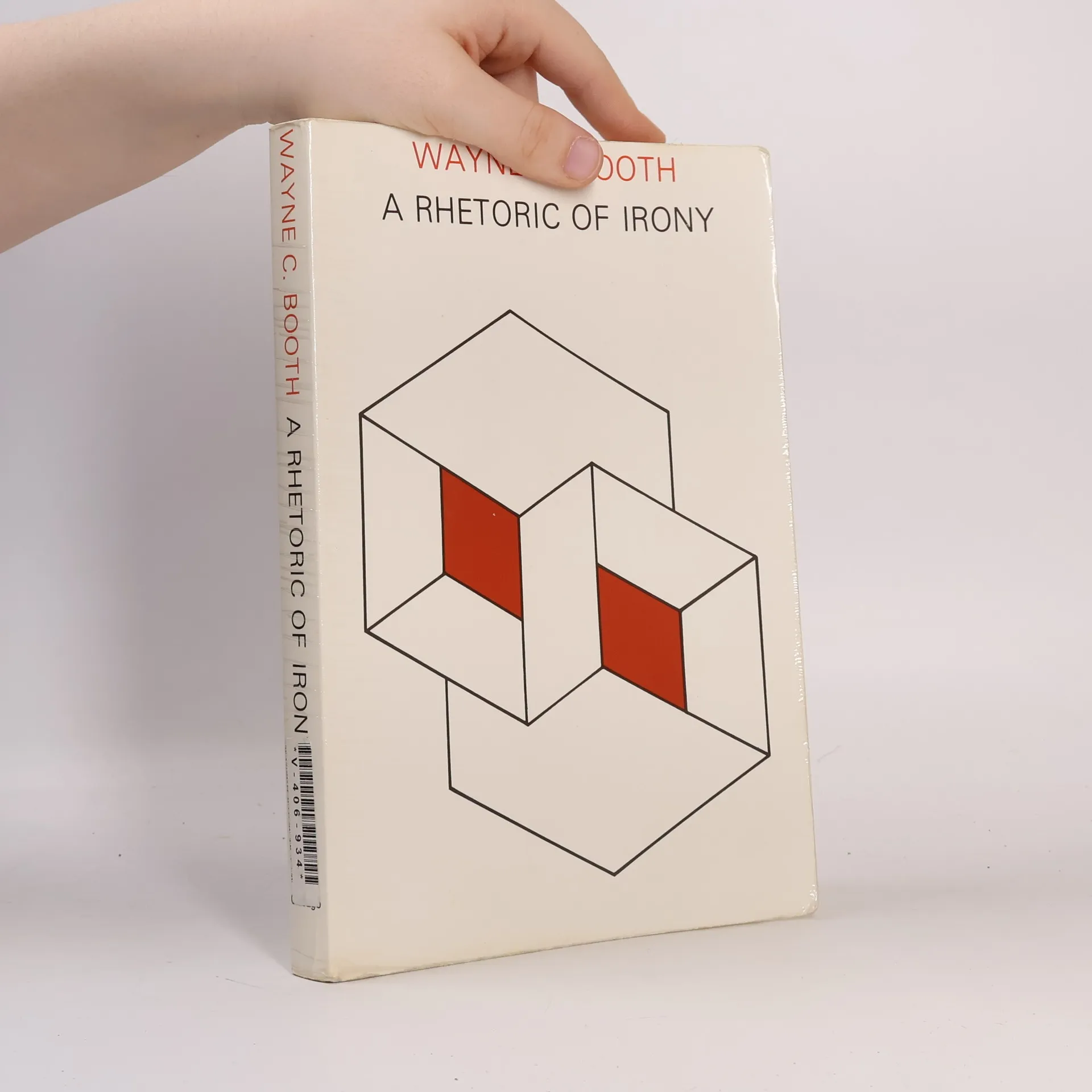

Critics will always disagree, but, maintains Wayne Booth, their disagreement need not result in critical chaos. In Critical Understanding, Booth argues for a reasoned pluralism—a criticism more various and resourceful than can be caught in any one critic's net. He relates three noted pluralists—Ronald Crane, Kenneth Burke, and M. H. Abrams—to various currently popular critical approaches. Throughout, Booth tests the abstractions of metacriticism against particular literary works, devoting a substantial portion of his discussion to works by W. H. Auden, Henry James, Oliver Goldsmith, and Anatole France.
Perhaps no other critical label has been made to cover more ground than "irony," and in our time irony has come to have so many meanings that by itself it means almost nothing. In this work, Wayne C. Booth cuts through the resulting confusions by analyzing how we manage to share quite specific ironies—and why we often fail when we try to do so. How does a reader or listener recognize the kind of statement which requires him to reject its "clear" and "obvious" meaning? And how does any reader know where to stop, once he has embarked on the hazardous and exhilarating path of rejecting "what the words say" and reconstructing "what the author means"? In the first and longer part of his work, Booth deals with the workings of what he calls "stable irony," irony with a clear rhetorical intent. He then turns to intended instabilities—ironies that resist interpretation and finally lead to the "infinite absolute negativities" that have obsessed criticism since the Romantic period. Professor Booth is always ironically aware that no one can fathom the unfathomable. But by looking closely at unstable ironists like Samuel Becket, he shows that at least some of our commonplaces about meaninglessness require revision. Finally, he explores—with the help of Plato—the wry paradoxes that threaten any uncompromising assertion that all assertion can be undermined by the spirit of irony.
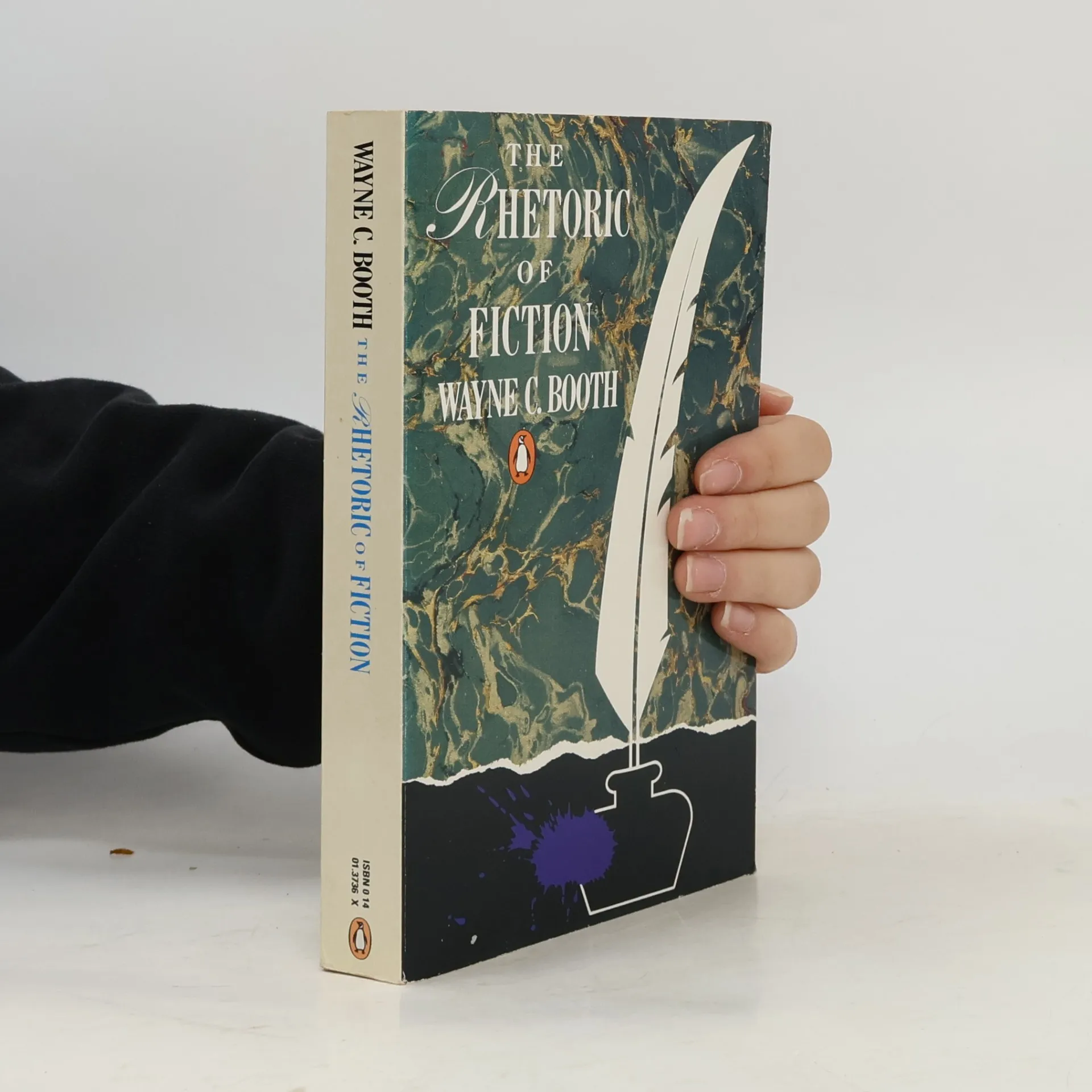
The first edition of The Rhetoric of Fiction transformed the criticism of fiction and soon became a classic in the field. One of the most widely used texts in fiction courses, it is a standard reference point in advanced discussions of how fictional form works, how authors make novels accessible, and how readers recreate texts, and its concepts and terms—such as "the implied author," "the postulated reader," and "the unreliable narrator"—have become part of the standard critical lexicon. For this new edition, Wayne C. Booth has written an extensive Afterword in which he clarifies misunderstandings, corrects what he now views as errors, and sets forth his own recent thinking about the rhetoric of fiction. The other new feature is a Supplementary Bibliography, prepared by James Phelan in consultation with the author, which lists the important critical works of the past twenty years—two decades that Booth describes as "the richest in the history of the subject."
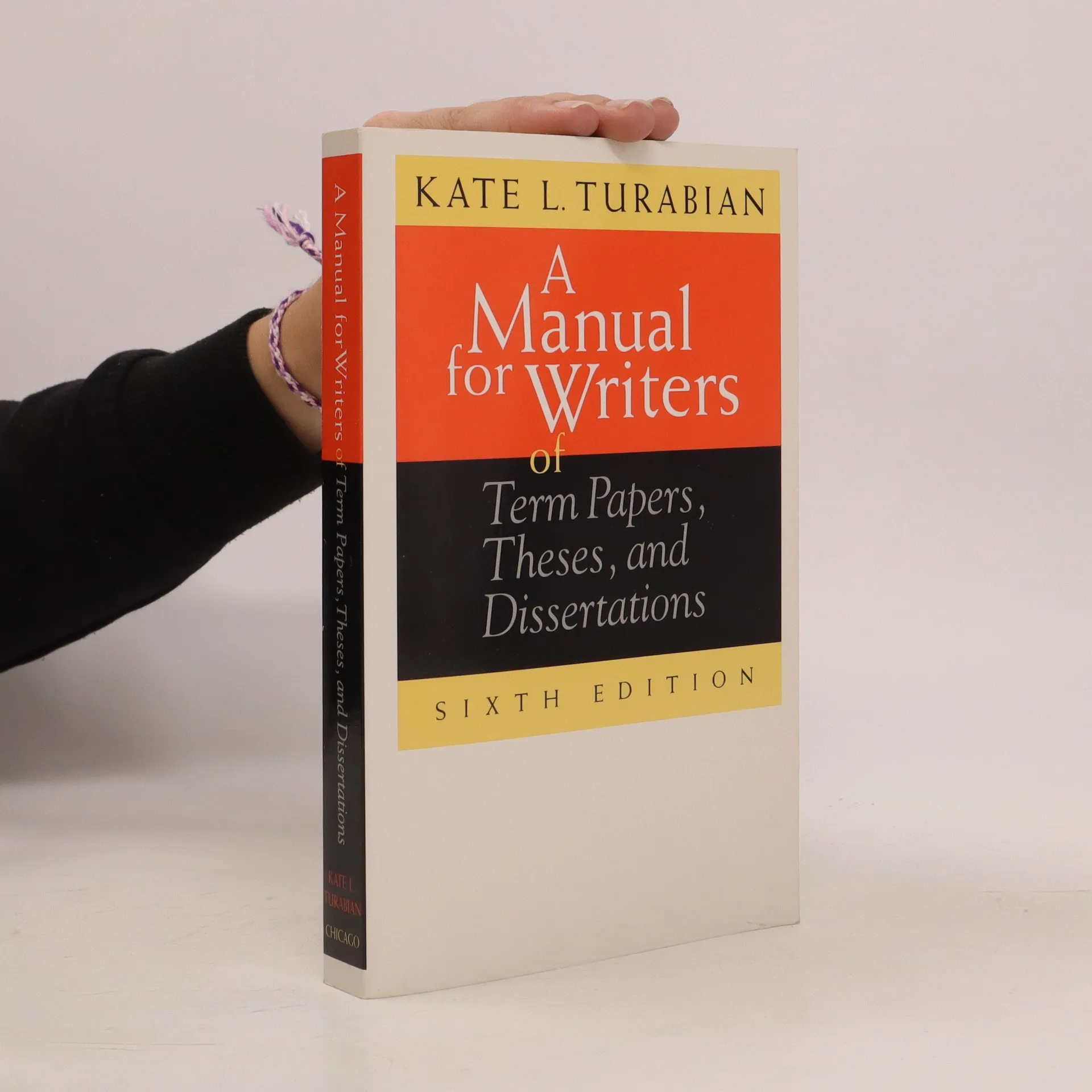
A guide to the technologies, methods, and materials that can help writers of research papers.
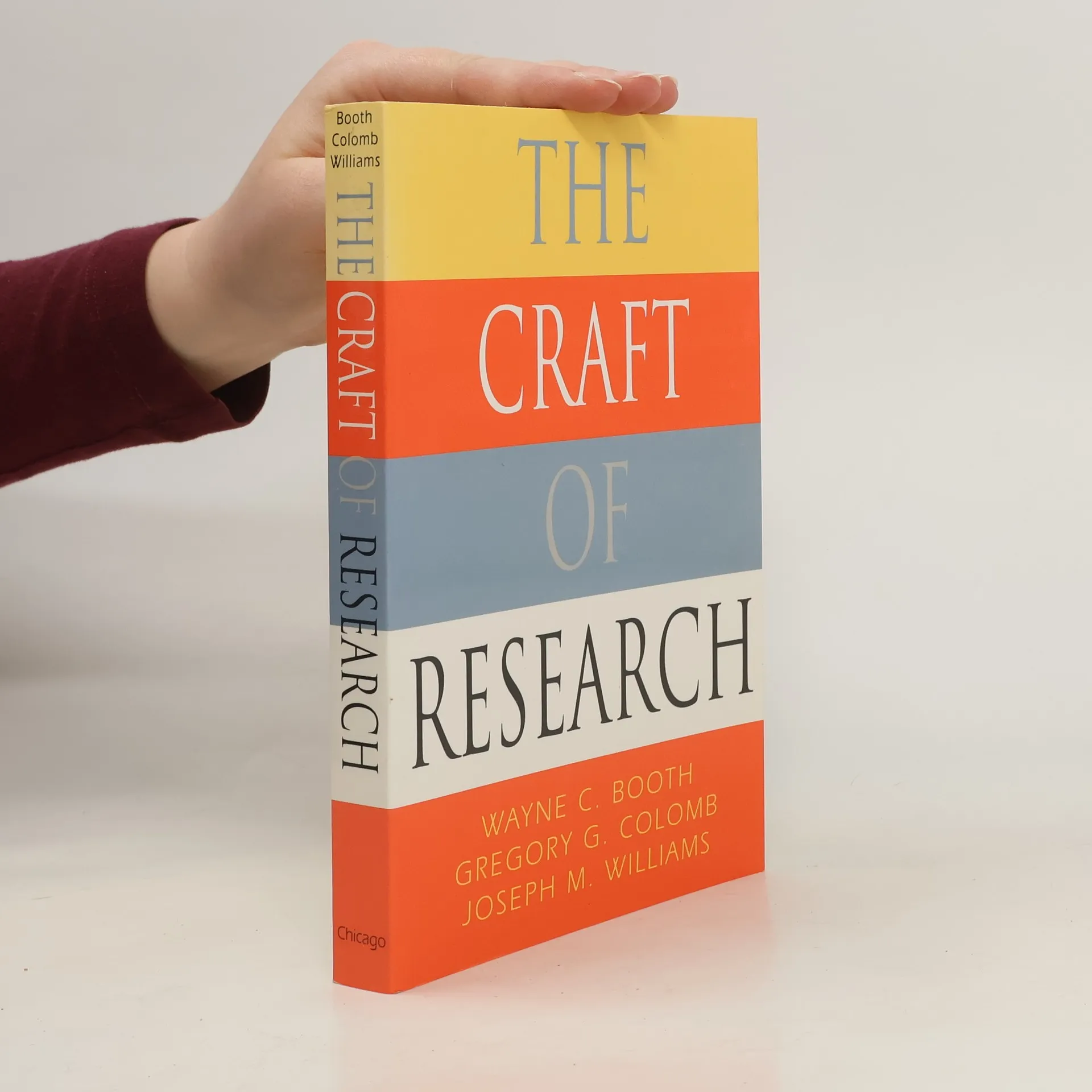
Here's a concise, practical guide to mastering the art of research. Filled with the tested strategies and expert advice of three distinguished scholars, this book helps you plan, carry out, and report on research in any field, at any level - a term paper, a dissertation, an article, or a book. The Craft of Research is about more than the mechanics of fact gathering: it's a unique introduction to doing research effectively. Clearly written and easy to use, it teaches the skills that are essential to the success of any research project. Wayne Booth, Gregory Colomb, and Joseph Williams chart every stage of the research process, from finding a topic and generating research questions about it to marshalling evidence, constructing arguments, creating a first draft, and revising that draft for a final report that meets the needs of a community of readers.
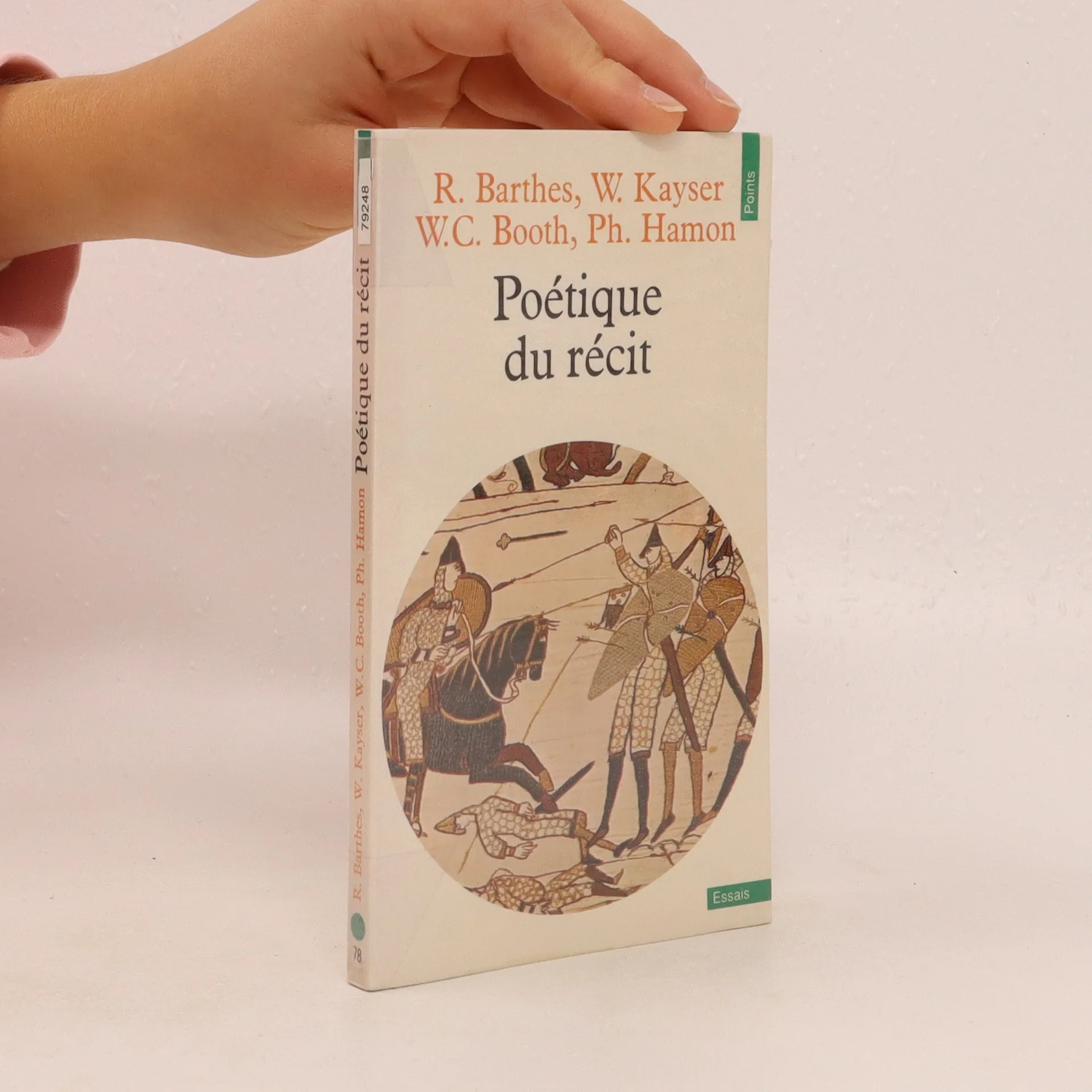
Sous ses formes presque infinies, le récit est présent dans tous les temps, dans tous les lieux, dans toutes les sociétés ; le récit commence avec l'histoire même de l'humanité ; il n'y a pas, il n'y a jamais eu nulle part aucun peuple sans récit ; toutes les classes, tous les groupes humains ont leurs récits, et bien souvent ces récits sont goûtés en commun, par des hommes de culture différente, voire opposée : le récit se moque de la bonne et de la mauvaise littérature : international, transhistorique, transculturel, le récit est là, comme la vie.Les spécialistes de plusieurs pays (France, Etats-Unis, Allemagne) se trouvent réunis ici autour d'une problématique commune : récit, narrateur, narration, personnage.