Richard Sakwa konzentriert sich auf die russische und europäische Politik, insbesondere auf postkommunistische Transformationen. Seine Analysen tauchen tief in die Komplexität der sowjetischen und russischen politischen Systeme ein. Sakwa untersucht, wie diese Nationen die postkommunistische Landschaft navigieren. Seine Arbeit bietet wertvolle Einblicke in die politischen Prozesse und Herausforderungen in Osteuropa.
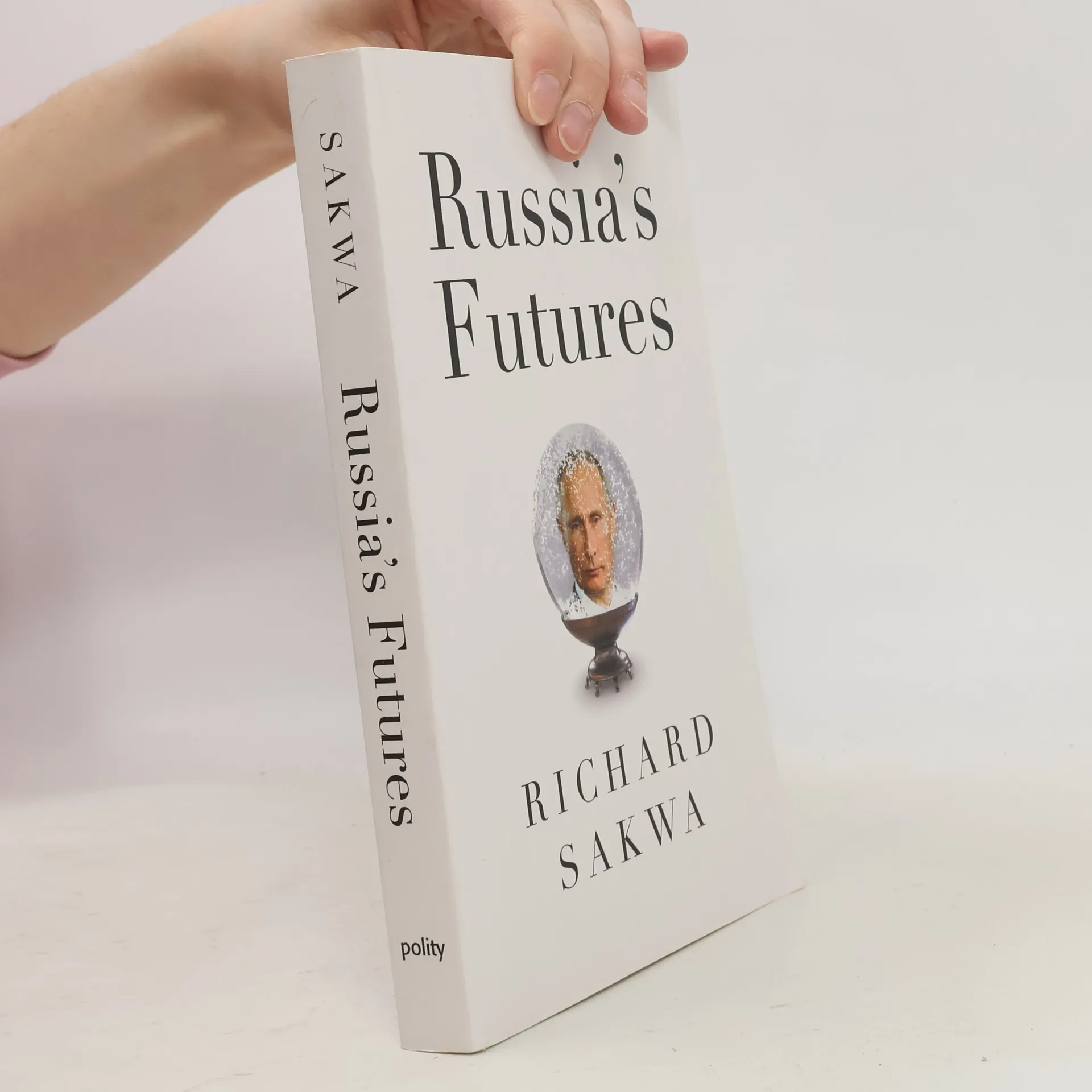
Russia is back as a major force in global politics, but what does this mean?
In this erudite and balanced study, renowned Russia scholar Richard Sakwa
explores the current debates on Russia, placing them into historical context
and outlining the fundamental challenges currently facing the country--
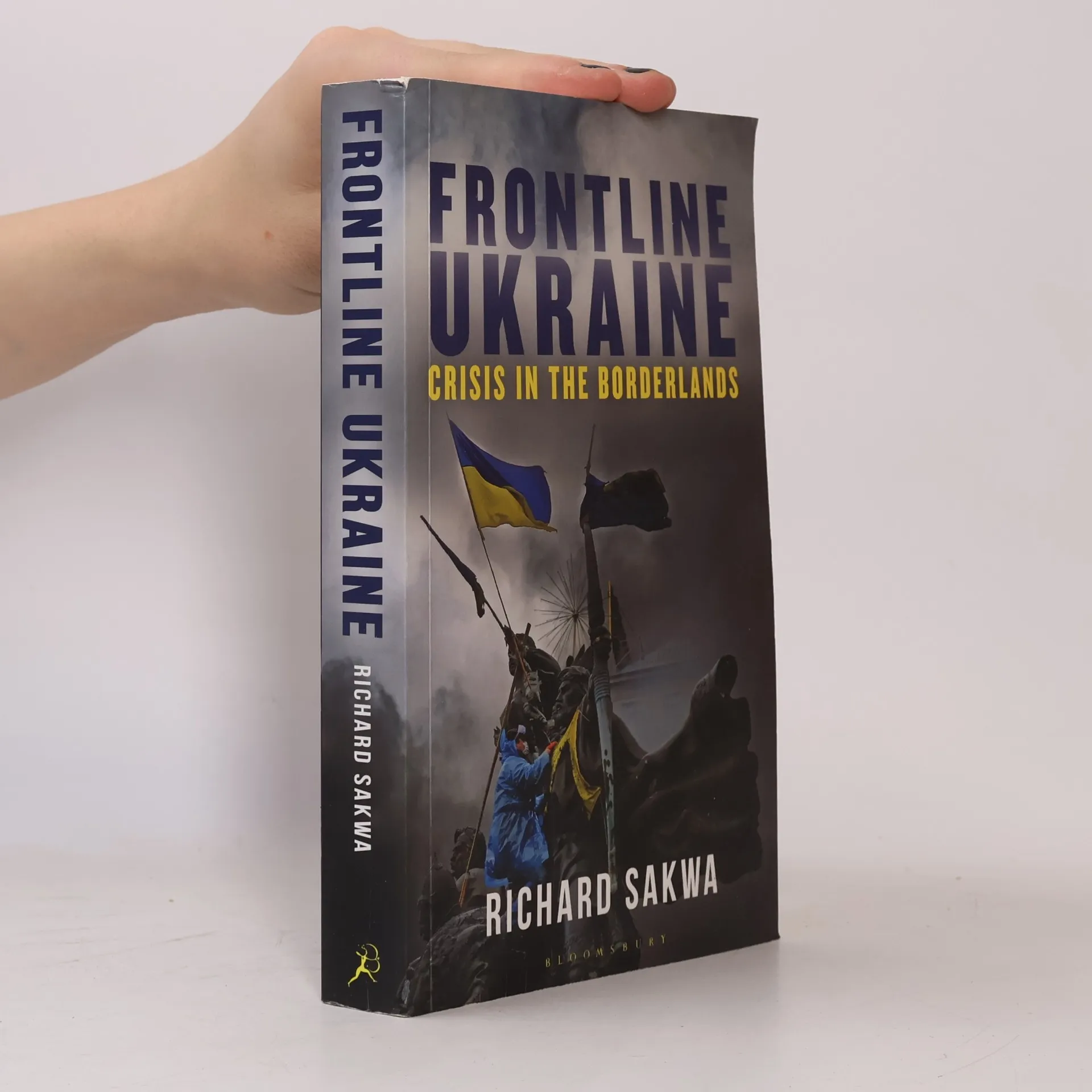
The unfolding crisis in Ukraine has brought the world to the brink of a new Cold War. As Russia and Ukraine tussle for Crimea and the eastern regions, relations between Putin and the West have reached an all-time low. How did we get here? Richard Sakwa here unpicks the context of conflicted Ukrainian identity and of Russo-Ukrainian relations and traces the path to the recent disturbances through the events which have forced Ukraine, a country internally divided between East and West, to choose between closer union with Europe or its historic ties with Russia. In providing the first full account of the ongoing crisis, Sakwa analyses the origins and significance of the Euromaidan Protests, examines the controversial Russian military intervention and annexation of Crimea, reveals the extent of the catastrophe of the MH17 disaster and looks at possible ways forward following the October 2014 parliamentary elections. In doing so, he explains the origins, developments and global significance of the internal and external battle for Ukraine.With all eyes focused on the region, Sakwa unravels the myths and misunderstandings of the situation, providing an essential and highly readable account of the struggle for Europe's contested borderlands.
Set against the backdrop of Cold War tensions, this book delves into the fears and misconceptions surrounding Russian intentions during the late 20th century. It examines the political climate, media portrayal, and public sentiment that fueled paranoia and distrust. Through a blend of historical analysis and personal narratives, the author reveals how these fears shaped international relations and domestic policies. The exploration of espionage, propaganda, and the impact on everyday lives provides a comprehensive understanding of this pivotal era.
The book delves into the underlying frameworks and mentalities shaping the Second Cold War, exploring the intricate dynamics and ideological battles that define this geopolitical conflict. It examines the historical context, key players, and the implications of contemporary tensions, providing insights into how these factors influence global relations today. Through a thorough analysis, it seeks to unravel the complexities of modern confrontations and the mindset of nations involved.
After the Revolution in October 1917, Soviet Russia tried to establish an alternative form of social organization based on the ideology of communism and the practices of Soviet democracy. This system inspired millions and achieved the industrialization of Russia, but ultimately it failed. The dissolution of the communist order by 1991 was accompanied by the disintegration of the country. Communism in Russia: a- provides a fresh, clear and concise view of the history of communism and Russia in the twentieth century, and the interaction of the two; b- offers an original analysis combining the history of an ideology and the fate of a nation; c- traces the connections and tensions between communist ideology and Russian realities, and explains the reasons for the collapse of the system; and d- incorporates the latest research and scholarship on the subject. -- Back cover
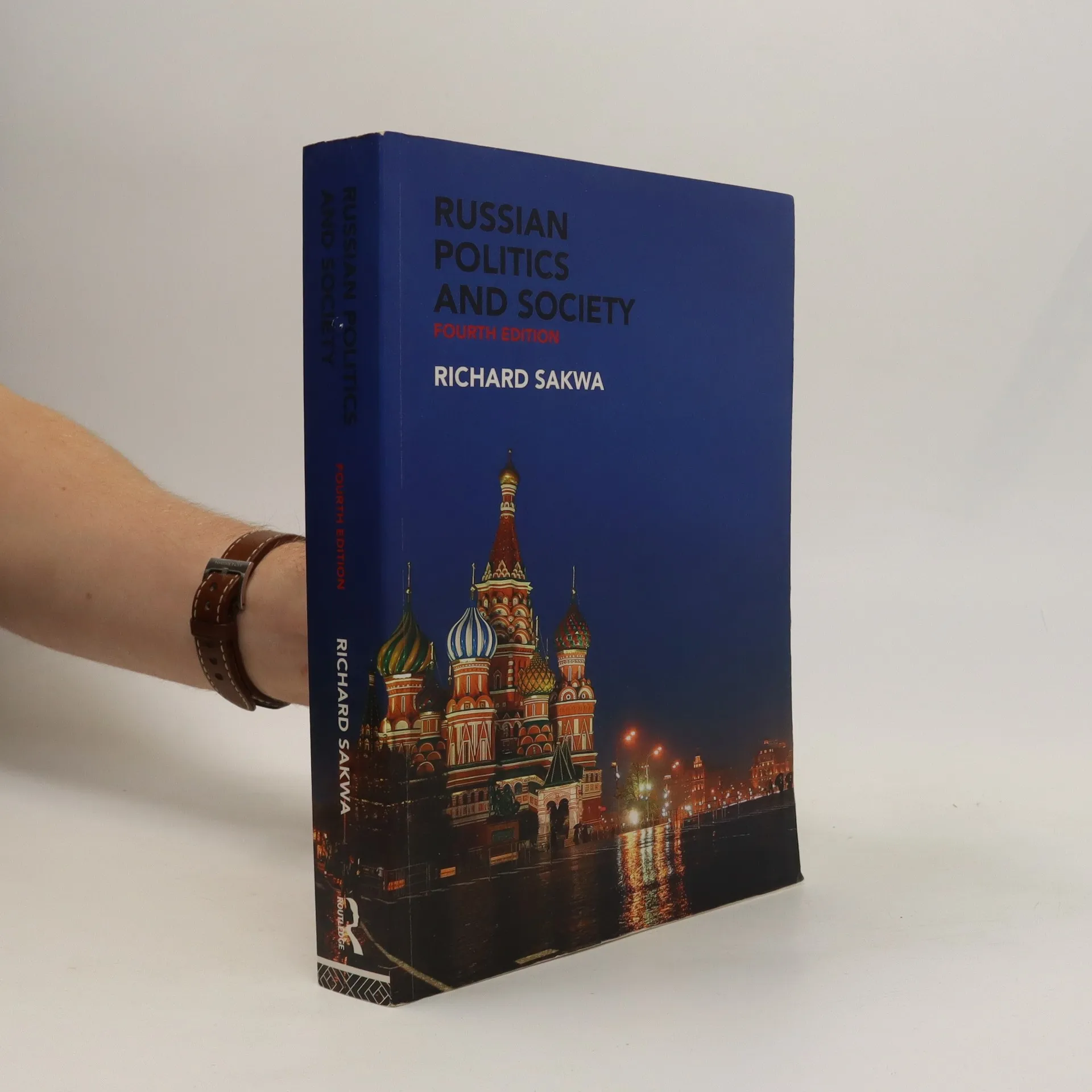
Since first publication in 1993, this book has become a standard text. Its detailed coverage of the major processes and issues in the development of post-communist Russian politics and society make it a comprehensive guide to a fast-changing scene.
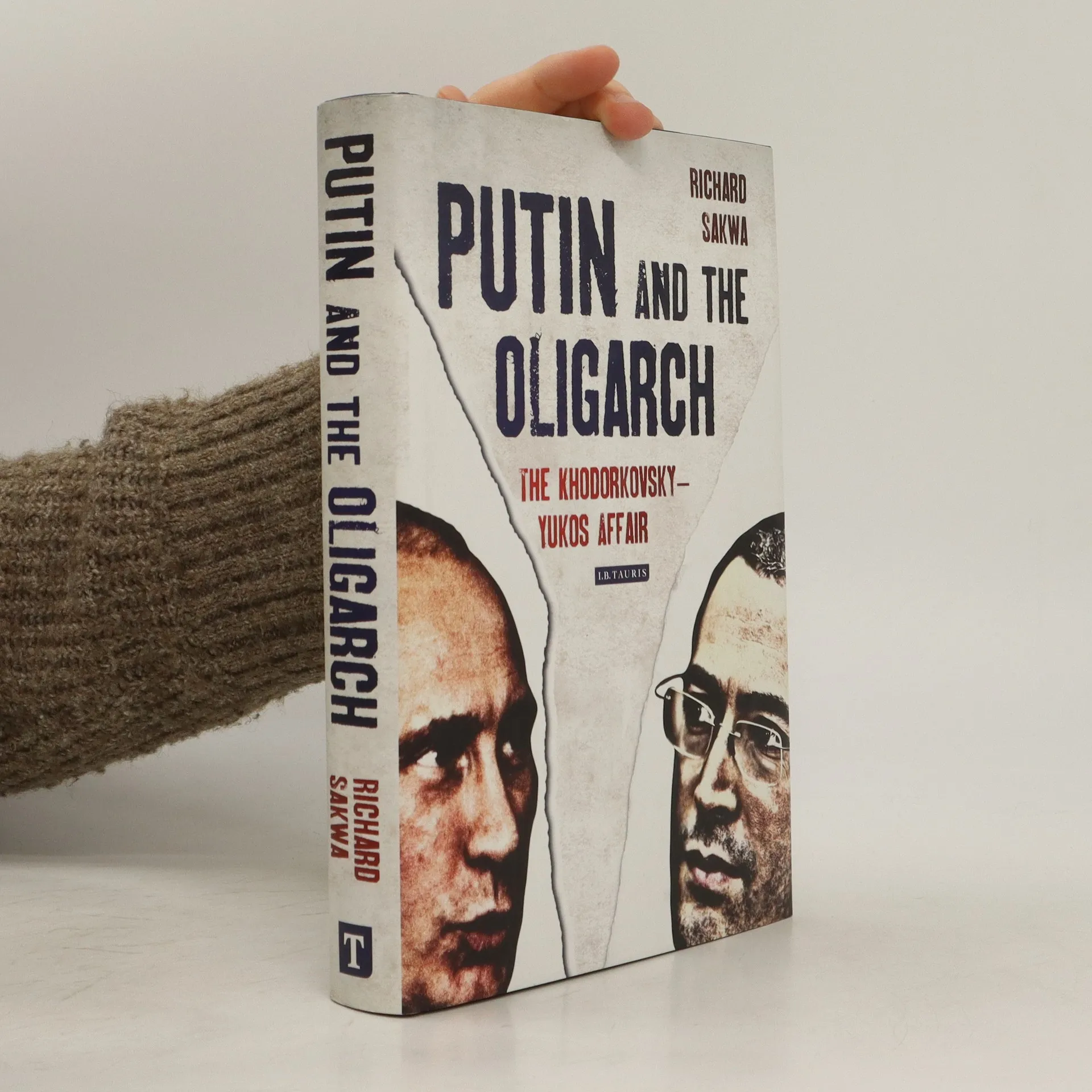
The arrest of Mikhail Khodorkovsky, the head of the Yukos oil company, in October 2003, was a key turning point in modern Russian history. In this book, the author examines the rise and fall of Yukos and considers the relationship between Putin's state and big business during Russia's traumatic shift from the Soviet planned economy to capitalism
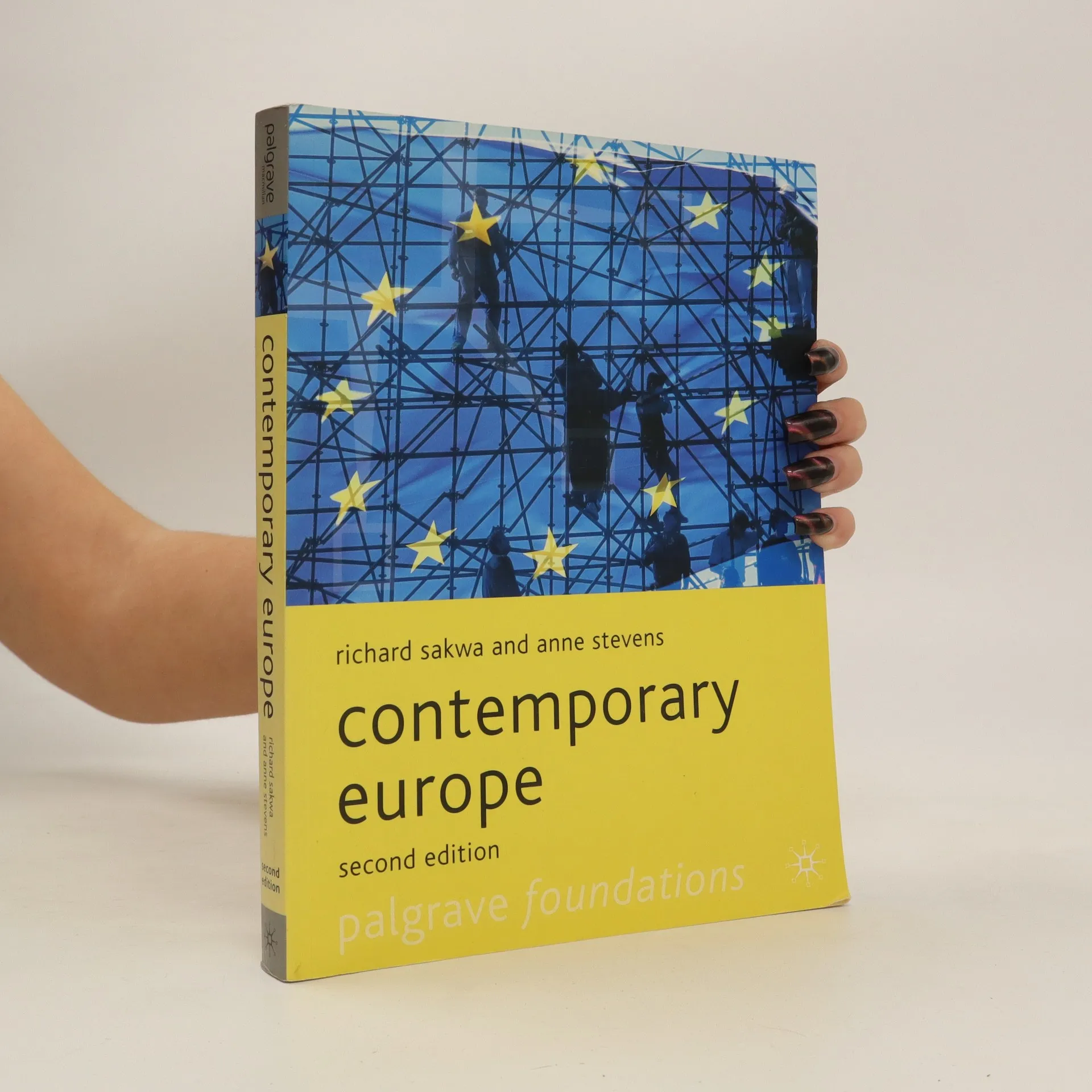
The second edition of this very successful textbook updates and expands its coverage of the many facets of life in Europe in the new century. It retains the strengths of the first edition with its focus on both East and West but expands its coverage of the themes of convergence and divergence, and includes a new chapter on the European Economy. It asks "what is Europe" and "where is Europe going?" and challenges preconceived notions and glib generalizations.
Focusing on the intricacies of the Russiagate narrative during the 2016 US presidential elections, this book delves into the layers of deception that characterize the new cold war. It critically analyzes the myths surrounding the events and offers a balanced perspective, encouraging readers to question who is truly deceiving whom in this complex political landscape.
Vladimir Putin has emerged as one of the key leaders of the twenty-first century. However, he is also recognized as one of the most divisive. Abroad, his assertion of Russia's interests and critique of the western-dominated international system has brought him into conflict with Atlantic powers. Within Russia, he has balanced various factions within the elite intelligentsia alongside the wider support of Russian society. So what is the 'Putin paradox?' Richard Sakwa grapples with Putin's personal and political development on both the international political scene and within the domestic political landscape of Russia. This study historicizes the Putin paradox, through theoretical, historical and political analysis and in light of wider developments in Russian society. Richard Sakwa presents the Putin paradox as a unique regime type - balancing numerous contradictions - in order to adapt to its material environment while maintaining sufficient authority with which to shape it.