Gaius Julius Caesar war nicht nur ein bedeutender römischer Feldherr und Politiker, sondern auch ein anerkannter Autor lateinischer Prosa. Seine erhaltenen Kriegsberichte bieten unschätzbare literarische Einblicke in seine Feldzüge. Zeitgenössische Quellen, darunter die von Cicero, lobten seine außergewöhnliche rhetorische Begabung und seinen eleganten Prosa-Stil. Caesars literarisches Schaffen festigte seinen Ruf als einer der führenden lateinischen Autoren seiner Zeit.
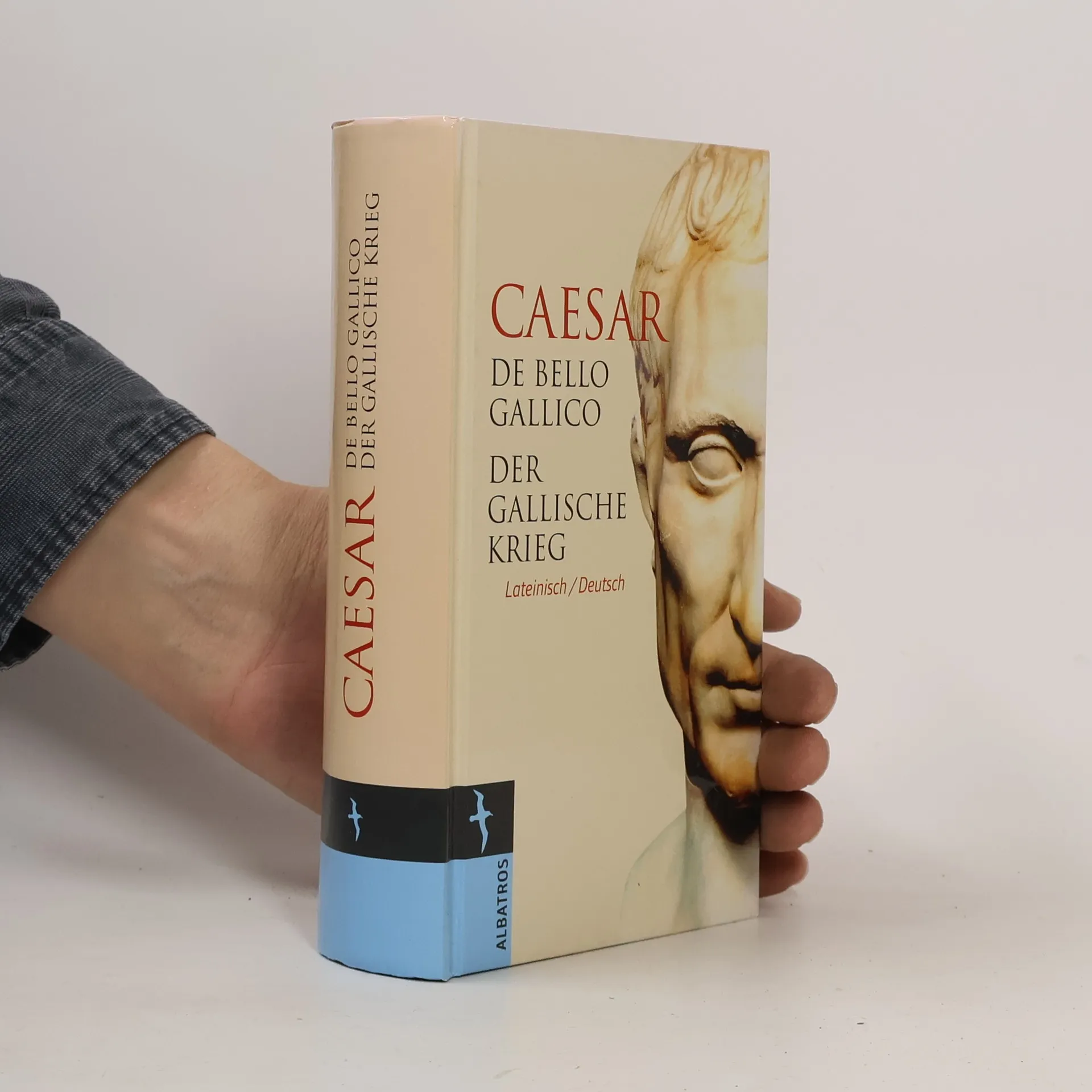
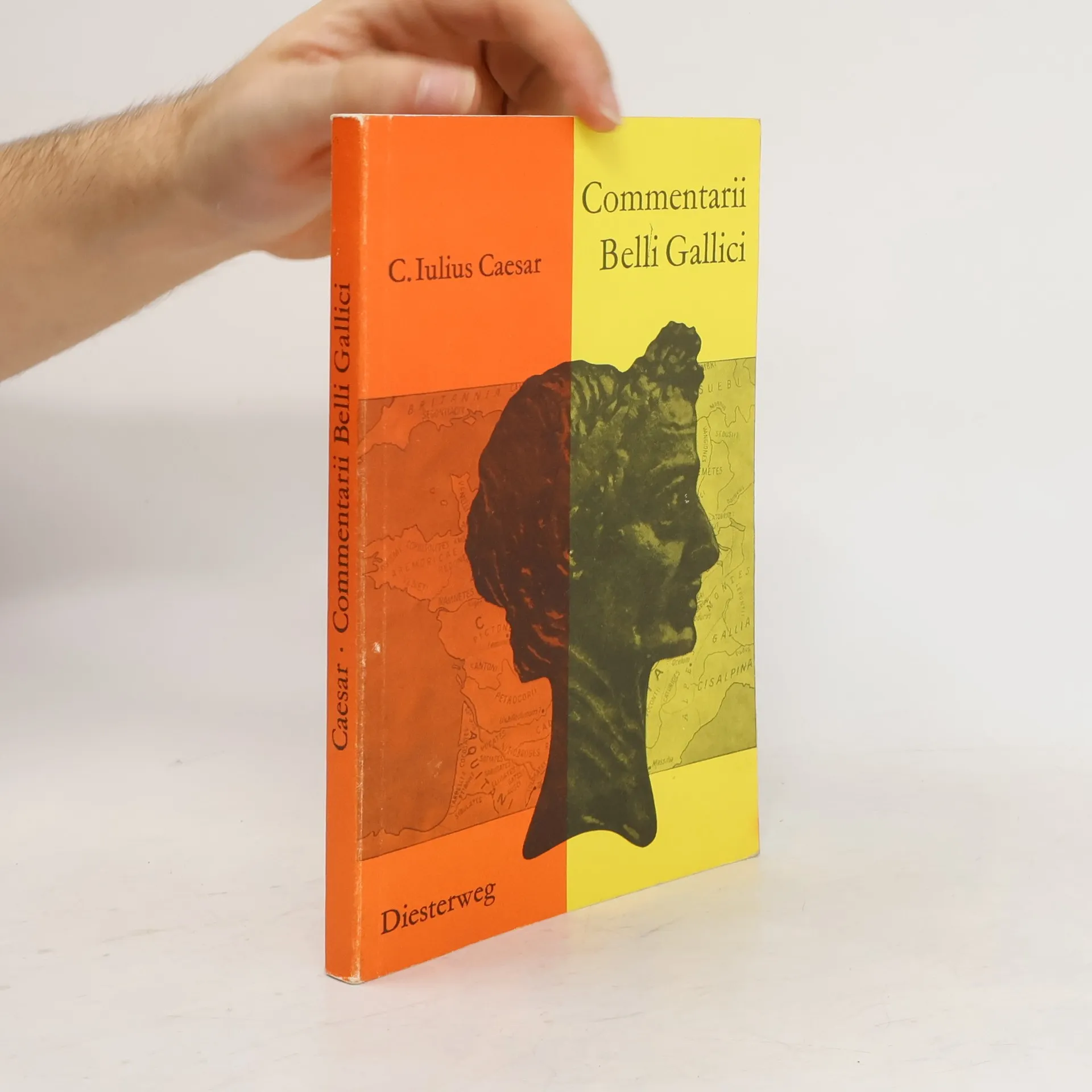
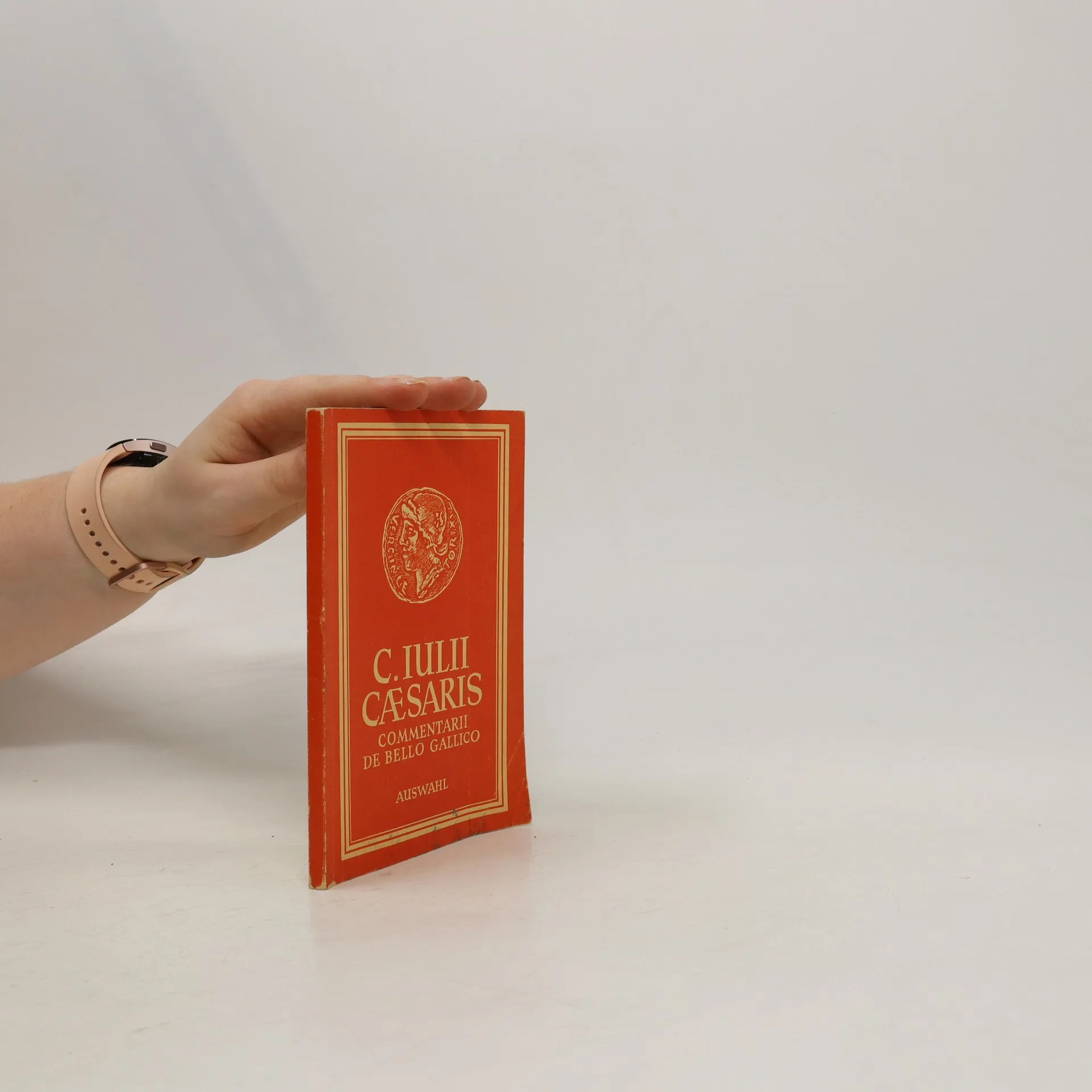
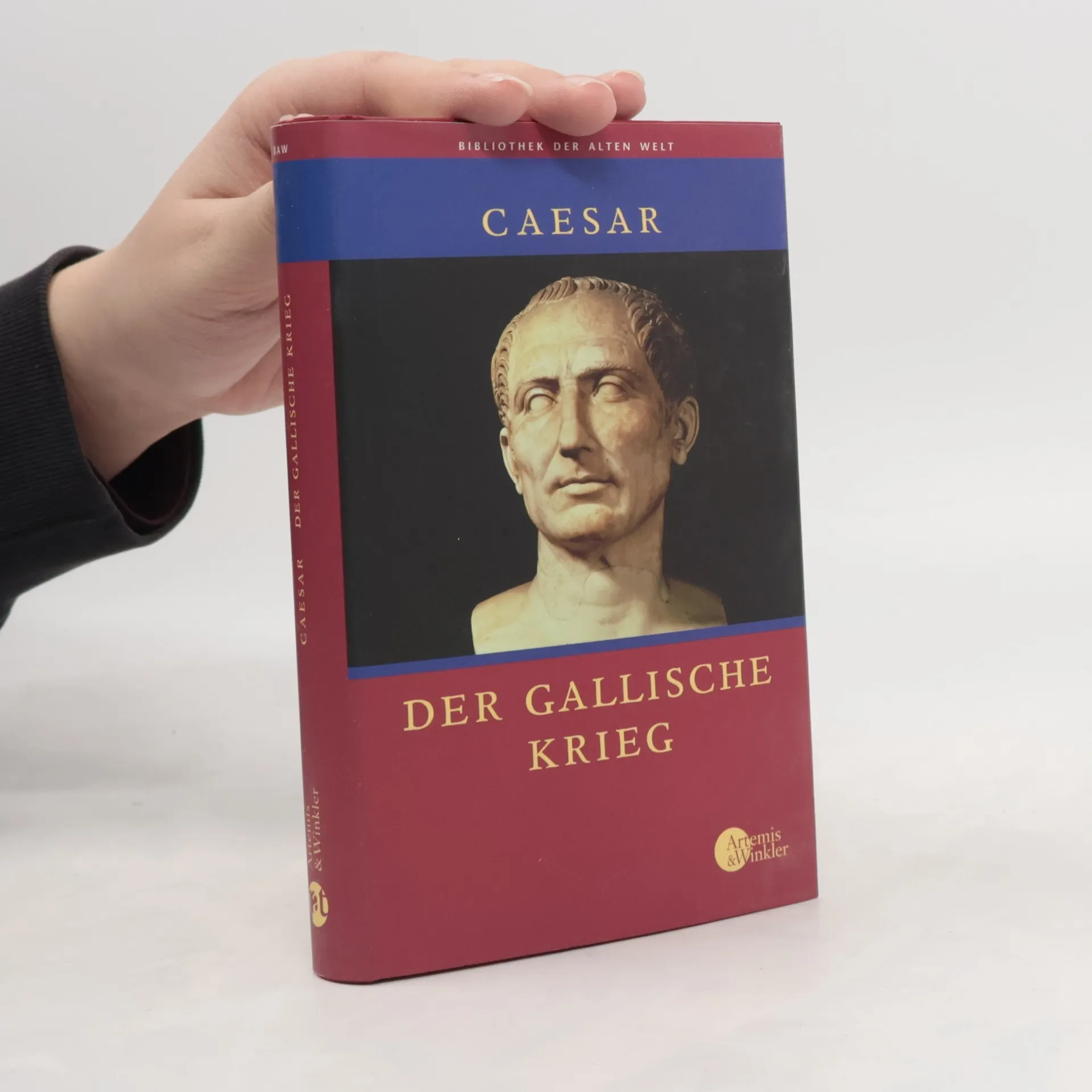
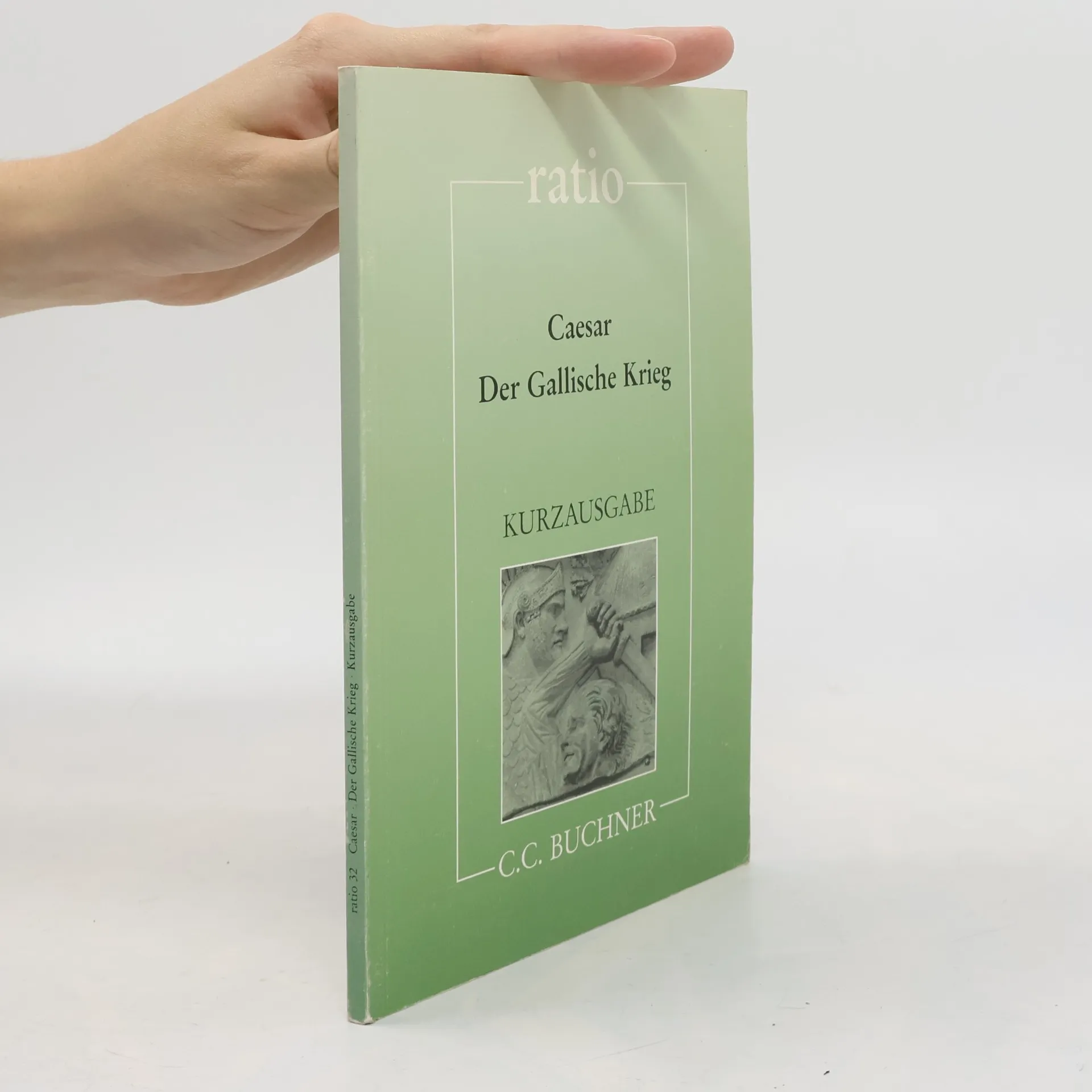
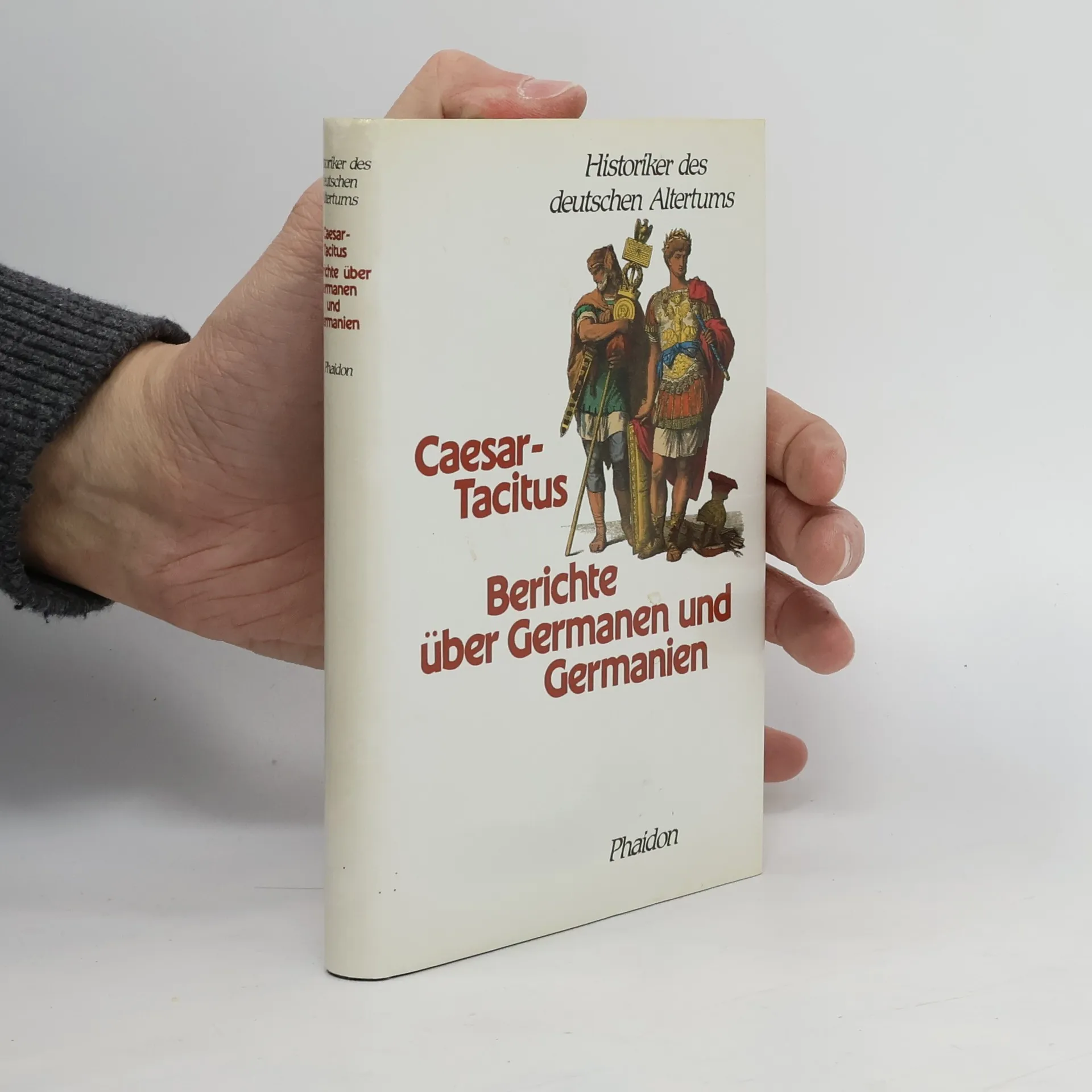
Der populäre Kriegsbericht Caesars Caesars Bericht von der Unterwerfung Galliens (58-51 v. Chr.) gehört zu den populärsten Dokumenten der Antike. Die Schrift sollte seine oft selbstherrlichen Maßnahmen rechtfertigen und die Argumente der politischen Gegner entkräften. Die unerreichte Schlichtheit des Stils und die Klarheit der Sprache lassen den propagandistischen Zweck geschickt in den Hintergrund treten. Die Schilderungen der Stämme Galliens, Germaniens und Britanniens sind die ältesten erhaltenen Zeugnisse über diese Volksgruppen. Übersetzt und herausgegeben von Otto Schönberger. Format 10,7 x 17,3 cm. Gebunden mit Schutzumschlag.
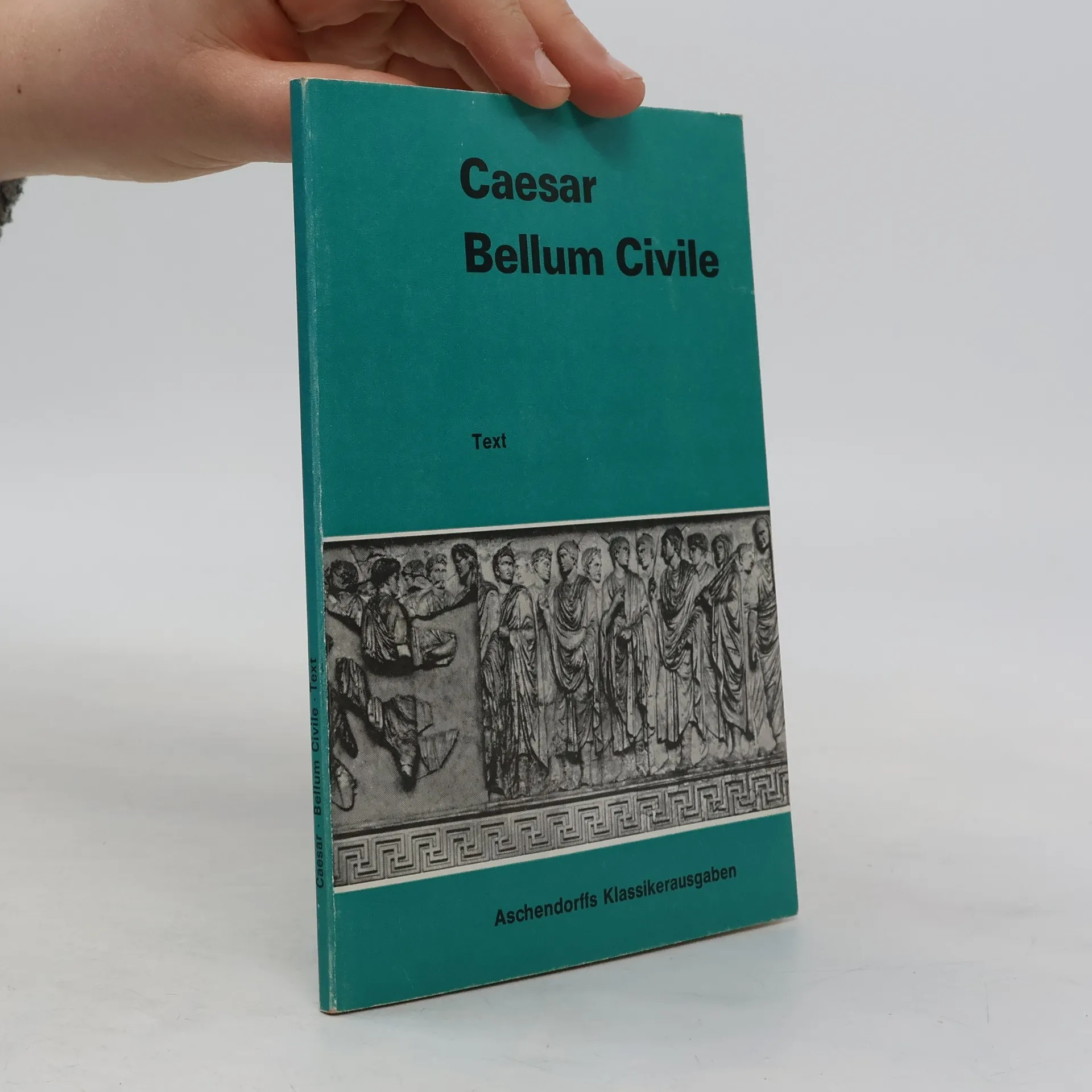
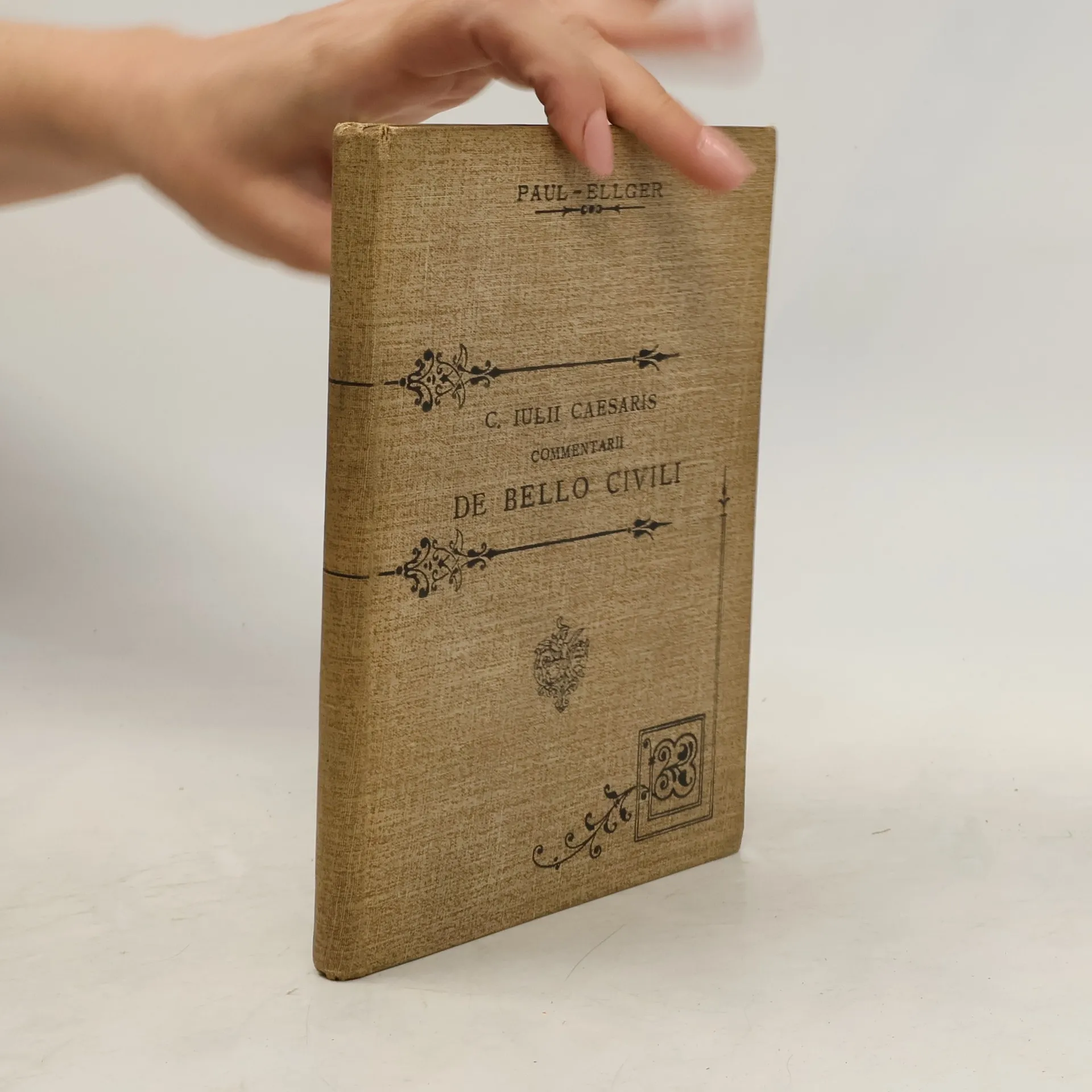
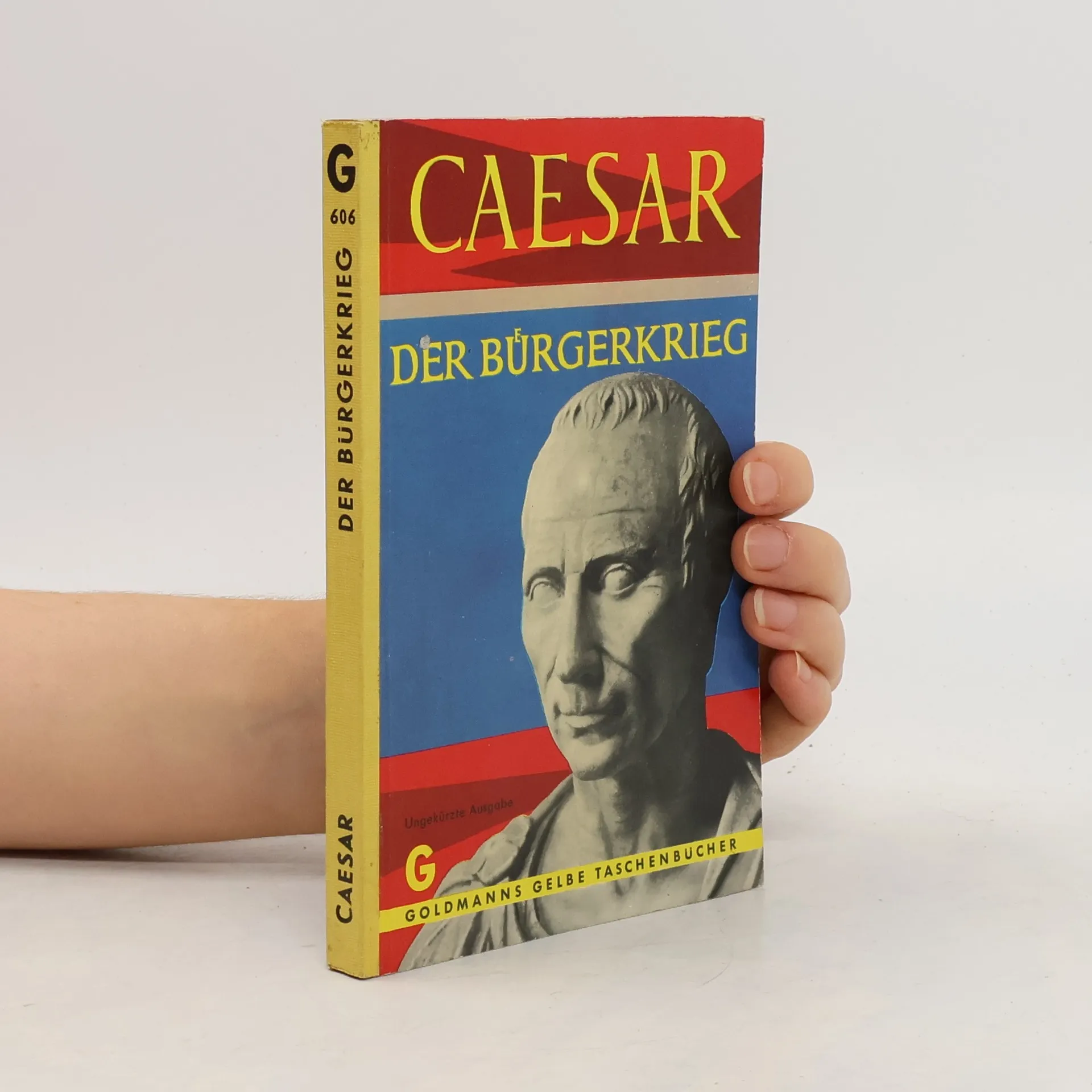
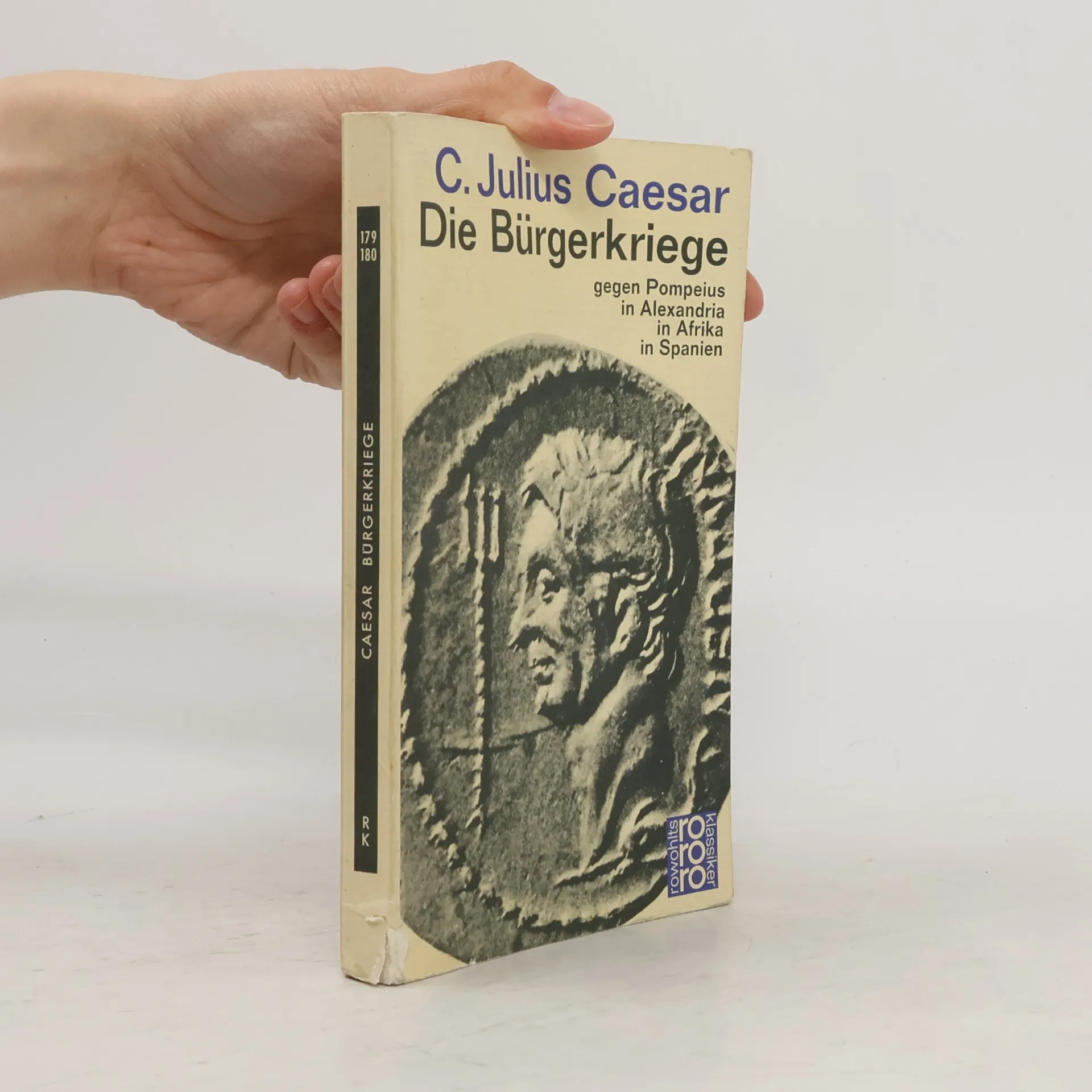
Caesars 'De bello civili' ist eines der bedeutendsten historischen Dokumente der römischen Antike. Gegenstand seiner ausführlichen Schilderungen ist die Anfangsphase des römischen Bürgerkriegs, in der Caesar sich besonders mit seinem Widersacher Pompejus eine Vielzahl von politischen und kriegerischen Auseinandersetzungen lieferte. Die zahlreichen Erläuterungen seiner Strategien und Pläne machen Caesars 'Bürgerkrieg' zu einer bis heute höchst interessanten Lektüre.
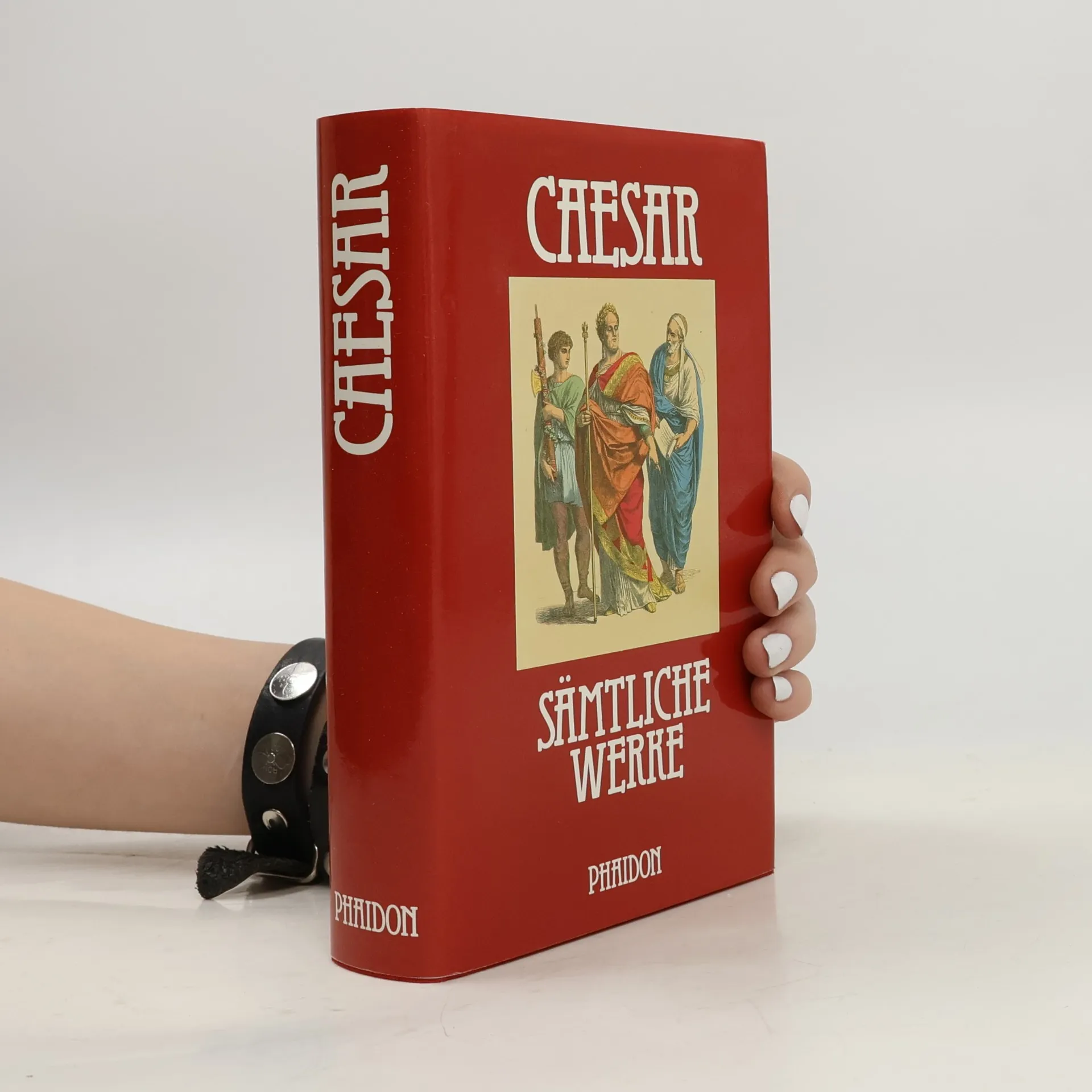
Die hier erstmals in einem Band zusammengefassten Schriften Caesars veranschaulichen in der ihm eigenen, von innerer Distanz und Nüchternheit geprägten Weise die Grundlinien seines imperatorischen Denkens und Handelns.
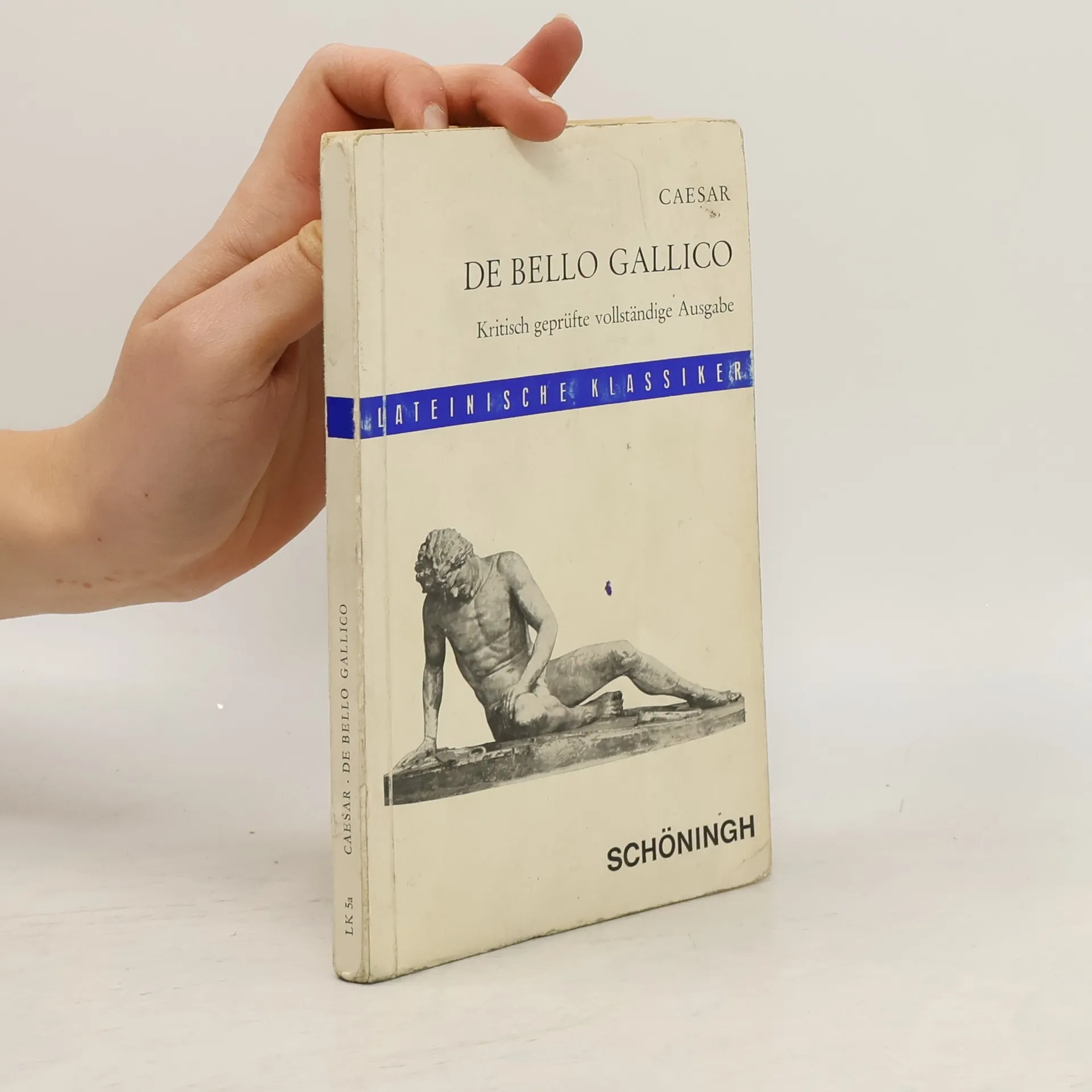
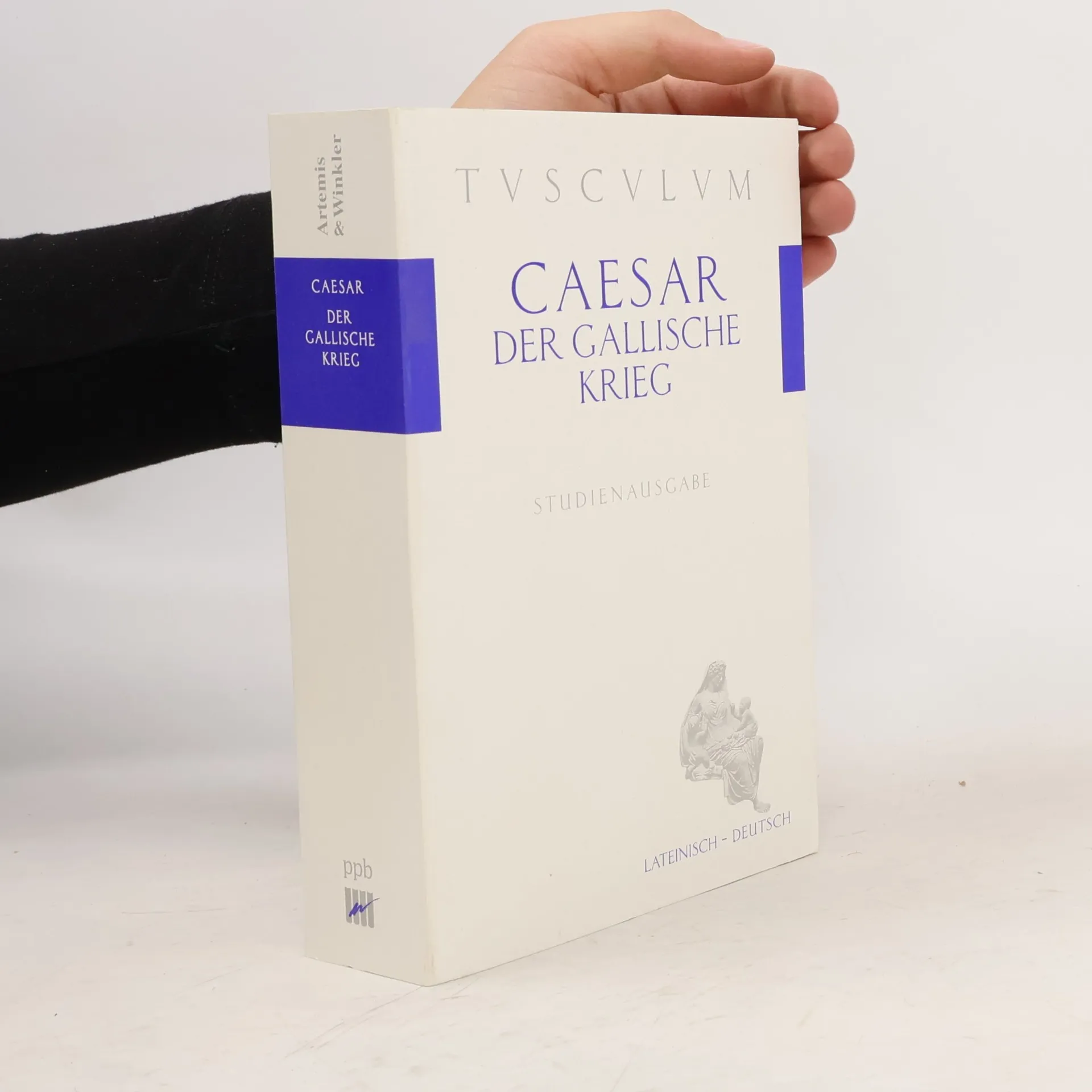
Der römische Heerführer, Schriftsteller und Imperator Gaius Julius Caesar gehört zu den bekanntesten Persönlichkeiten der Weltgeschichte. Sein Kriegsbericht »De bello Gallico«, der in acht Büchern von der Eroberung Galliens im ersten Jahrhundert v. Chr. erzählt, ist das populärste Werk der antiken Geschichtsschreibung. In seiner glänzenden, einfachen Sprache, seiner prägnanten Darstellung der wichtigsten historischen Ereignisse und der lebendigen Schilderung der Lebensweise fremder Völker bietet es bis heute spannenden Lesegenuss.
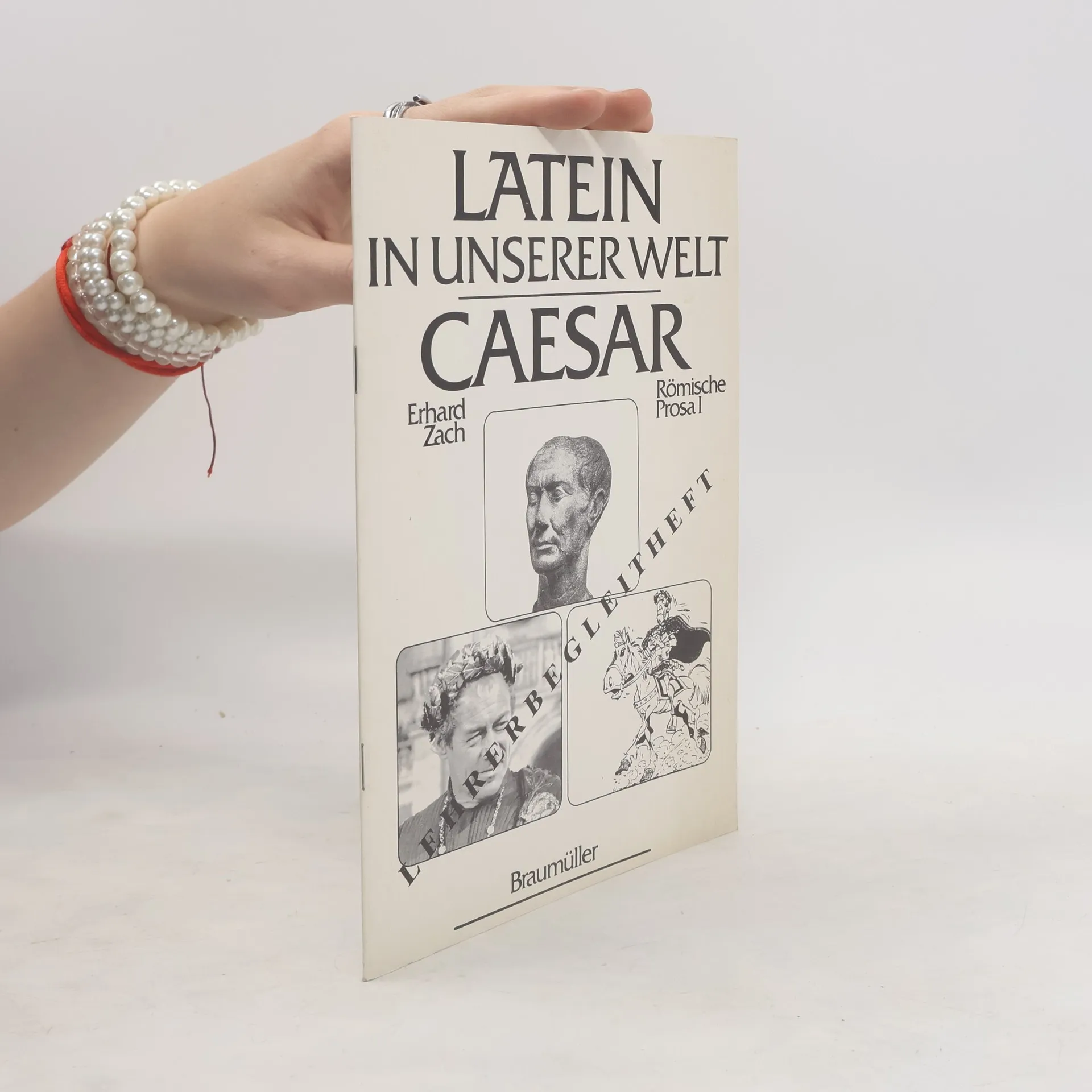
Jeder, der Latein gelernt hat, kennt diesen Text, aber auch jedem Asterix-und-Obelix-Leser sind die paraphrasierten ersten Zeilen bekannt: Gallia est omnis divisa in partes tres... Caesar wurde das Aufgabengebiet Gallien im Verlauf des Jahres 59 v. Chr. zugesprochen; über seine zehn Jahre dauernde Kriegsführung legt er in den Commentarii belli Gallici Rechenschaft ab.
Der Rubikon, ein kleiner Fluss in Italien, ist historisch bedeutend, da Cäsar hier eine entscheidende Wahl für das Schicksal der römischen Zivilisation traf. Mit dem berühmten Ausspruch "Die Würfel sind gefallen!" überschritt er die Grenze, was zum Begriff "den Rubikon überschreiten" führte, der für mutige, unwiderrufliche Entscheidungen steht.
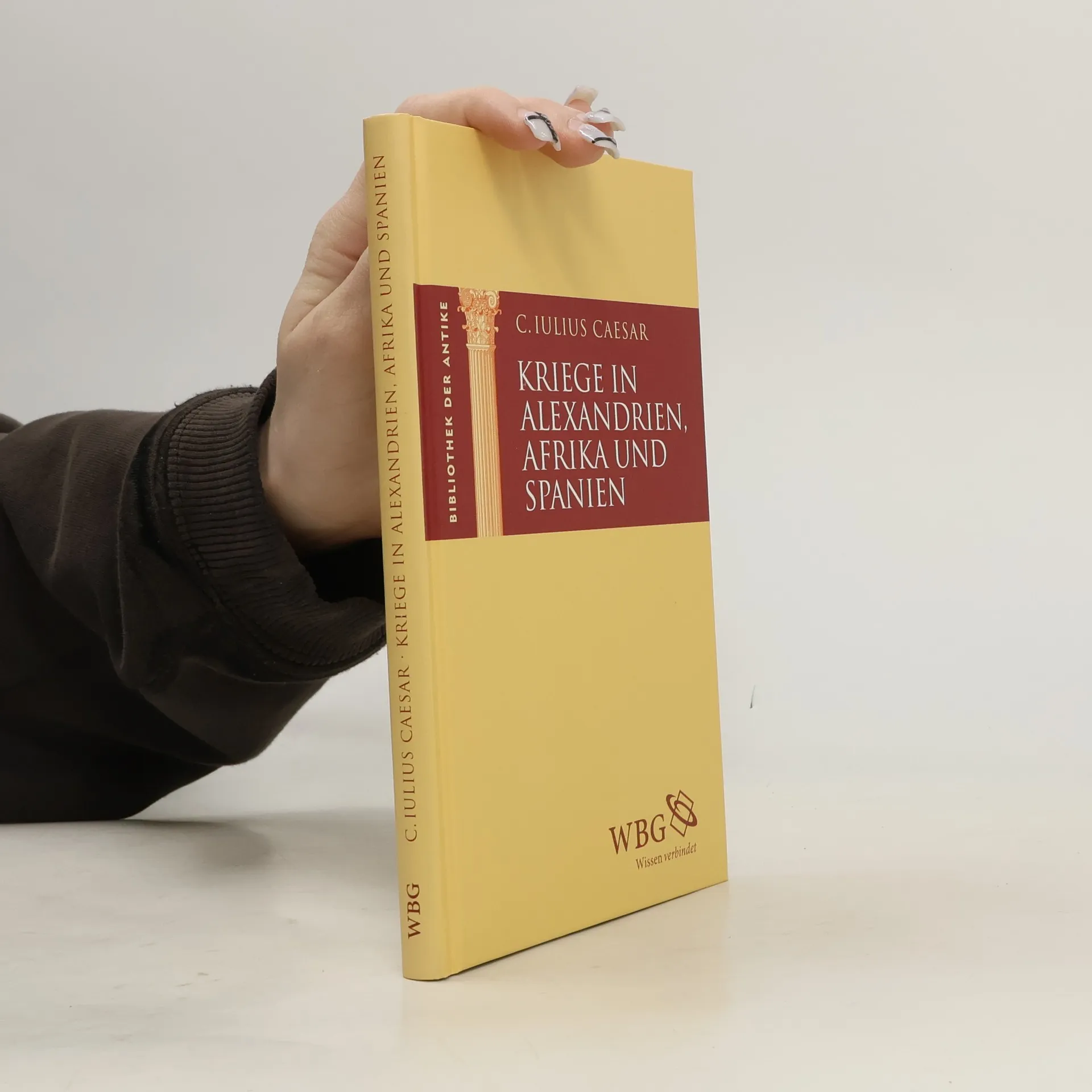
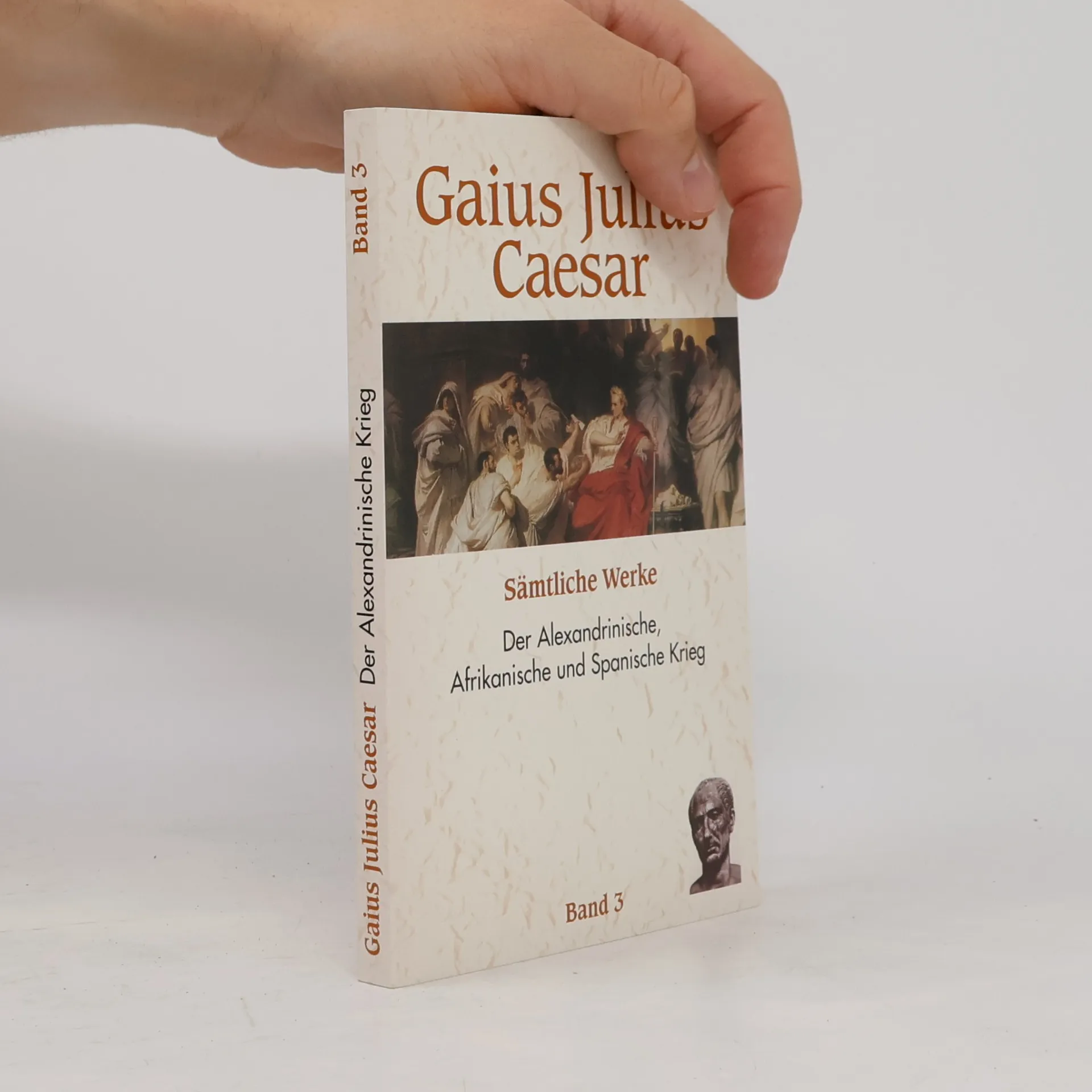
Caesar war Pompeius nach der Schlacht bei Pharsalos nach Ägypten gefolgt. Von den Reizen der ägyptischen Königin Kleopatra verführt und beeinflusst, griff er in den Erb- und Thronstreit mit ihrem Bruder Ptolemaios XIII. ein. Daraus entwickelte sich ein Straßenkampf in Alexandria, der erst durch Hilfe von außen zu Caesars Gunsten entschieden werden konnte. Die kriegerischen Auseinandersetzungen sind im ›Bellum Alexandrinum‹ beschrieben und stehen im Zusammenhang mit Caesars ›Commentarii‹. Der Verfasser des ›Bellum Africum‹ berichtet über Caesars Feldzüge in Afrika von Ende 47 bis Anfang 46 v. Chr.; das ›Bellum Hispaniense‹ schildert Caesars Kämpfe von Dezember 46 bis August 45 in Spanien.
The Satanic Bible 2012, Second Edition has been edited and re-formatted, presenting the foundational belief system of Spiritual Satanism 999. Initiated supporters explore the deeper mystical aspects of Vampir Satanism 999. Realist Satanists are introduced to the mystical content aimed primarily at Mystics. The author, Rev. Caesar 999, outlines the temple's structure and the two main branches of Satanism existing at the time of the book's original writing: LaVeyan and Traditional or Theistic Satanism. The temple distinguishes itself as a form of Theistic Satanism.
The book details the major branches of the temple, each with its own mysticism and purpose, emphasizing the need for a structured system. Given the perceived constant warfare with right-hand path religions, the Orders are conceptualized as a spiritual militant hierarchy of Warrior-Priests. It also introduces the foundation for the Holy Whore Priestesses and Priests, rooted in ancient pre-Christian traditions, aiming to restore the Holy Whore Tantric Priestess and Priesthood.
The core section discusses the Virtuous Principles, the temple's main deity, and the concept of the Androgynous God/Goddess, aligned with the goddess Kali or Satanic Kali. The Principles, also known as the Anti-Christian or Satanic Moral-Value System, draw from pre-Judeo-Christian beliefs and values, intended to replace the Judeo-Christian moral framework within the temple and its communities.
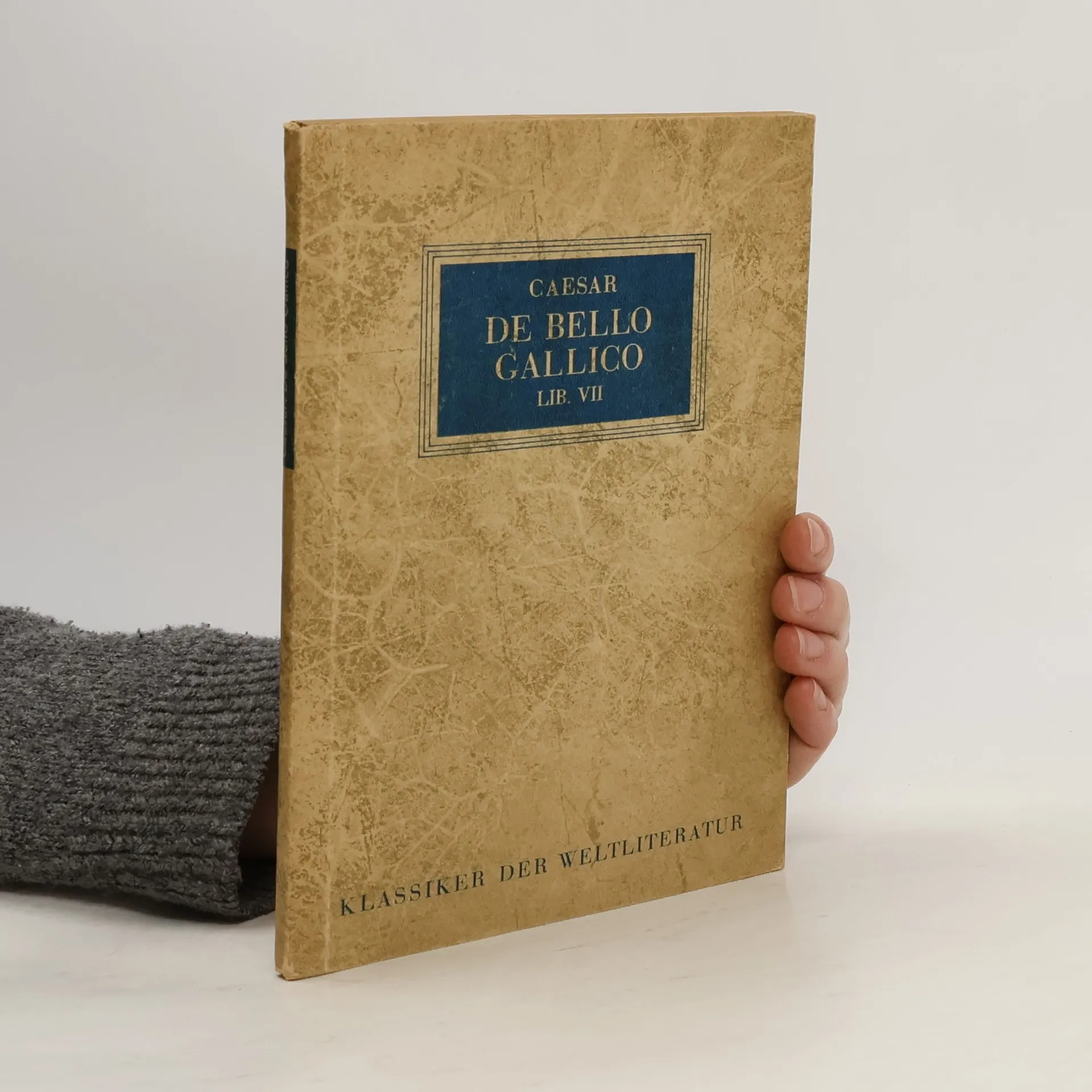
The narrative provides an insightful firsthand account of Julius Caesar's military campaigns in Gaul from 58 to 52 BC, structured into seven books, each corresponding to a specific year. Through detailed descriptions of battles, strategies, and interactions with various tribes, Caesar offers a unique perspective on Roman military tactics and the complexities of leadership during this pivotal period in history. The work highlights themes of power, ambition, and the challenges of conquest.
Sir Julius Caesar was the servant of Elizabeth I, James I and Charles I, serving as Judge of the High Court of Admiralty, Master of Requests, Chancellor of the Exchequer, Master of the Rolls and Privy Councillor. He also sat in the later Elizabethan parliaments and all but one in James' reign. Throughout his long and active career, Caesar preserved hundreds of volumes of his papers. They are largely in the custody of the British Museum and the text of this edition has been taken from BM Lansdowne MS 125. At the end of the sixteenth century English civilians were pressed to defend themselves and their courts against the judicial monopoly which the common lawyers were asserting. While this has often been regarded as a problem of conflicting legal systems and jurisprudential ideologies, it is apparent from Sir Julius Caesar's work that the questions were far more pragmatic than ideological.
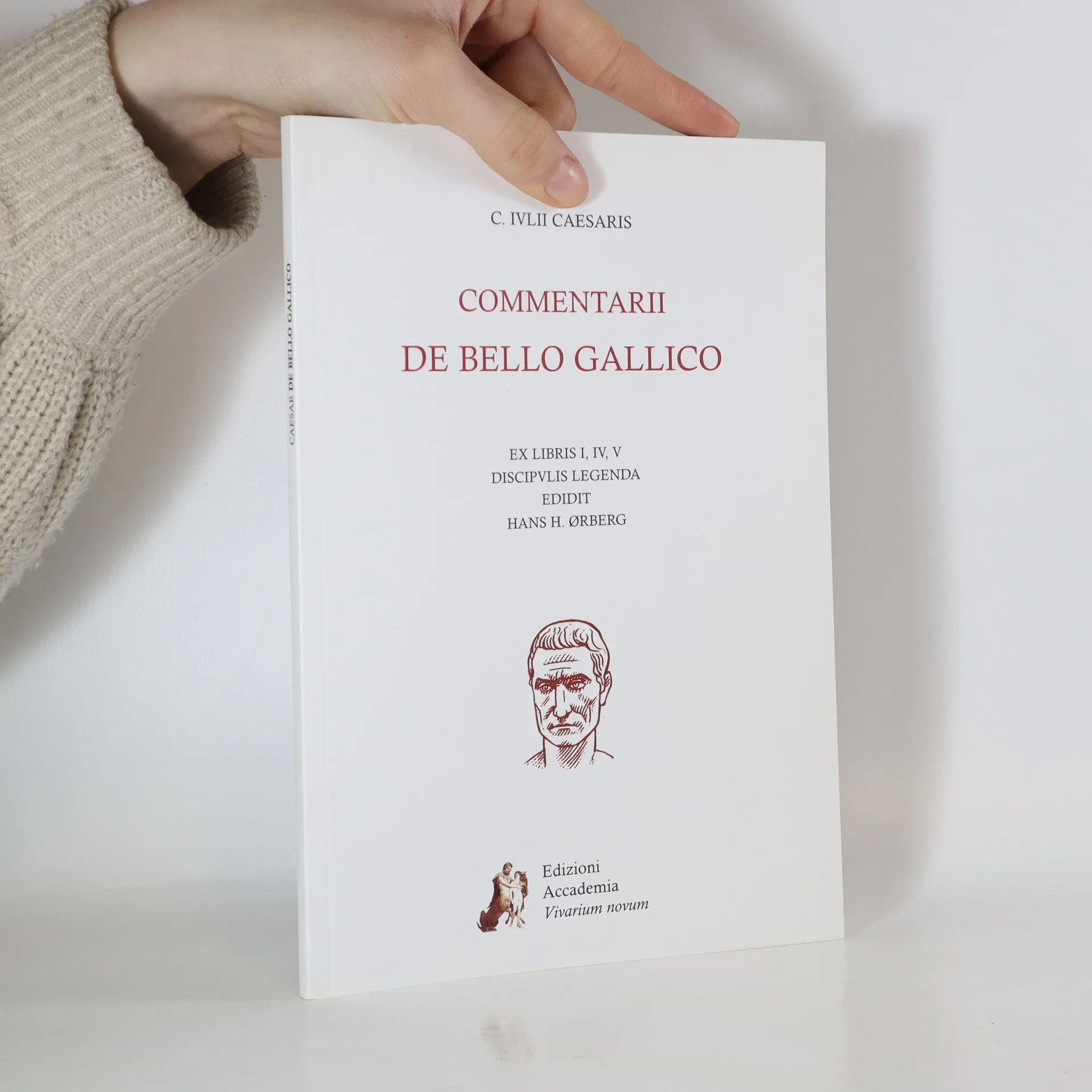
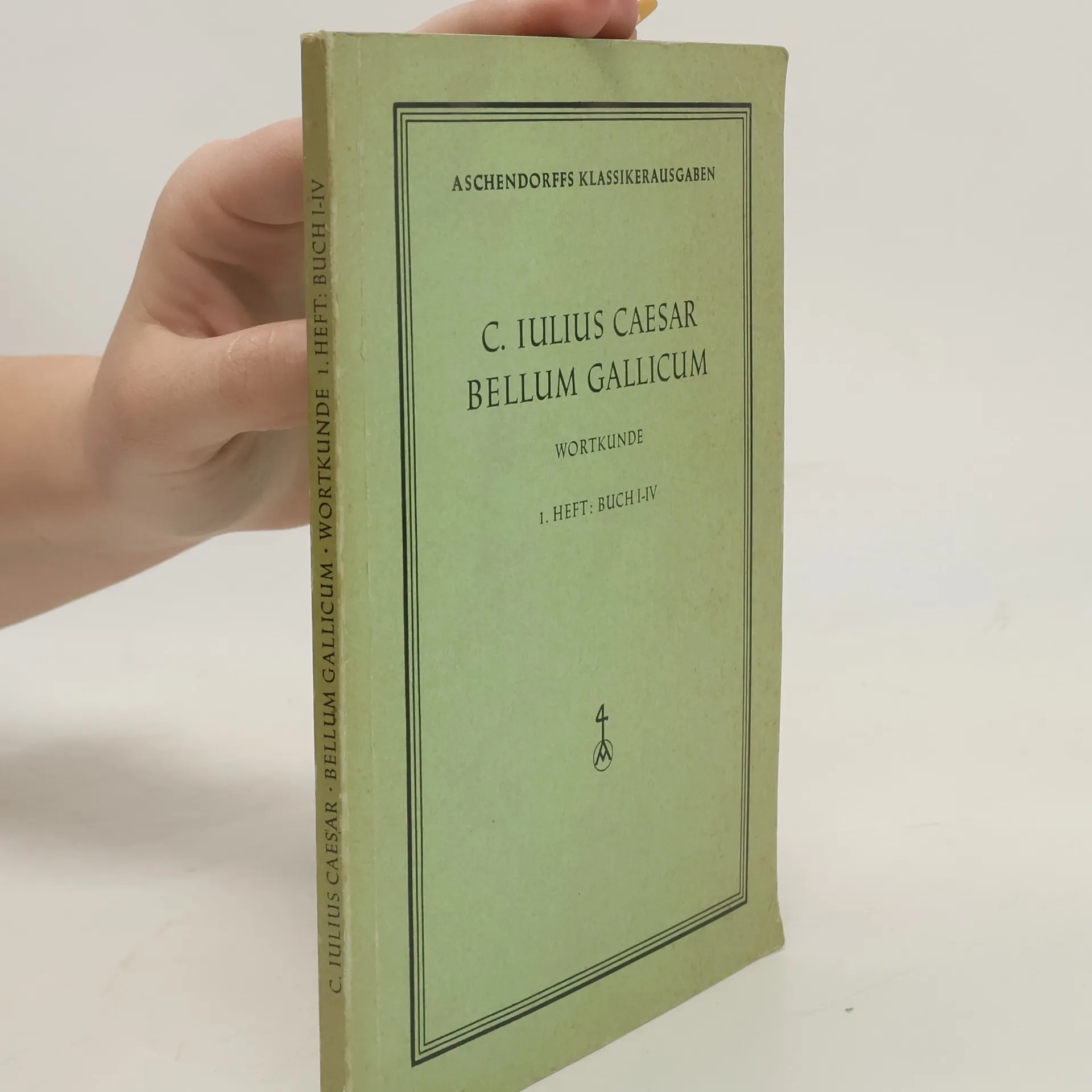
Ex Libris I (partial), IV, and V of Caesar's Commentaries on the Gallic War. The text can be read by students who have completed Familia Romana. Contains an index of names and a vocabulary index. Text and marginal notes in Latin.
Tři knihy o občanské válce zachycující události z let 49 a 48 př. n. l., avšak jsou nedokončené. Caesar se v této své práci vykresluje jako nedobrovolný bojovník v nevyhnutelném konfliktu. O tažení v Alexandrii v roce 47 př. n. l. vyhotovil Aulus Hirtius spis Bellum Alexandrinum. Existují ještě další dvě knihy, jež byly připisovány Caesarovi, ve skutečnosti je ale napsal někdo jiný: Bellum Africanum a Bellum Hispaniense, jež líčí závěrečná střetnutí občanské války z let 46 a 45 př. n. l.
Pochi personaggi storici sono stati così decisivi e ricchi di fascino come Giulio Cesare. E pochissimi così sapientemente scrittori. L'equilibrio, l'eleganza e lo straordinario acume storico fanno di queste opere di Giulio Cesare due gioielli della letteratura latina antica. Gaio Giulio Cesare (ca. 100-44 a.C.), oltre a essere grande uomo politico e generale romano, fu uno dei principali letterati del suo tempo. Nato da nobilissima famiglia, nel 60 fece parte del primo triumvirato con Pompeo e Crasso. Console nel 59, proconsole delle Gallie nel 58, in otto anni conquistò la provincia gallica. Eletto dittatore a vita, fu assassinato da una congiura di repubblicani nel 44.
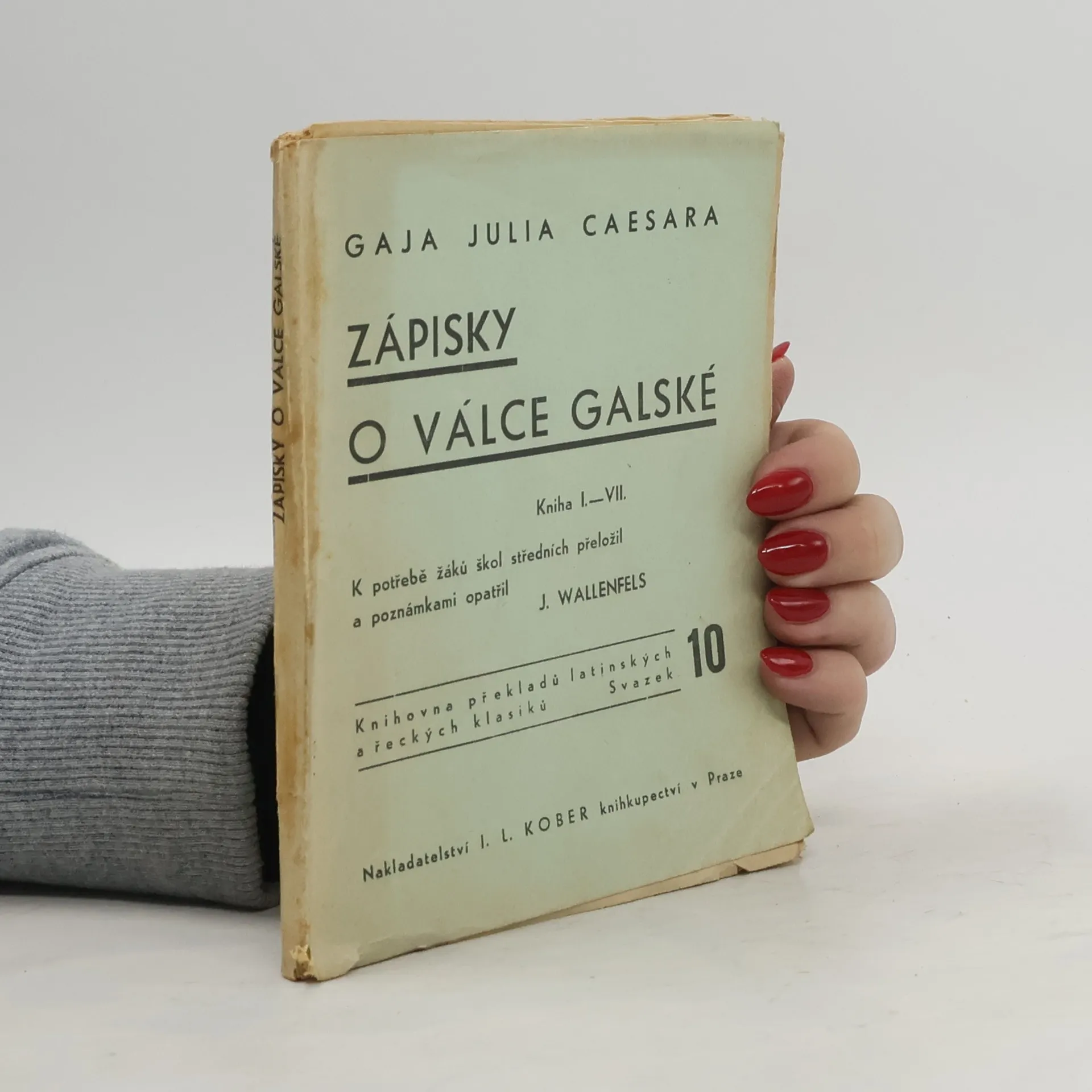
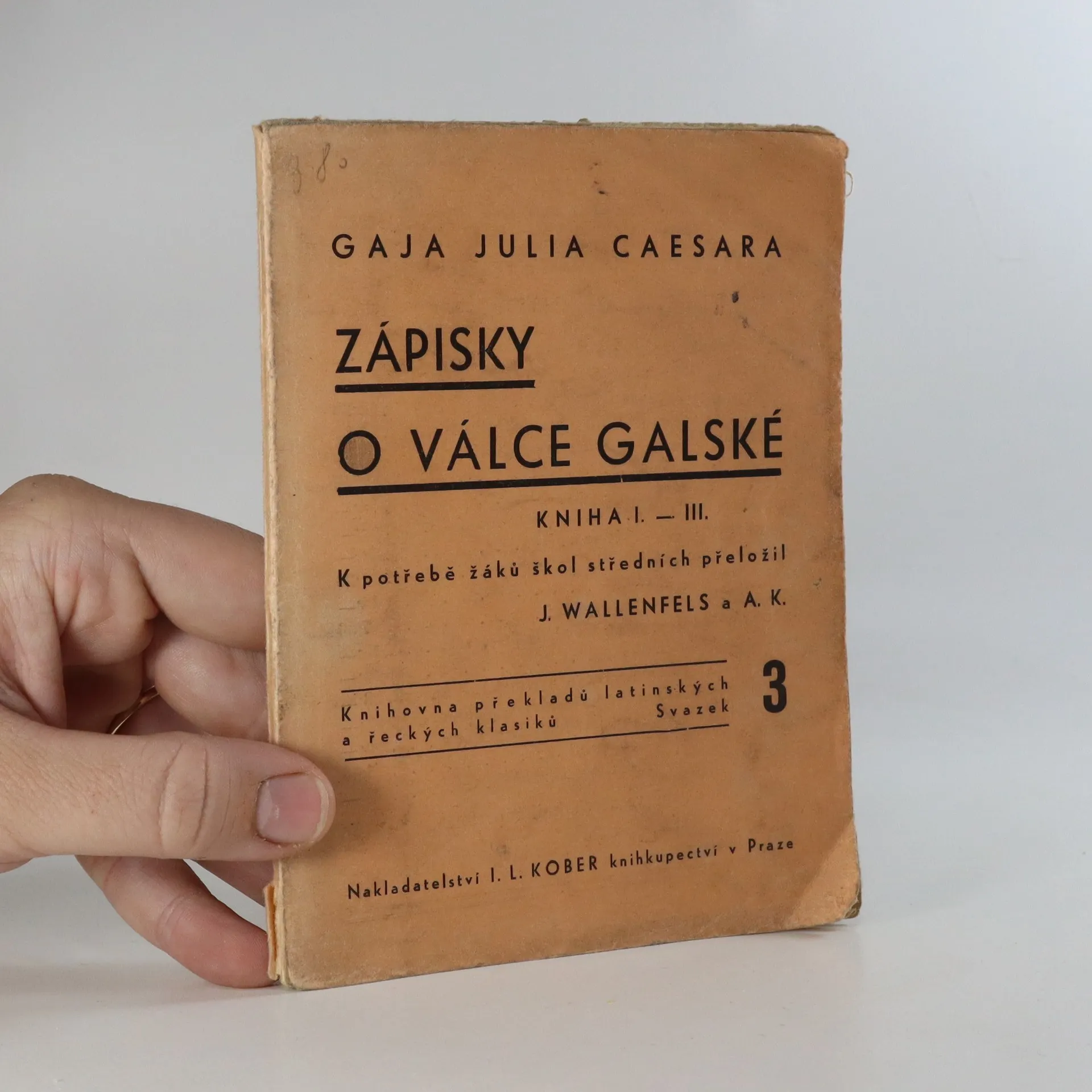
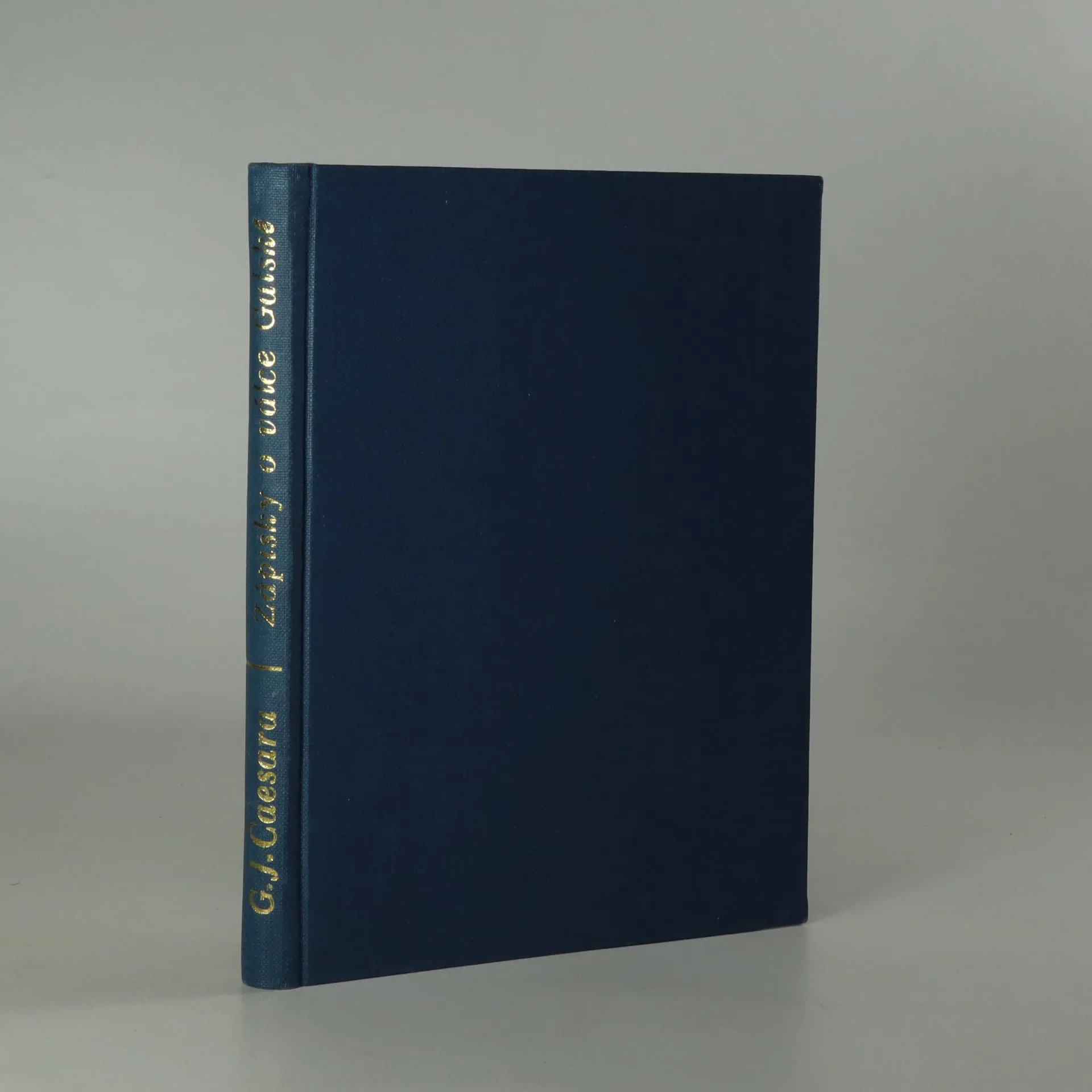
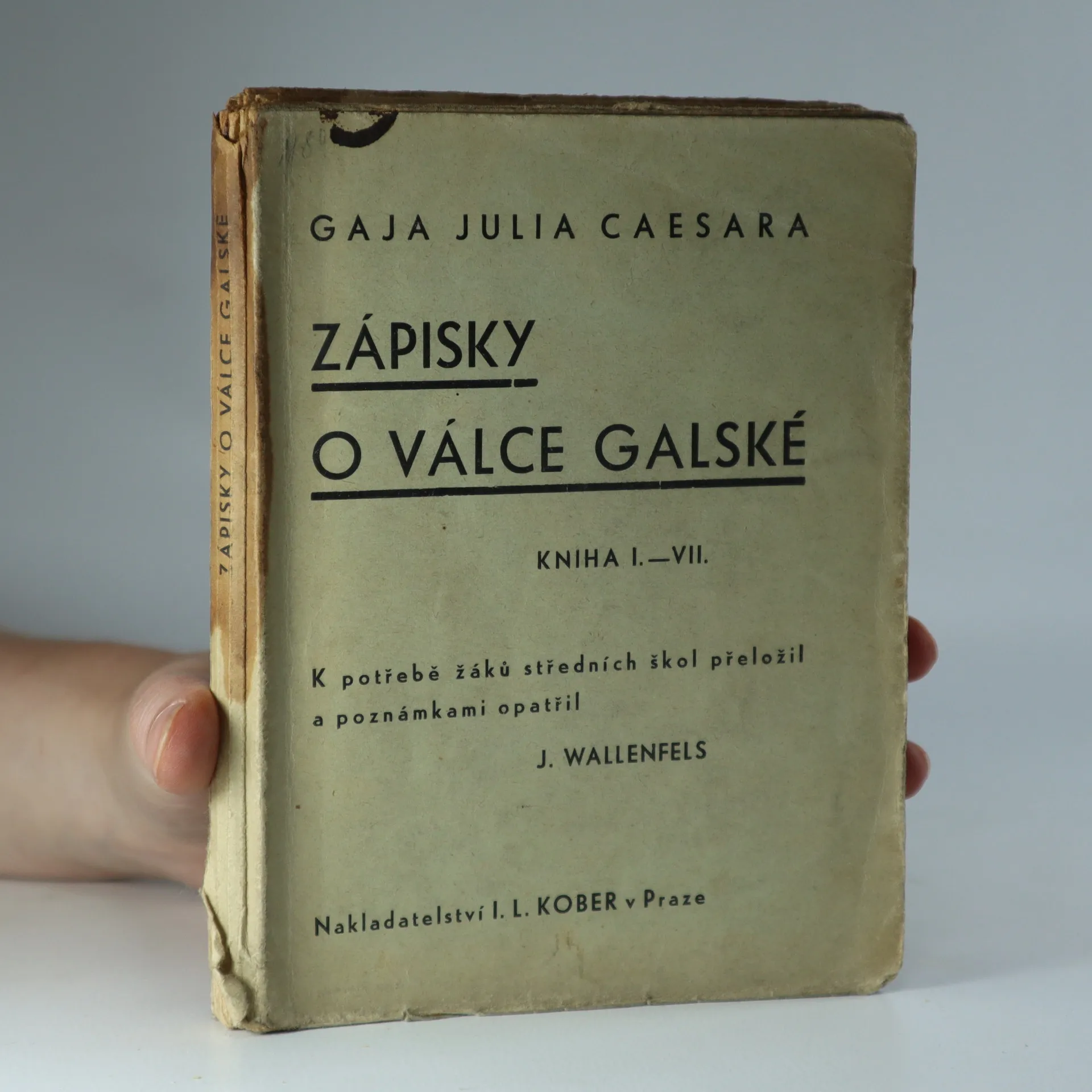
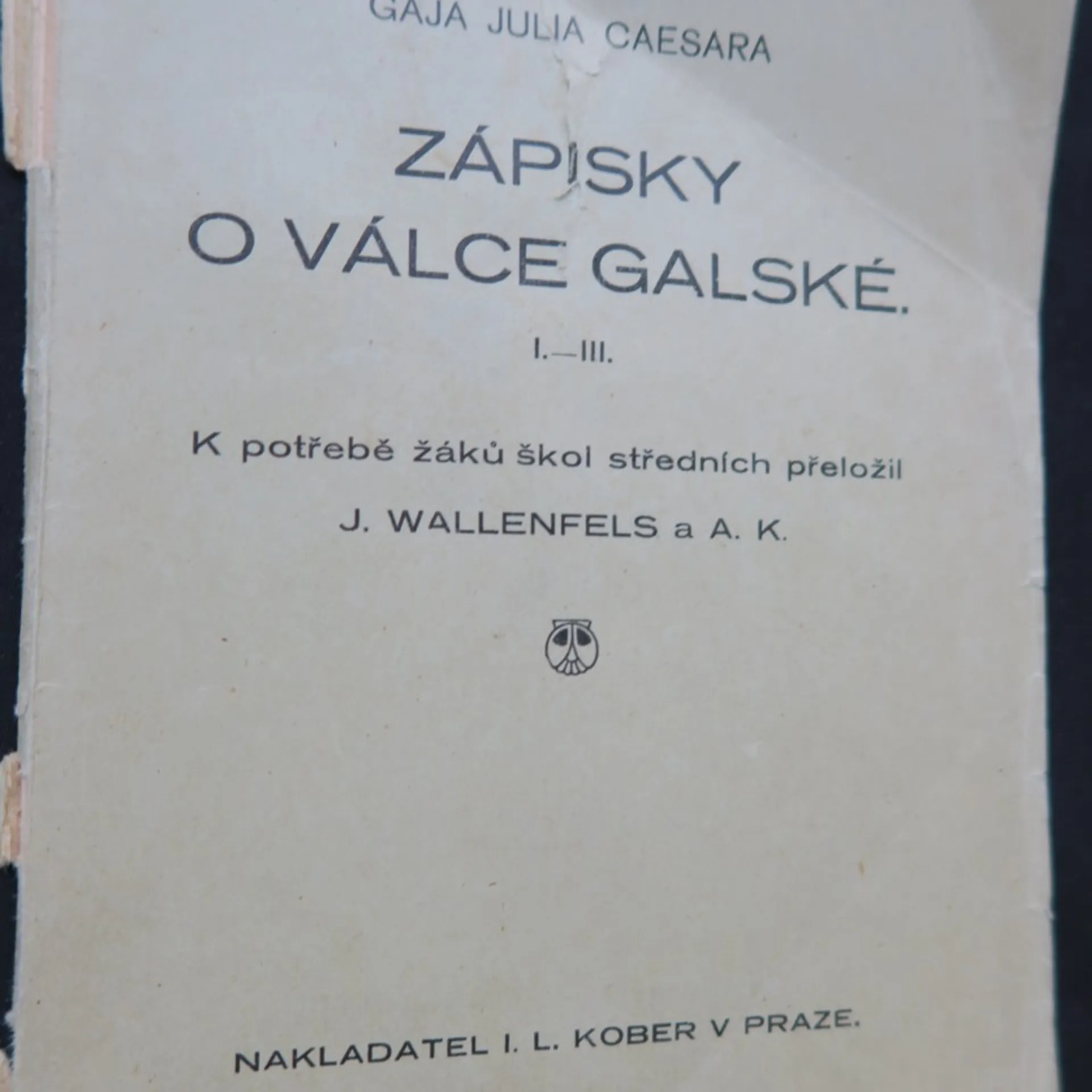
Zápisky o válce galské jsou nejznámějším a zároveň nejvýznamnějším dílem římského vojevůdce Gaia Iulia Caesara. V sedmi knihách psaných ve třetí osobě popisuje nejen svá tažení a bitvy, ale i přírodu a zvyky starých Galů, Germánů apod. Vyprávění počíná rokem 58 př.n.l. a končí rokem 52 př. n. l., přičemž sloh díla je velmi jednoduchý a prostý, používá relativně malou slovní zásobu, bez zbytečných odboček a básnických příkras. Čtenář má možnost se seznámit nejen s Caesarovým geniálním vojenským a politickým nadáním, ale také s dokonalou organizací a vysokou kvalitou římského vojáka.
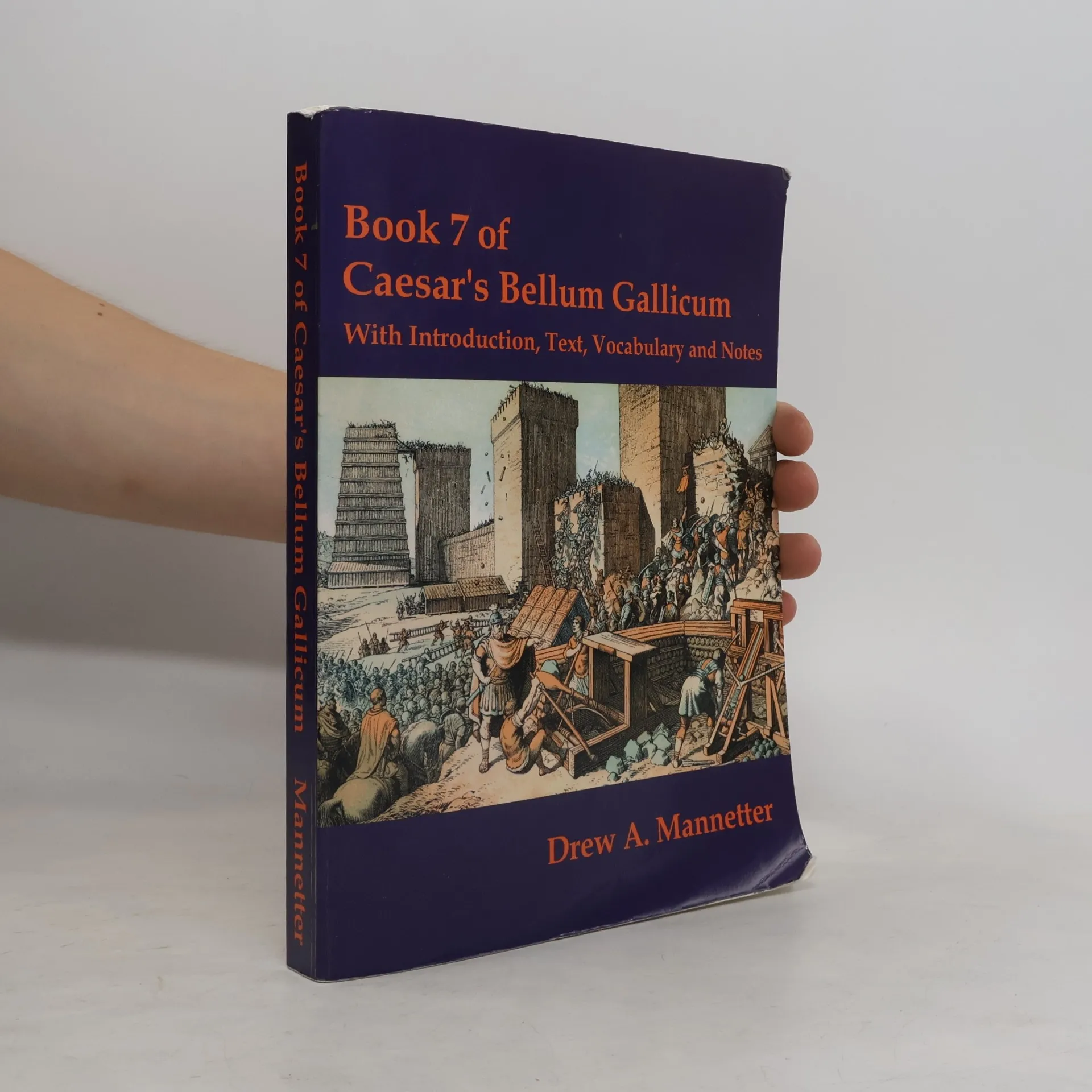
This comprehensive reader utilizes a step-by-step approach to help students of Latin read and understand the longest and most dramatic book of Caesar's Gallic War. Book 7 is the culmination of the conflict between Gaul, led by the young Arvernian Vercingetorix and fighting for its freedom and political survival, and the Romans, led by Julius Caesar and fighting for hegemony and political mastery. The final battle at Alesia, pitting the united might of Gaul at 339,000 men against a Roman army of 40,000, changed the course of Western history. This reader is ideal for Latin students of all levels who have a basic knowledge of grammar and morphology. The Latin text of all 90 chapters of Book 7 is broken down into manageable segments, normally about a sentence in length. Immediately following, all vocabulary is provided with several meanings of each word selected for that particular context. This is especially helpful for beginning students who are sometimes unsure which definition of a given word to select for translation. Following the vocabulary, there are notes on the passage. A unique feature of this reader is that the notes are complete and cover the syntax of every construction and every word in turn. The thoroughness of this reader facilitates speed in reading, increases comprehension, and promotes satisfaction in reading a difficult language. The benefits of this approach will be shared by teachers and students alike.







![Commentarii belli Gallici. [2], Erläuterungen zu Buch I - IV: T. A. Schülerkommentar](https://rezised-images.knhbt.cz/1920x1920/80266043.webp)