

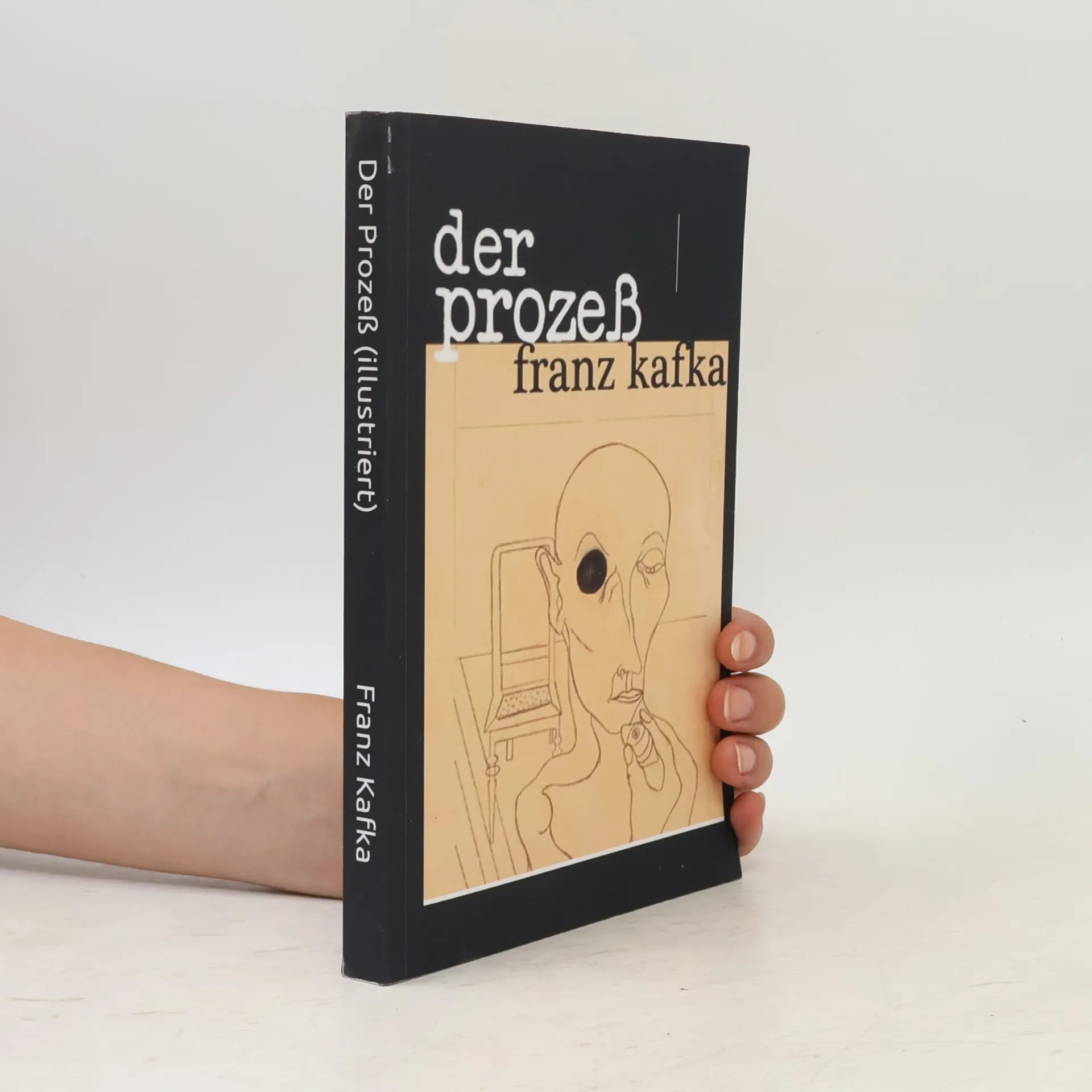
Josef K., der Protagonist des Romans, wird am Morgen seines 30. Geburtstages verhaftet, ohne sich einer Schuld bewusst zu sein. Trotz seiner Festnahme darf sich der Bankprokurist Josef K. noch frei bewegen und weiter seiner Arbeit nachgehen. Vergeblich versucht er herauszufinden, weshalb er angeklagt wurde und wie er sich rechtfertigen könnte. Dabei stößt er auf ein ebenso wenig greifbares Gericht, dessen Kanzleien sich auf den Dachböden großer ärmlicher Mietskasernen befinden. Die Frauen, die mit der Gerichtswelt in Verbindung stehen und die K. als „Helferinnen" werben versucht, üben eine erotische Anziehungskraft auf Josef K. aus.
Richard Stokes Reihenfolge der Bücher (Chronologisch)


Millions compete for exposure on Google, Yahoo!, and MSN Live Search, but 97% of them fail to get results. Search advertising specialist Richard Stokes reveals why and provides solutions.
One finger too many
- 71 Seiten
- 3 Lesestunden
Alfred Brendel - internationally famous as the supreme interpreter of the piano music of Haydn, Mozart, Beethoven, Schubert and Liszt - is also a poet. Between concert engagements and recording sessions, he has found the time to write this collection of sardonic, wise, funny, and beautifully turned verses. Penetrating light is thrown on those parts of the author's endlessly subtle mind and sensibility which his devoted audiences can barely have guessed existed. The supernumerary finger of the book's title, the appearance of Brahms's smelly ghost, the war between the bearded and the beardless, the camel's loss of his humps, the appropriateness of laughter, the eventual appearance of Godot and the usefulness of identical twins are among the important subjects he tackles. With the help of Richard Stokes, Alfred Brendel has produced English versions of his original texts which go out to meet the reader with refreshing directness and wit.
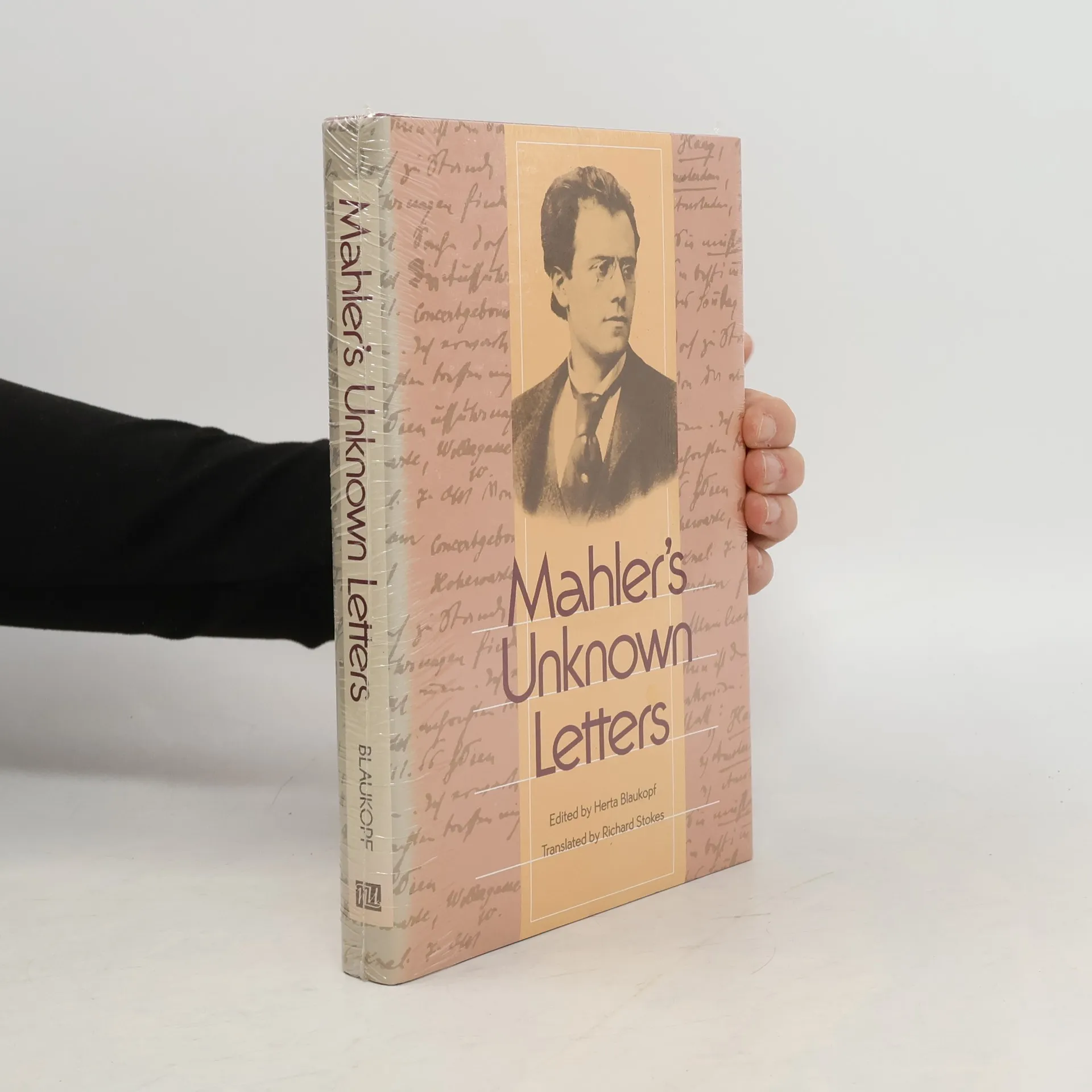
Mahler's Unknown Letters
- 240 Seiten
- 9 Lesestunden
Gathers letters written from Mahler to his critics, colleagues, family, and friends, and provides background information concerning each letter