

Selfish Genes to Social Beings is a new history of life told from a different perspective: cooperation. Beginning with the heroic story of rescuers in the post-earthquake rubble of Mexico City, Jonathan Slivertown reveals the universal rules of cooperation that apply throughout the history of life.
Jonathan W. Silvertown Bücher
Dieser Autor ist für seinen künstlerischen Ansatz im wissenschaftlichen Schreiben bekannt, bei dem er poetische Elemente mit Präzision verwebt. Seine Werke erforschen die Vernetzung der natürlichen Welt mit literarischen und imaginativen Bereichen. Mit einem unfehlbaren Auge für Details und einem Gespür für die verborgene Schönheit in der Prosa enthüllt er tiefere Realitätsebenen. Sein einzigartiger Beitrag liegt in seiner Fähigkeit, wissenschaftliche Erkenntnisse auf fesselnde und ästhetisch ansprechende Weise darzustellen.


Dinner with Darwin
- 232 Seiten
- 9 Lesestunden
This is a delightful feast filled with food, culinary arts, and the science of human and biological evolution, revealing that our shopping lists, recipes, and restaurant menus contain more than just delicious ingredients. Within them lie many fascinating stories of natural selection that have influenced what is on our plates and shaped our tastes. What do eggs, flour, and milk have in common? They are basic ingredients for pancakes and many snacks, but there is another intriguing answer. Eggs, seeds (flour is made from wheat seeds), and milk have all evolved to serve the function of "nurturing offspring." By carefully considering what we consume in our three meals, we discover that everything we eat and drink has an evolutionary history. Let us dine with Darwin and take a few lessons in evolutionary cuisine. This enticing culinary journey helps us understand human history, the origins of our diets, and important foods over thousands of years, including bread, spices, seafood, meats, and fine wines. It further leads us into the world of genetically modified and fusion foods, exploring the science of how our senses interact with food and cooking. Silvertown combines cooking, science, and human society, linking natural history, archaeology, biology, biography, and the stories of food, making every meal worth savoring and transforming it into a rich feast of ideas.
Demons in Eden : the Paradox of Plant Diversity
- 202 Seiten
- 8 Lesestunden
Jonathan Silvertown here explores the astonishing diversity of plant life in regions as spectacular as the verdant climes of Japan, the lush grounds of the Royal Botanical Gardens at Kew, the shallow wetlands and teeming freshwaters of Florida, the tropical rainforests of southeast Mexico, and the Canary Islands archipelago, whose evolutionary novelties - and exotic plant life - have earned it the sobriquet "the Galapagos of botany." Along the way, Silvertown looks closely at the evolution of plant diversity in these locales and explains why such variety persists in light of ecological patterns and evolutionary processes. In novel and useful ways, he also investigates the current state of plant diversity on the planet to show the ever-challenging threats posed by invasive species and humans
The Comedy of Error
- 192 Seiten
- 7 Lesestunden
What is humour? Why do we laugh? And why is the root of a good joke almost always error? Good jokes, bad jokes, clever jokes, dad jokes — the desire to laugh is universal. But why do we find some gags hilarious, whilst others fall flat? Why does explaining a joke make it less amusing rather than more so? Why is laughter contagious, and why did it evolve in the first place?Using the oldest jokes and the latest science, in The Comedy of Error, Professor Jonathan Silvertown investigates why we laugh: from laughter’s evolutionary origins, to similarities and differences in humour across cultures, and even why being funny makes us sexier.As this unique book demonstrates, understanding how humour really works can provide endless entertainment.
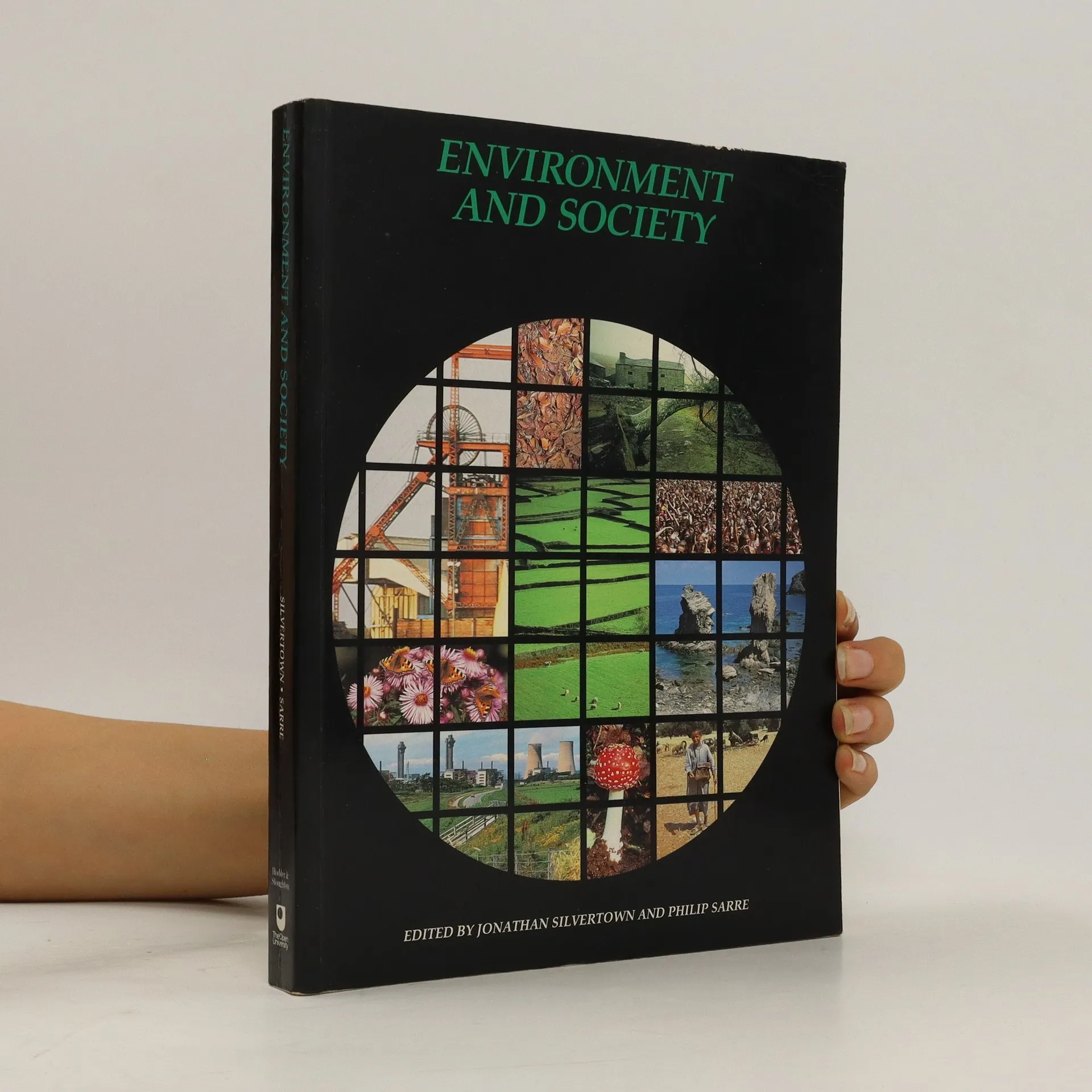
Providing an introduction to basic concepts, processes and problems relating to the environment, this book spans scientific, technological, social scientific and philosophical approaches. The text is interspersed with activities and questions and answers for self-assessment.
Introduction to Plant Population Biology
- 224 Seiten
- 8 Lesestunden
This text is the first to fully integrate the fields of plant population ecology, population genetics and evolutionary biology. Developed from many years of teaching experience, with plentiful illustrations, this clear and simple exposition provides an excellent introduction to the field. Effectively, it is a radically updated and expanded third edition of Jonathan Silvertown's earlier book, Introduction to Plant Population Ecology.