

Focusing on the interconnectedness of scientific disciplines, this edition integrates physics, chemistry, astronomy, Earth sciences, and biology to promote scientific literacy. It highlights general principles and their real-world applications, making it accessible for non-science majors. The updated content addresses contemporary issues such as climate change, sustainability, viruses, public health, and bioengineering, ensuring relevance in today's scientific landscape. Praised for its clarity and detail, it serves as an effective resource for students and instructors alike.
Robert M. Hazen Reihenfolge der Bücher (Chronologisch)




Symphony in C: Carbon and the Evolution of (Almost) Everything
- 320 Seiten
- 12 Lesestunden
Exploring the multifaceted nature of carbon, this book delves into its significance as both a luxury and a necessity. It examines the element's origins, its role in life, and its presence in everyday materials, from hair to food. Through poetic storytelling, Robert M. Hazen takes readers on a global journey, uncovering the mysteries surrounding carbon and its vital importance to life and the environment.
The Story of Earth
- 320 Seiten
- 12 Lesestunden
Hailed by The New York Times for writing “with wonderful clarity about science . . . that effortlessly teaches as it zips along,” nationally bestselling author Robert M. Hazen offers a radical new approach to Earth history in this intertwined tale of the planet’s living and nonliving spheres. With an astrobiologist’s imagination, a…
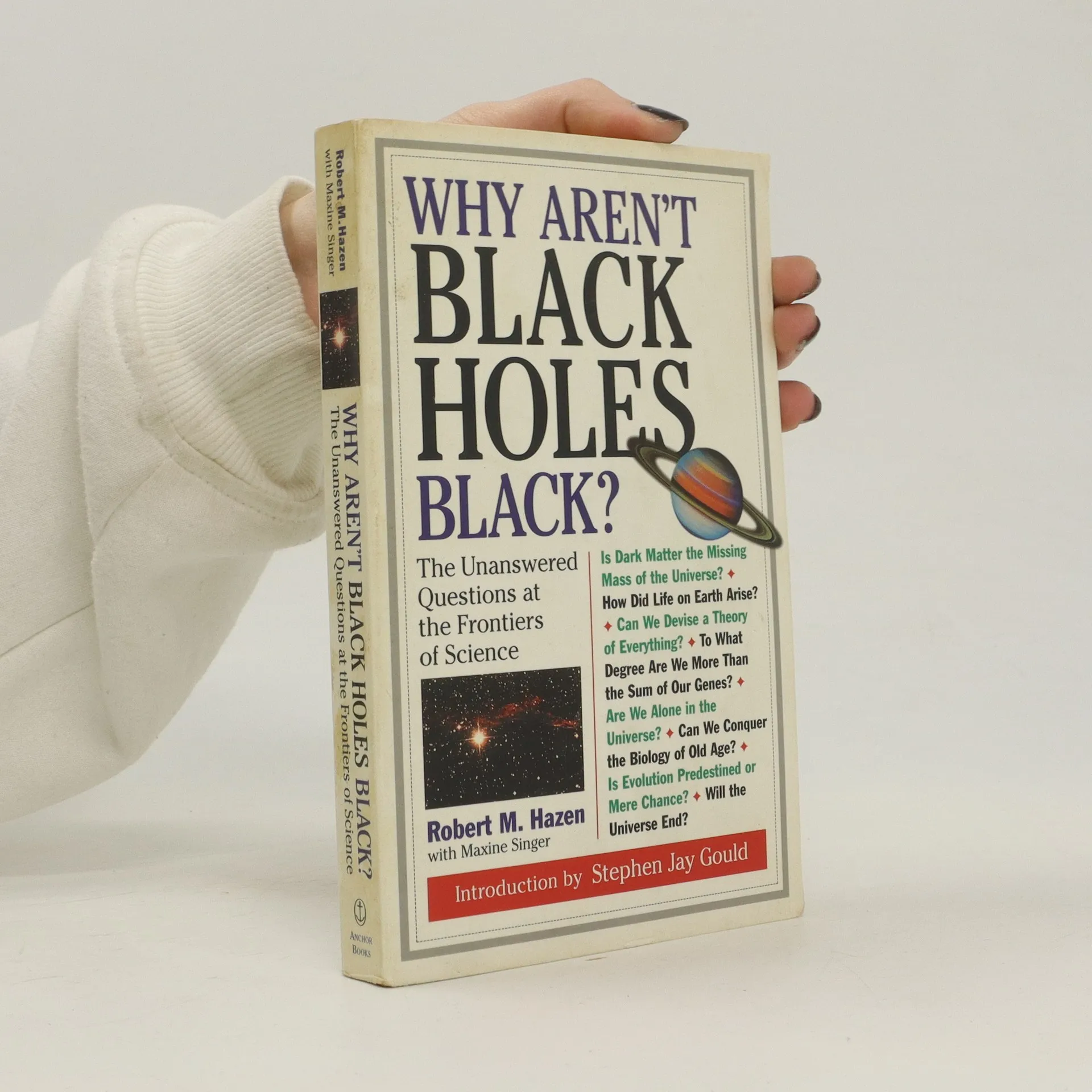
Warum schwarze Löcher nicht schwarz sind
- 360 Seiten
- 13 Lesestunden
The proliferation of scientific breakthroughs during the twentieth century, and the media attention they have generated, have left most people with the impression that the great questions of science have been answered. The general perception is that the fundamental forces of the universe are known and understood, that the building blocks of life have been discovered, and that, in effect, we have reached "the end of science." In Why Aren't Black Holes Black?, renowned
Kelvin 90 - Der Wettlauf um den Supraleiter
- 292 Seiten
- 11 Lesestunden