
5,0


Stephen Koch ist ein Autor, dessen Werke sich mit den komplexen Aspekten menschlicher Beziehungen und moralischer Zwickmühlen auseinandersetzen. Sein Schreiben zeichnet sich durch scharfe Einblicke und die Fähigkeit aus, verborgene Motivationen von Charakteren aufzudecken. Leser schätzen seine Gabe, sie in tiefgründige psychologische Erkundungen und literarische Reflexionen einzubeziehen. Kochs Herangehensweise an die Fiktion ist geprägt von einem ausgeprägten Verständnis für erzählerisches Handwerk.
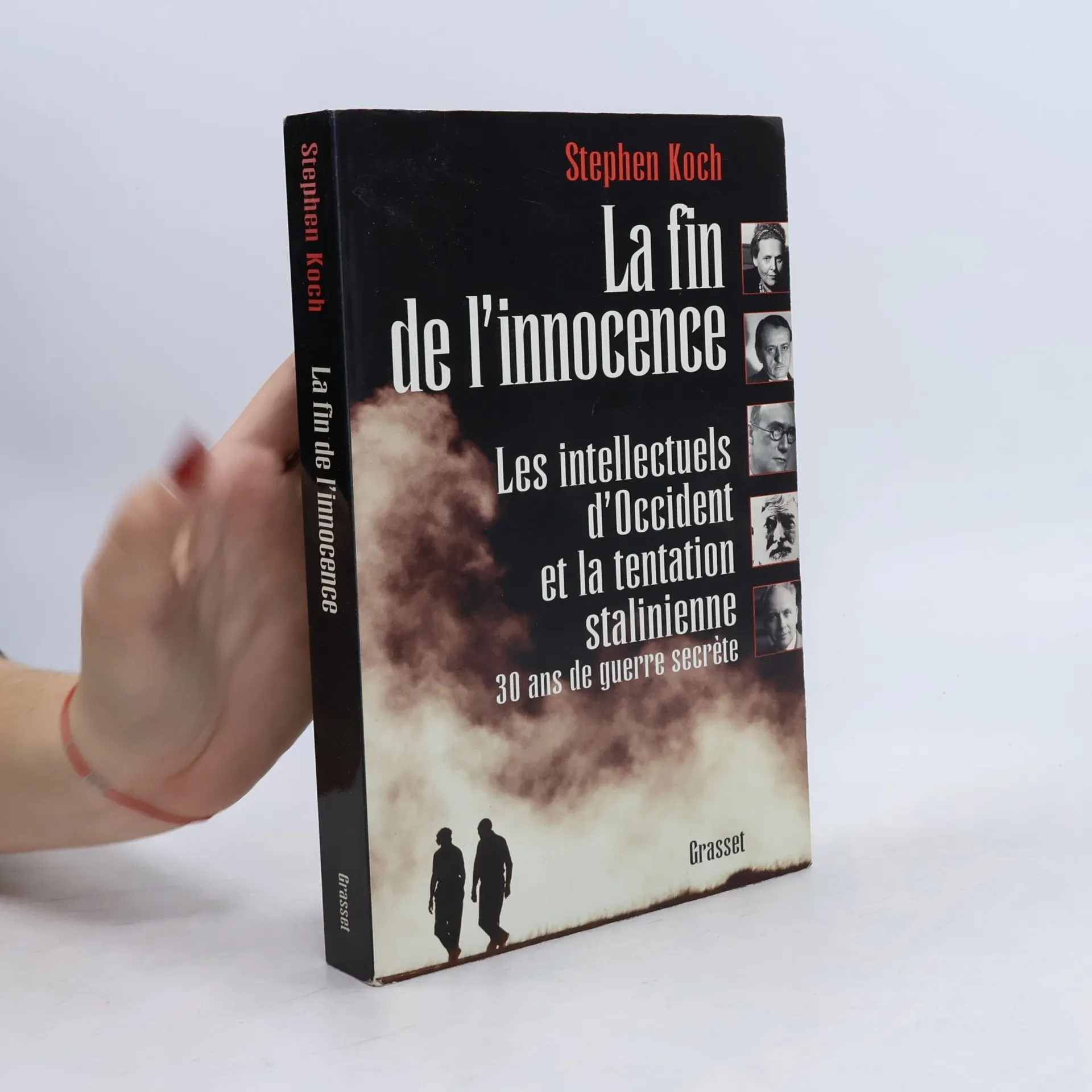


A history of Soviet propaganda in the West under Stalin. It aims to show how three men - Willi Muzenberg, Otto Katz and Louis Gibarti - manipulated the lives and deeds of some of the most prominent and idealistic public figures.
New B-format paperback edition. How Hitler used the murder of a Nazi diplomat to blame the Jews for WW2, based on new archive sources.
Ernest Hemingway and John Dos Passos were friends; writers-in-arms, though they were polar opposites in terms of personality – Dos Passos’ calm contrasting with Hemingway’s machismo. They arrived in Spain during the civil war as comrades, but when Dos Passos undertook to unravel the mystery of the disappearance of his friend, José Robles – a Spanish-born Johns Hopkins profressor who had moved back to Spain to help save the Spanish Republic – their friendship, and Dos Passos’ literary career, reached the breaking point. In this stunning historical narrative, written with a novelists eye for detail, acclaimed writer Stephen Koch explores the relationship between the two men - set against the grippingly dramatic backdrop of the Spanish Civil War - and how their split changed them both as men and as writers.
Contains:Agglomeratie (Build-Up)Dertien Man naar Centaurus (Thirteen to Centaurus)Nul: Nu (Now: Zero)Paspoort naar de Euwigheid (Passport to Eternity)Opname 12 (Track 12)Tijd van Verloop (Time of Passage)Pendule (Escapement)Overbelasting (The Overloaded Man)De Wachtvelden (The Waiting Grounds)
Les intellectuels d'Occident et la tentation stalinienne - 30 ans de guerre secrète
Au début des années trente, Moscou décide de transformer la révolution russe en un révolution mondiale. Une campagne magistrale est organisée, destinée à rallier les intellectuels occidentaux à l'Union soviétique de Staline. L'homme à qui le Politbür confie cette tâche, Willi Münzenberg, communiste allemand installé à Paris, est un génie de la propagande. Des intellectuels éminents : André Gide, André Malraux, Ernest Hemingway, Dorothy Parker, John Dos Passos, Bertolt Brecht et bien d'autres, ont fait partie des "agents d'influence" de Münzenberg ou ont été manipulés par lui, embarqués dans cette aventure par leur attachement idéaliste au mouvement antifasciste (en privé, Münzenberg les appelait les "innocents"). De Moscou où se déroulent les procès truqués à Londres où travaillent les agents du M15, de New York à Hollywood où les "innocents" sont légion, la plupart des épisodes dramatiques et décisifs qui ont marqué l'histoire des relations entre l'Est et l'Ouest des années trente aux années soixante peuvent être imputés à Münzenberg ou à ses émules.