

Beginning and veteran knitters alike can learn how to produce homemade self-patterning yarns with this easy, step-by-step guide. Instructions are provided for choosing materials and equipment, skeining and preparing yarn, and painting and dyeing the yarn--all with materials that are found in most grocery and craft stores. Twenty-five quick projects, each presented with dyeing and knitting instructions, will help develop the reader's technique and produce exciting, colorful garments, including gloves, mittens, scarves, and even a summer shell. Guidelines for modifying projects, tips on embellishing, and ideas for leftover yarn are also included.
Kathleen E. Kathleen Eleanor Taylor Bücher
Kathleen Taylor ist eine gefeierte Strickdesignerin und eine produktive Autorin, deren Arbeit sich durch einen innovativen Ansatz zu traditionellen Handwerken auszeichnet. Ihre Entwürfe zeichnen sich durch Originalität und Liebe zum Detail aus. Taylor konzentriert sich nicht nur auf Ästhetik, sondern auch auf Praktikabilität und einfallsreiche Techniken. Ihr Schreiben ist inspiriert von einem tiefen Verständnis der Textilerstellung und dem Wunsch, ihr Wissen und ihre Leidenschaft mit anderen Handwerkern zu teilen.





Cruelty. Human evil and the human brain
- 337 Seiten
- 12 Lesestunden
In Cruelty, neuroscientist Kathleen Taylor explores the factors behind violence, sexual abuse, genocide, and other atrocities. Drawing on history, politics, philosophy, psychology, and especially neuroscience, she sets cruelty in the context of human evolution and our current understanding of brain function. She begins with an example from Lithuania in World War II, in which a young man beat a group of prisoners to death, one by one, as a crowd of civilians cheered. Can the killer and his audience be described as mentally ill? Could we ever be like them? Taylor explores the beliefs, emotions, and even instincts which can lead normally decent and law-abiding people to commit shocking acts of murder. For instance, she shows how movements begun consciously can trigger more instinctive behavior. Men who chase a victim intending to scare him may find that their brains reinterpret the chase as a hunt--and treat the victim as prey. Filled with such insight, Taylor provides a clear, nuanced and thoughtful assessment of human viciousness.
Dementia: A Very Short Introduction
- 152 Seiten
- 6 Lesestunden
Kathleen Taylor offers a clear guide to dementia, covering its history and its definition, different types and their symptoms, diagnosis and treatment, and the underlying science. She also explains why we still have no cure for dementia, and looks at current research which could soon change that.
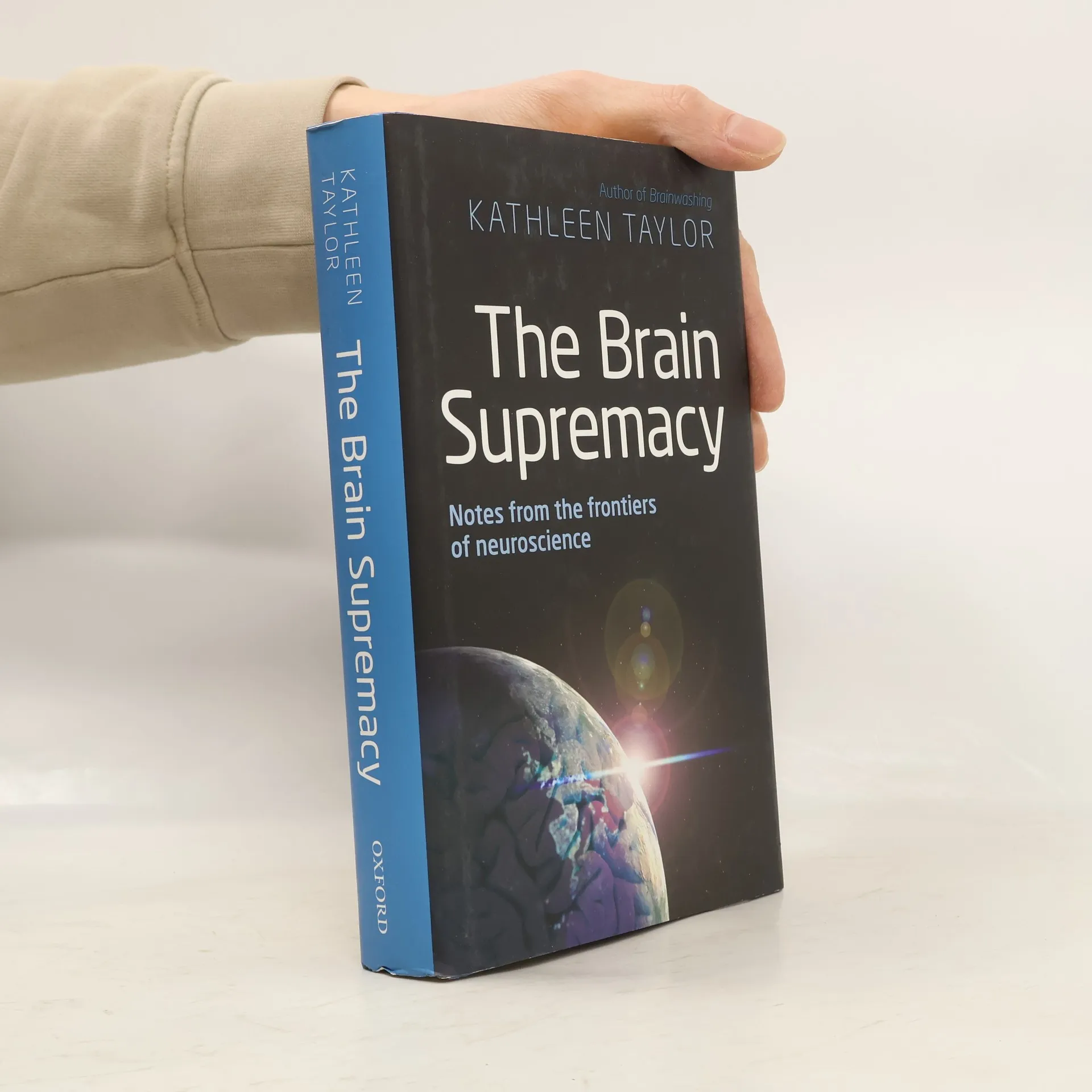
Advances in physics, chemistry, and natural sciences have granted us remarkable control over our world. However, the balance of power is shifting as breakthroughs in brain and mind research enhance our understanding of ourselves and our environment, leading to increased funding and interest in neuroscience. This guide explores this dynamic field using recent scientific research and media examples, clarifying how techniques like fMRI function and the true meaning behind claims of mind-reading. The implications of this powerful research are presented in an engaging manner, highlighting how science has already influenced our behavior and may soon alter our very identities. We could potentially cure debilitating diseases, enhance intelligence with pills, and more. As we look to this exhilarating yet concerning future, the author contextualizes current neuroscience within social and ethical frameworks, examining its growing impact on our lives. What does this new science mean for us as individuals, consumers, parents, and citizens? Should we feel excitement or alarm regarding the promises of brain-boosting drugs, advanced marketing strategies, and mind-reading machines? This illuminating account reveals the neuroscience behind these claims and the extraordinary potential of science to shape our lives.
Brainwashing. The science of thought control
- 336 Seiten
- 12 Lesestunden
Bringing the worlds of neuroscience and social psychology together, this book examines the ethical problems involved in carrying out the required experiments on humans, the limitations of animal models, and the frightening implications of such research. It also explores the history of thought-control and shows how it exists around us.