
Gratis Versand in ganz Österreich
Bookbot

Harry M. Collins

    The Shape of Actions
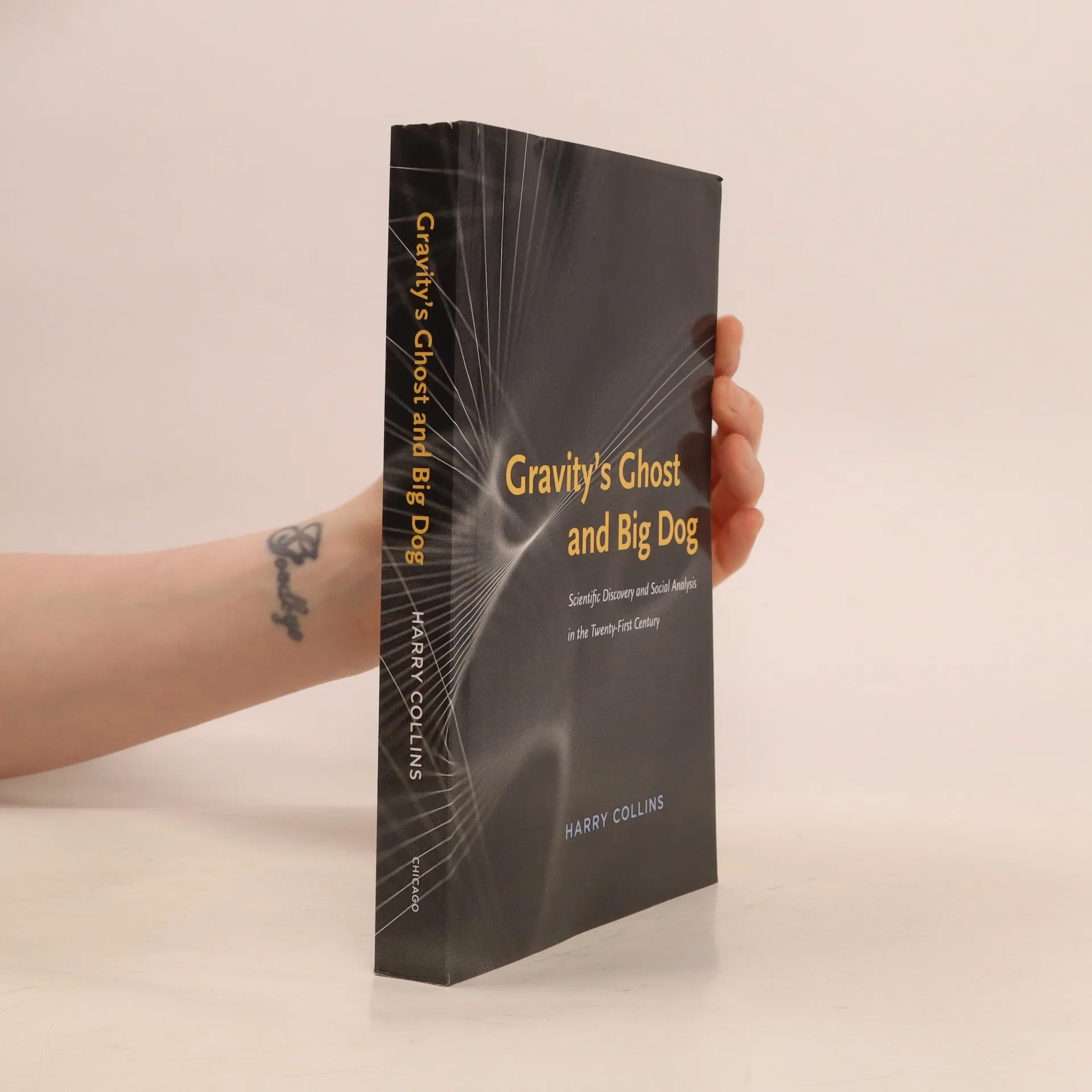
    Gravity's Ghost and Big Dog
    The Golem at Large
    Artificial Experts
    Der Golem der Forschung
    Der Golem der Technologie
    • 2024

      Harry Collins – emeritní profesor University v Cardiffu, britský klasik „nové sociologie vědy“ – v této popularizačně laděné knize rozlišuje různé typy „expertství“, které lze v současných demokratických společnostech nalézt. Tímto rozlišením odpovídá na otázku, zda se dnes všichni můžeme legitimně považovat za (vědecké) experty: nemůžeme, alespoň tedy nikoli všichni za experty stejného druhu. Collinsovu knihu lze považovat za obranu vědy, resp. její partikulární epistemické kompetence, v době, kdy je autorita vědy mnoha sociálními mechanismy, ale také vlastními vědeckými neúspěchy či selháními, oslabena. To může na první pohled vypadat skoro paradoxně, protože právě sociologie vědy, či přesněji sociologie vědeckého poznání, bývá vnímána jako akademická disciplína, která k oslabení autority vědy značnou měrou přispěla. Ostatně i proto může být Collinsova analýza „expertství“ přirozeně vedena mj. přes výklad principů sociologie vědeckého poznání a některých jejích výsledků, a to ve výzkumných oblastech, jakými jsou např. pandemie AIDS, skepse vůči očkování, detekce gravitačních vln, studium klimatické změny ad. Pro Collinse jde tedy o příležitost obhájit sociologii vědeckého poznání jako disciplínu, která není protivědecká, třebaže ve svých studiích je – a od svého založení v 70. letech minulého století byla – vůči idealizovanému obrazu vědy kritická. Collinsova kniha je velmi přístupná, u čtenáře nepředpokládá žádné zvláštní znalosti z akademických oborů, ze kterých čerpá nebo kterých se jinak dotýká. Pro čtenáře je kniha přívětivá také svým rozsahem a nekomplikovanou strukturou (veskrze lineární výklad dělený do čtyř hlavních částí). V českém prostředí si knížka může najít dvě publika: čtenáře, kteří se zajímají o velká společenská témata současnosti – od pandemie AIDS po klimatickou změnu, vše s vazbou na podobu a úlohu expertního vědění –, a čtenáře-studenty sociálních věd, kteří v ní najdou úvod do sociologie vědeckého poznání. Nejnovější tituly v edici
      Jsme dnes všichni vědečtí experti?
    • 2023

      Exploring the intersection of working life and the animal kingdom, this collection features a diverse range of poetry and flash fiction. It includes whimsical fables about magical rabbits and imaginative tales of alien invasions, capturing the essence of everyday experiences with a creative twist. Perfect for those who appreciate the blend of the mundane and the fantastical.

      Works Like Magic
    • 2017

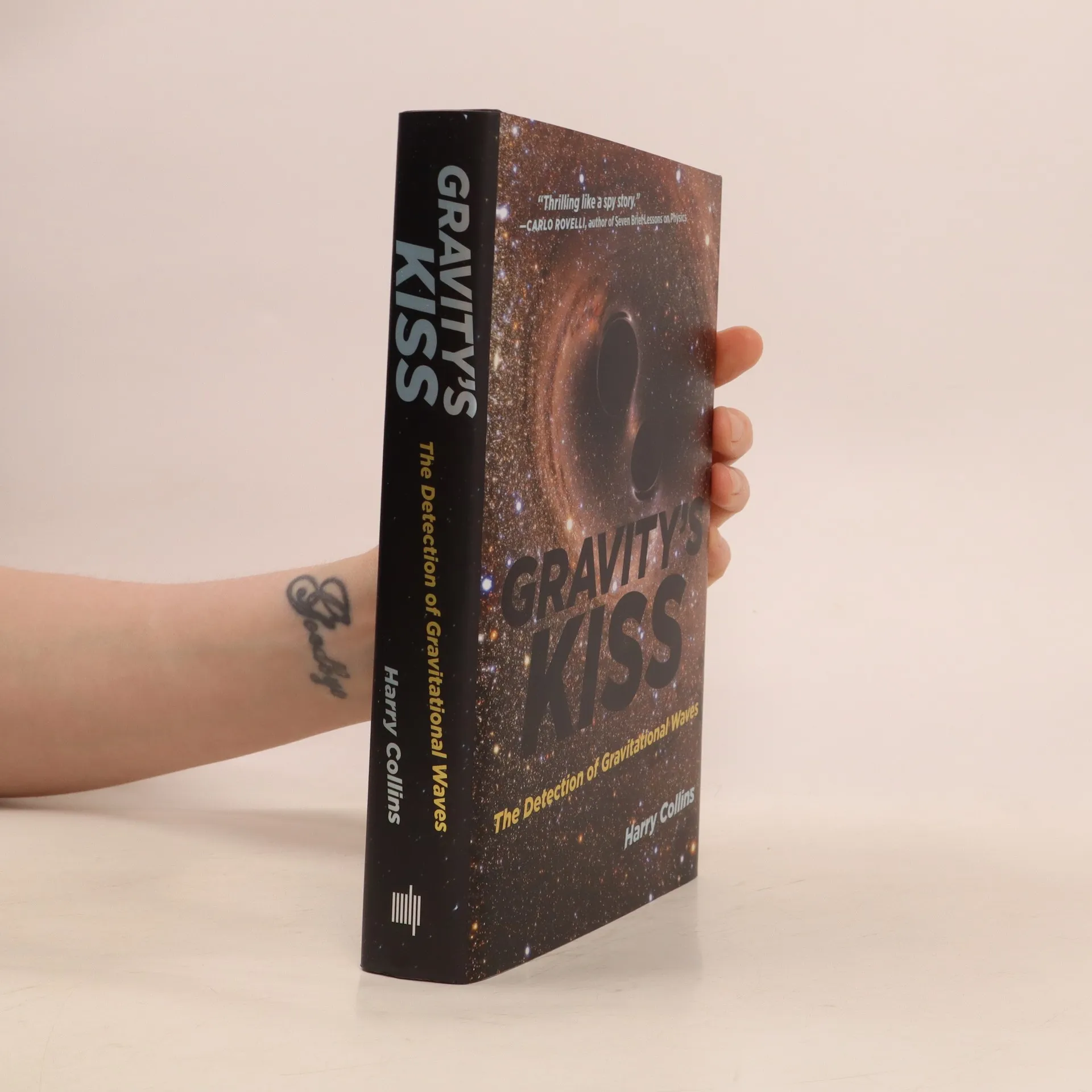
      Gravity's Kiss

      • 408 Seiten
      • 15 Lesestunden
      3,4(47)Abgeben

      A fascinating account, written in real time, of the unfolding of a scientific discovery: the first detection of gravitational waves.

      Gravity's Kiss
    • 2014

      The authors demonstrate that the imperfections in technology are related to the uncertainties in science described in the first volume.

      The Golem at Large
    • 2014

      Gravity’s Ghost and Big Dog brings to life science’s efforts to detect cosmic gravitational waves. These ripples in space-time are predicted by general relativity, and their discovery will not only demonstrate the truth of Einstein’s theories but also transform astronomy. Although no gravitational wave has ever been directly detected, the previous five years have been an especially exciting period in the field. Here sociologist Harry Collins offers readers an unprecedented view of gravitational wave research and explains what it means for an analyst to do work of this kind. Collins was embedded with the gravitational wave physicists as they confronted two possible discoveries—“Big Dog,” fully analyzed in this volume for the first time, and the “Equinox Event,” which was first chronicled by Collins in Gravity’s Ghost. Collins records the agonizing arguments that arose as the scientists worked out what they had seen and how to present it to the world, along the way demonstrating how even the most statistical of sciences rest on social and philosophical choices. Gravity’s Ghost and Big Dog draws on nearly fifty years of fieldwork observing scientists at the American Laser Interferometer Gravitational Wave Observatory and elsewhere around the world to offer an inspired commentary on the place of science in society today.

      Gravity's Ghost and Big Dog
    • 2012

      Second edition of a very well received title which demystifies science and is highly readable on complex subjects.

      The Golem
    • 2011

      Gravity's Ghost

      • 187 Seiten
      • 7 Lesestunden
      3,8(10)Abgeben

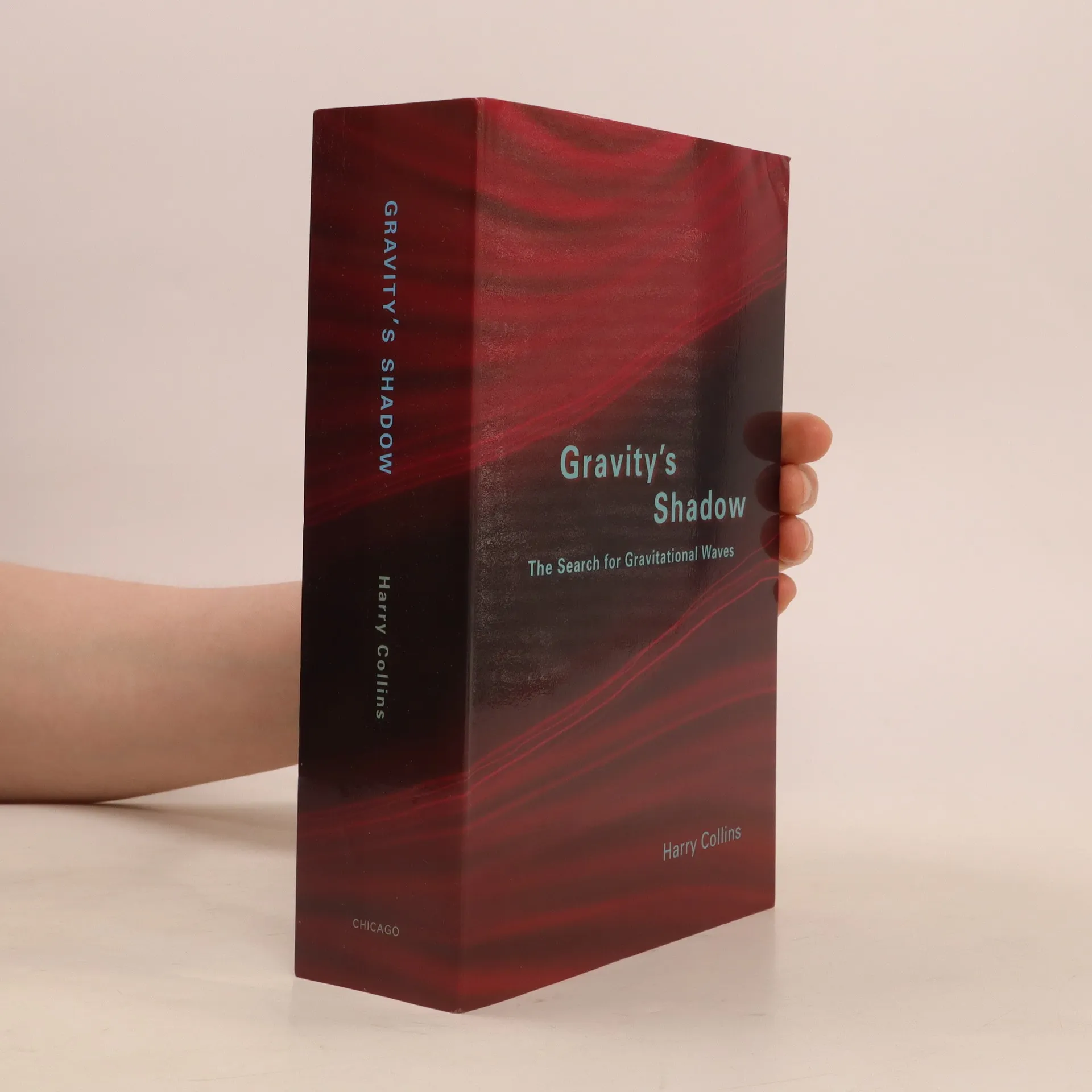
      As the leading chronicler of the search for gravitational waves, Harry Collins has been right there with the scientists since the start.

      Gravity's Ghost
    • 2010

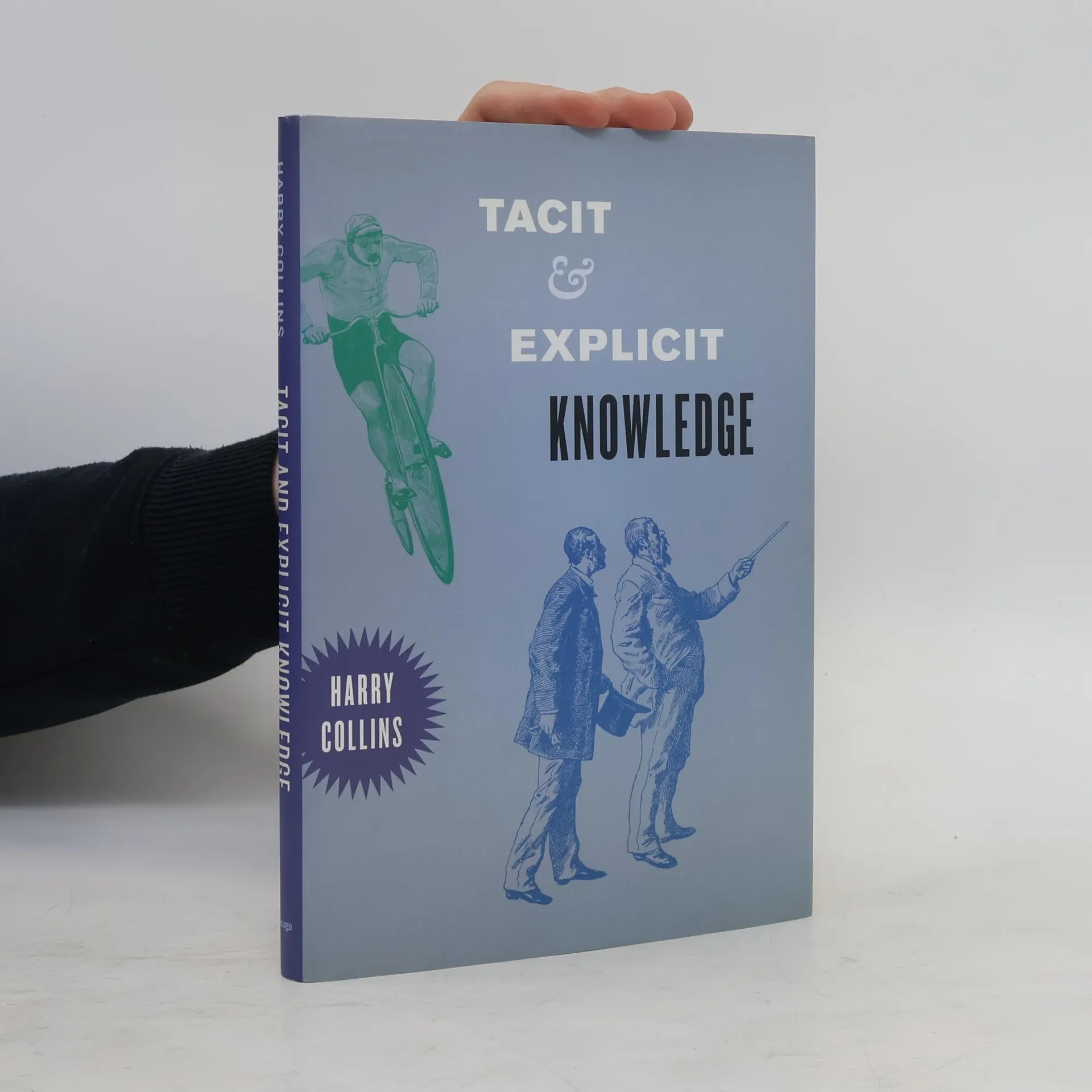
      Tacit and Explicit Knowledge

      • 200 Seiten
      • 7 Lesestunden
      3,7(10)Abgeben

      Much of what humans know we cannot say. And much of what we do we cannot describe. For example, how do we know how to ride a bike when we can’t explain how we do it? Abilities like this were called “tacit knowledge” by physical chemist and philosopher Michael Polanyi, but here Harry Collins analyzes the term, and the behavior, in much greater detail, often departing from Polanyi’s treatment. In Tacit and Explicit Knowledge, Collins develops a common conceptual language to bridge the concept’s disparate domains by explaining explicit knowledge and classifying tacit knowledge. Collins then teases apart the three very different meanings, which, until now, all fell under the umbrella of Polanyi’s term: relational tacit knowledge (things we could describe in principle if someone put effort into describing them), somatic tacit knowledge (things our bodies can do but we cannot describe how, like balancing on a bike), and collective tacit knowledge (knowledge we draw that is the property of society, such as the rules for language). Thus, bicycle riding consists of some somatic tacit knowledge and some collective tacit knowledge, such as the knowledge that allows us to navigate in traffic.

      Tacit and Explicit Knowledge
    • 2009

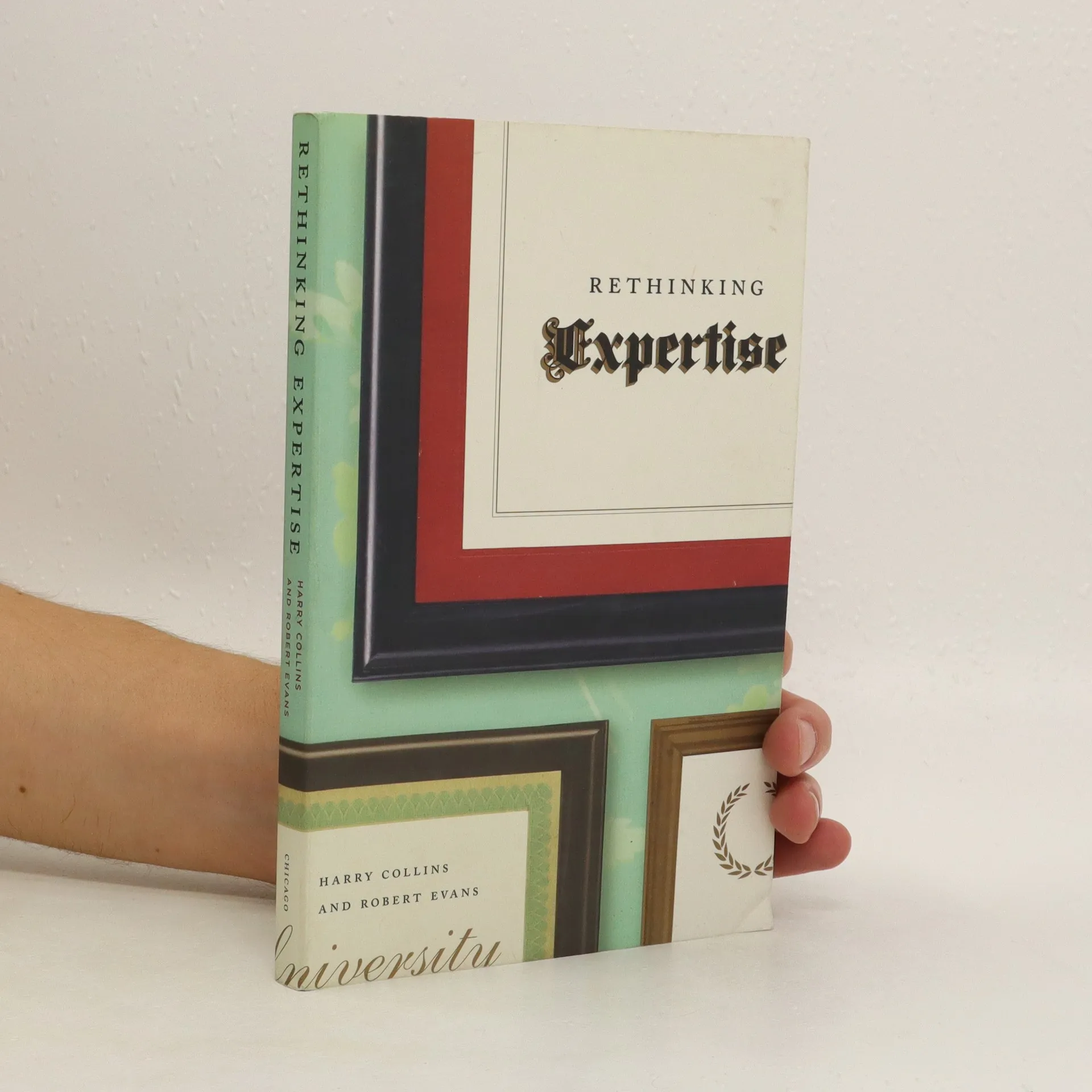
      What does it mean to be an expert? In Rethinking Expertise, Harry Collins and Robert Evans offer a radical new perspective on the role of expertise in the practice of science and the public evaluation of technology. Collins and Evans present a Periodic Table of Expertises based on the idea of tacit knowledge—knowledge that we have but cannot explain. They then look at how some expertises are used to judge others, how laypeople judge between experts, and how credentials are used to evaluate them. Throughout, Collins and Evans ask an important question: how can the public make use of science and technology before there is consensus in the scientific community? This book has wide implications for public policy and for those who seek to understand science and benefit from it. “Starts to lay the groundwork for solving a critical problem—how to restore the force of technical scientific information in public controversies, without importing disguised political agendas.”—Nature “A rich and detailed ‘periodic table’ of expertise . . . full of case studies, anecdotes and intriguing experiments.”—Times Higher Education Supplement (UK)

      Rethinking expertise
    • 2004