

Gratis Versand in ganz Österreich
Bookbot

Walter C. Kaiser

    Walter C. Kaiser Jr. ist emeritierter Präsident des Gordon-Conwell Theological Seminary. Er ist als Prediger, Redner, Forscher und Schriftsteller tätig und Autor von über vierzig Büchern, die sich mit der alttestamentlichen Theologie und ihren praktischen Anwendungen für Predigt und Lehre befassen. Seine Arbeit zeichnet sich durch ihre Forschungstiefe und ihr Bestreben aus, alttestamentliche Texte mit einem modernen Verständnis der Majestät und Souveränität Gottes zu verbinden.

    Walter C. Kaiser
    Solomon: The King with a Listening Heart
    David: A Man After God's Own Heart
    Moses: The Man Who Saw the Invisible God
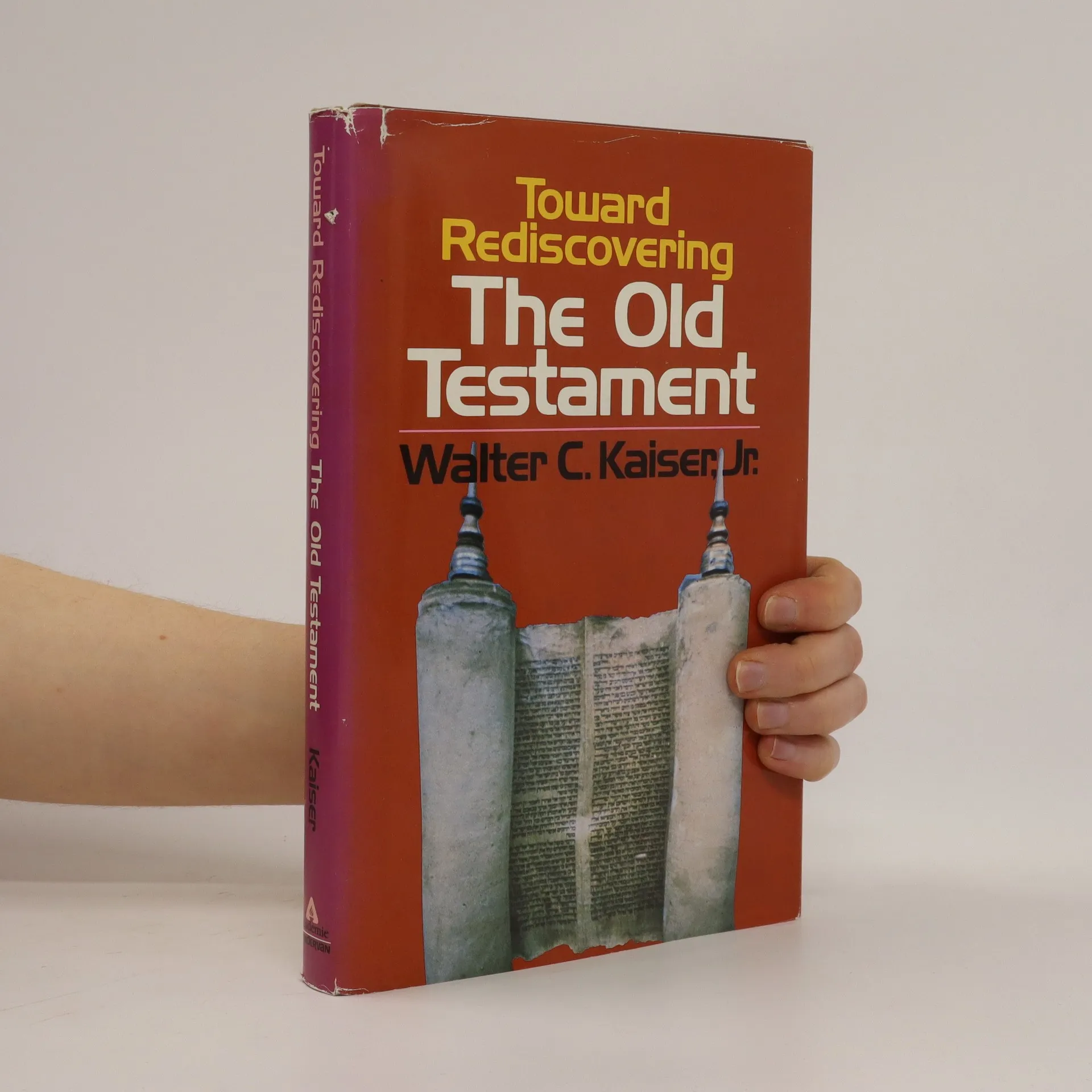
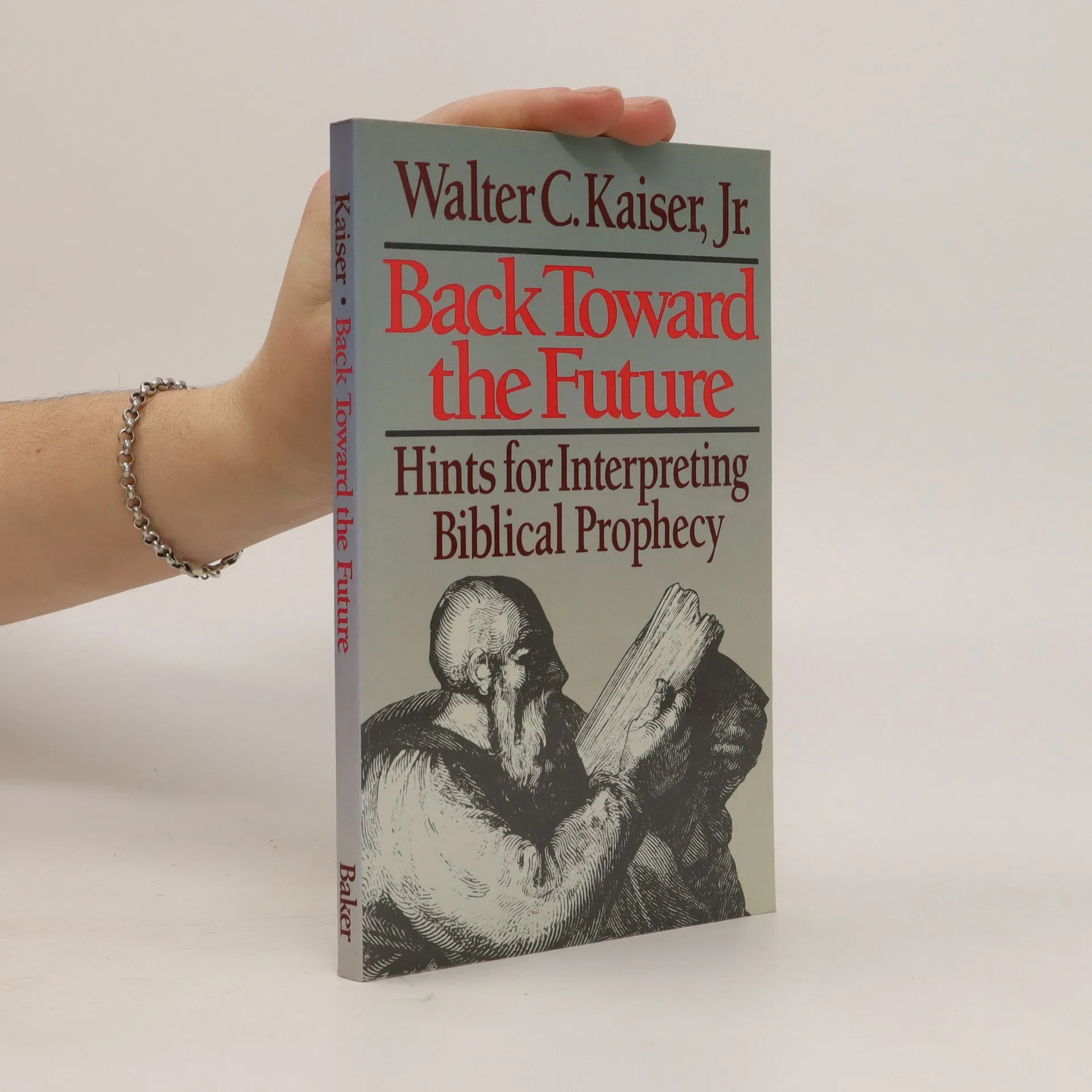
    Back toward the future. Hints for interpreting biblical prophecy
    Toward Old Testament ethics
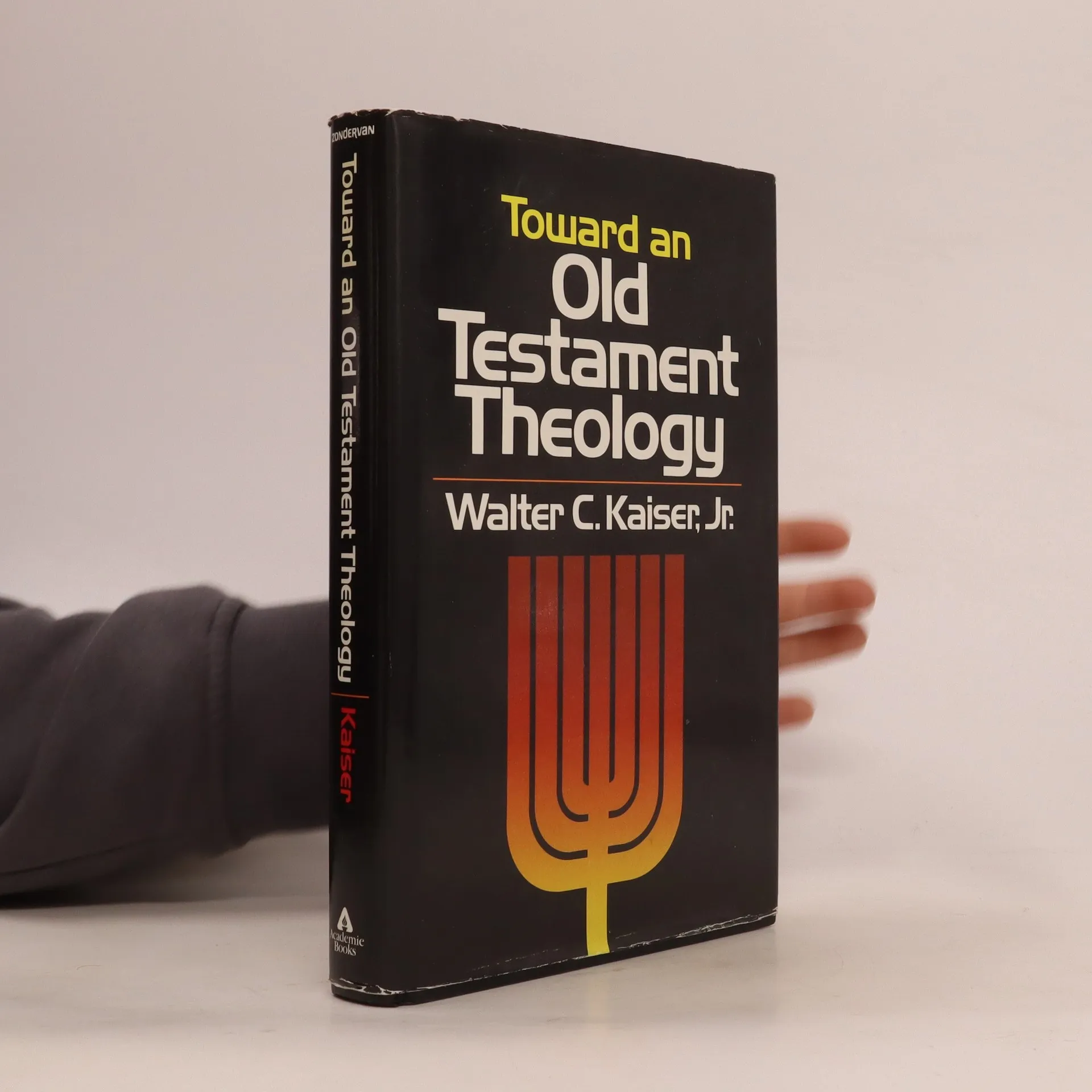
    Toward an Old Testament theology
    • Toward an Old Testament theology

      • 303 Seiten
      • 11 Lesestunden
      3,5(4)Abgeben

      Recognizing a major crisis in biblical theology—its struggle to reaffirm the authority of the Bible—Walter Kaiser proposes a solution to the ongoing issues of definition and methodology in Old Testament theology. He asserts that a proper understanding reveals an inner center of plan, to which each biblical writer contributed intentionally. This unity, often avoided by theologians fearing to impose their own interpretations, is instead confirmed inductively by Scripture itself, centered on the promise of God. In the first part, Kaiser addresses the challenges in defining the nature, method, scope, and motivation behind Old Testament theology. The second part applies his solutions through a chronological exploration of Old Testament eras, from the Prepatriarchical (Prolegomena to the Promise) to the Postexilic (Triumph of the Promise). A special section highlights the connections between Old and New Testament theology. Kaiser emphasizes that his approach is unique, as it aligns with the Bible's own organizational system to address the most perplexing issues, while adhering to the historical sequence of divine revelation. The work also includes an annotated bibliography and indexes for topics, Scriptures, and names.

      Toward an Old Testament theology
    • Toward Old Testament ethics

      • 368 Seiten
      • 13 Lesestunden
      4,0(27)Abgeben

      Providing exegetical principles for the study of Old Testament ethics, this volume examines 'moral' texts of the Old Testament, and explores the content of Old Testament ethics and its meaning to believers today. It can be used quite effectively as a textbook for Ethics in the Old Testament.

      Toward Old Testament ethics
    • Biblical prophecy comprises one of the most rewarding topics of Bible study. Difficulty of subject matter and unfamiliarity with the literary forms, however, deter many students. 'Back Toward the Future' removes these obstacles and invites exploration of this exciting subject. The author, a respected expert in the field, presents an introductory guide to the issues and methods of interpreting prophetic literature. The principles he formulates, coupled with his mature insights, will help students avoid many exegetical pitfalls. Part I helps the reader to discern conditional and unconditional prophecies, comprehend apocalyptic symbols, and understand future events in expressions of the past. Part 2 provides specific steps for interpreting prophetic passages. And Part 3 discourages Bible students from finding double meanings in prophetic statements and encourages them to embrace the author's single-truth intention. A Scripture index concludes 'Back Toward the Future'

      Back toward the future. Hints for interpreting biblical prophecy
    • The name and man Moses towers over all of Pentateuchal history for he is mentioned almost 300 times in the book of Exodus alone and almost 750 times in the entire TaNaKh (OT). But this fails to account for the fact that he is further mentioned over 700 times in the rest of the Old Testament, as a whole and some 80 times in the New Testament. In fact, Moses is accorded a unique status among mortals in Deuteronomy 34:11, which noted that, "No one has ever shown the mighty power or performed the awesome deeds that Moses did in the sight of all Israel." Moses was a man of many tasks: he was a prophet, a priest, a leader of Israel, a poet, a miracle worker, a hero of the exodus, a receiver of God's word, and the founder of God's law as well as being a savvy political administrator. He is the author of the first five books of the Old Testament, and he is variously described as "a man of God," and "a servant of the Lord" (Neh. 10:29). No wonder he is so highly regarded in Scripture.

      Moses: The Man Who Saw the Invisible God
    • David: A Man After God's Own Heart

      • 224 Seiten
      • 8 Lesestunden

      A young shepherd named David, from the family of Jesse, is called "the man after God's own heart" by God himself. Samuel the prophet is instructed by God to stop grieving over the divine rejection of Israel's first king, Saul, whom Samuel helped appoint as king at the demand of the people, Instead, Samuel was to go to Bethlehem to anoint Saul's successor. But once this successor to the kingship of Israel was found, he was not left with nothing to do; instead, David, though he came from humble and somewhat uncultured circumstances of the shepherd's fields outside Bethlehem, he nevertheless found his way immediately into the court of King Saul by the providential working of God. The establishment of the monarchy under David begins with the narrative of his slow rise to power that is closely connected with the decline of Saul's tenure as king. Hence, the stories of Saul and David crisscross each other at a number of points in the rest of the chapters of 1 Samuel and therefore make for some of the most exasperating, yet fascinating, portions of the book of Samuel.

      David: A Man After God's Own Heart
    • The first two chapters of 1 Kings are truly transitional, for they mark the move from the rule of King David to the next in line in his family, King Solomon. King David appears to have little zest for life in his senior years, with a result that matters of state were beginning to slip and events were about to preempt any wish or instruction David might give about who was to be the future king. It was time someone took action and that person seems to have been Nathan the prophet. David's son Adonijah puts himself forward as the new leader asserting, "I will be king," but the prophet Nathan and David's Queen Bathsheba halt Adonijah's quest for the throne by pleading with King David to act immediately and decisively on naming a successor; David, therefore, declares Solomon to be king; Adonijah's coronation festivities are suddenly halted with the news of Solomon's installation as king in Israel and King David's charge to Solomon and David's death. And now we examine and discover the character and life of Solomon.

      Solomon: The King with a Listening Heart