

Gratis Versand in ganz Österreich
Bookbot

Witold Rybczynski

    Witold Rybczynski ist ein Autor, der die komplexe Beziehung zwischen Architektur, Urbanismus und menschlicher Erfahrung erforscht. Seine Schriften zeichnen sich durch scharfe Beobachtung und tiefes Verständnis dafür aus, wie Raum und Umwelt unser Leben prägen. Durch seine Texte bietet er den Lesern eine einzigartige Perspektive auf die Welt um uns herum. Seine Werke laden zur Reflexion über die Städte, in denen wir leben, die Häuser, die wir bauen, und die Art und Weise, wie wir darin leben, ein.

    Home: A Short History of an Idea
    Charleston Fancy: Little Houses and Big Dreams in the Holy City
    Wohnen
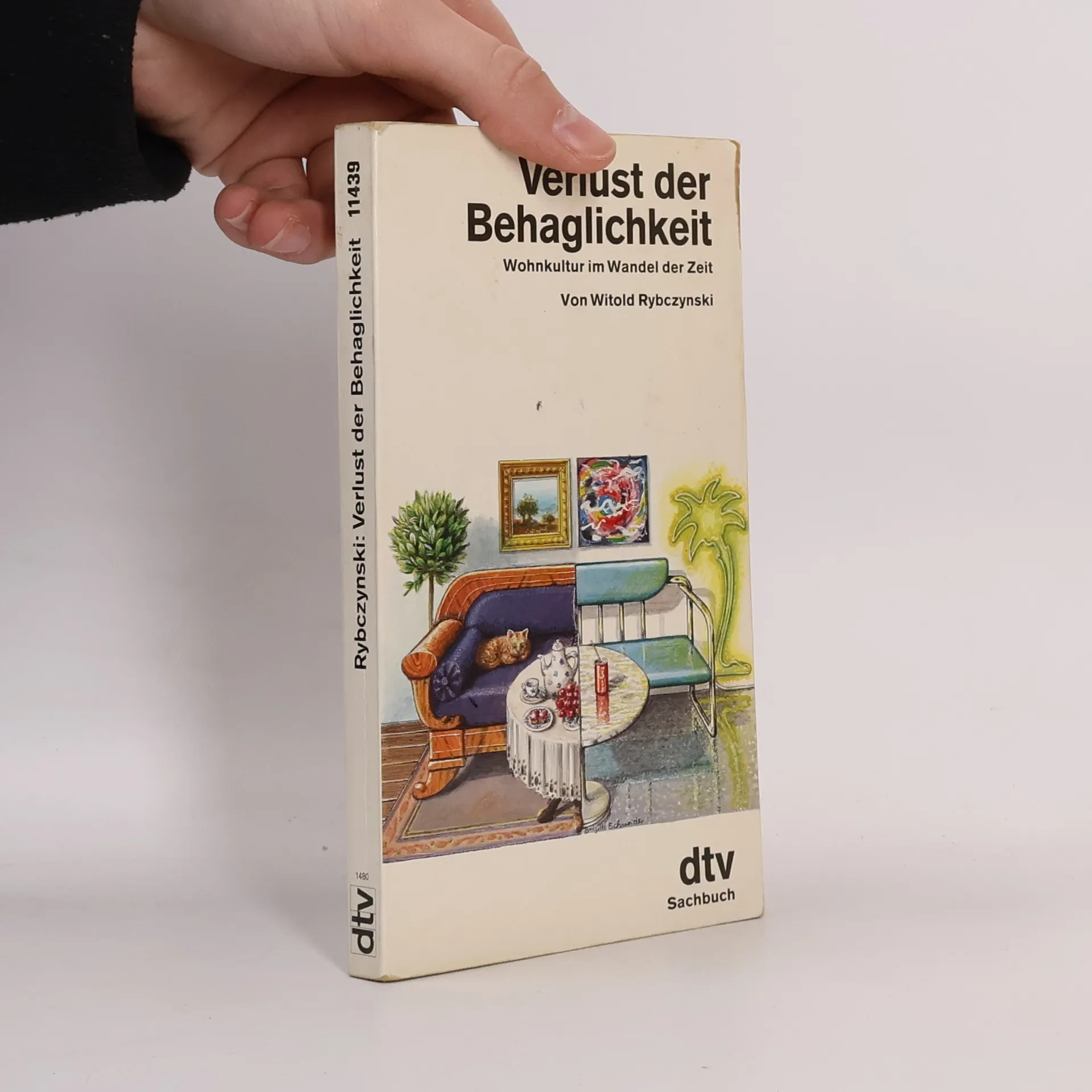
    Verlust der Behaglichkeit
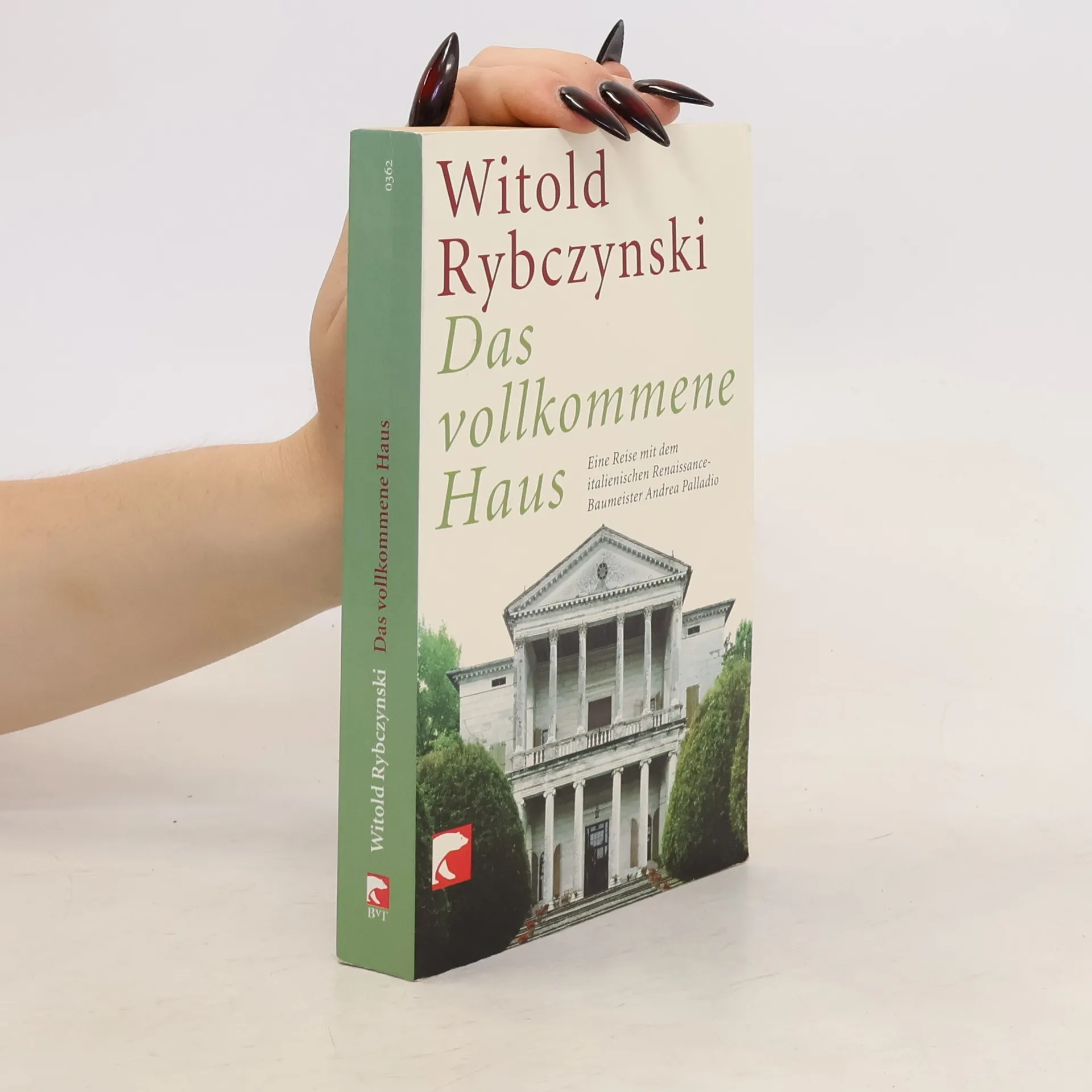
    Das vollkommene Haus
    Am Freitag fängt das Leben an
    • 2022

      An inviting exploration of architecture across cultures and centuries by one of the field's eminent authors

      The Story of Architecture
    • 2020

      Set against the backdrop of Charleston's historic charm, the narrative follows a diverse group of architects and builders from the 1980s who creatively reshape the city’s landscape. Among them are a self-taught builder, an Air Force pilot, and a bluegrass musician, each contributing unique structures that blend historical inspiration with modern design. Through their stories, Rybczynski highlights the significance of individual creativity in urban development and how a city's identity can evolve through innovative architecture.

      Charleston Fancy: Little Houses and Big Dreams in the Holy City
    • 2004

      Wie kaum ein anderer Architekt prägt der italienische Renaissance- Baumeister Andrea Palladio (1508-1580) bis heute unsere Vorstellung von einem schönen, „vollkommenen“ Haus. Was aber macht Palladios Häuser so einzigartig und „perfekt“? Rybczynski spürt den Geheimnissen von Palladios Baukunst nach. Kurzweilig, kenntnisreich und von ansteckender Neugier geleitet, führt er den Leser durch zehn Palladio- Villen.

      Das vollkommene Haus
    • 2003

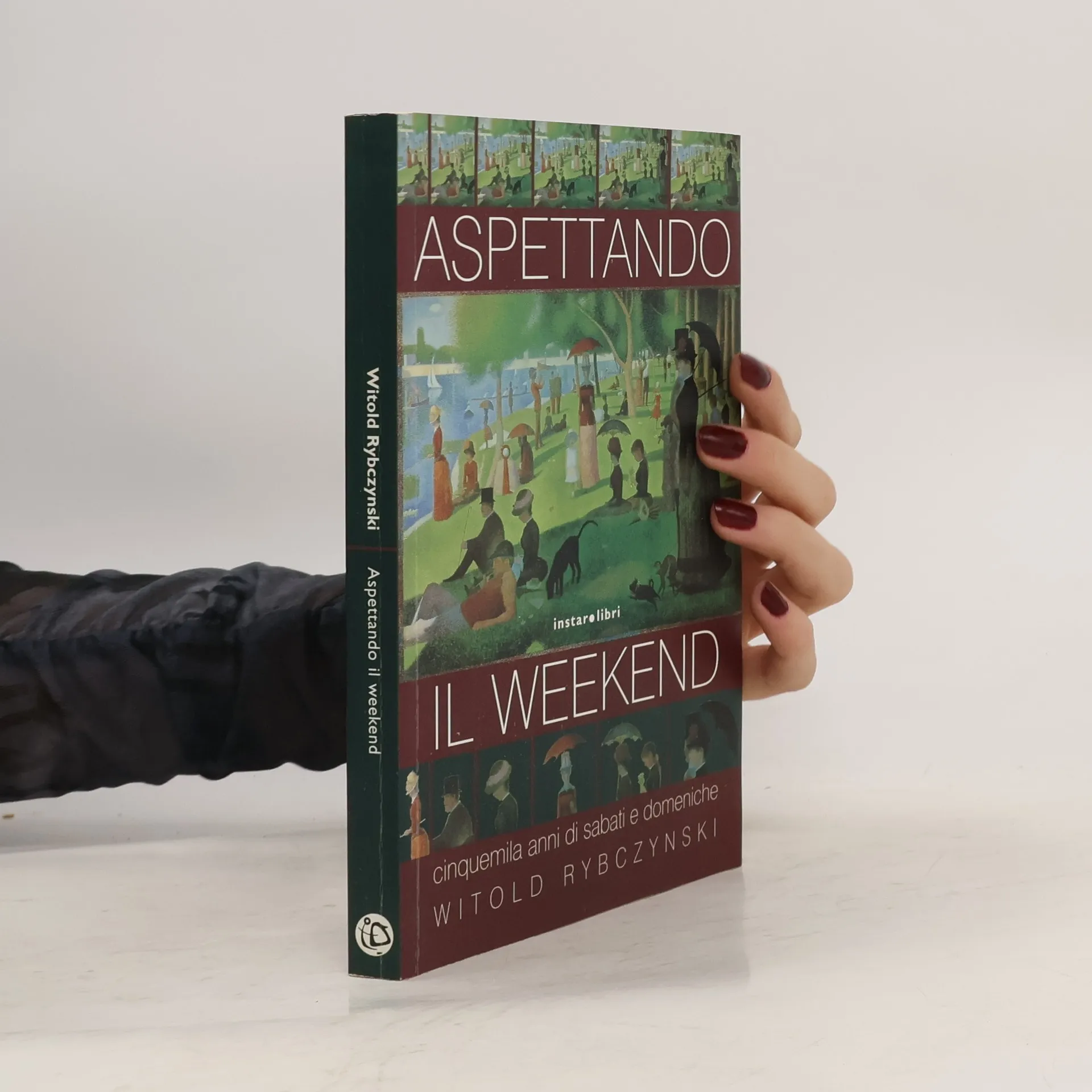
      «Abbiamo inventato il weekend, ma i nuvoloni neri dei vecchi tabù incombono ancora sulla vacanza...» Quali sono le ragioni che ci hanno condotto a strutturare la nostra vita quotidiana in cinque giorni feriali e due festivi? In che modo il finesettimana è diventato la principale istituzione temporale dell'età moderna? E ancora: come e perché questa scansione del tempo universalmente condivisa ha influenzato la natura dei nostri svaghi? Witold Rybczynski, architetto, urbanista e celebre critico d'arte, abbandona temporaneamente il suo tradizionale terreno d'indagine per interrogarsi sull'improvvisa e in apparenza inattaccabile popolarità del sabato e della domenica nella storia dell'uomo, sulla trasversalità, nel tempo e nello spazio, di una pratica plasmata dalla credenza popolare e dall'uso quotidiano (al cui fascino nessuna civiltà è mai riuscita a sottrarsi), sulla matrice astronomica, religiosa, sociale, e forse persino biologica, di uno schema settenario necessario e misteriosamente radicato. Le curiose. puntuali, documentate e occasionalmente aulobiografiche osservazioni che dedica alla formazione del ciclo settimanale chiamano in causa il tradizionale rapporto tra lavoro e tempo libero, e la sua lenta e graduale evoluzione. Con l'aumento generalizzato del benessere, il moltipllcarsi delle possibilità ricreative e l'affermazione sempre più incontestata dell'etica del lavoro, la libertà di non fare nulla nei giorni di pausa lavorativa è diventata a poco a poco libertà di fare qualsiasi cosa, e infine obbligo ossessivo di fare qualcosa. Un filo sottile e antico, più intellettuale che reale, collega l'ozio contemplativo e disteso dei patrizi nell'antica Roma alle..attuali nevrosi domenicali del cittadino qualunque. Seguire questo filo è un modo originale e accattivante per capire l'animo umano.

      Aspettando il weekend. Cinquemila anni di sabati e domeniche
    • 1993

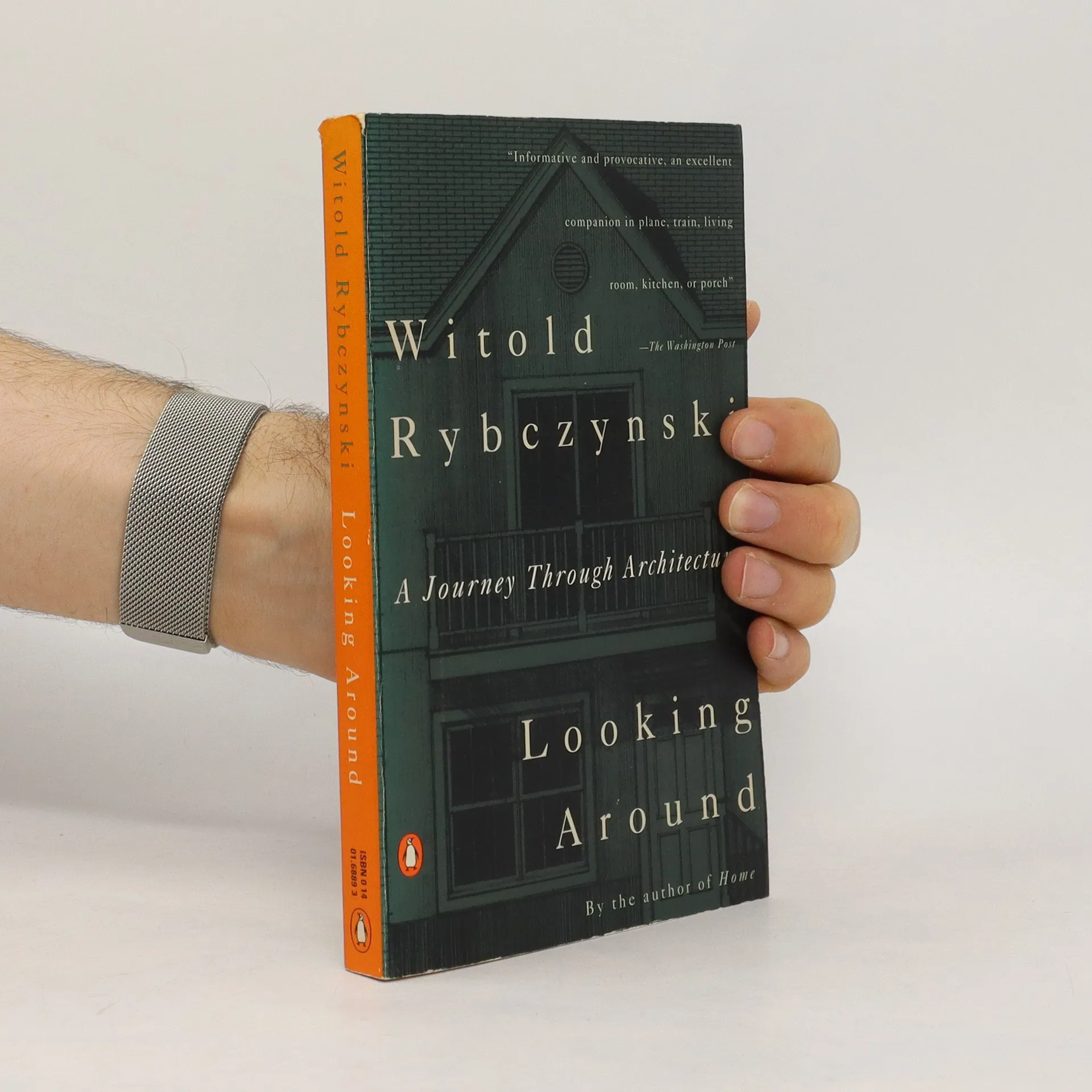
      An inspired, engrossing look at what architecture is and how we live and work in it

      Looking Around
    • 1991

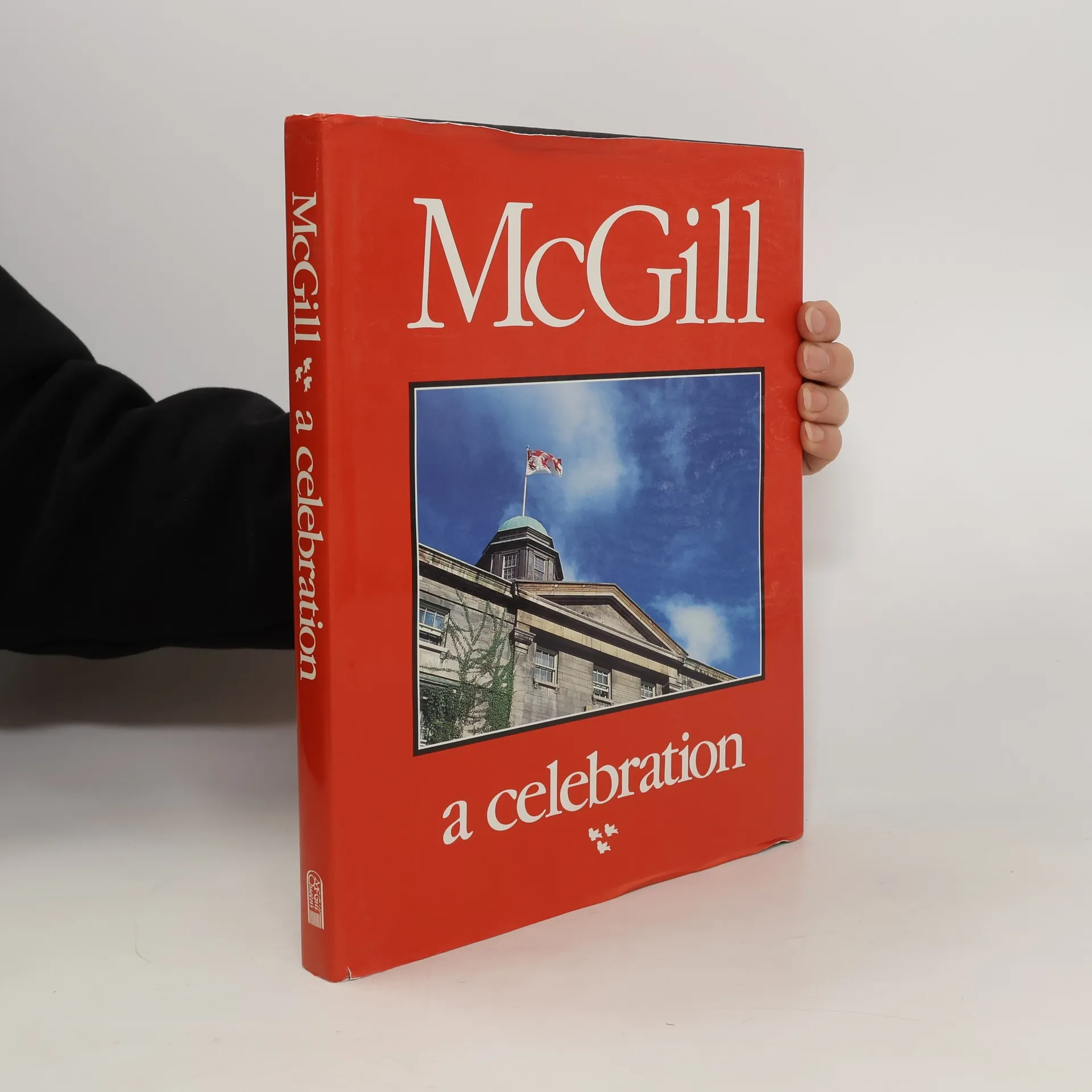
      A book of breath-taking beauty, McGill: A Celebration is an intimate chronicle of the people and events that have shaped the university.

      McGill, a Celebration
    • 1990

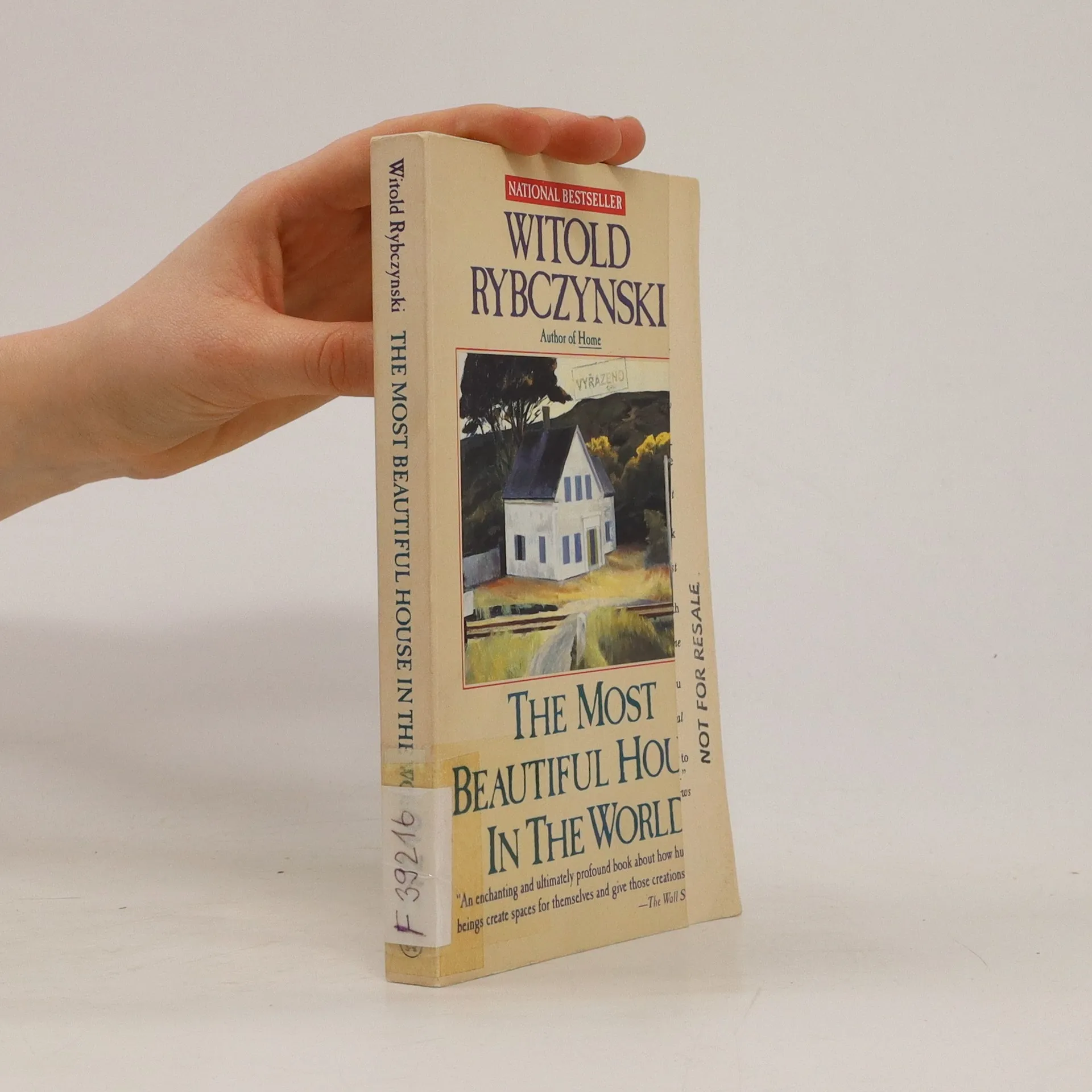
      "A winning book, a pleasure to read…a revelation about what architects actually do and how they go about doing it." –Los Angeles Times Witold Rybezynski takes us on an extraordinary odyssey as he tells the story of designing and building of his own house. Rybezynski’s project began as a workshed; through a series of "happy accidents," however, the structure gradually evolved into a full-fledge house. In tracing this evolution, he touches on matters both theoretical and practical, writing on such diverse topics as the distinguished structural descendants of the humble barn, the ritualistic origins of the elements of classical architecture, and the connections between dress and habitation, and between architecture and gastronomy. Rybezynski discusses feng shui, the Chinese art of placing a home in the landscape, and also considers the theories and work of such architects as Palladio, Le Corbusier, and Frank Lloyd Wright. An eloquent examination of the links between being and building, The Most Beautiful House in the World offers insights into the joys of "installing ourselves in a place, of establishing a spot where it be safe to dream."

      The Most Beautiful House in the World
    • 1987

      Home: A Short History of an Idea

      • 272 Seiten
      • 10 Lesestunden
      4,0(1369)Abgeben

      Walk through five centuries of homes both great and small--from the smoke-filled manor halls of the Middle Ages to today's Ralph Lauren-designed environments--on a house tour like no other, one that delightfully explicates the very idea of home.You'll see how social and cultural changes influenced styles of decoration and furnishing, learn the connection between wall-hung religious tapestries and wall-to-wall carpeting, discover how some of our most welcome luxuries were born of architectural necessity, and much more. Most of all, Home opens a rare window into our private lives--and how we really want to live.

      Home: A Short History of an Idea