

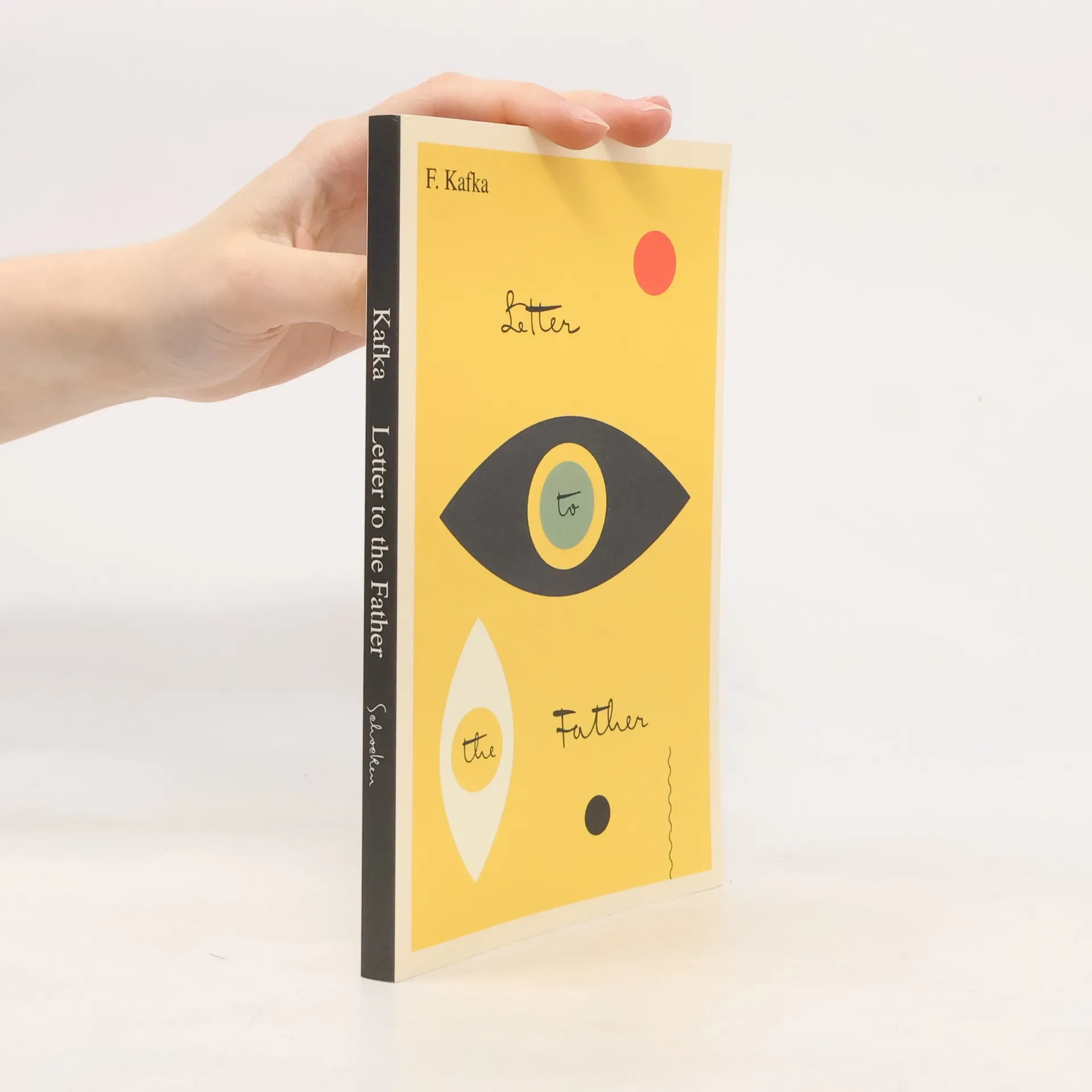
Franz Kafka wrote this letter to his father, Hermann Kafka, in November 1919. Max Brod, Kafka’s literary executor, relates that Kafka actually gave the letter to his mother to hand to his father, hoping it might renew a relationship that had lost itself in tension and frustration on both sides. But Kafka’s probing of the deep flaw in their relationship spared neither his father nor himself. He could not help seeing the failure of communication between father and son as another moment in the larger existential predicament depicted in so much of his work. Probably realizing the futility of her son’s gesture, Julie Kafka did not deliver the letter but instead returned it to its author.
Eithne Wilkins Bücher
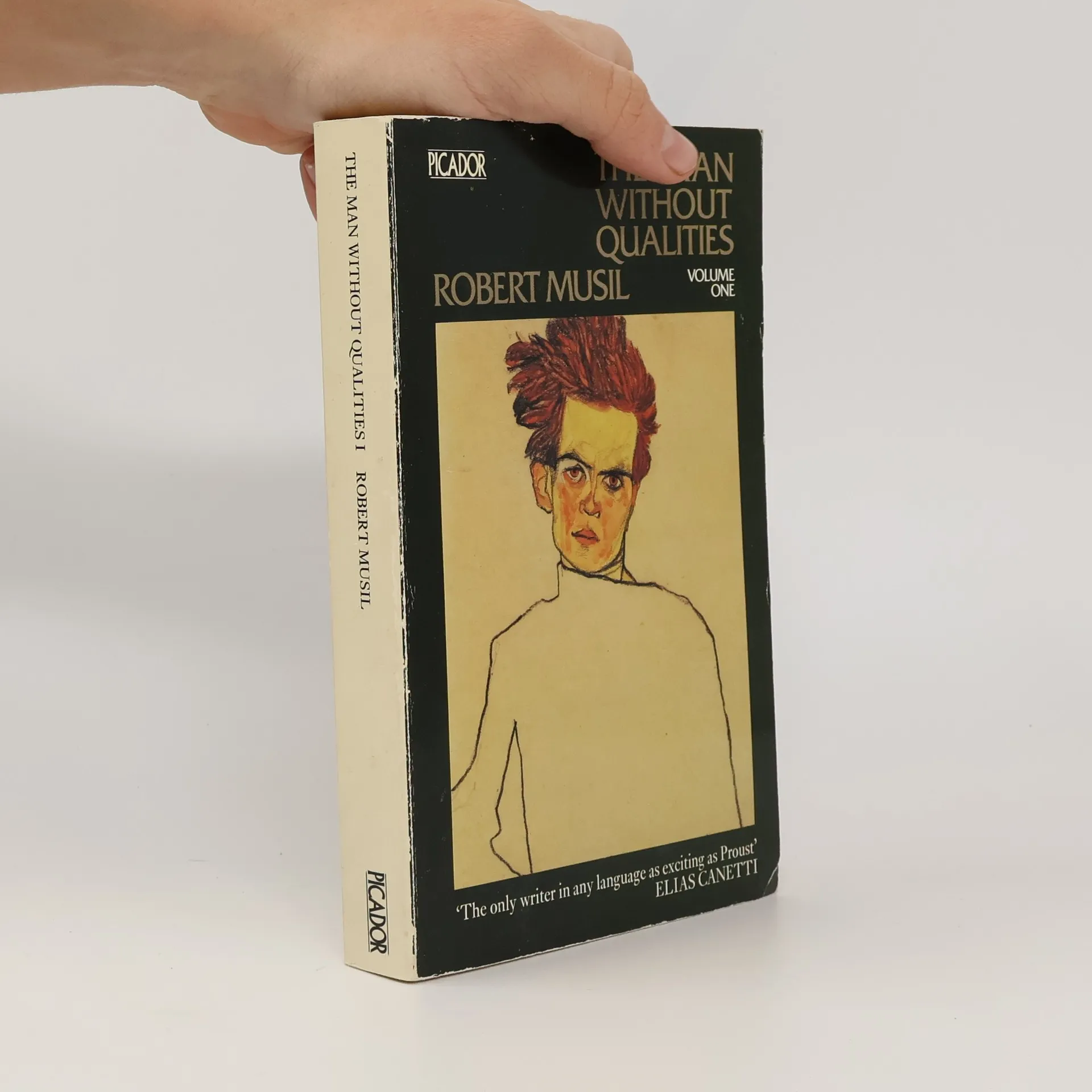
Contains: A Sort of Introduction The Like of it Now Happens (I)"It would be useless to attempt a synopsis of Der Mann ohne Eigenschaften, not only because of its length and complexity, but also because the real action lies not on the surface, in what the characters do (though that is often dramatic enough), but within, in their states of mind, the fluctuations of their emotions, their theories, and the counterpoint between the thoughts and the behaviour of them all, in themselves and in relation to each other, especially to the Man without Qualities himself, who is the nucleus, and in relation to the demands of the indefinable pattern of this world we live in."(From the Foreword by the translators)
Adolf Frisé, geboren 1910, gestorben 2003, ist Autor von Theaterstücken und Romanen. Nach 1945 Zeitungsredakteur (Politik und Feuilleton) in Hamburg, zuletzt Kulturredakteur beim Hessischen Rundfunk in Frankfurt als Leiter der Literaturredaktion. Adolf Frisé, geboren 1910, gestorben 2003, ist Autor von Theaterstücken und Romanen. Nach 1945 Zeitungsredakteur (Politik und Feuilleton) in Hamburg, zuletzt Kulturredakteur beim Hessischen Rundfunk in Frankfurt als Leiter der Literaturredaktion. (seit 1917 Edler von M.), geboren am 6.11.1880 in Klagenfurt, stammte aus einer altösterreichischen Beamten- , Gelehrten- , Ingenieurs- und Offiziersfamilie. Er studierte an der technischen Militärakademie in Wien, brach seine Militärsausbildung ab und wurde Maschinenbauingenieur. Nach einer Tätigkeit als Assistent an der TH Stuttgart studierte er 1903-08 in Berlin Philosophie, Psychologie, Mathematik und Physik und promovierte mit einer Arbeit über den Theoretiker des naturwissenschaftlichen Positivismus Ernst Mach zum Dr. phil. Auf eine Universitätslaufbahn verzichtete er, um freier Schriftsteller zu werden. 1911-14 war er Bibliothekar, 1914 Redakteur der «Neuen Rundschau».
Österreich um die Jahrhundertwende. Die Zeit fließt langsam dahin: Man macht Karriere, man findet eine Geliebte, man geht an seiner Blindheit zugrunde... Doderers letzter vollendeter Roman, eine kunstvolle, klare Komposition. Die Atmosphäre Wiens und der Donaumonarchie in dichtester Fülle.