

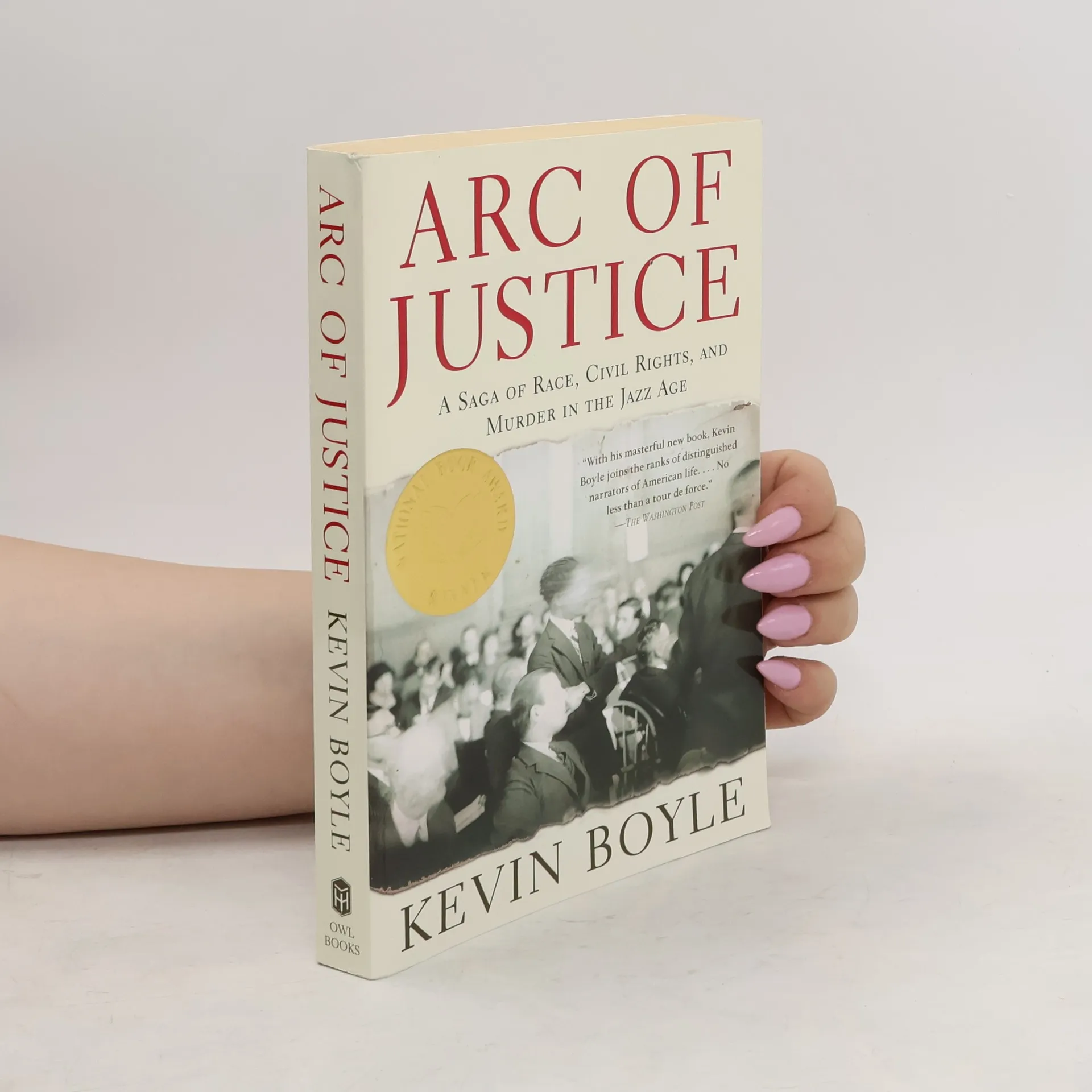
An electrifying story of the sensational murder trial that divided a city and ignited the civil rights struggle In 1925, Detroit was a smoky swirl of jazz and speakeasies, assembly lines and fistfights. The advent of automobiles had brought workers from around the globe to compete for manufacturing jobs, and tensions often flared with the KKK in ascendance and violence rising. Ossian Sweet, a proud Negro doctor-grandson of a slave-had made the long climb from the ghetto to a home of his own in a previously all-white neighborhood. Yet just after his arrival, a mob gathered outside his house; suddenly, shots rang out: Sweet, or one of his defenders, had accidentally killed one of the whites threatening their lives and homes. And so it began-a chain of events that brought America's greatest attorney, Clarence Darrow, into the fray and transformed Sweet into a controversial symbol of equality. Historian Kevin Boyle weaves the police investigation and courtroom drama of Sweet's murder trial into an unforgettable tapestry of narrative history that documents the volatile America of the 1920s and movingly re-creates the Sweet family's journey from slavery through the Great Migration to the middle class. Ossian Sweet's story, so richly and poignantly captured here, is an epic tale of one man trapped by the battles of his era's changing times.
Kevin Boyle Bücher
Kevin Gerard Boyle ist Professor für amerikanische Geschichte. Seine Arbeit befasst sich mit entscheidenden Momenten der amerikanischen Geschichte und bietet tiefe Einblicke in die politischen und gesellschaftlichen Kräfte, die die Nation geprägt haben. Boyle erforscht Themen wie Bürgerrechte, politische Ideologien und soziale Bewegungen und betont deren Einfluss auf die amerikanische Gesellschaft. Seine Analysen sind scharfsinnig und tragen zu einem tieferen Verständnis der komplexen Vergangenheit der Vereinigten Staaten bei.

The Shattering
- 496 Seiten
- 18 Lesestunden
On July 4, 1961, middle-class families in a Chicago neighborhood showcased a confident vision of the American Dream, which was soon shattered by the tumult of the following decade. The civil rights and anti-war movements challenged the inequities at home and the arrogance abroad, while assassinations and social violence tore at the nation’s fabric. Covering the late 1950s to the early 1970s, the narrative highlights fierce conflicts over race, sex, and war. The civil rights movement evolves from grassroots activism in Montgomery and sit-ins to the violence in Birmingham and the Edmund Pettus Bridge, culminating in the frustrations of King’s Chicago campaign and the rise of Black nationalism amid Nixon-era politics. The Vietnam War emerges as a Cold War policy, influenced by powerful popular movements and the harrowing experiences of those involved. Challenges to government regulation of sexuality lead to landmark decisions on privacy, gay rights, contraception, and abortion. The author captures this passionate era with empathy, restoring the humanity of individuals like Elizabeth Eckford and Estelle Griswold, while also revealing the complexities of political figures like Richard Nixon and George Wallace. This history resonates with contemporary issues, illuminating currents that still influence our politics today.