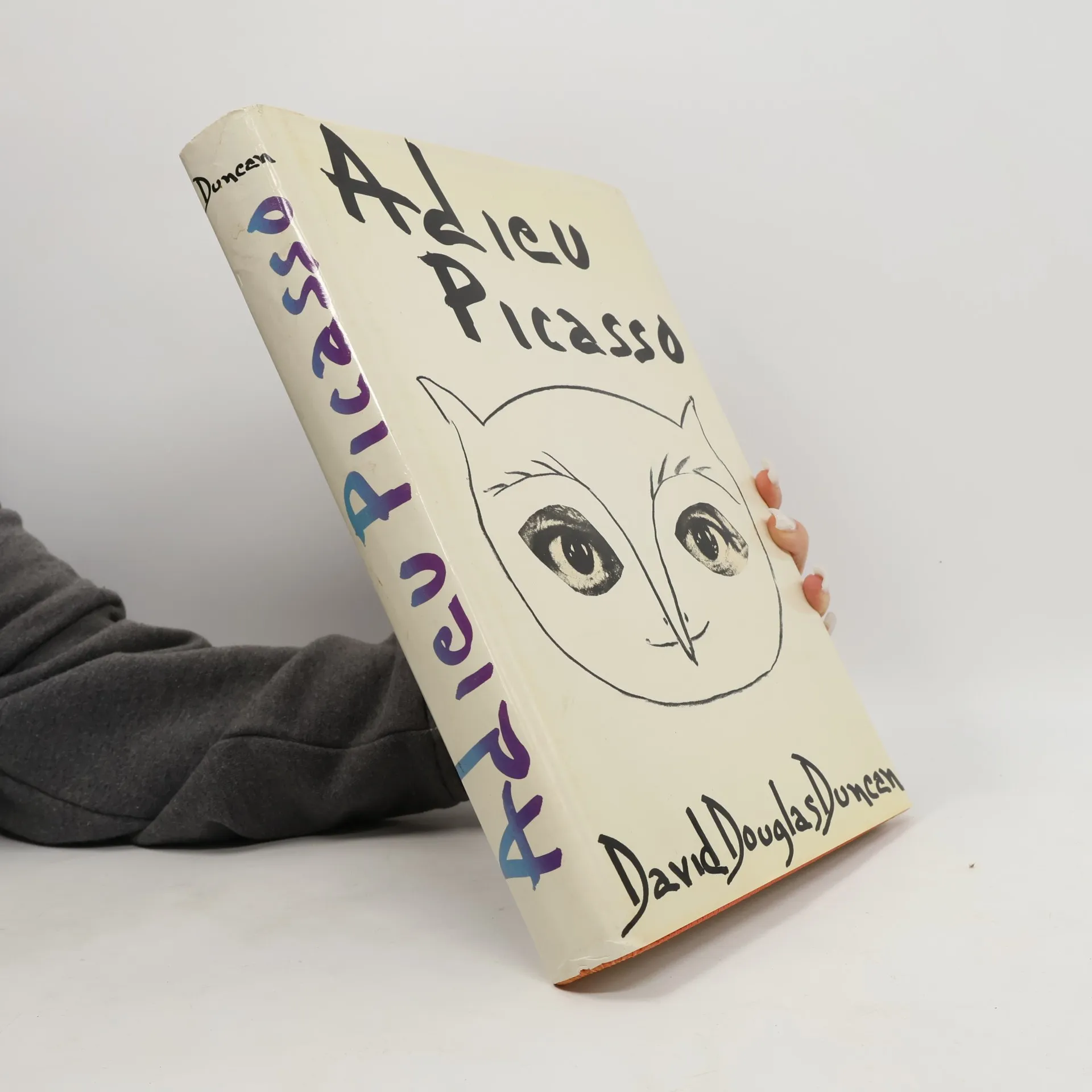
The bond between Pablo Picasso and Lump, a stray dachshund, serves as the focal point of this photographic collection. Captured by David Douglas Duncan, these images highlight the deep connection between the artist and his canine companion, illustrating how Lump inspired Picasso's creativity. This unique portrayal offers a glimpse into a lesser-known chapter of 20th-century art history, showcasing the interplay between art and companionship.
David Douglas Duncan's photography captures the spectrum of human experience, highlighting both serene moments and the chaos of war. Starting in the 1930s, he documented World War II as a Marine, creating powerful images that resonate with emotion. His work with Life magazine showcased significant historical events, including the end of British rule in India and various global conflicts. Duncan's return to war during the Vietnam War resulted in two iconic books that reflect the American soldiers' experience with profound clarity and empathy.
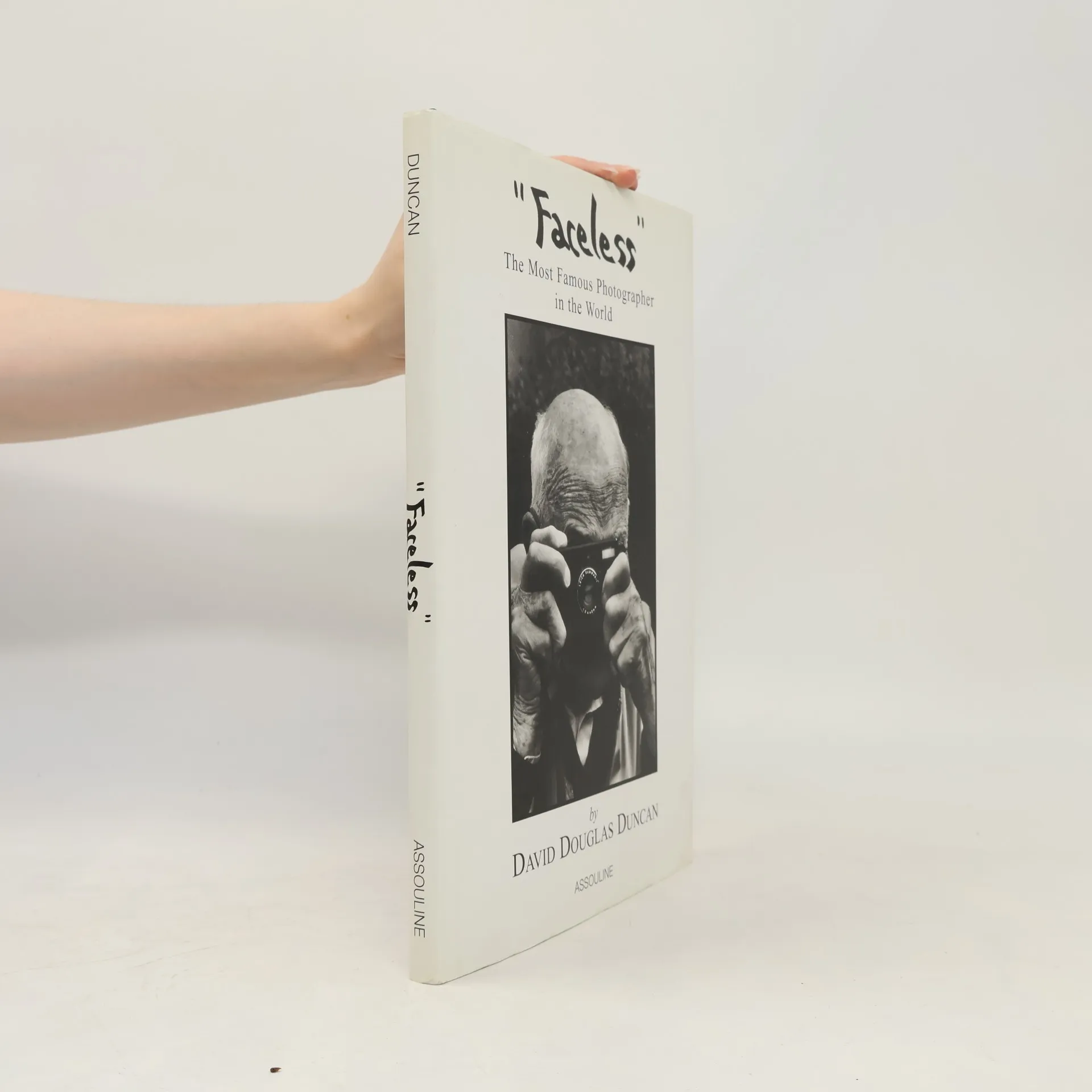
He has been called "the phantom of photography," but he sees himself as a "non-violent anarchist" with a Leica, film and geometric vision...letting others find what they wish in his work. Henri Cartier-Bresson, the most acclaimed candid photographer in the world, is revered as a demi-god by legions of miniature-camera enthusiasts, who have almost never seen a picture of him. Until now, after half-a-century of shooting everybody, everywhere, he has remained the photographer without a face. In May 2000, on assignment chronicling camera old-timers, Cartier-Bresson decided to shoot his subject, friend and colleague David Douglas Duncan, at the Picasso museum in Paris. Upon arriving at the shoot, Duncan decided to seize a rare opportunity. He spontaneously borrowed his wife's zoom-lens camera and asked Cartier-Bresson for a roll of film. And then, without a word between them, Duncan reversed the roles and began to photograph Cartier-Bresson. From this casual exchange, Duncan fully realized the outstanding nature of these images and determined to turn them into a tribute to a master of photography. This book captures the true essence of portraiture and will be sure to become a classic of its a one of a kind portrait of a photographer by one of his peers and a lesson of "spontaneity" in portrait photography.
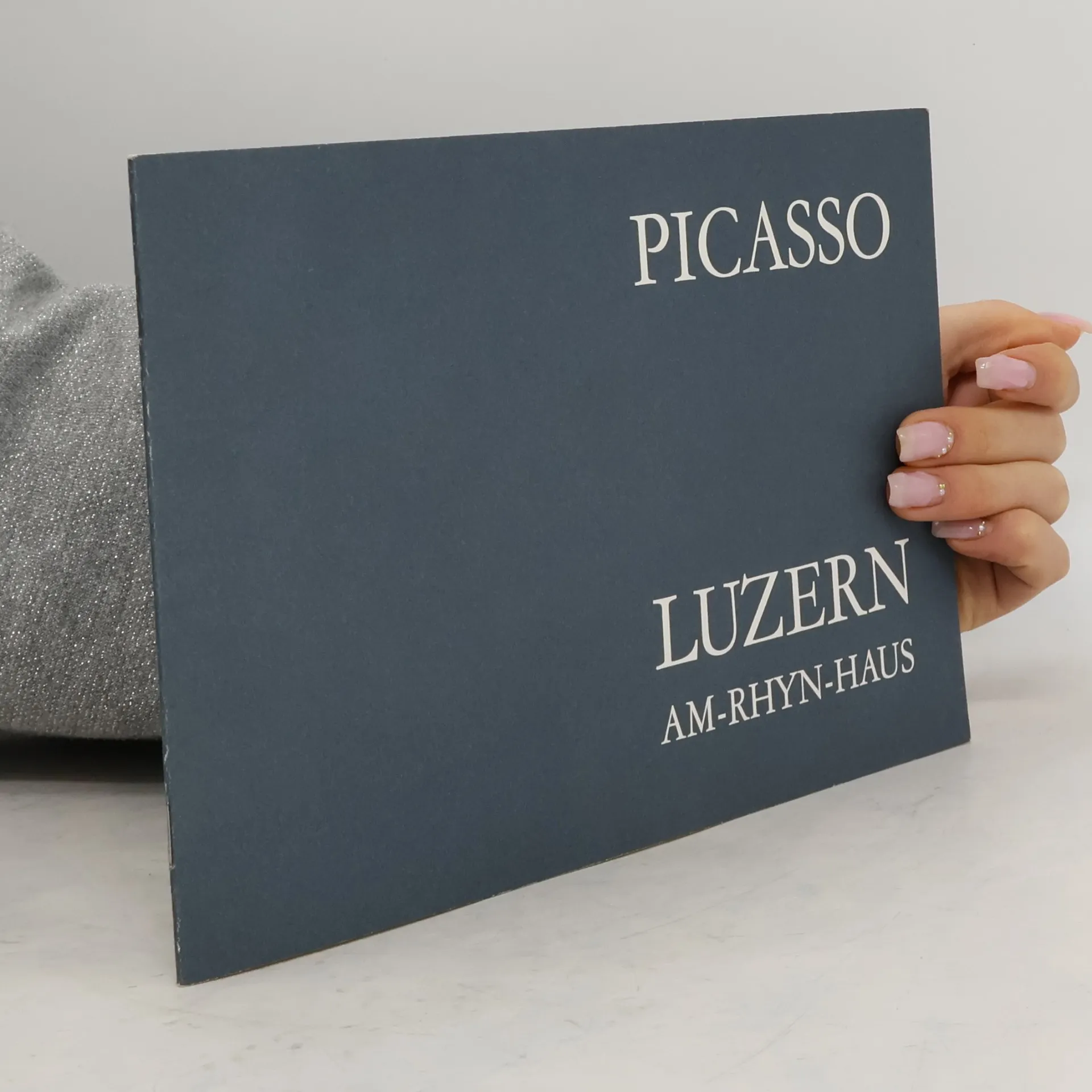
For the last 17 years of Picasso's life, David Douglas Duncan was a friend of the artist and his family. He took 25,000 photographs of the man himself, his paintings and his studio. In this book, Duncan shares his most candid images of Picasso at work.
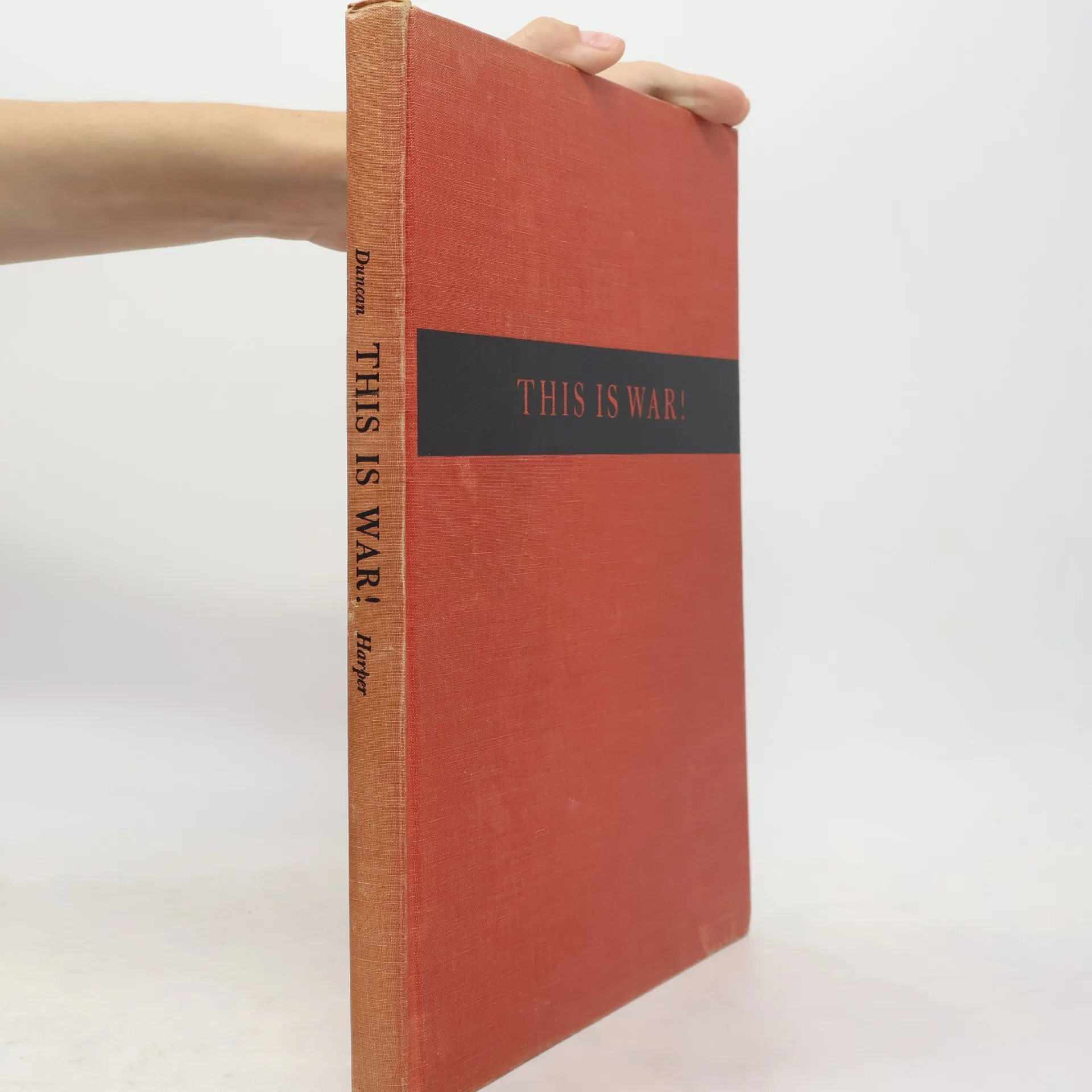
Published to commemorate the 40th anniversary of the Korean War, this book contains combat photographs forming a narrative of courage, grimness, ordeal and loyalty. It follows a group of marines through a series of battles, and contains text to explain the circumstances of each photograph.
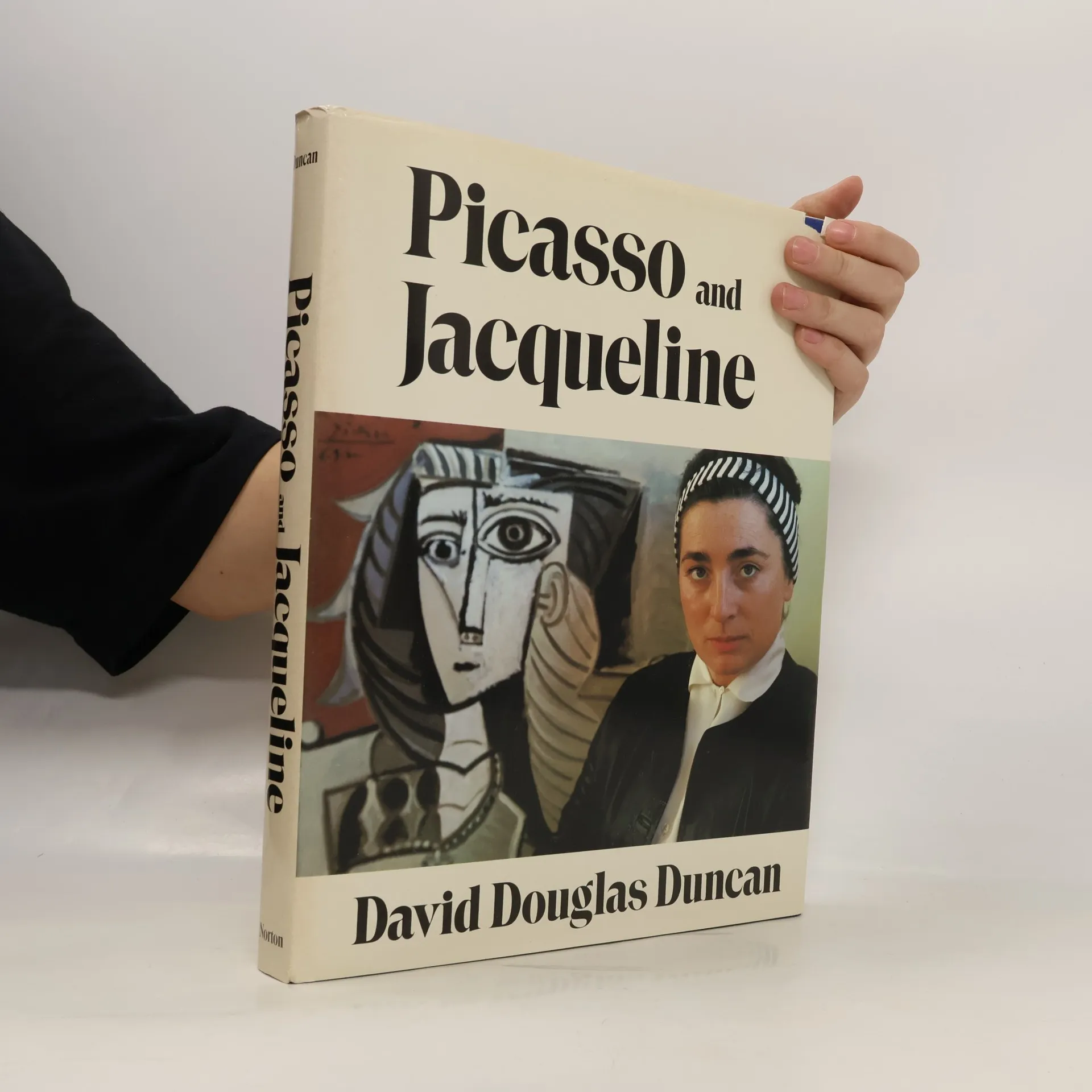
David Douglas Duncan presents a photographic record of the life which Picasso and Jacqueline shared together in their home. The author was a friend of the couple and records the time he spent with them, from his first visit in 1956 to Picasso's death in 1973 and afterwards, until Jacqueline herself died in 1986. He portrays their everyday domestic life, their leisure time and intimate moments and also shows Picasso at work on his paintings. Duncan recalls "The three of us enjoyed a life so close and casual and natural that I was able to use my cameras as though neither they nor I existed". Duncan is a well-known photographer and has written over 16 books.
David Douglas Duncan dokumentiert das Leben, das Picasso und Jacqueline gemeinsam in ihrem Zuhause führten. Der Autor war ein Freund des Paares und hält die Zeit fest, die er mit ihnen verbrachte, von seinem ersten Besuch 1956 bis zu Picassos Tod 1973 und danach, bis Jacqueline 1986 starb. Er porträtiert ihren Alltag, ihre Freizeit und intime Momente und zeigt Picasso bei der Arbeit an seinen Gemälden. Duncan erinnert sich: "Wir drei genossen ein Leben, das so nah, lässig und natürlich war, dass ich meine Kameras benutzen konnte, als ob weder sie noch ich existierten."
From the front flap of this 149-page "This romantic odyssey through all of Van Gogh's hauntingly beautiful sunflower paintings, and David Douglas Duncan's unknown poetic photography from the sunflower belt of southern France, pays tribute at once to the artist's achievement and the dazzling flower itself. Inspired by Van Gogh's vibrantly painted canvasses, Duncan set out on a journey to capture with color camera the plant that had so intrigued the artist. Scarce in Van Gogh's own time, the sunflower of today grows across Europe in ever-increasing numbers of fields to satisfy the commercial demand for vegetable oil. This vast floral extravaganza vies with the Dutch tulip fields for spectacular beauty and abundance, yet has been ignored until now. With photographs, Duncan reveals his own obsession to document the flower. He sought out the source of Van Gogh's inspiration at Arles, then farther afield, from Provence to the Atlantic. In the eleven known paintings of sunflowers by Van Gogh (reproduced here all together in color for the first time) and Duncan's dramatic pictures, this book celebrates a countryside flower through the eyes of two artists."
Eine feierliche Sammlung von über einhundert der besten Fotografien, die je von Picasso bei der Arbeit und im Spiel aufgenommen wurden, beschwört die außergewöhnliche Vitalität sowie die kreative und emotionale Tiefe dieses großen Künstlers.
Eine Sammlung von Fotografien aus dem Leben und Werk von Pablo Picasso, aufgenommen von seinem Freund, dem preisgekrönten Fotojournalisten David Douglas Duncan.
Eindringlich berichtet der Autor von seinem Leben, das durch die Höllen von Treblinka und des Warschauer Ghettos wie durch den Tod von Frau und Kindern bei einer Brandkatastrophe geprägt wurde.