Wikingowie to byli wprost okropni brutale, co walili się ciągle po łbach. Wtedy bycie mężczyzną oznaczało po prostu, że wzbudzało się w innych strach. Choć walczyli zaciekle całe dnie oraz noce, choć walczyli osobno i wspólnie, myślę, że Wikingowie mimo wszystko nie byli mężczyznami dobrymi szczególnie. Czas najwyższy na zmianę, dziś są inne sposoby, by mężczyzną prawdziwym się stać. Czas, by zmienić nawyki i by to, co najlepsze, w sobie odkryć i innym to dać. Scott Stuart w tej inspirującej i zabawnej historii rozprawia się ze stereotypowymi wzorcami męskości, pokazując, jak wspierać dzieci w ich wyborach i wychować pewnych siebie chłopców. Książka w duchu wychowania w otwartości. Dodaje chłopcom odwagi i zachęca ich do bycia sobą, ucząc, jak być prawdziwym mężczyzną. Jaki powinien być prawdziwy mężczyzna? Powinien walczyć, to jasne, ale o słuszne sprawy i nie mieczem czy szablą, ale na przykład chodząc na manifestacje w obronie słabszych. Powinien być silny, żeby pomagać innym. Powinien być odważny, żeby mieć odwagę powiedzieć przepraszam i umieć się przyznać do strachu. Powinien też umieć okazywać uczucia. I powinien być wolny, żeby móc sobie wybrać taki sposób na życie, jaki mu najbardziej odpowiada. Wtedy będzie szczęśliwy. Do tego przekonuje nas Scott Stuart, ojciec małego mężczyzny. Michał Rusinek, tłumacz o bardzo kolorowym cieniu Dla wszystkich dzieci w wieku 4+ Powyższy opis pochodzi od wydawcy.
Michael Robertson Reihenfolge der Bücher


- 2021
- 2021
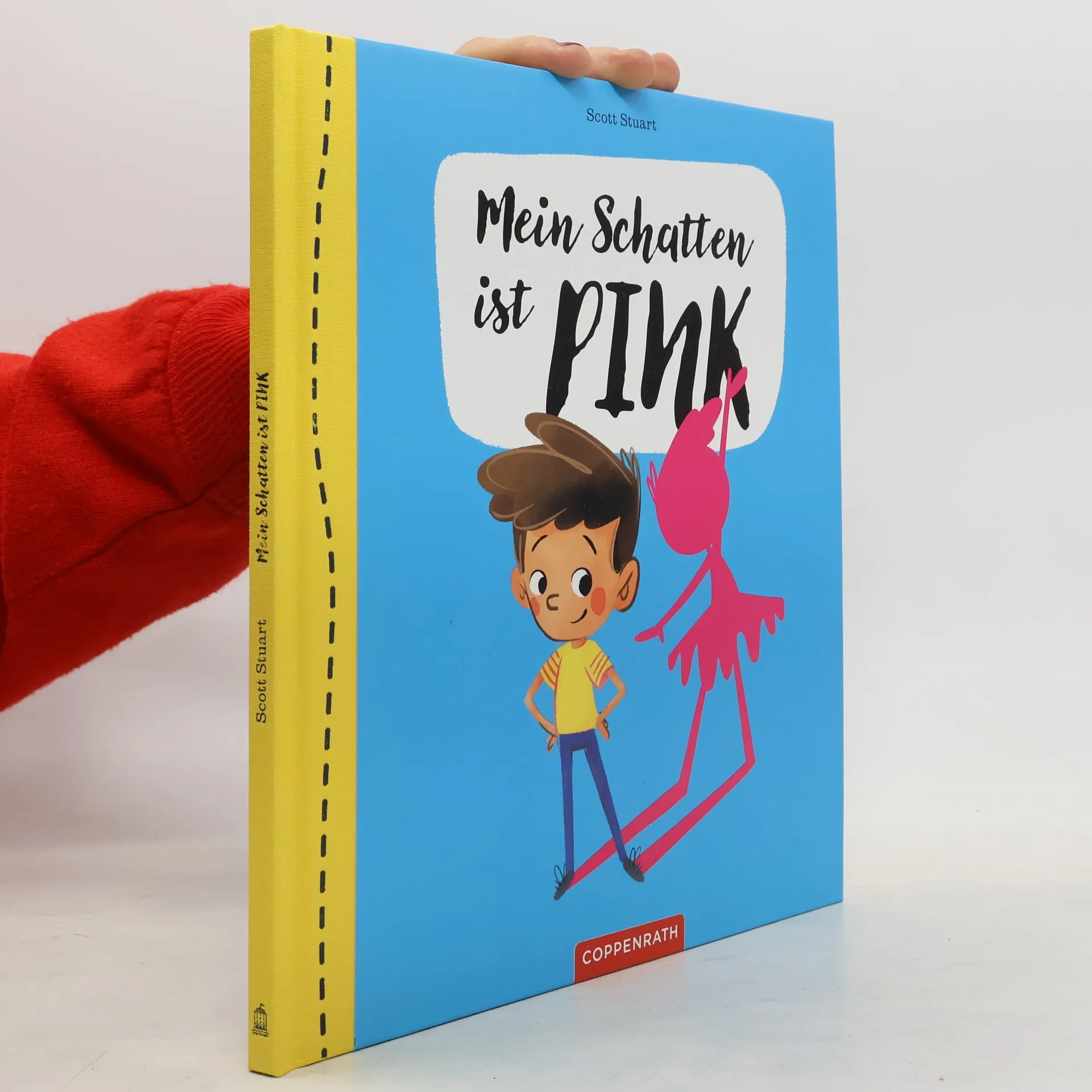
Mein Schatten ist pink!
- 40 Seiten
- 2 Lesestunden
„Der Schatten von Papa ist groß und blau, auch der von Opa, das weiß ich genau. Sein Schatten ist blau und stark und groß. Aber ich fühl mich anders. Was ist mit mir los?“ Ein Junge, der gern Kleider trägt und mit „Mädchensachen“ spielt, ist für manche Menschen „anders“. Wer aber bestimmt eigentlich, was „normal“ oder „anders“ ist? Und ist es wirklich besser, so zu sein wie alle? In diesem Bilderbuch findet ein kleiner Junge einen Weg, zu sich selbst zu stehen – gegen Widerstände, mit Mut und Menschen, die ihn lieben. Eine Geschichte für Kinder ab 5 Jahre, die sich für Diversität, Gleichberechtigung und gegen festgefahrene Rollenbilder stark macht.
- 2020
My Shadow is Pink
- 32 Seiten
- 2 Lesestunden
My Shadow is Pink is a beautifully written rhyming story that touches on the subjects of gender identity, self acceptance, equality and diversity.
- 2019
Here, the entire D-Day campaign is re-evaluated and the incredible acts of valour committed by the Allied servicemen who would receive their nation's highest decoration (the Medal of Honour or Victoria Cross) are described alongside their citations and photographs.
- 2019
This title is brimming with facts about the Titanic and its passengers, the history of the Titanic, strange stories of premonitions of the disaster, conspiracy theories, the various films, the sinking of the Titanic, the discovery of the wreck and salvage operations, are all explored.
- 2018
I Like My Car
- 32 Seiten
- 2 Lesestunden
A Level B I Like to Read book about cars, colors, and funny animals! The rhino loves his red car . . . which just happens to have a rhino-horn hood ornament. And the alligator loves her green car that has sharp teeth and spikes just like hers! The shark's car has a fin and a tail. The funny animals in this book match their equally funny cars as they all make their way to a car party!
- 2018
The Last Utopians
- 318 Seiten
- 12 Lesestunden
The Last Utopians delves into the biographies of four key figures--Edward Bellamy, William Morris, Edward Carpenter, and Charlotte Perkins Gilman--who lived during an extraordinary period of literary and social experimentation. The publication of Bellamy's Looking Backward in 1888 opened the floodgates of an unprecedented wave of utopian writing. Morris, the Arts and Crafts pioneer, was a committed socialist whose News from Nowhere envisions a workers' Arcadia. Carpenter boldly argued that homosexuals constitute a utopian vanguard. Gilman, a women's rights activist and the author of "The Yellow Wallpaper," wrote numerous utopian fictions, including Herland, a visionary tale of an all-female society. These writers, Robertson shows, shared a belief in radical equality, imagining an end to class and gender hierarchies and envisioning new forms of familial and romantic relationships. They held liberal religious beliefs about a universal spirit uniting humanity. They believed in social transformation through nonviolent means and were committed to living a simple life rooted in a restored natural world. And their legacy remains with us today, as Robertson describes in entertaining firsthand accounts of contemporary utopianism, ranging from Occupy Wall Street to a Radical Faerie retreat
- 2016
Selling Your Writing to the Boating Magazines (and other niche mags)
- 110 Seiten
- 4 Lesestunden
Aspiring writers will find practical guidance in this book, which draws from the author's extensive experience selling stories to various niche-market magazines. It offers valuable insights into the writing and publishing process, emphasizing that achieving publication is attainable with dedication and effort. Whether targeting boating, knitting, or yoga magazines, readers will discover actionable advice and personal anecdotes that illuminate the path to fulfilling their publishing dreams.
- 2016
Every Day I Fight
- 307 Seiten
- 11 Lesestunden
Shortly before he passed away in January 2015, much-loved U.S. sports commentator Stuart Scott completed work on this memoir. It was both a labour of love and a love letter to life itself. Not only did Stuart relate his personal story, he shared his intimate struggles to keep his story going. Struck by appendicular cancer in 2007, Stuart battled this rare disease with tenacity and vigour. He wanted to be there for his daughters as an immutable example of determination and courage. Every Day I Fight is a saga of love and an inspiration to us all.
- 2016
Consort suites and dance music by town musicians in German-speaking Europe, 1648-1700
- 264 Seiten
- 10 Lesestunden
This companion volume to The Courtly Consort Suite in German-Speaking Europe surveys the consort suites and dance music by musicians working in the seventeenth-century German towns. The central part of the book explores the organisation, content and assembly of town suites into carefully ordered printed collections, which refutes the concept of the so-called classical suite. The differences between court and town suites are dealt with alongside the often-ignored variation suite from the later decades of the seventeenth century and the separate suite-writing traditions of Leipzig and Hamburg.