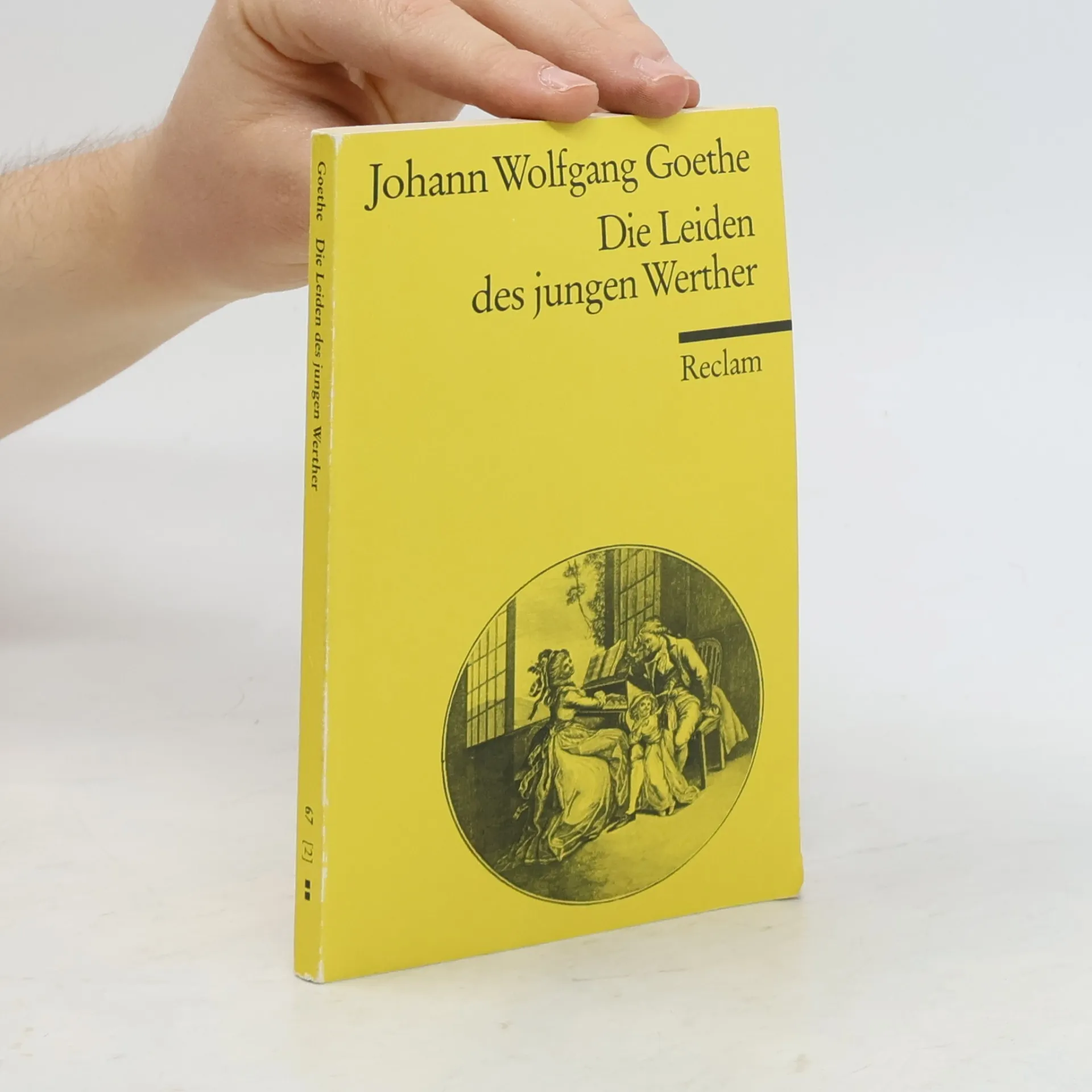
Eine Sammlung von Briefen gibt tiefen Einblick in die letzten Monate im Leben des jungen Werther, der – in unglücklicher Liebe entbrannt – zwischen Hoffnung und Verzweiflung schwankt und schließlich keine Lebensperspektive mehr sieht. Goethes erster Roman von 1774 war ein sensationeller Erfolg, Leidenschaft und Unglück des Protagonisten sind bis heute von beeindruckender Kraft.
Daniel Chodowiecki Bücher
16. Oktober 1726 – 7. Februar 1801
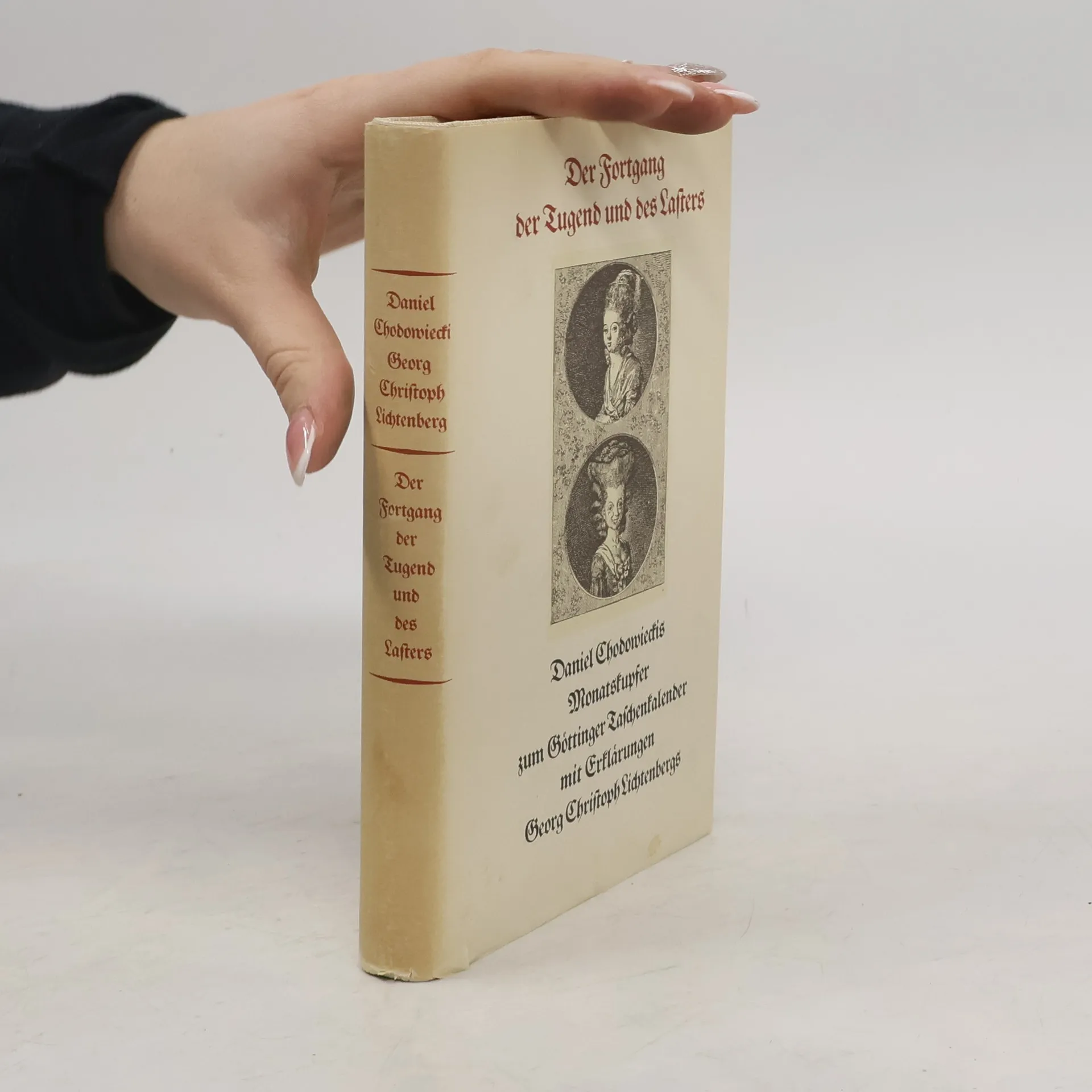
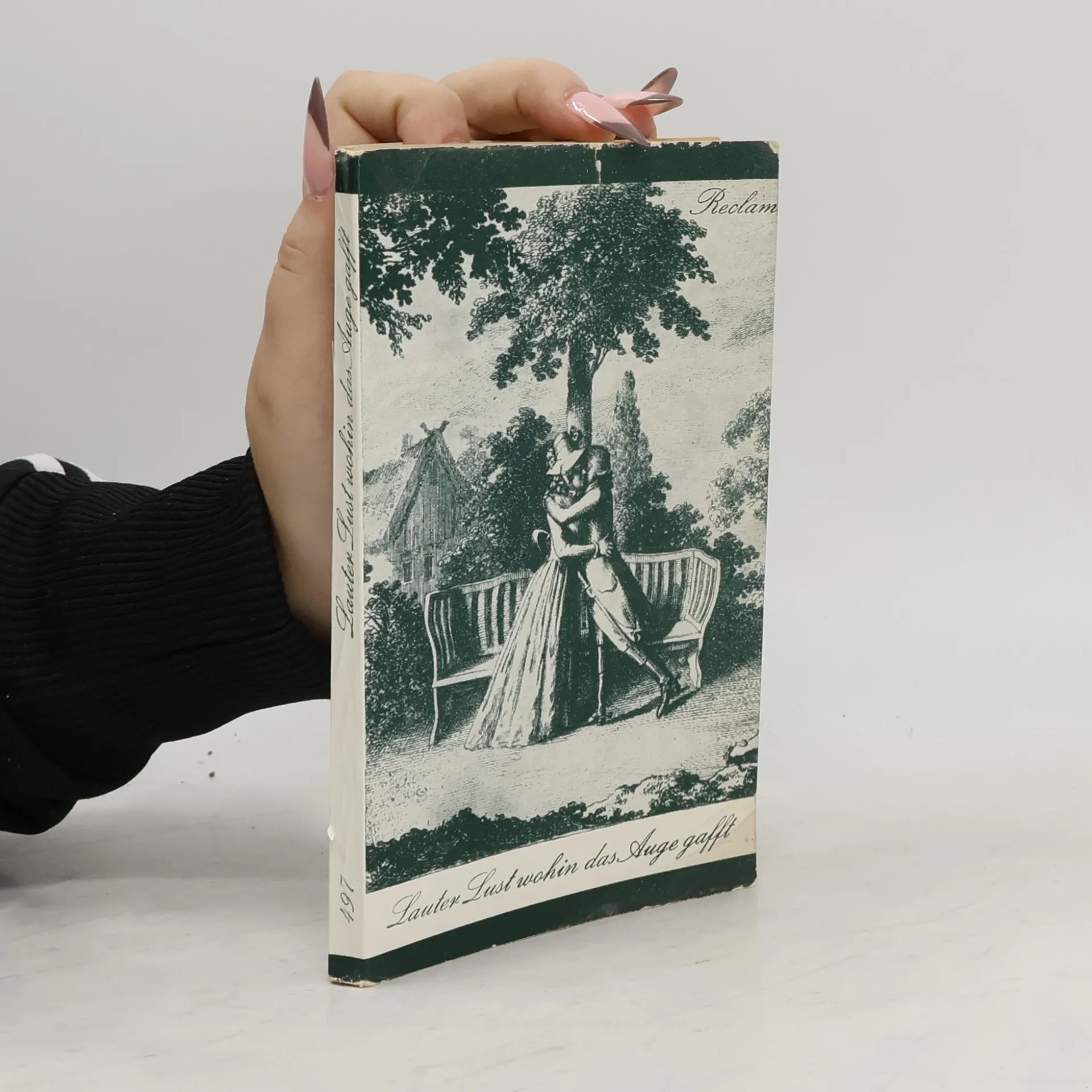
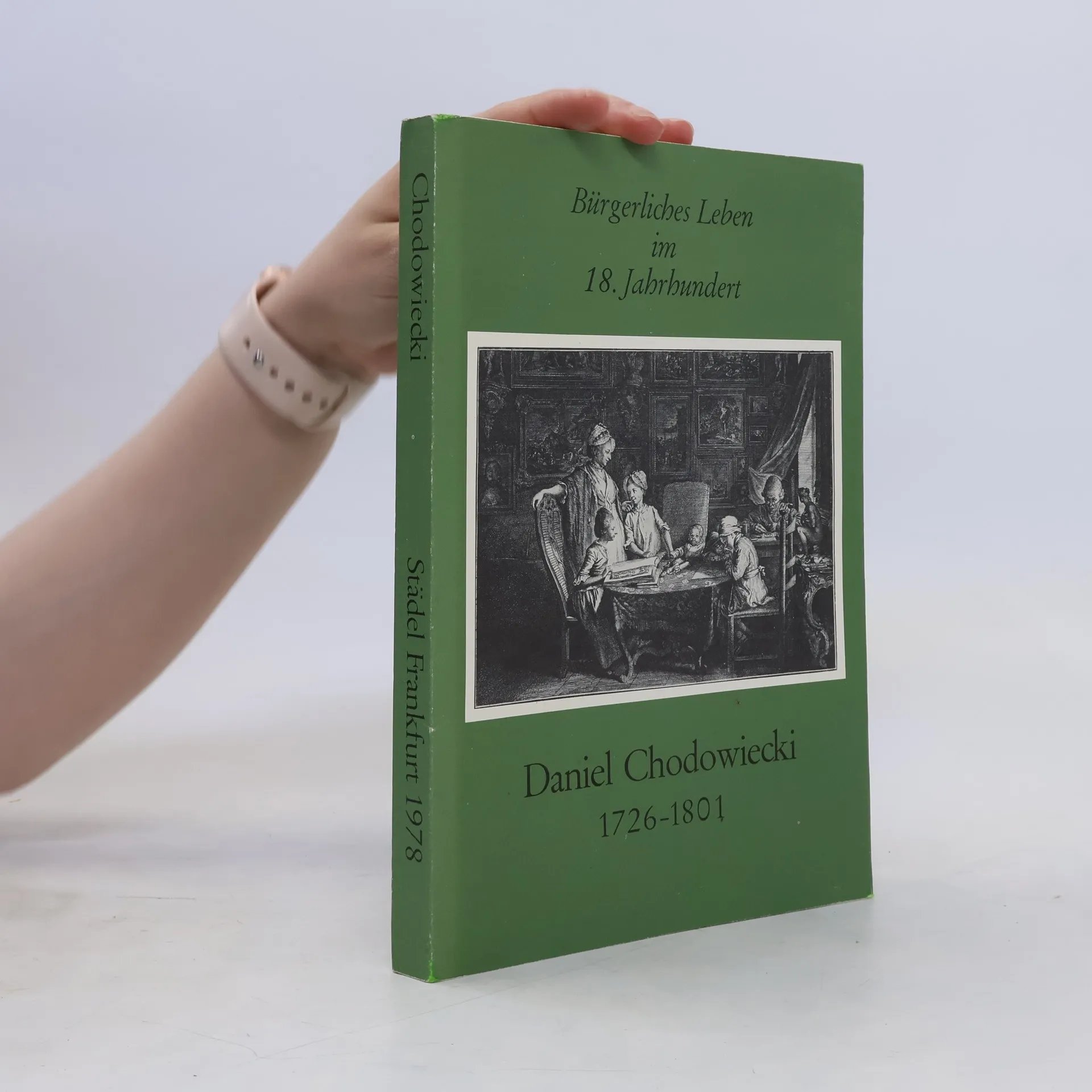
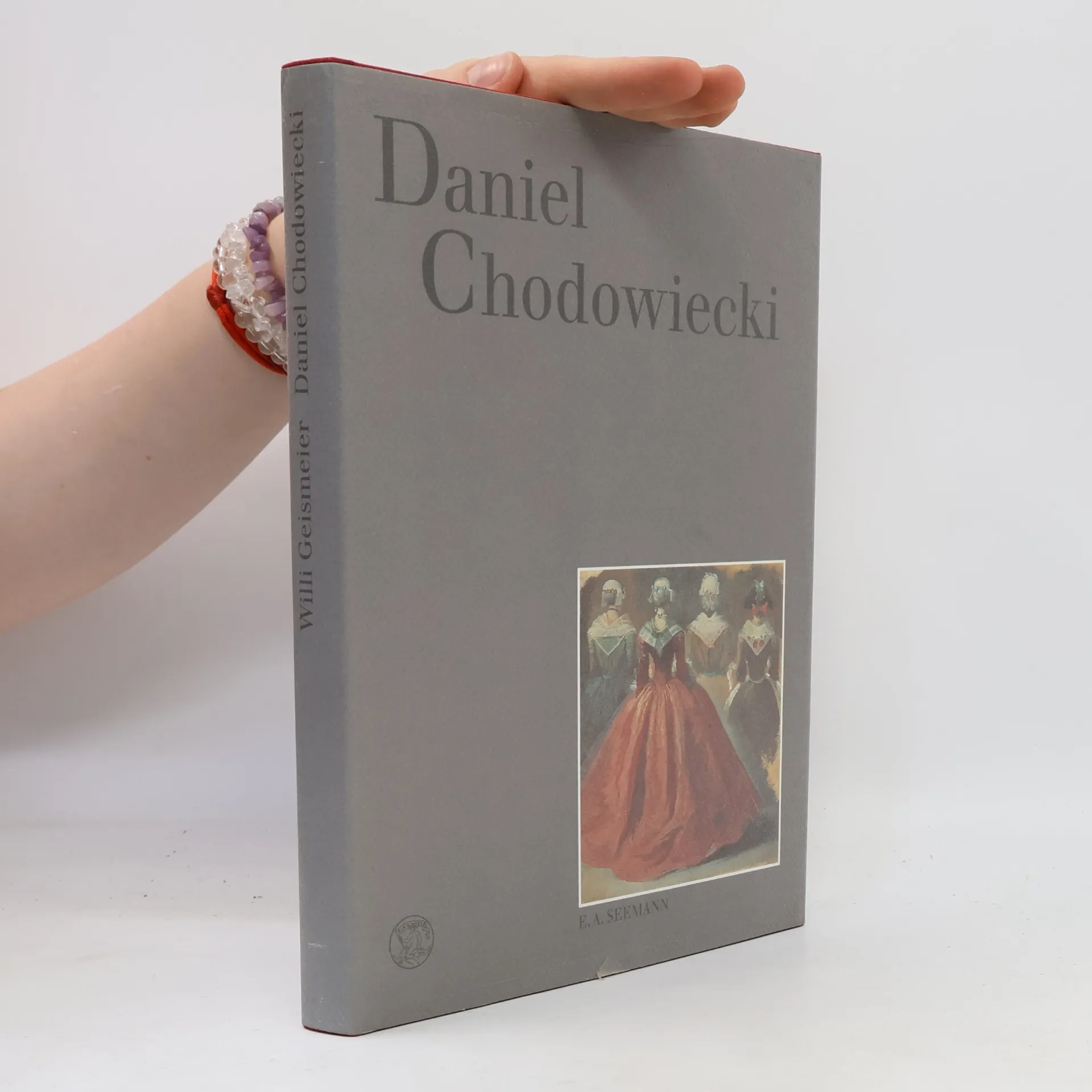
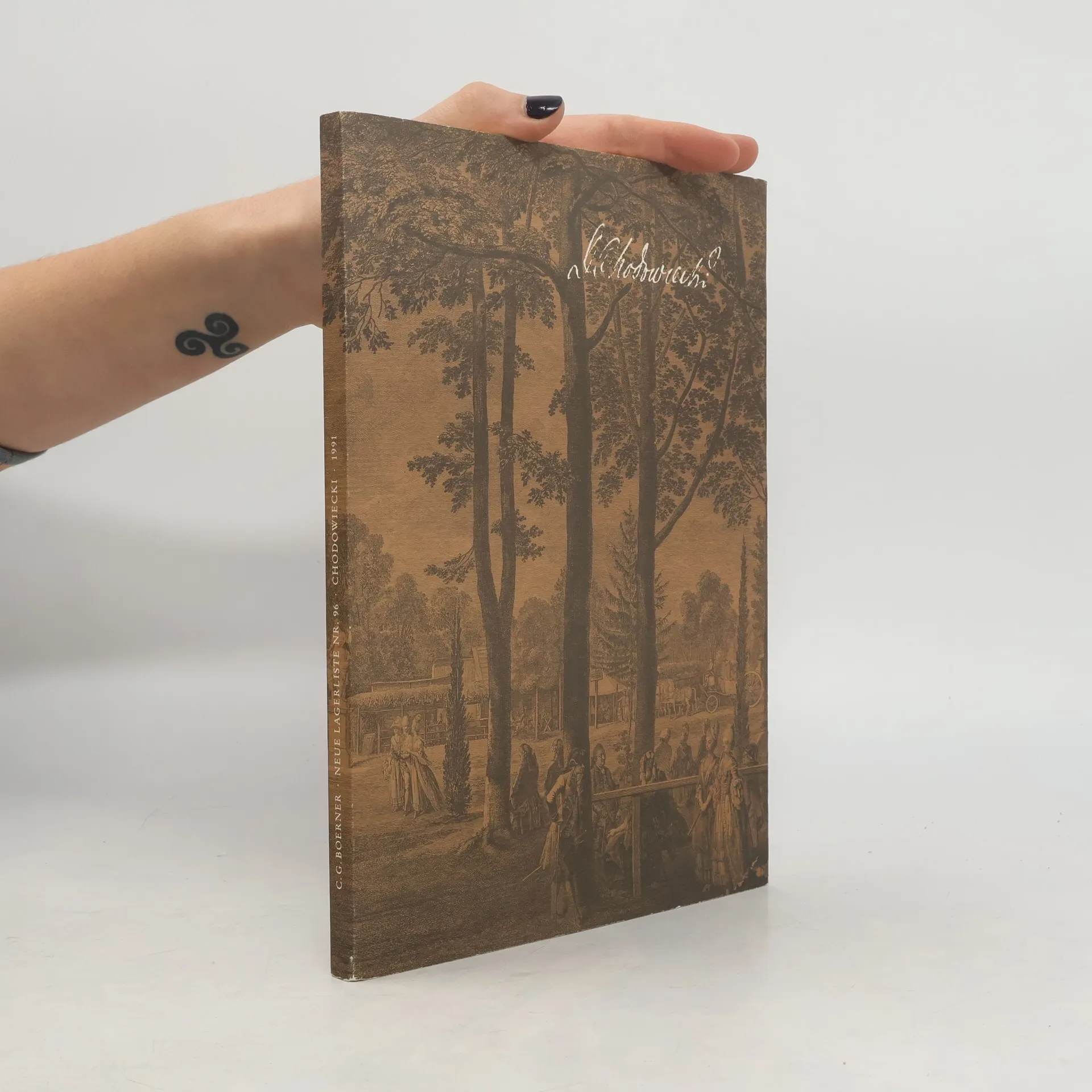
Daniel Chodowiecki
- 240 Seiten
- 9 Lesestunden
German
Asmus Omnia Sua Secum Portans, Oder Sämmtliche Werke Des Wandsbecker Bothen; Volume 3
- 204 Seiten
- 8 Lesestunden
This work has been selected by scholars as being culturally important, and is part of the knowledge base of civilization as we know it. This work was reproduced from the original artifact, and remains as true to the original work as possible. Therefore, you will see the original copyright references, library stamps (as most of these works have been housed in our most important libraries around the world), and other notations in the work. This work is in the public domain in the United States of America, and possibly other nations. Within the United States, you may freely copy and distribute this work, as no entity (individual or corporate) has a copyright on the body of the work. As a reproduction of a historical artifact, this work may contain missing or blurred pages, poor pictures, errant marks, etc. Scholars believe, and we concur, that this work is important enough to be preserved, reproduced, and made generally available to the public. We appreciate your support of the preservation process, and thank you for being an important part of keeping this knowledge alive and relevant.
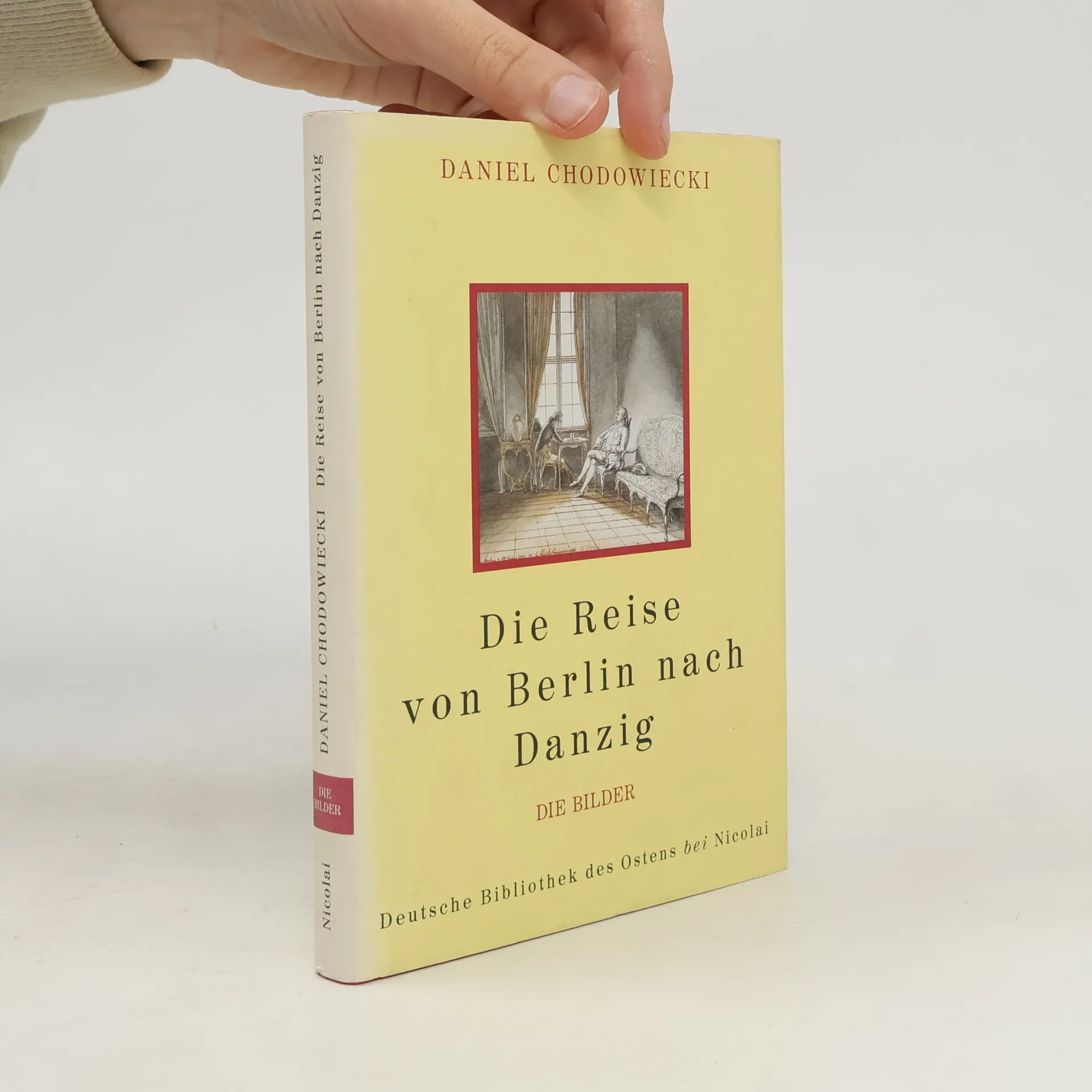
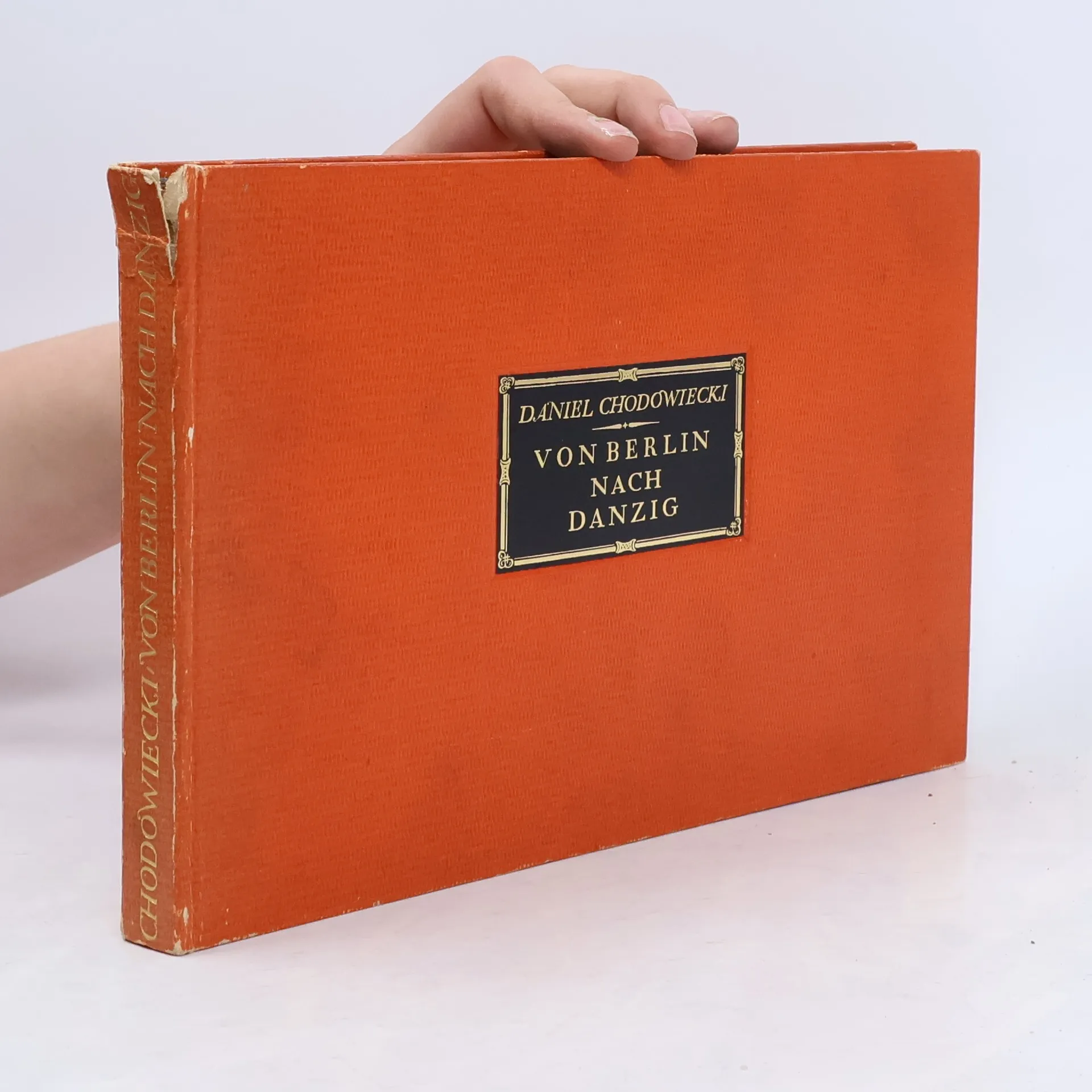
Die Reise von Berlin nach Danzig
- 151 Seiten
- 6 Lesestunden
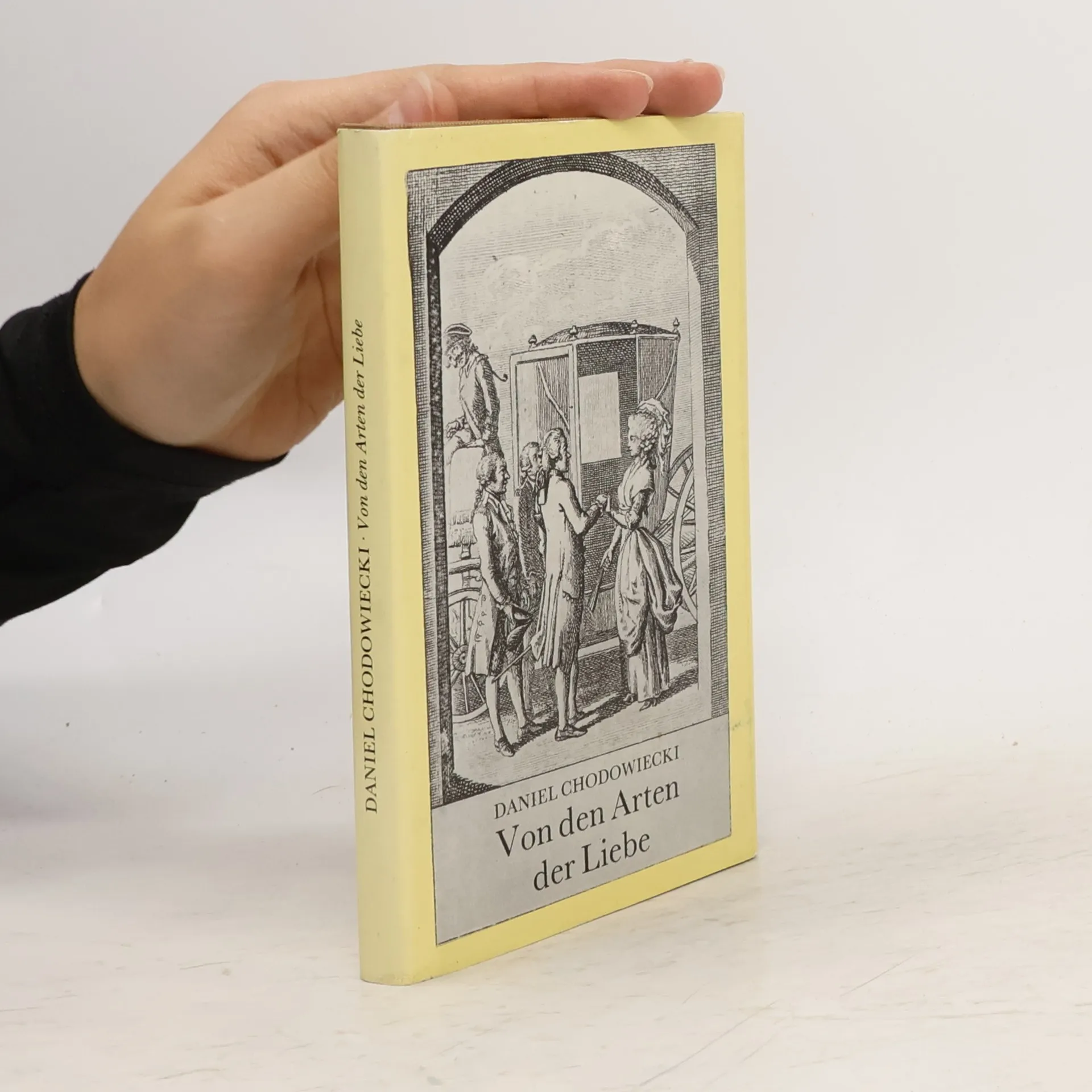
Von den Arten der Liebe
- 120 Seiten
- 5 Lesestunden
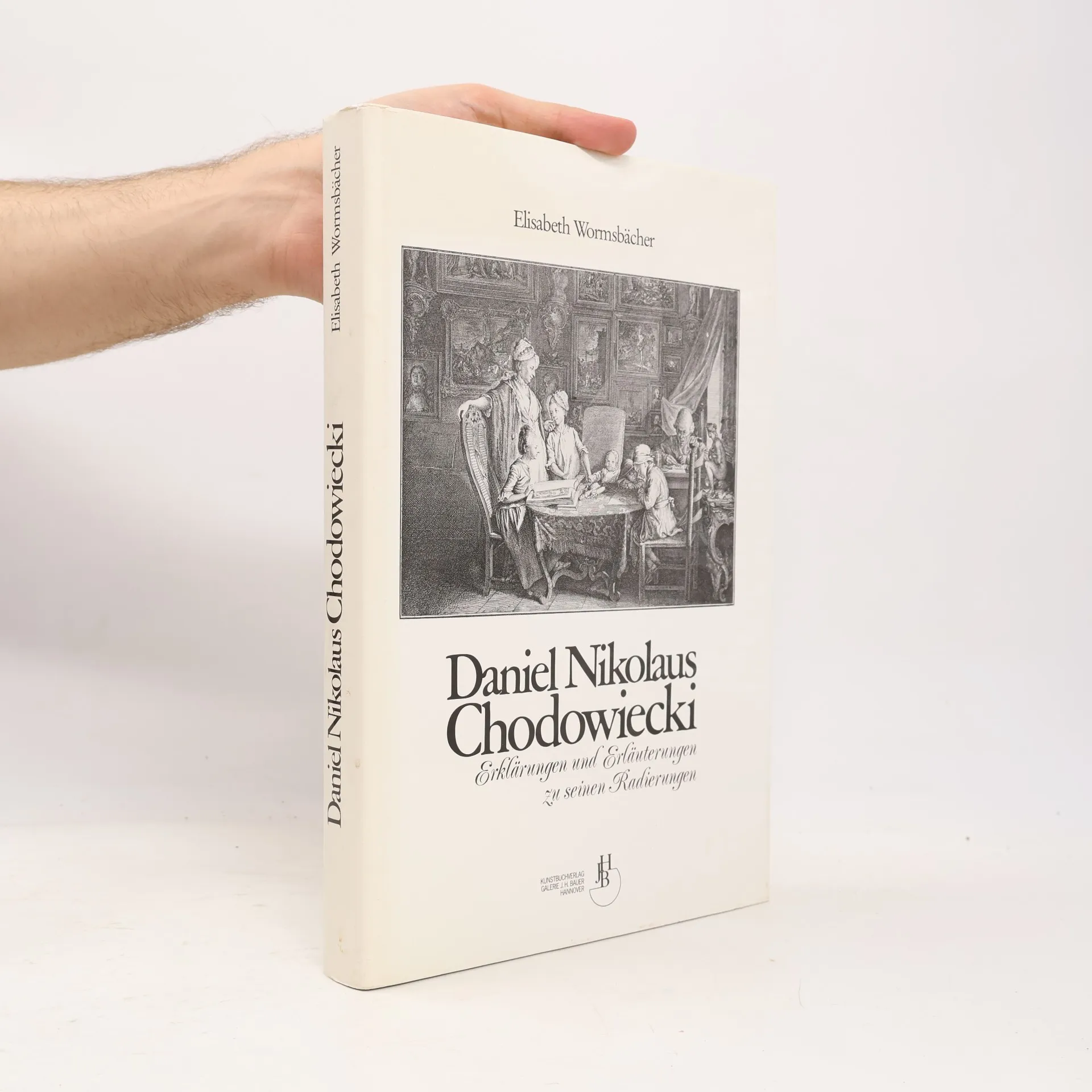
Daniel Nikolaus Chodowiecki
Erklärungen und Erläuterungen zu seinen Radierungen
- 224 Seiten
- 8 Lesestunden
German
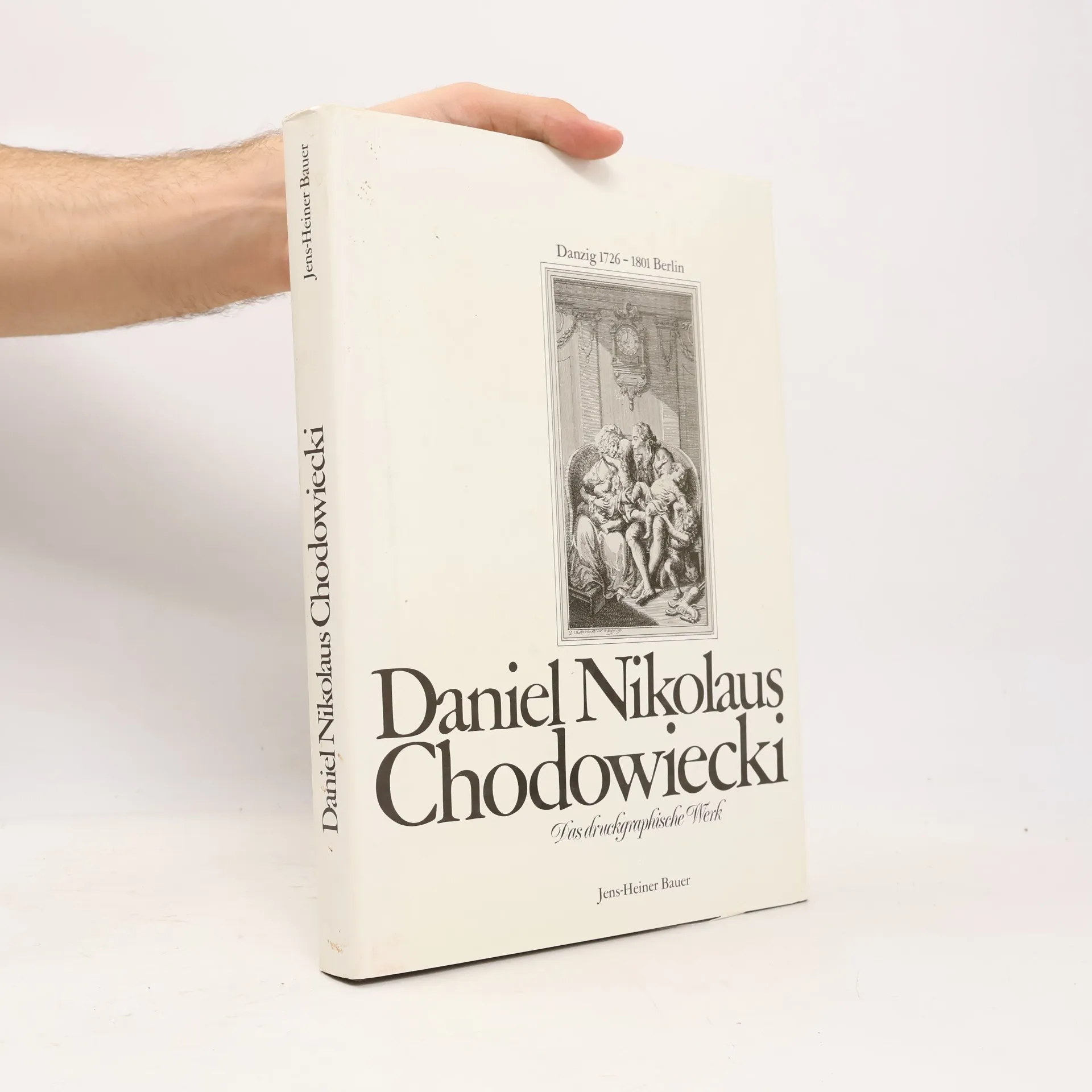
Daniel Nikolaus Chodowiecki (Danzig, 1726-1801, Berlin)
Das druckgraphische Werk--Die Sammlung Wilhelm Burggraf zu Dohna-Schlobitten
- 352 Seiten
- 13 Lesestunden
Die Reise von Berlin nach Danzig. 2 svazky
- 164 Seiten
- 6 Lesestunden