Hugh MacLennan Bücher
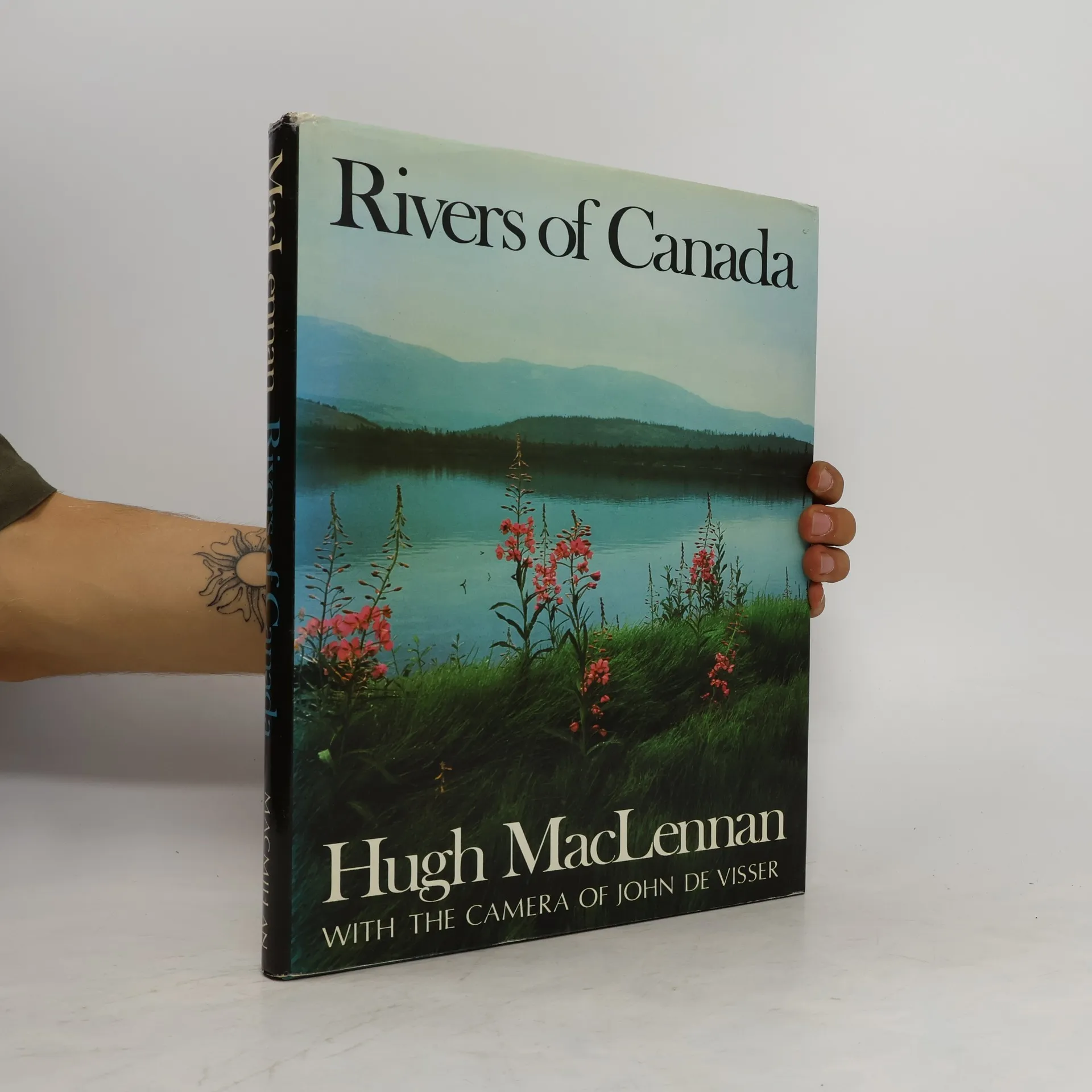
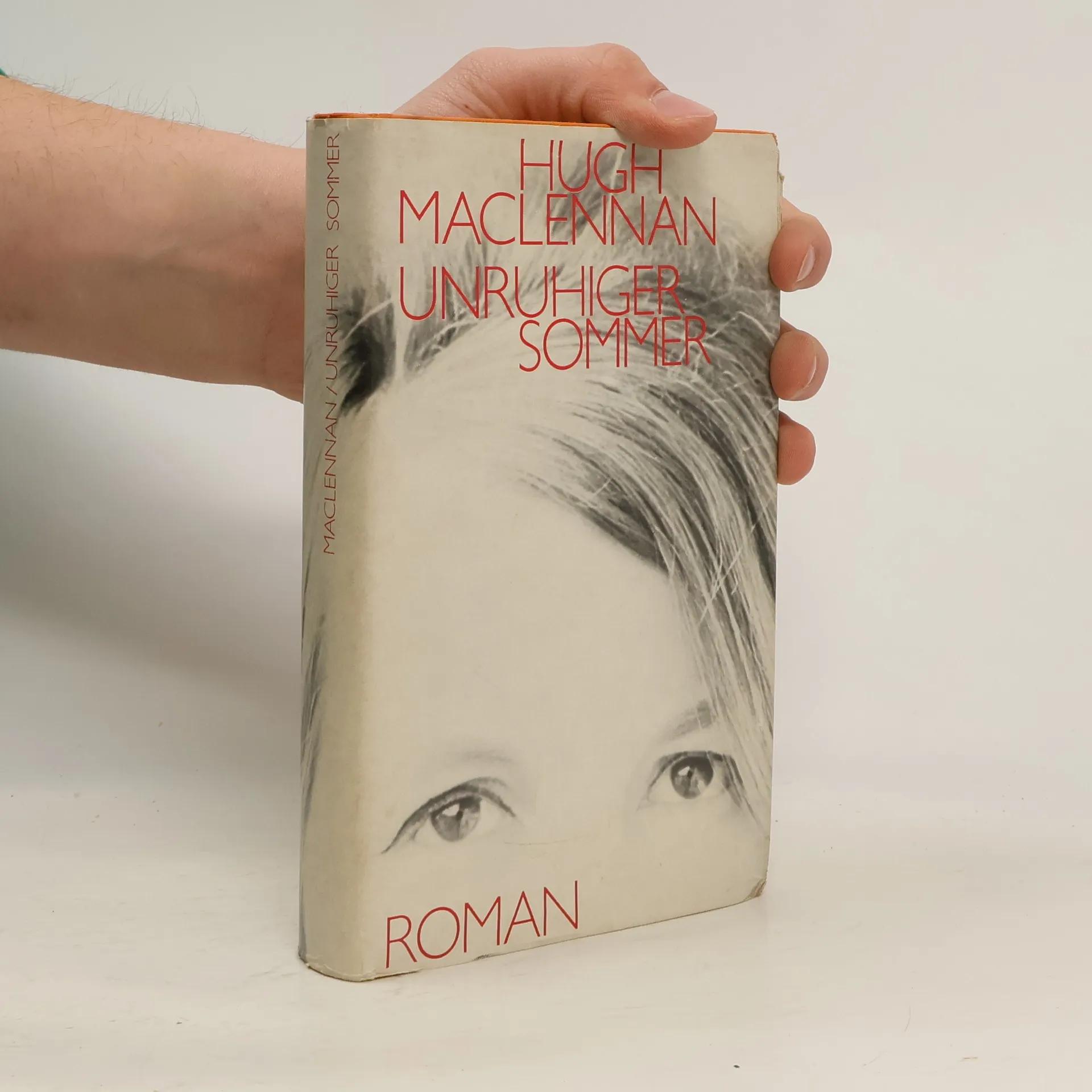
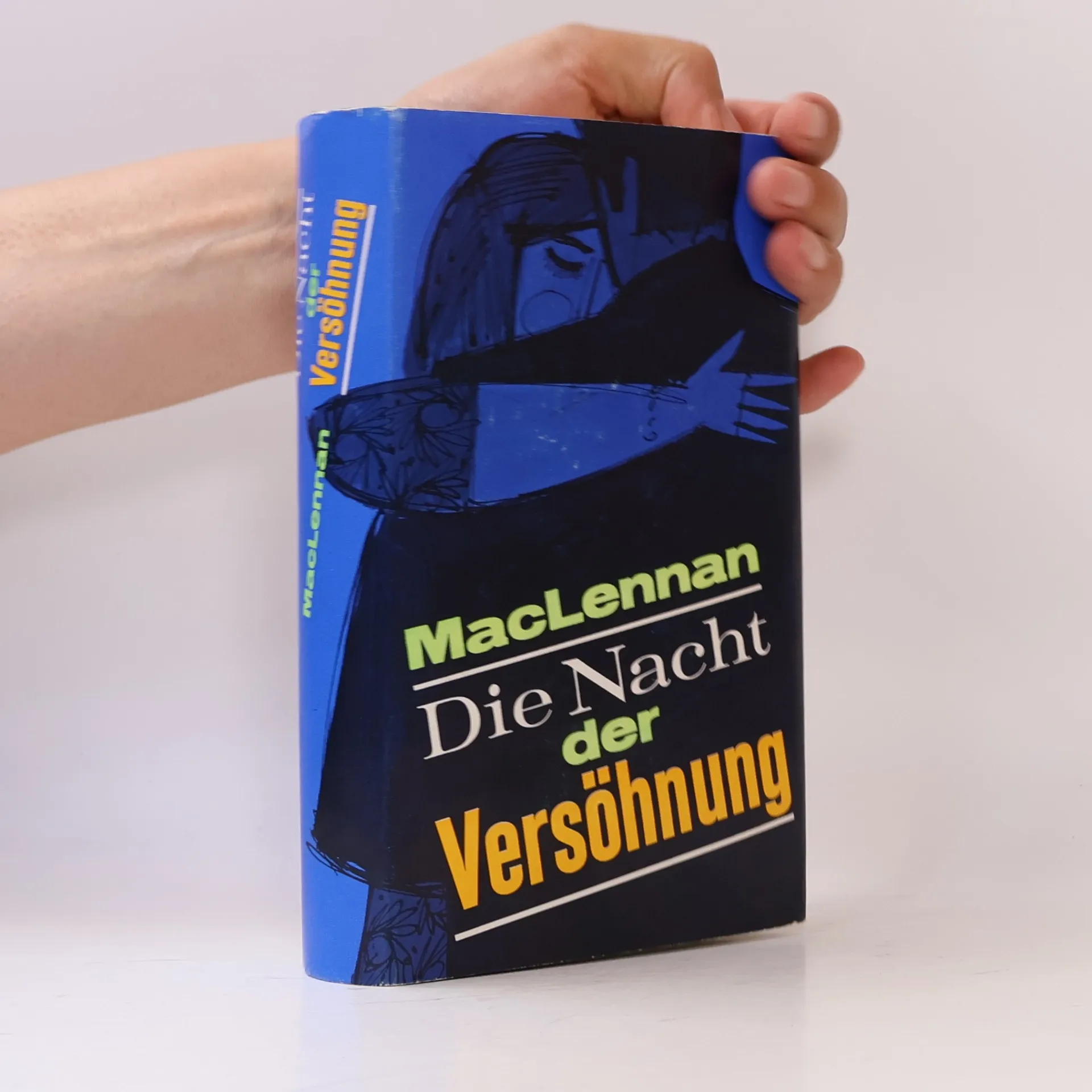
Rivers of Canada
- 270 Seiten
- 10 Lesestunden
Book by MacLennan, Hugh
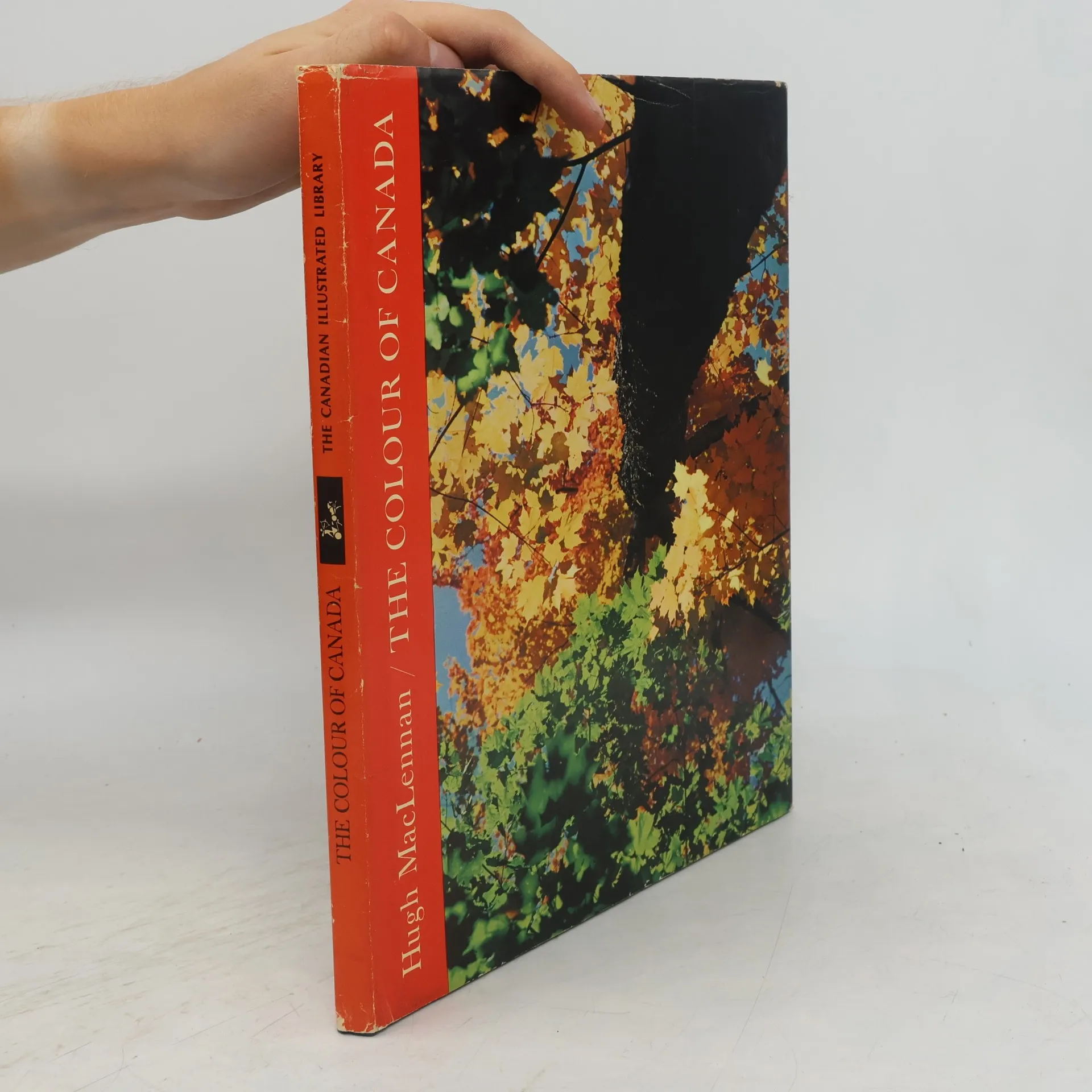
The Colour of Canada
- 128 Seiten
- 5 Lesestunden
The Colour of Canada (Canadian Illustrated Library) McClelland and Stewart Limited revised edition 1972
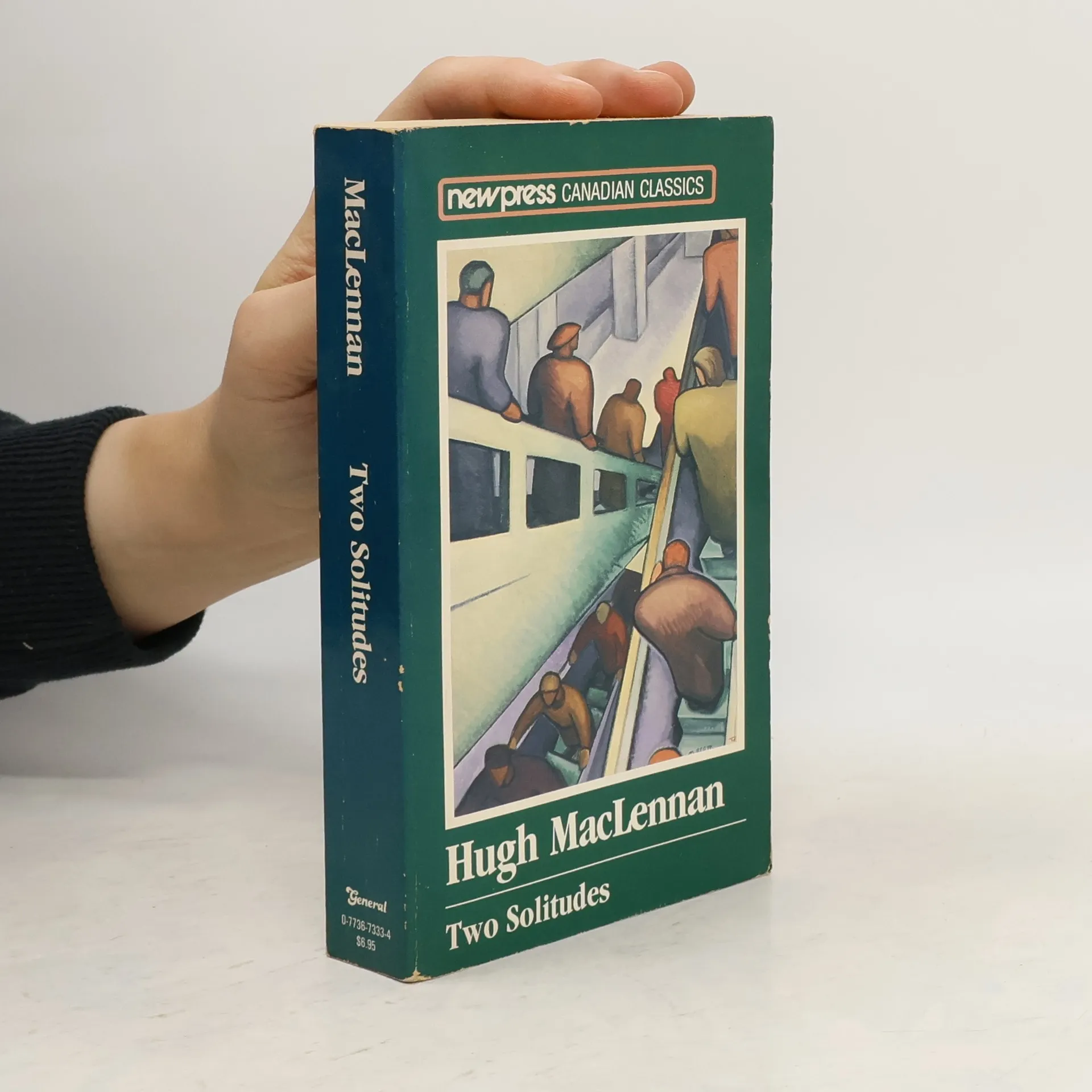
Canadian Classics: Two Solitudes
- 411 Seiten
- 15 Lesestunden
Since its publication in 1945, Hugh MacLennan's novel has often been overshadowed by the cliché "Two Solitudes," a political phrase that simplifies Canada's quest for national unity. This misinterpretation does a disservice to the novel, which is far more nuanced than it appears. Set against the backdrop of the last days of the First World War and leading into the Second World War, it offers a rich panorama of Quebec's culture and politics. The first half unfolds in the fictional parish of Saint-Marc-des-Érables, where life resembles the 18th century. The community's two main figures, Athanase Tallard and Father Beaubien, are locked in a conflict over the parish's future—Tallard seeks industrial development with English-Canadian investment, while Beaubien wishes to preserve the status quo. As the narrative shifts to Montreal, it addresses the challenges faced by the next generation. Although the urban sections have been criticized as contrived, they are vital to MacLennan's vision of a burgeoning cosmopolitanism rather than a narrow nationalism. While the novel may not be a masterpiece—at times hokey or preachy—it remains an engaging human story and a thoughtful political commentary, reflecting the tensions that shaped modern Quebec.
New Canadian Library: Barometer Rising
- 235 Seiten
- 9 Lesestunden
Penelope Wain believes that her lover, Neil Macrae, has been killed while serving overseas under her father. That he died apparently in disgrace does not alter her love for him, even though her father is insistent on his guilt. What neither Penelope or her father knows is that Neil is not dead, but has returned to Halifax to clear his name. Hugh MacLennan’s first novel is a compelling romance set against the horrors of wartime and the catastrophic Halifax Explosion of December 6, 1917.
Quebec, francouzská provincie v Kanadě - v čase začátku první světové války se setkáváme s Athanasem Tallardem, vzdělaným a rozhledným mužem s nespoutanými vášněmi, pocházejícím z aristokratické rodiny, která zde žije už od sedmnáctého století. Sobášem s mladou Írkou Kathleen se proti své vůli postaví bigotnímu vidieckému prostředí, což ho nakonec zničí společensky, majetkově i fyzicky. Jeho syn Paul se musí tvrdě probojovávat životem, už ne jako dědic privilegovaných předků, ale jako profesionální hokejista a námořník. Předsudky, které zahubily jeho otce, stojí v cestě i jeho lásce k Heather, dívce z bohaté presbyteriánské anglické rodiny. Oba najdou sílu vzepřít se tlaku prostředí a navzdory hrozbě druhé světové války věří jeden v druhého a důvěřují budoucnosti.