Brigitta Hauser Schäublin Bücher

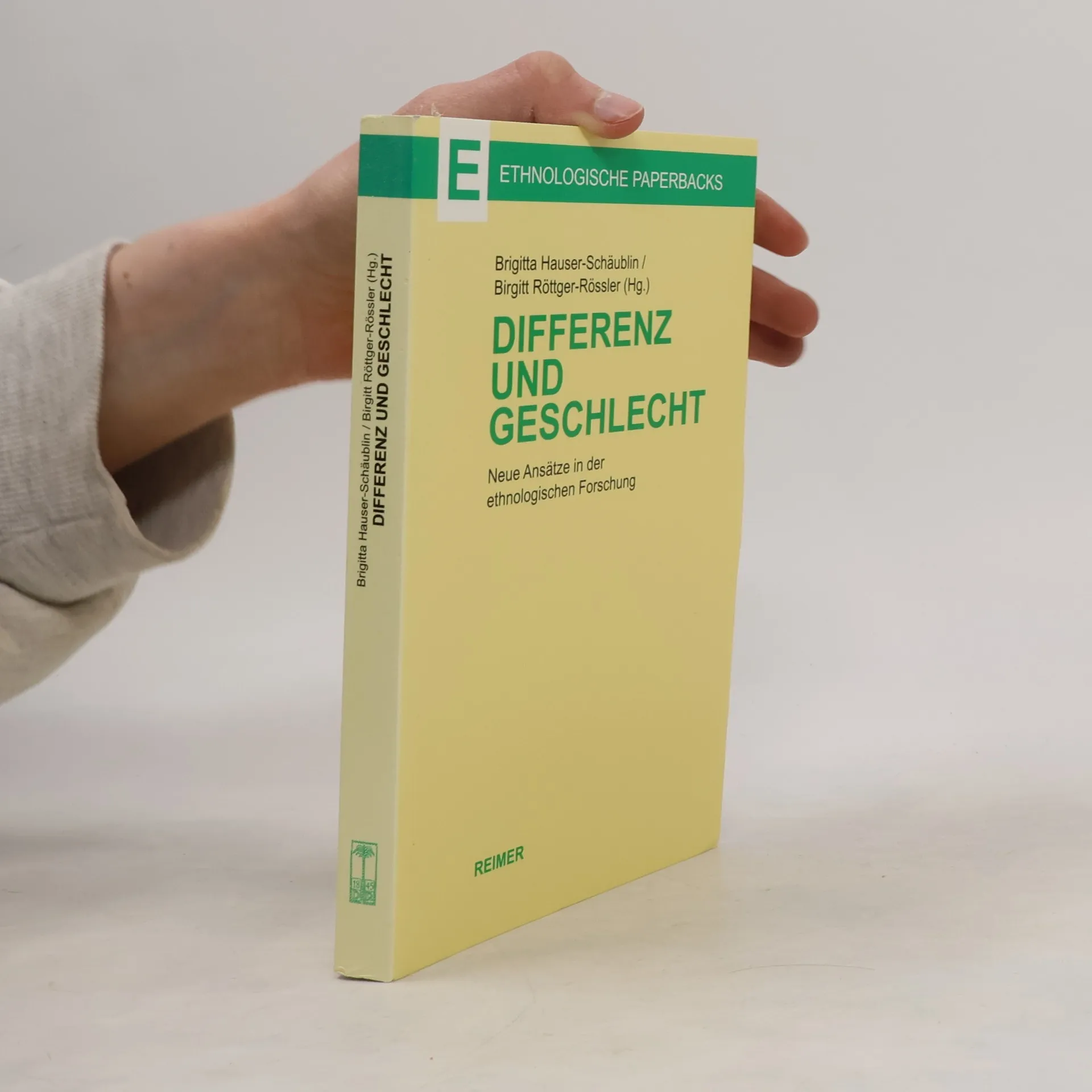
Differenz und Geschlecht
- 279 Seiten
- 10 Lesestunden
HAUSER-SCHAEUBLIN, B., ETHNOLOGISCHE FRAUENFORSCHUNG. ANSAETZE, METHODEN, RESULTATE. BERLIN, 1991, 332 p. fotografias.Encuadernacion original. Nuevo.
Wir und unser Dorf
- 61 Seiten
- 3 Lesestunden
Kulthäuser in Nordneuguinea
- 663 Seiten
- 24 Lesestunden
In den letzten fünfzehn Jahren hat die Ethnologie die Beziehungen des „Lokalen“ zum Regionalen und Globalen sowie umgekehrt intensiv untersucht. Zwölf Autoren bieten einen tiefen Einblick in die weltweiten Verflechtungen der Ethnologie. Die Themen umfassen unter anderem die Perspektiven in einer globalisierten Welt, die Rolle von Migranten und Ethnologen in nationalen und transnationalen Kontexten, sowie die sozialen Netzwerke und Gewaltmärkte im Zusammenhang mit den Attentätern vom 11. September 2001. Weitere Beiträge beleuchten die Bedeutung öffentlicher Stellungnahmen ethnologischer Experten und die komplexen Verflechtungen von Orientierungssystemen am Beispiel des Todes der Königsfamilie in Nepal. Zusätzlich wird die Entstehung der Dichotomie zwischen Modernität und Traditionalität behandelt, ebenso wie die Konzepte von Diaspora und transnationalen Verbindungen. Die Diskussion über Lokalität im globalen Kunstdiskurs, die Materia Medica in verflochtenen Welten und transkulturelle Geschlechterbeziehungen wird ebenfalls thematisiert. Weitere Schwerpunkte sind globale Waren und lokale Aneignungen sowie die Reproduktion gesellschaftlicher Ungleichheiten durch Geschlecht, Rasse und Klasse. Schließlich wird die Frage behandelt, ob es eine Gleichschaltung ohne Grenzen gibt.
Women in Kararau
Gendered Lives, Works, and Knowledge in a Middle Sepik Village, Papua New Guinea
- 399 Seiten
- 14 Lesestunden
The book offers a glimpse into the Iatmul society of the Middle Sepik, initially studied by Gregory Bateson in the late 1920s, while Margaret Mead explored sex roles among the nearby Tchambuli people. The author lived in the Iatmul village of Kararau during 1972/3, focusing on women's lives, work, and knowledge. She returned to the Sepik in 2015 and 2017, enriching the narrative with two chapters on the Iatmul's life in the 2010s. The text, a translation of a 1977 German publication, includes extensive quantitative and qualitative data on subsistence economy, marriage, and women's knowledge of myths and rituals. Life histories and in-depth interviews provide profound insights into women's experiences and emotions, particularly regarding their relationships with men in the early 1970s. Since then, Iatmul culture has undergone significant changes, particularly in economy, religion, knowledge, and gender relations. In her afterword, anthropologist Christiane Falck discusses major themes from a 2018 perspective, drawing on her fieldwork that began in 2012. Overall, the book delivers detailed insights into gendered lives in the 1970s and the cultural dynamics that have evolved since then.
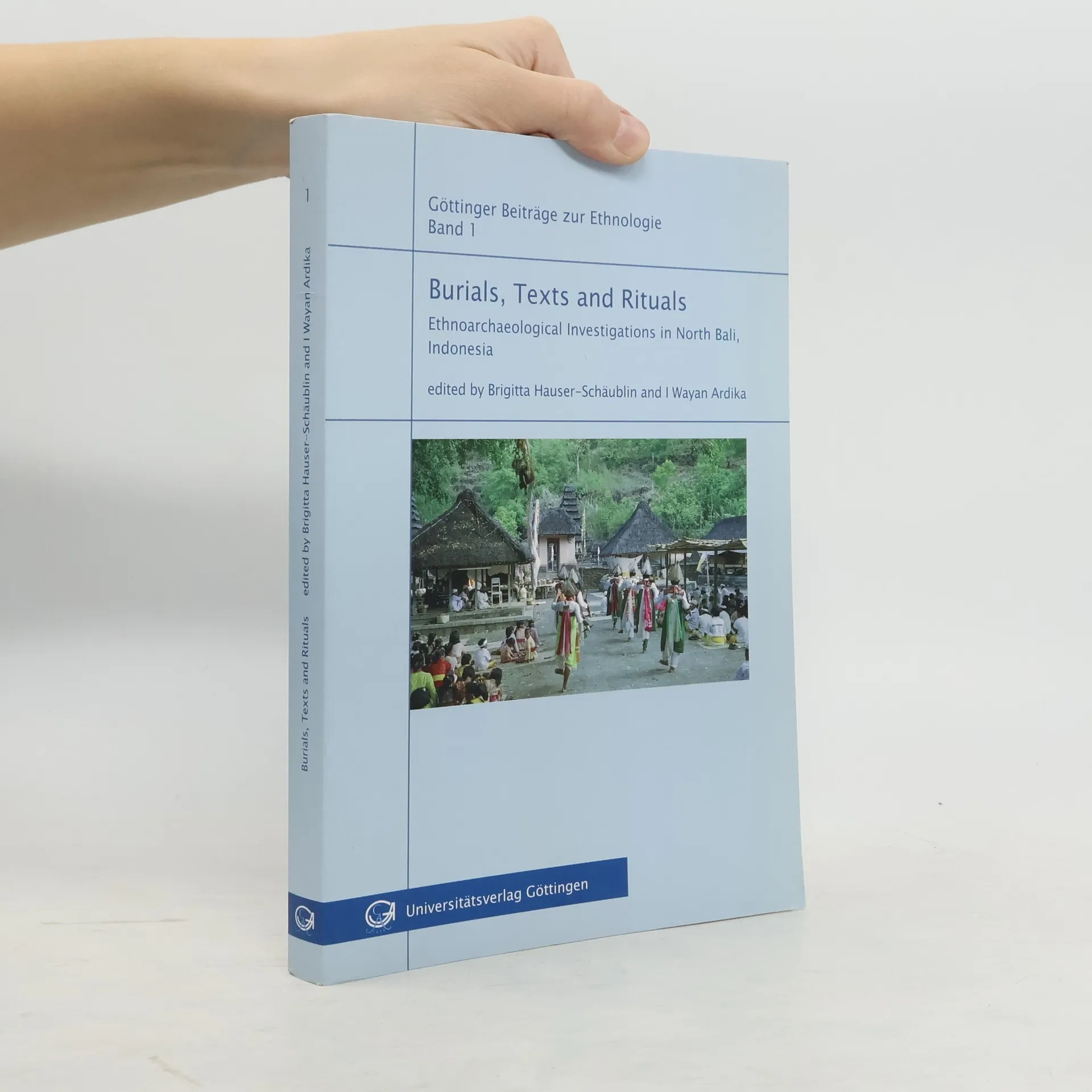
Burials, texts and rituals
- 298 Seiten
- 11 Lesestunden
The villages on Bali’s north-east coast have a long history. Archaeological finds have shown that the coastal settlements of Tejakula District enjoyed trading relations with India as long as 2000 years ago or more. Royal decrees dating from the 10th to the 12th century, inscribed on copper tablets and still preserved in the local villages as part of their religious heritage, bear witness to the fact that, over a period of over 1000 years, these played a major role as harbour and trading centres in the transmaritime trade between India and (probably) the Spice Islands. At the same time the inscriptions attest to the complexity in those days of Balinese society, with a hierarchical social organisation headed by a king who resided in the interior – precisely where, nobody knows. The interior was connected to the prosperous coastal settlements through a network of trade and ritual. The questions that faced the German-Balinese research team were first: Was there anything left over of this evidently glorious past? And second: Would our professional anthropological and archaeological research work be able to throw any more light on the vibrant past of these villages? This book is an attempt to answer both these and further questions on Bali’s coastal settlements, their history and culture.
Traces of gods and men
- 330 Seiten
- 12 Lesestunden