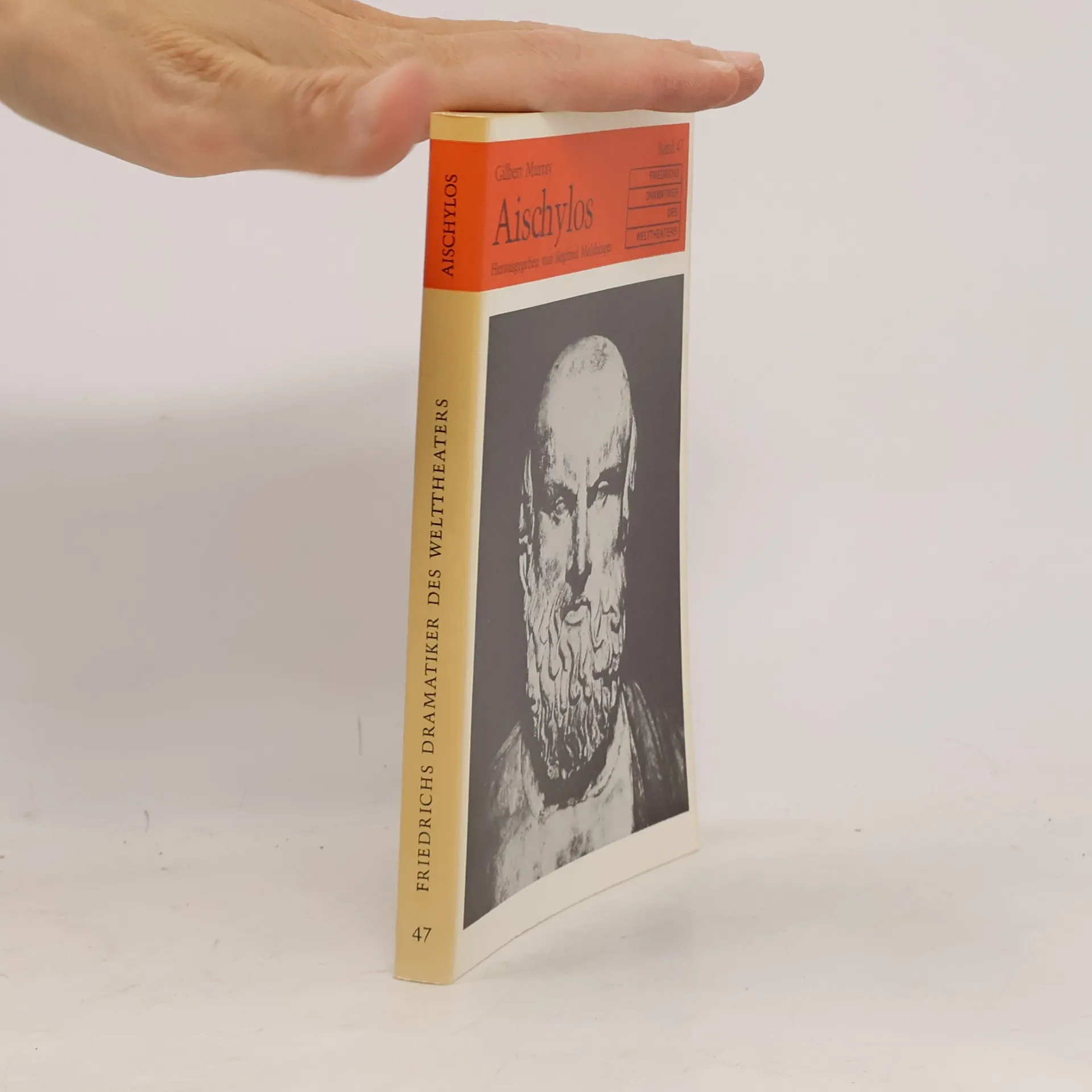
Aischylos
Friedrichs Dramatiker des Welttheaters






Friedrichs Dramatiker des Welttheaters
Set in ancient times, this play explores themes of love, loss, and loyalty through the character of Andromache, who grapples with her grief after the fall of Troy. The narrative unfolds in three acts, delving into her relationships with other characters, including her captor and her son. The tension between personal desire and duty drives the plot, highlighting the emotional turmoil of those affected by war. Rich in dramatic conflict, the play offers a poignant reflection on the human condition amidst the backdrop of tragedy.
Der Gott Dionysos kommt mit der Schar seiner Anhängerinnen, den Bakchen, aus dem fernen Kleinasien, um der mittelgriechischen Stadt Theben seine Göttlichkeit zu beweisen.
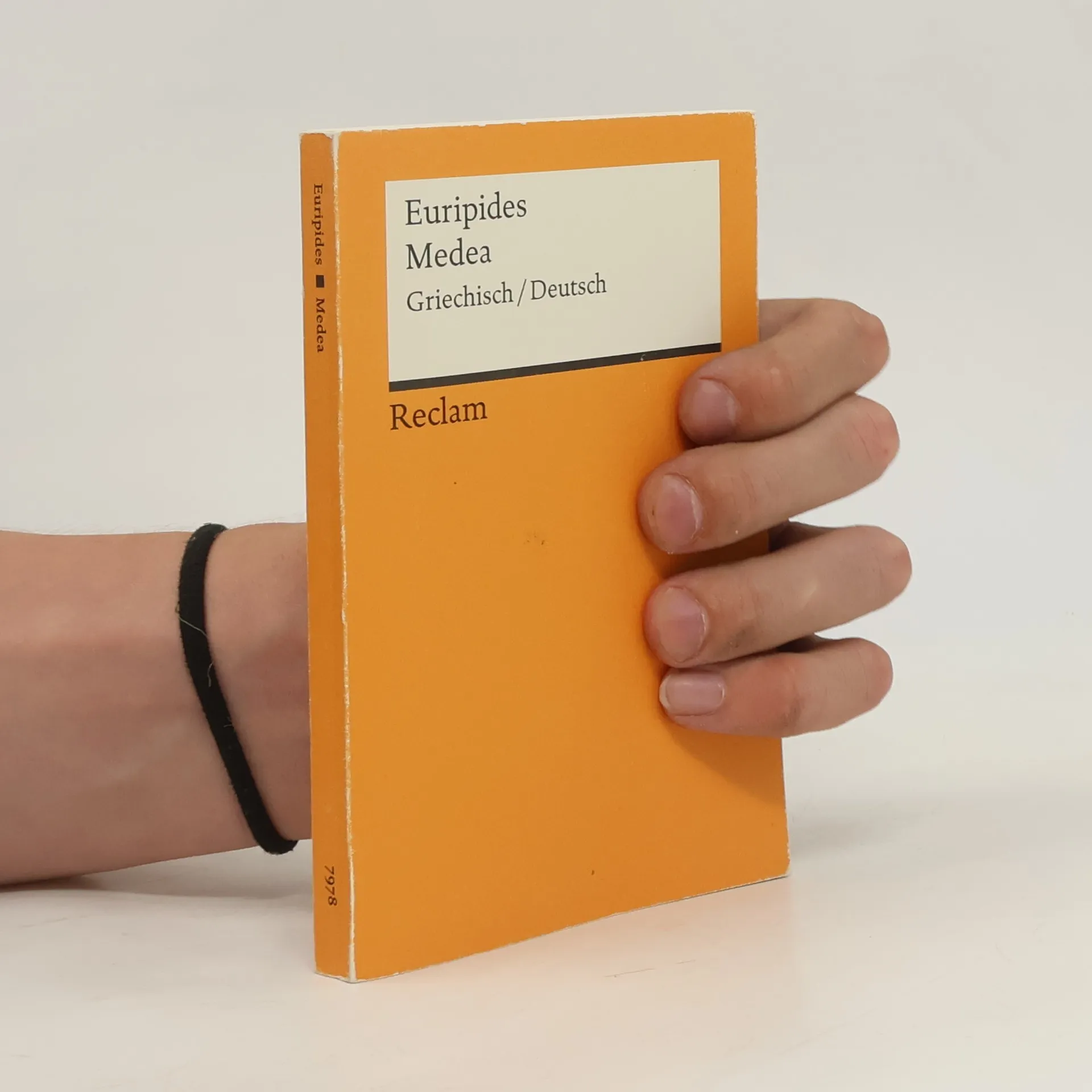
Kaum eine Frauengestalt des antiken Mythos ist bis heute so lebendig wie die der Medea. Der Stoff von der Frau, die in ihrem Rachebedürfnis zum Äußersten geht, ist seit der Antike zahllose Male aufgegriffen und bearbeitet worden. Am Anfang dieser unvergleichlichen Rezeptionskette steht Euripides Drama, das im Jahre 431 v. Chr. erstmals aufgeführt wurde und für uns die älteste erhaltene Fassung der Geschichte darstellt – ein unausweichliches Stück Literatur für alle, die sich mit der Medea-Gestalt auseinandersetzen.
The authoritative translation by scholar Gilbert Murray enhances the accessibility of Euripides' Bacchae, facilitating a deeper understanding of this classic work. The edition is designed for ease of interpretation, making it suitable for both new readers and those familiar with the text.
Focusing on themes of female agency, this rendition of the classic Greek tragedy explores deep emotions like betrayal and desperation, culminating in a chilling quest for revenge. Augusta Webster's lyrical translation revitalizes Medea's powerful narrative, highlighting her complex character and the intense moral dilemmas she faces.
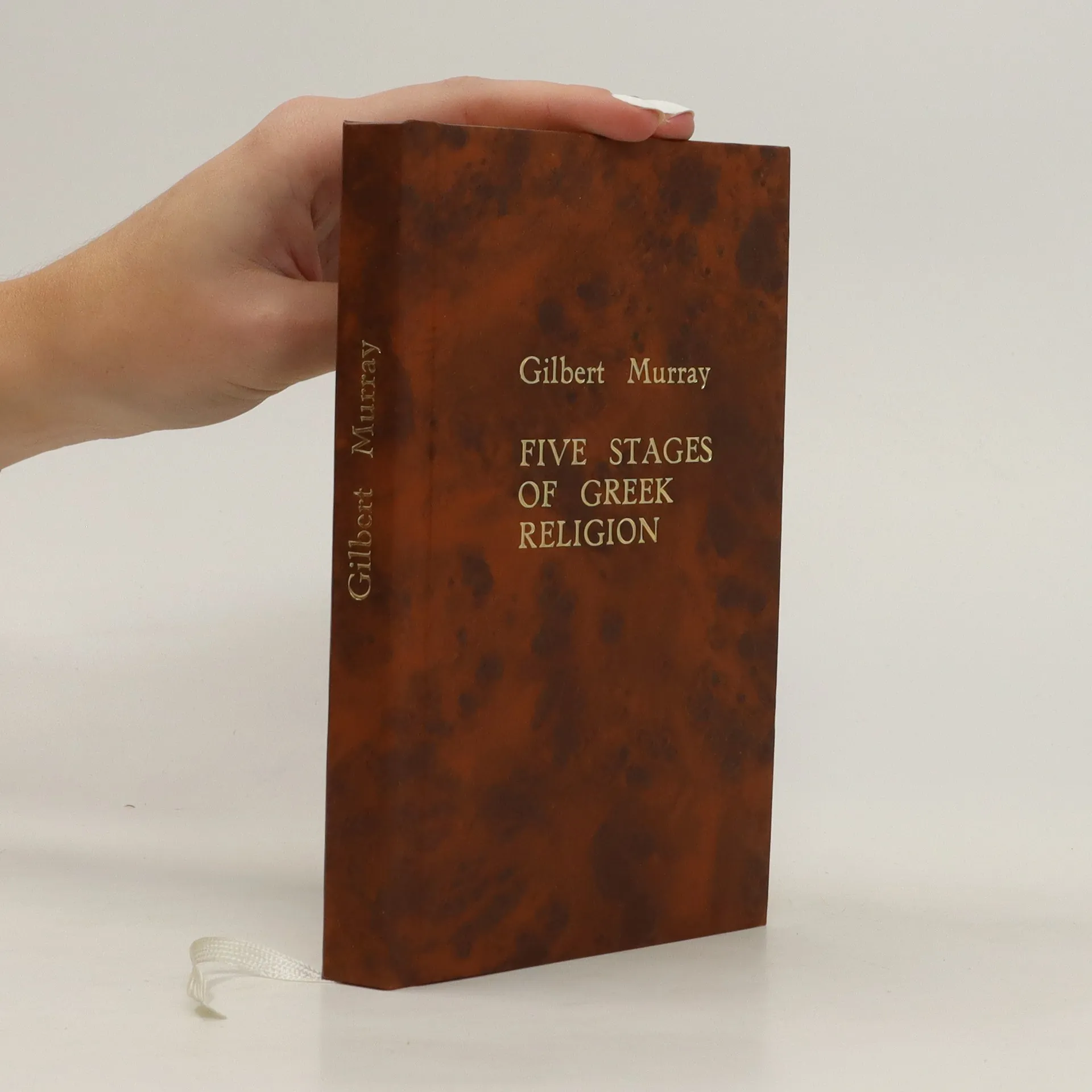
This collection features literary and philosophical essays that delve into the decline of the Athenian empire and the emergence of Christianity, examining the interplay between Paganism and religious philosophy during Christ's time. Gilbert Murray articulates his strong ethical beliefs and skepticism towards revelational religions, emphasizing the foundational role of Greek civilization in shaping modern society. Additionally, the essays include a thought-provoking analysis of societal order and the motivations behind those who challenge it.
Exploring the intricacies of poetry, this collection delves into Aristotle's classification of poetic forms, including drama, comedy, and epic. It highlights the concept of mimesis, or life's imitation, while emphasizing the distinct characteristics of each genre. The author examines Aristotle's insights on tragedy, which seeks to portray individuals as nobler than reality, and outlines the six essential elements of tragedy: plot, character, phrasing, thought, exhibition, and song. This work serves as both a poetic anthology and a philosophical study of artistic expression.