

A “witty and wise” (People) debut novel about love and commitment, celebrity and obsession, poetry and reality TV. “Palmer’s novel wryly tracks an earnest interrogation of art and selfhood.”—The New Yorker Reeling from a breakup with his almost fiancée, the narrator of Andrew Palmer’s debut novel returns to his hometown in Iowa to house-sit for a family friend. There, a chance flick of the TV remote and a new correspondence with an old friend plunge him into unlikely twin obsessions: the reality show The Bachelor and the Pulitzer Prize–winning poet John Berryman. As his heart begins to mend, his fascination with each deepens, and somewhere along the way, representations of reality become harder and harder to distinguish from real life. Soon he finds himself corresponding with multiple love interests, participating in an ill-considered group outing, and trying to puzzle through the strange turn his life seems to have taken. An absorbing coming-of-age tale “that marks the debut of a significant talent” (Kirkus Reviews, starred), The Bachelor approaches—with wit and grace—the high-stakes questions of an overconnected world: If salvation can no longer be found in fame, can it still be found in romantic relationships? In an era of reality TV, where does entertainment end and reality begin? And why do we, season after season, repeat the same mistakes in love and life?
Andrew Palmer Bücher
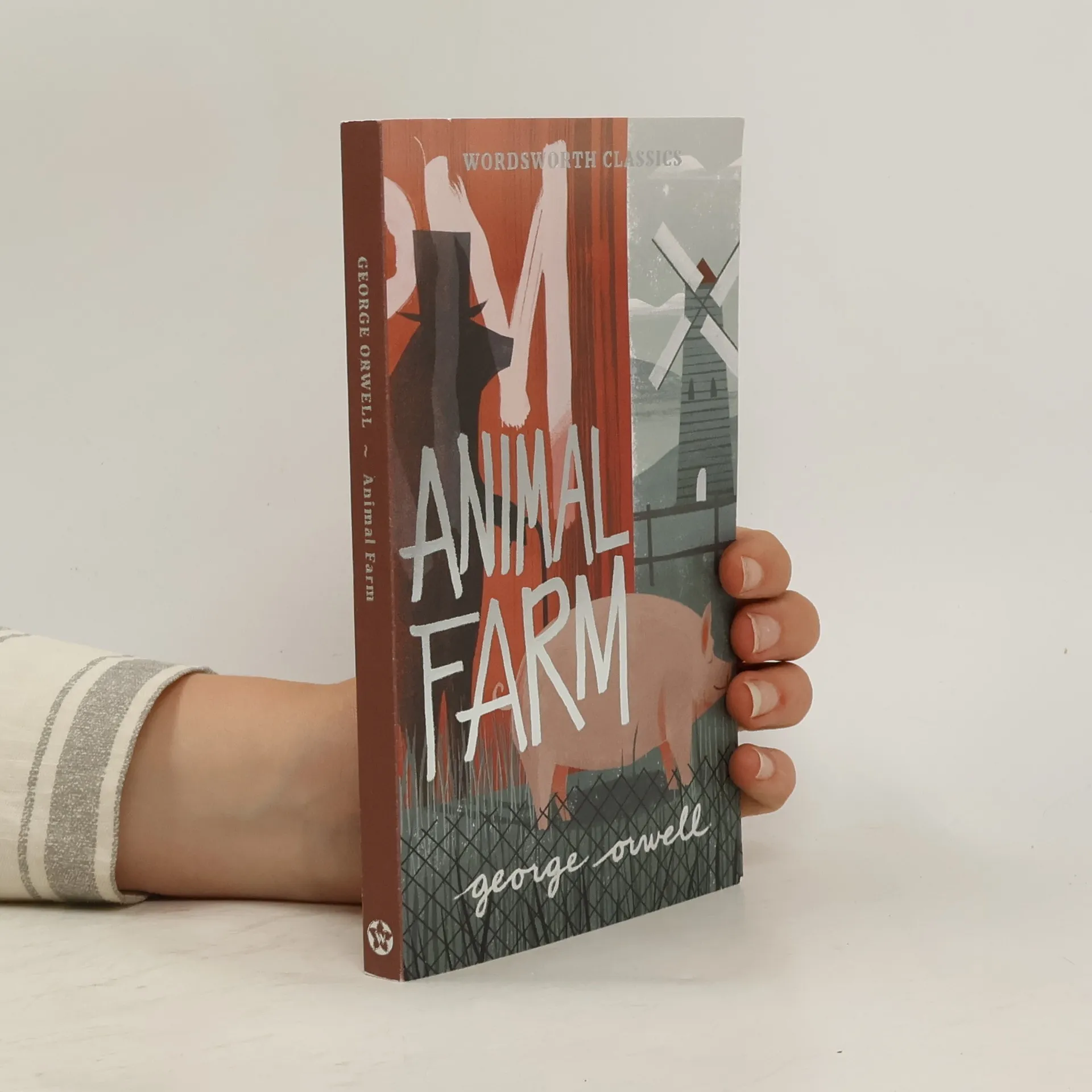

Animal farm and selected essays
- 256 Seiten
- 9 Lesestunden
In 1943, the need for a critique of Stalin's regime became urgent as the Soviet Union allied with Britain against Nazi Germany, leading to censorship and a reluctance among leftist intellectuals to acknowledge the brutal realities of Stalin's rule. Orwell, viewing Stalin as a "disgusting murderer," sought to convey this truth powerfully. He realized that a political essay wouldn't reach a broad audience, and a traditional novel would take too long to write. Instead, he creatively combined the moralism of a "beast fable" with the satire found in Gulliver's Travels. The story features farm animals, led by pigs, who overthrow their human masters, aiming for a utopian society. However, under Napoleon the pig's leadership, their ideals are quickly corrupted, resulting in a new tyranny. Although Orwell faced initial rejection from publishers, the book was finally published in August 1945, after the war ended. It quickly became a seminal text during the emerging "cold war," a term coined by Orwell, and has since been subjected to various attempts to alter its meaning. Today, it serves as a timeless fable about tyranny and corruption. This edition also includes essays on topics such as totalitarianism, art, and the role of the writer.