Obdarzony nadzwyczajnym słuchem Henry Green jest niezrównanym choreografem języka potocznego. „Pochwyceni” – powieść opublikowana po raz pierwszy w 1943 roku – czerpie pełnymi garściami z biografii autora. Green służył w ochotniczej straży pożarnej w czasie, kiedy Wielka Brytania przygotowywała się do wojny, pobierał żołd w wysokości sześćdziesięciu siedmiu szylingów tygodniowo i jak wszyscy wokół miesiącami czekał w napięciu na bombardowanie Londynu. Narrację „Pochwyconych” organizuje stan zawieszenia: między wojennym poruszeniem i miłosnym splątaniem, poczuciem kurczącego się czasu i jego nadmiaru, pamięcią i niepamięcią. Na pierwszy plan wysuwają się tu relacje międzyludzkie, antagonizmy społeczne oraz osobiste traumy bohaterek oraz bohaterów książki, w tym Richarda Roego – strażaka, męża, ojca, kochanka – alter ego autora. Pochwyceni to dopiero druga powieść Greena, która w całości ukazuje się po polsku. Jego niezwykły, pełen potocyzmów, na poły realistyczny, na poły eksperymentatorski styl stanowi nie lada wyzwanie dla tłumacza. Dzięki świetnemu przekładowi Marcina Szustra, „ostatni czarodziej języka angielskiego”, jak James Wood nazwał Greena, również w polszczyźnie fascynuje i uwodzi. O autorze Henry Green (1905–1973) to jeden z najciekawszych angielskich powieściopisarzy modernistycznych, którego twórczość pozostaje niestety w Polsce mało znana. Do tej pory w polskim przekładzie ukazała się jedynie głośna powieść „Loving” („Kochając”) w przekładzie Andrzeja Sosnowskiego (Biuro Literackie, 2015). Wystan Hugh Auden nazwał Greena „najlepszym żyjącym powieściopisarzem angielskim”, a Eudora Welty była zdania, że Green posiada „najbardziej interesującą i żywą wyobraźnię, jaką można znaleźć w dzisiejszej literaturze angielskiej”. Proza Greena aż kipi od językowych eksperymentów, wywołując w czytelniku – jak ujęła to Lyndsey Stonebridge, pisząc o powieści „Caught” („Pochwyceni”) – „coś w rodzaju obrazowego zawrotu głowy”.
Henry Green Reihenfolge der Bücher
Henry Green, das Pseudonym von Henry Vincent Yorke, war ein Romanautor, der für seine exquisite Darstellung sozialer Nuancen und zwischenmenschlicher Dynamiken gefeiert wurde. Sein Werk zeichnet sich durch tiefe psychologische Einblicke in Charaktere und eine scharfe Beobachtung des Alltags aus. Green schöpfte oft aus seinen Erfahrungen in industriellen Umgebungen und seinem persönlichen Leben, die er meisterhaft in seine Fiktion übersetzte. Sein unverwechselbarer Stil, oft durchdrungen von subtilem Humor und Ironie, offenbart dem Leser die verborgenen Motivationen und Gefühle seiner Charaktere.


- 2023
- 2022
The book delves into the experiences of nearly a million Jews who became refugees after the establishment of Israel, highlighting their struggles against state-sanctioned discrimination and violence in the Middle East and North Africa. Through powerful personal testimonies and evocative photography, it recounts harrowing events like the Farhud in Iraq and community exoduses. The authors provide essential historical context and follow the journeys of some survivors who have rebuilt their lives in cities like London and New York, creating a poignant narrative of resilience amidst loss.
- 2021
Andrea Alciati and His Books of Emblems: a Biographical and Bibliographical Study
- 372 Seiten
- 14 Lesestunden

- 2020
Surviving: Stories, Essays, Interviews
- 328 Seiten
- 12 Lesestunden
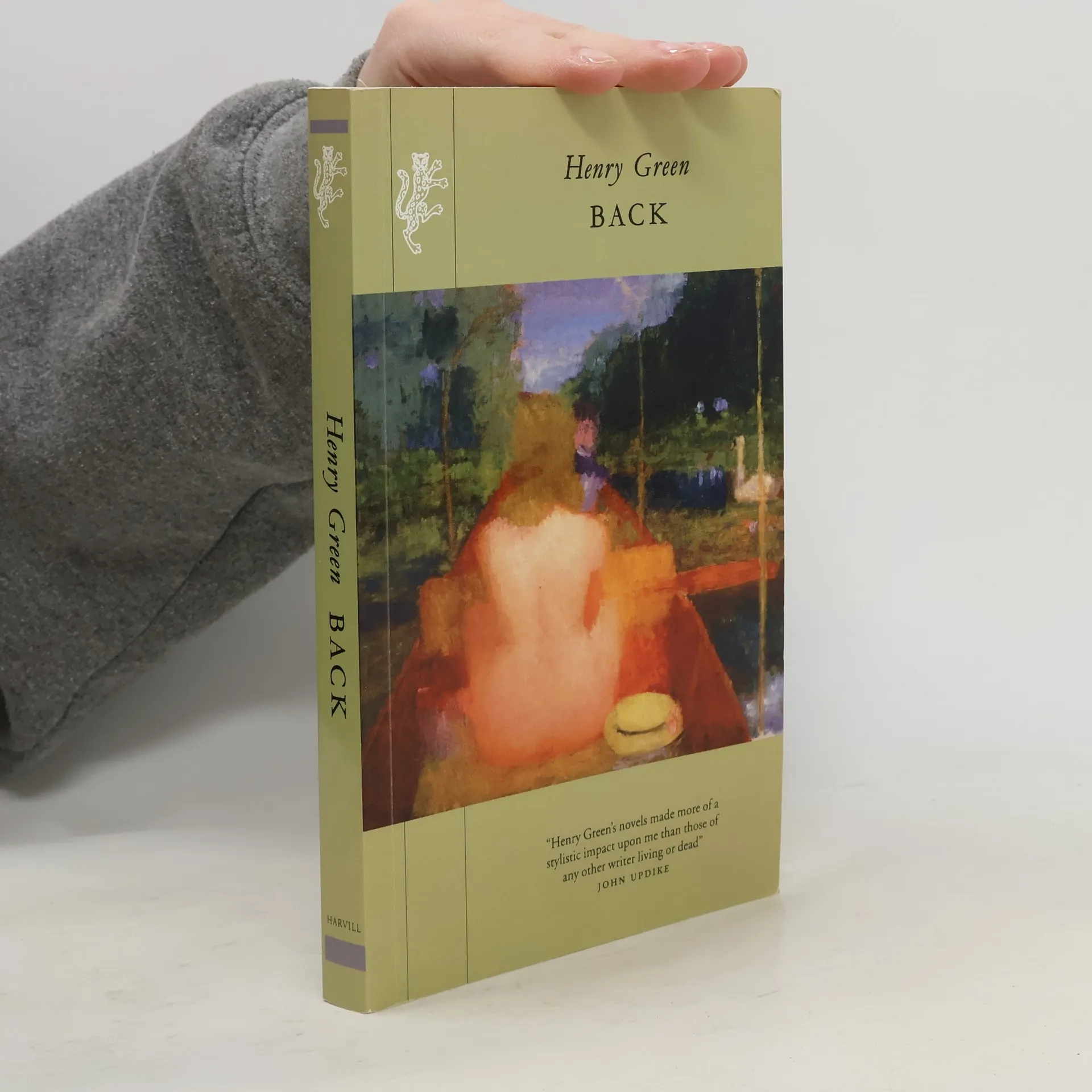
Highlighting the unique literary contributions of Henry Green, this collection showcases a variety of his writings, including previously unpublished stories from the 1920s and 1930s, an account of his experiences in the London Fire Brigade during the Blitz, and a short play. It also features insightful journalism and a humorous interview by Terry Southern. Edited by Green's grandson, Matthew Yorke, the volume includes an Introduction by John Updike and a biographical memoir by Sebastian Yorke, offering a comprehensive look at Green's overlooked genius.
- 2017
Party Going
- 192 Seiten
- 7 Lesestunden
A modernist "masterpiece" (The New York Times) that will appeal to fans of Downton Abbey and The Great Gatsby Party Going, published in 1939, is Henry Green’s darkly comic valediction to what W. H. Auden famously described as the “low dishonest decade” of the 1930s. London is sunk in an impenetrable fog. Traffic has come to a halt. Stranded in the train station and the hotel connected to it are a group of bright young things waiting to catch a train to the Continent, where their enormously rich friend Max is throwing a party. Green’s characters worry and wonder and wander in and out of each other’s company (and arms and beds), in pursuit of and pursued by their own secrets and desires.
- 2009
Andrea Alciati And His Books Of Emblems
A Biographical And Bibliographical (1872)
- 368 Seiten
- 13 Lesestunden
Focusing on the life and contributions of Andrea Alciati, this work offers an in-depth exploration of his role as a jurist and humanist during the Renaissance. Henry Green meticulously details Alciati's education, legal career, and significant influence on the emblem genre, highlighting his popular emblem books. The study also contextualizes Alciati's work within the cultural movements of humanism and the Reformation. With bibliographical insights and engaging prose, it serves as a vital resource for scholars and enthusiasts of Renaissance literature and art.
- 2008
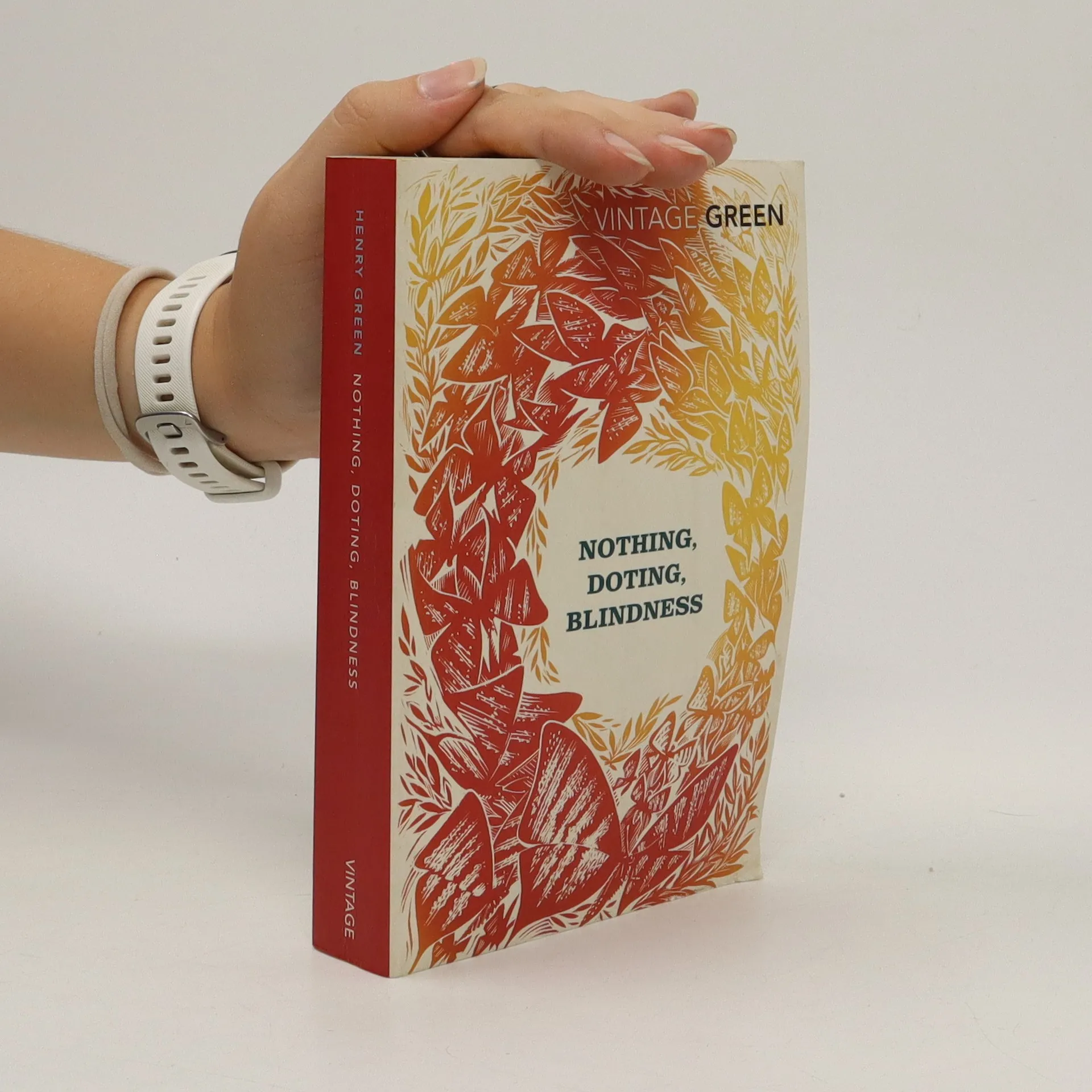
TAYLORThese three brilliant novels span Henry Green's career as a novelist and display his unique talents as a writer. In Blindness, Green's first novel, a young man is blinded in a senseless accident but thereafter discovers new imaginative powers.
- 2000
Loving
- 206 Seiten
- 8 Lesestunden
Describes life above and below stairs in an Irish country house during the Second World War. In the absence of their employers, the Tennants, the servants enact their own battles and conflict amid rumours about the war in Europe.
- 1997
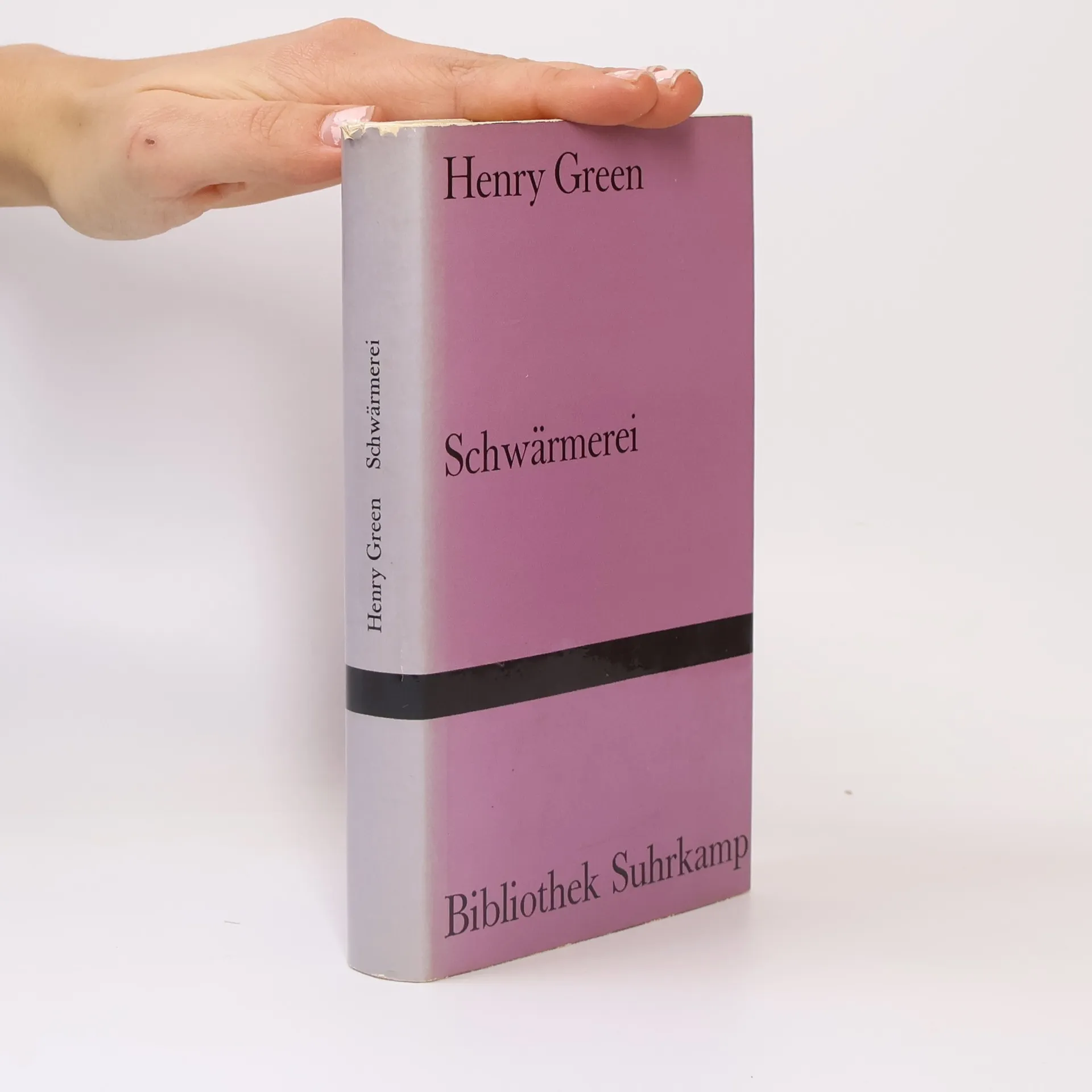
Leben
- 350 Seiten
- 13 Lesestunden
- 1978
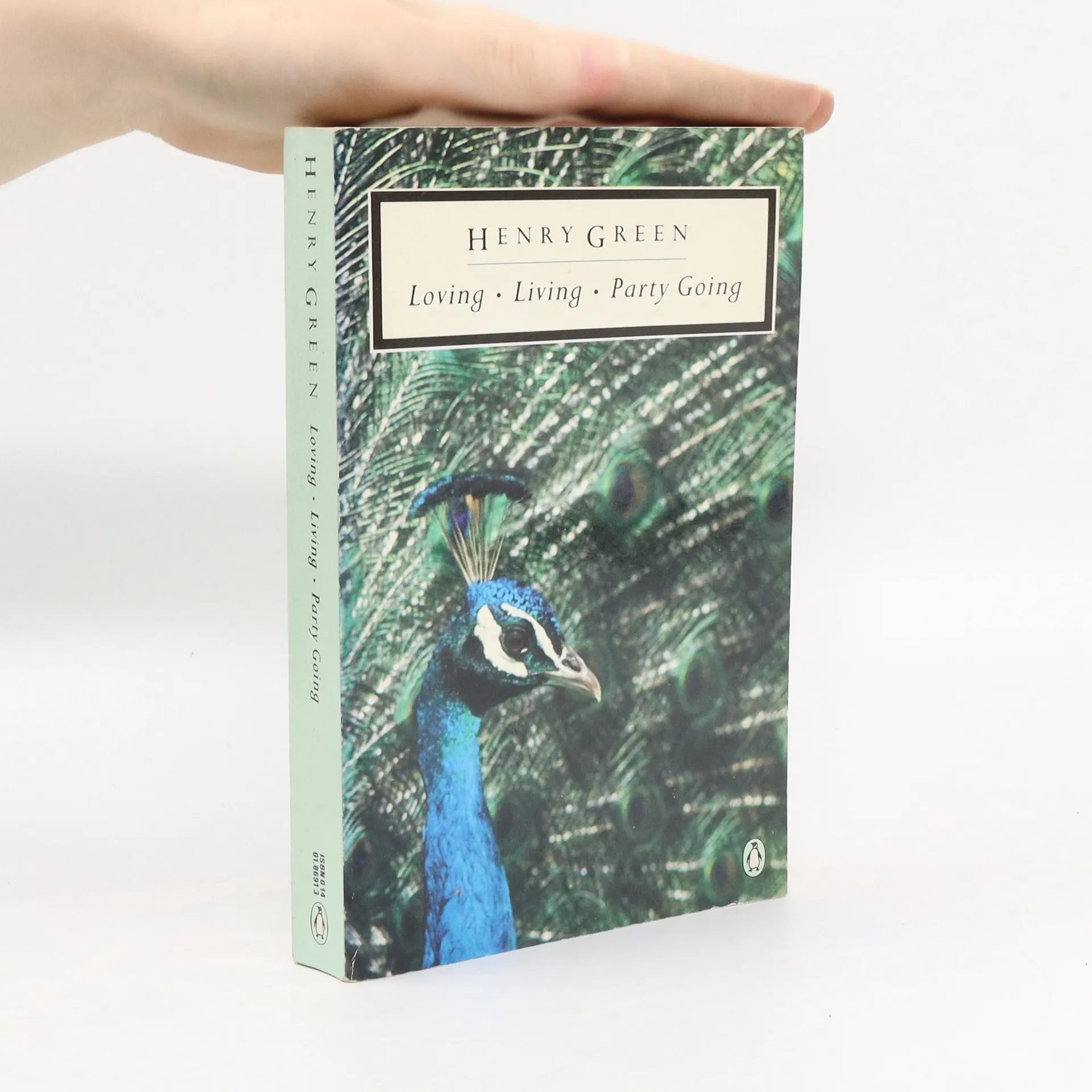
Loving ; Living ; Party Going
- 528 Seiten
- 19 Lesestunden
Henry Green explored class distinctions through the medium of love. This volume brings together three of his novels contrasting the lives of servants and masters (Loving); workers and owners, set in a Birmingham iron foundry (Living); and the different lives of the wealthy and the ordinary, (Party Going).