Voraussicht und Verstehen
Ein Versuch über die Ziele der Wissenschaft


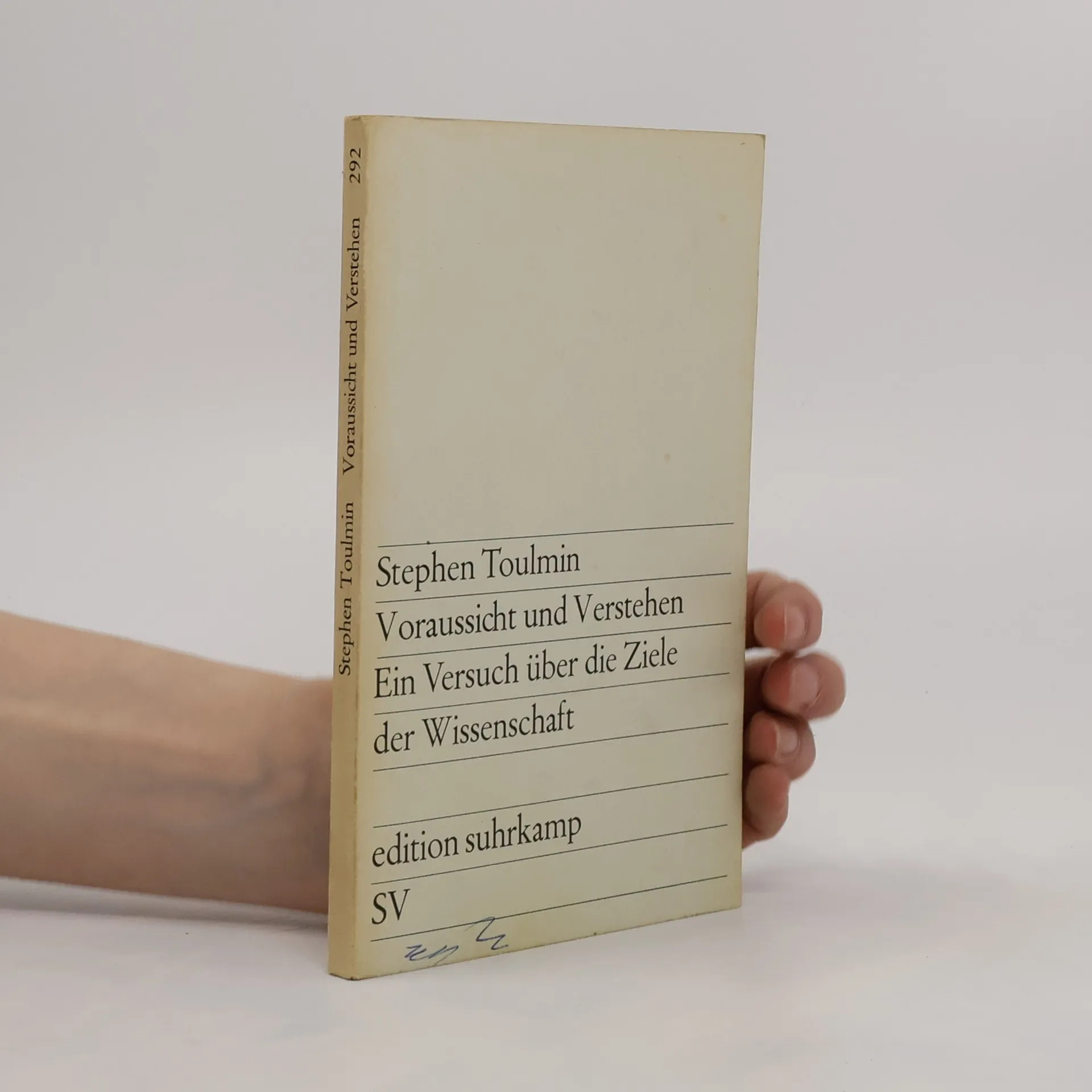
Ein Versuch über die Ziele der Wissenschaft
Die zentrale These der Kritik der kollektiven Vernunft – nämlich: in der Wissenschaft wie in der Philosophie hat die ausschließliche Beschäftigung mit logischer Systematizität verheerende Folgen für historisches Verstehen und rationale Kritik gezeitigt - ist im Kern bereits in Toulmins 1958 erschienenem Buch The Uses of Argument enthalten. Toulmins seitherige Studien, vor allem über die Entwicklung des wissenschaftlichen Denkens, lassen die Entfaltung dieser These zu einem neuen epistemischen Selbstporträt werden. Das heißt: so wie Plato, Descartes, Locke oder Kant die Fragen, Konzepte und Gemeinplätze ihrer Zeit in ihre Philosophie integrier haben, so versucht Toulmin auf der Grundlage des heute erreichten Standes der Wissenschaften die Fähigkeiten, Prozesse und Aktivitäten neu zu erklären, kraft derer der Mensch die Natur erkennt und umgekehrt die Natur für den Menschen erkennbar wird.
Im siebzehnten Jahrhundert entstand eine Vision, die die westliche Vorstellungskraft für die nächsten dreihundert Jahre fesseln sollte: die Vision von Cosmopolis, einer Gesellschaft, die so rational geordnet ist wie die newtonsche Sicht der Natur. Während diese Vision außergewöhnliche Fortschritte in allen Bereichen menschlichen Schaffens förderte, perpetuierte sie eine verborgene, aber hartnäckige Agenda: die Illusion, dass die menschliche Natur und Gesellschaft in präzise und handhabbare rationale Kategorien gefasst werden könnten. Stephen Toulmin konfrontiert diese Agenda – ihre Illusionen und ihre Konsequenzen für unsere gegenwärtige und zukünftige Welt. Indem er zeigt, wie unterschiedlich die letzten drei Jahrhunderte verlaufen wären, wenn Montaigne anstelle von Descartes als Ausgangspunkt genommen worden wäre, hilft Toulmin, die Illusion zu zerstören, dass die kartesianische Suche nach Gewissheit dem Wesen von Wissenschaft oder Philosophie innewohnt. Toulmin hat sich einem seiner ambitioniertesten Themen gewidmet: den Ursprüngen und Perspektiven unserer modern geprägten Welt. Durch die Kartierung der Evolution der Moderne hofft er, uns aufzuzeigen, welche intellektuelle Haltung wir einnehmen sollten, während wir uns dem kommenden Jahrtausend stellen.
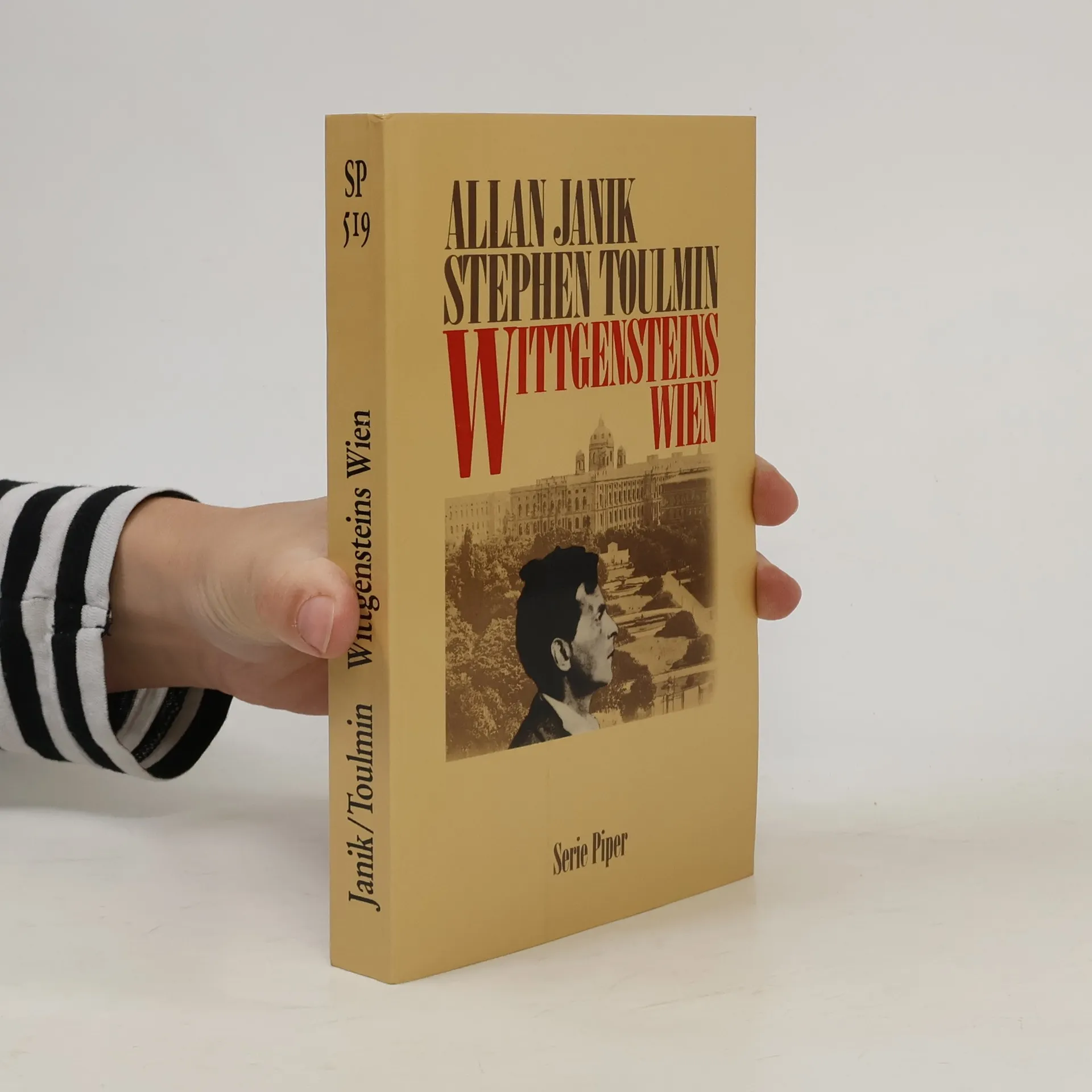
Mit diesem kulturgeschichtlichen Reiseführer können Leser auf den Spuren Wittgensteins die Stadt Wien erkunden. Das Buch gibt interessante und unterhaltsame Einblicke in das Leben und die Arbeit Ludwig Wittgensteins. Die empfohlenen Routen für Spaziergänge lassen die Schauplätze seines Lebens lebendig werden und machen die Beziehung zu seiner Familie und zu Freunden transparent. Die Autoren sind nicht nur profunde Kenner der Wittgensteinschen Philosophie, sondern auch der Wiener Alltags- und Kaffeehauskultur. TOC: Das Haus des Vaters.- Dichter und Denker.- Mächtige Mythologie.- Miethaus mit Familienanschluß.- Mäzene der Wissenschaft.- Secession und Tradition.- Traum und Wirklichkeit.- Prophet zwischen den Stühlen.- Café als Weltanschauung.- Wörterbuch diktiert.- Philosoph unter dem Hammer.- Protestantische Ethik.- Ende einer Freundschaft.- „. um Lehrer zu werden“.- Die letzte Reise.- Stampfende Hufe.- Entscheidender Einfluß.- Vom Sterben der höheren Classen.- Das Geburtshaus.- Engelmann & Wittgenstein, Architekten.- Musils Nachbar.- Ontologische Differenz.- Vermischte Bemerkungen.- Gründerzeitgroßväter.- Zwischen Hoffmann und Hofmannsthal.- Gaulschreck.- Weiningers wohlhabender Verleger.- Der Weg zum Pavillon Ludwig.- „Bei Frau Sjörgen“.- Ursache und Wirkung.- Verein Ernst Mach.
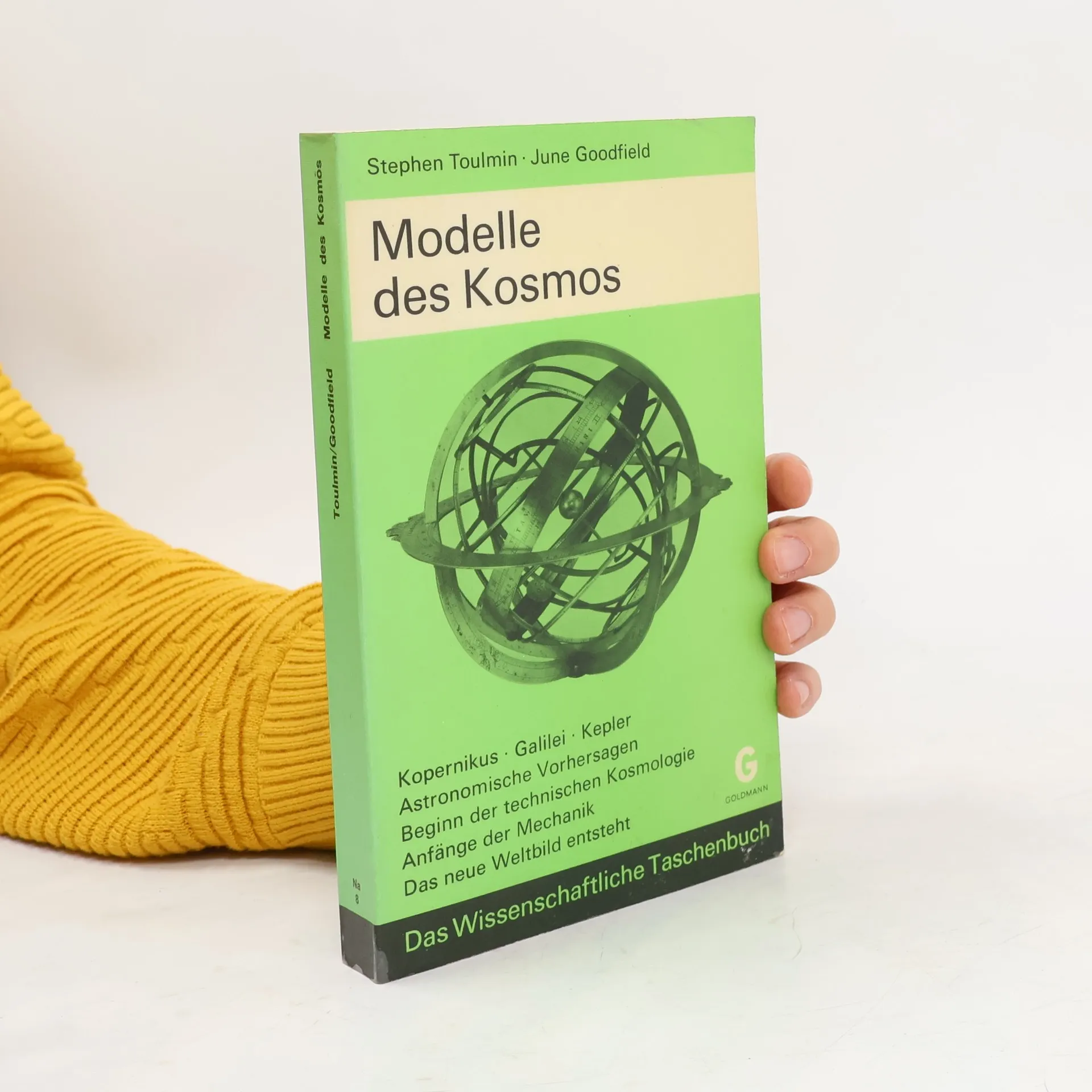
One of three companion volumes that form an introduction to the central ideas of the modern natural sciences, this book is a source for those who have no technical knowledge of the subject of astronomy and dynamics.
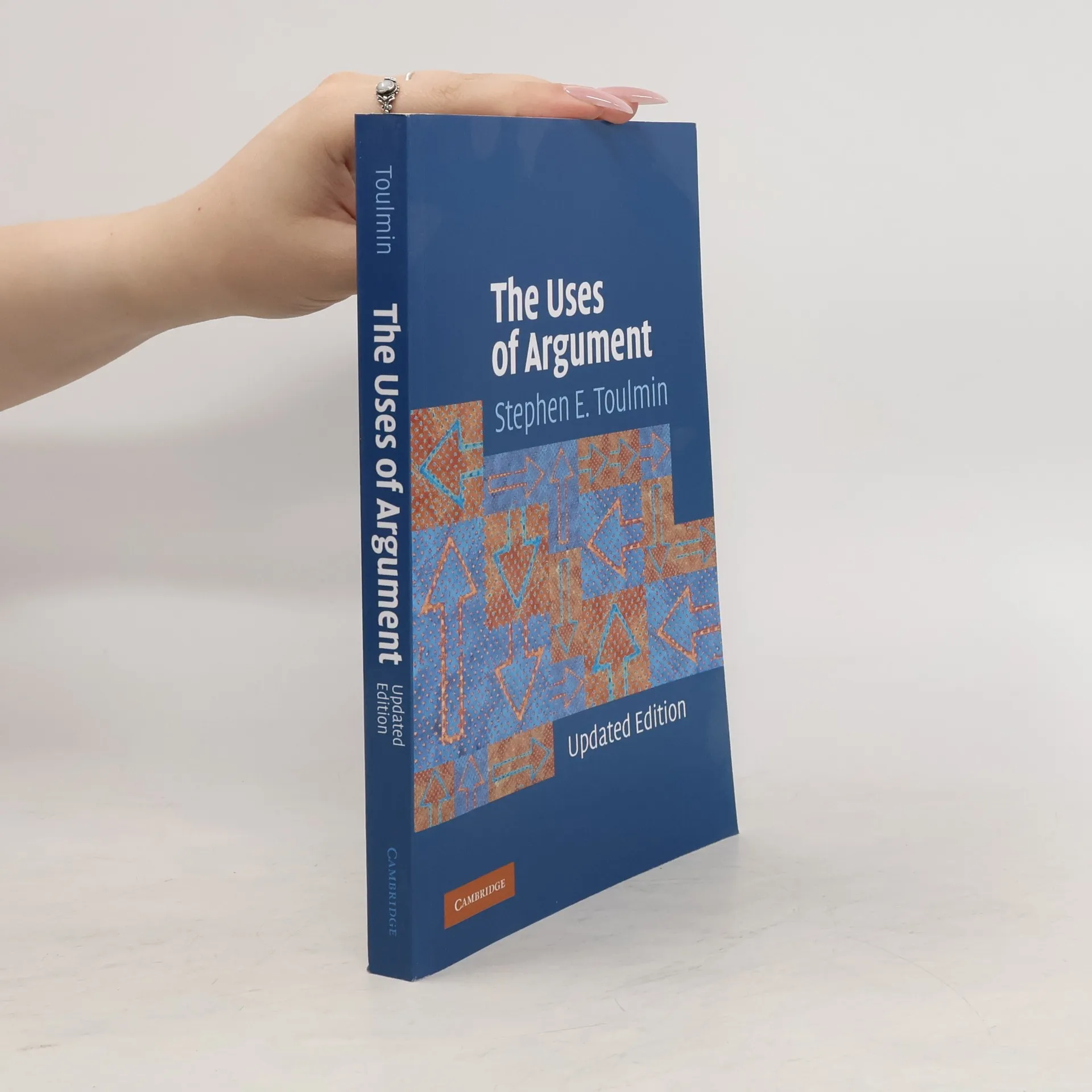
A central theme throughout the impressive series of philosophical books and articles Stephen Toulmin has published since 1948 is the way in which assertions and opinions concerning all sorts of topics, brought up in everyday life or in academic research, can be rationally justified. Is there one universal system of norms, by which all sorts of arguments in all sorts of fields must be judged, or must each sort of argument be judged according to its own norms? In The Uses of Argument (1958) Toulmin sets out his views on these questions for the first time. In spite of initial criticisms from logicians and fellow philosophers, The Uses of Argument has been an enduring source of inspiration and discussion to students of argumentation from all kinds of disciplinary background for more than forty years
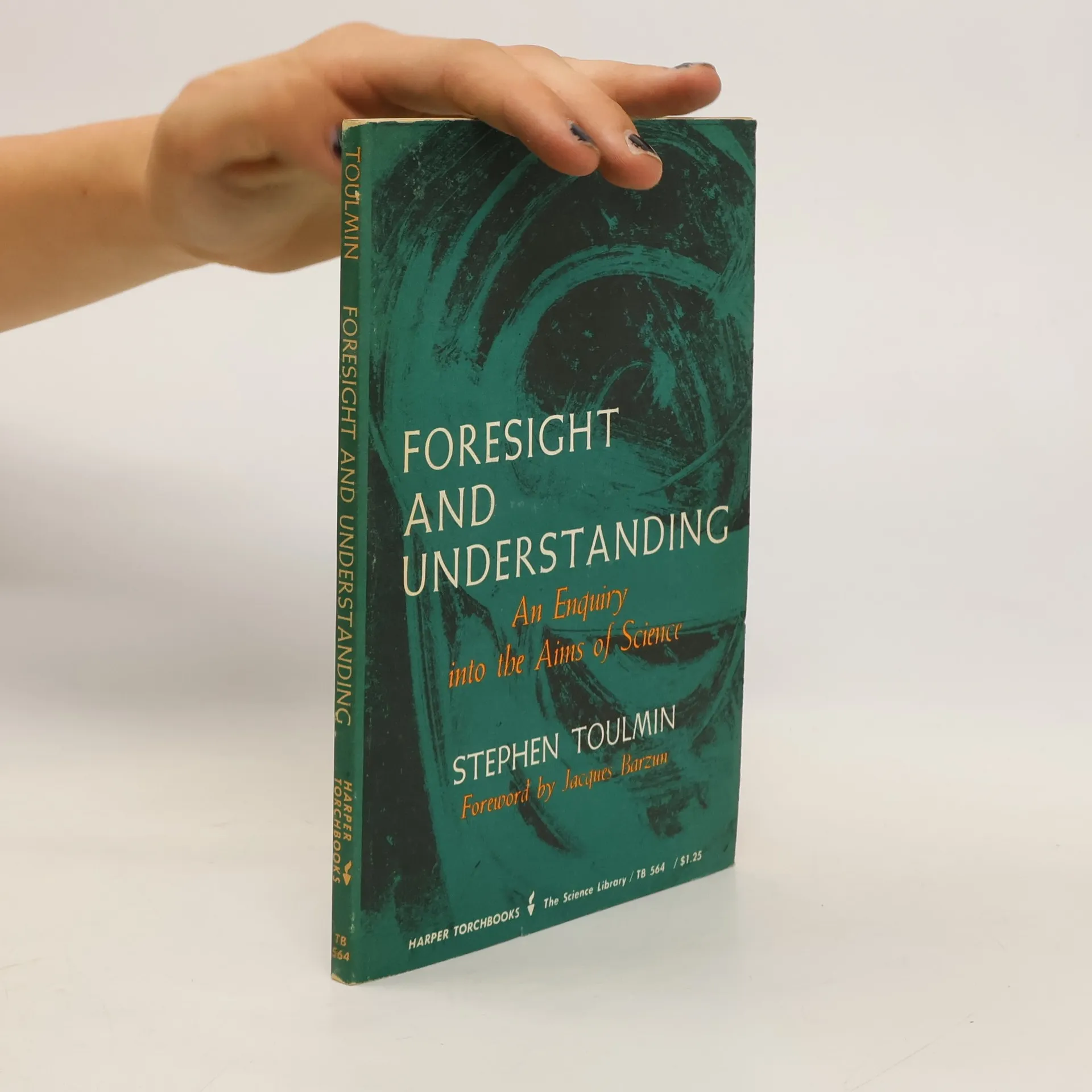
An Enquiry into the Aims of Science
Wim Kayzer ontmoet Oliver Sacks, Stephan Jay Gould, Stephen Toulmin, Daniel C. Dennett, Rupert Sheldrake en Freeman Dyson / druk 13
Wim Kayzer ontmoet Oliver Sacks, Stephen Jay Gould, Stephen Toulmin, Daniel C. Dennet, Rupert Sheldrake en Freeman Dyson.