
Gratis Versand ab € 9,99
Bookbot

Ronald Volstad

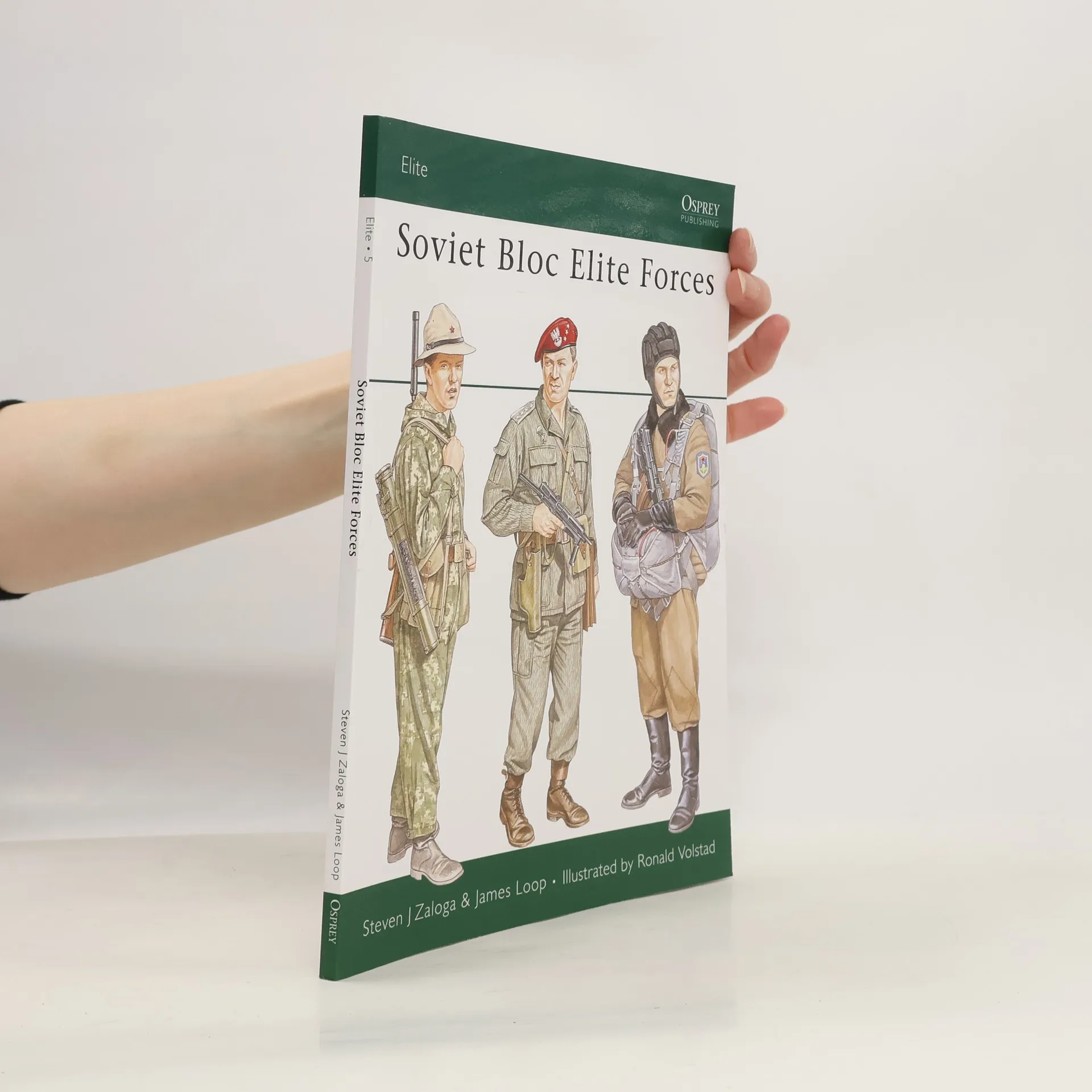
    Soviet Bloc Elite Forces
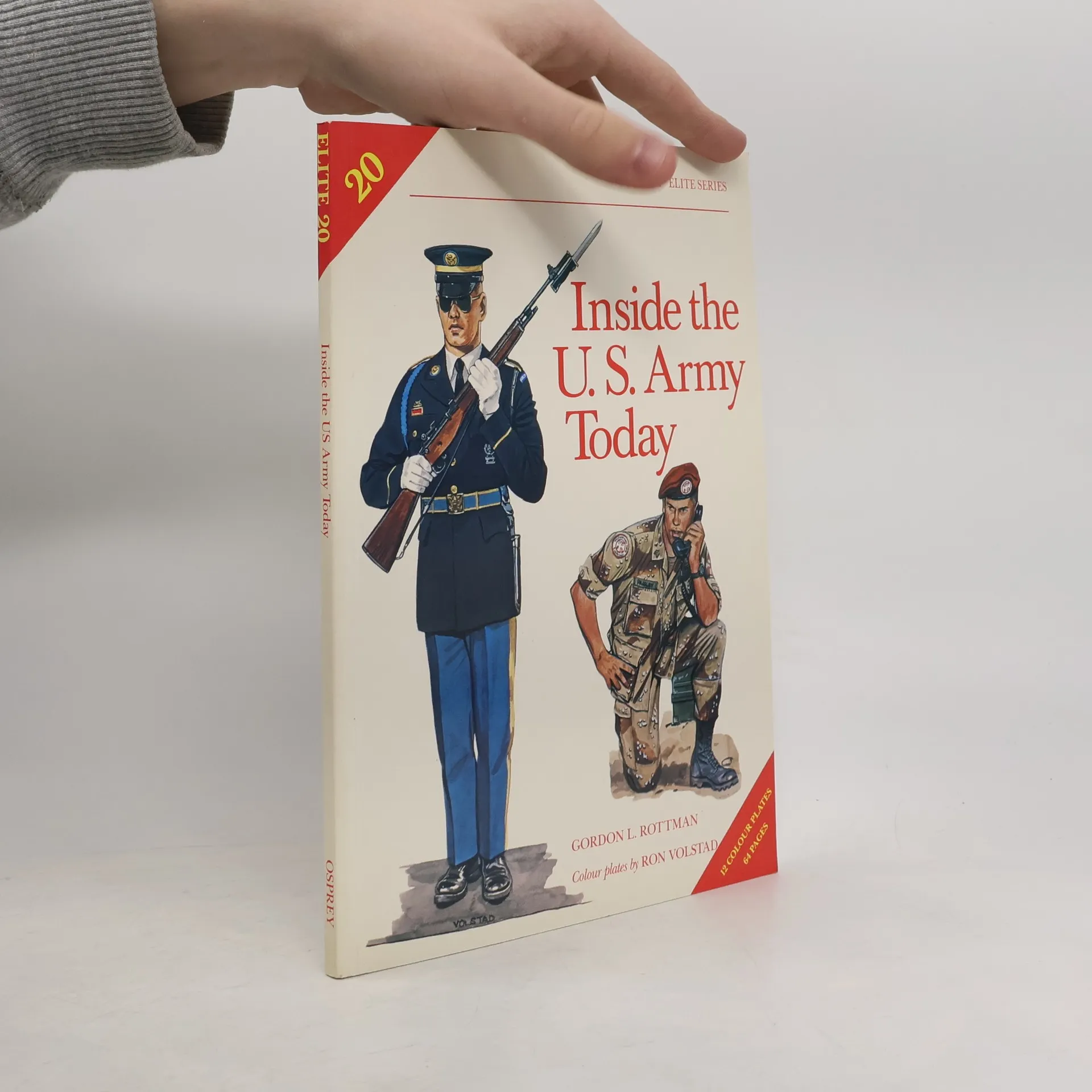
    Elite Series - 20: Inside the US Army
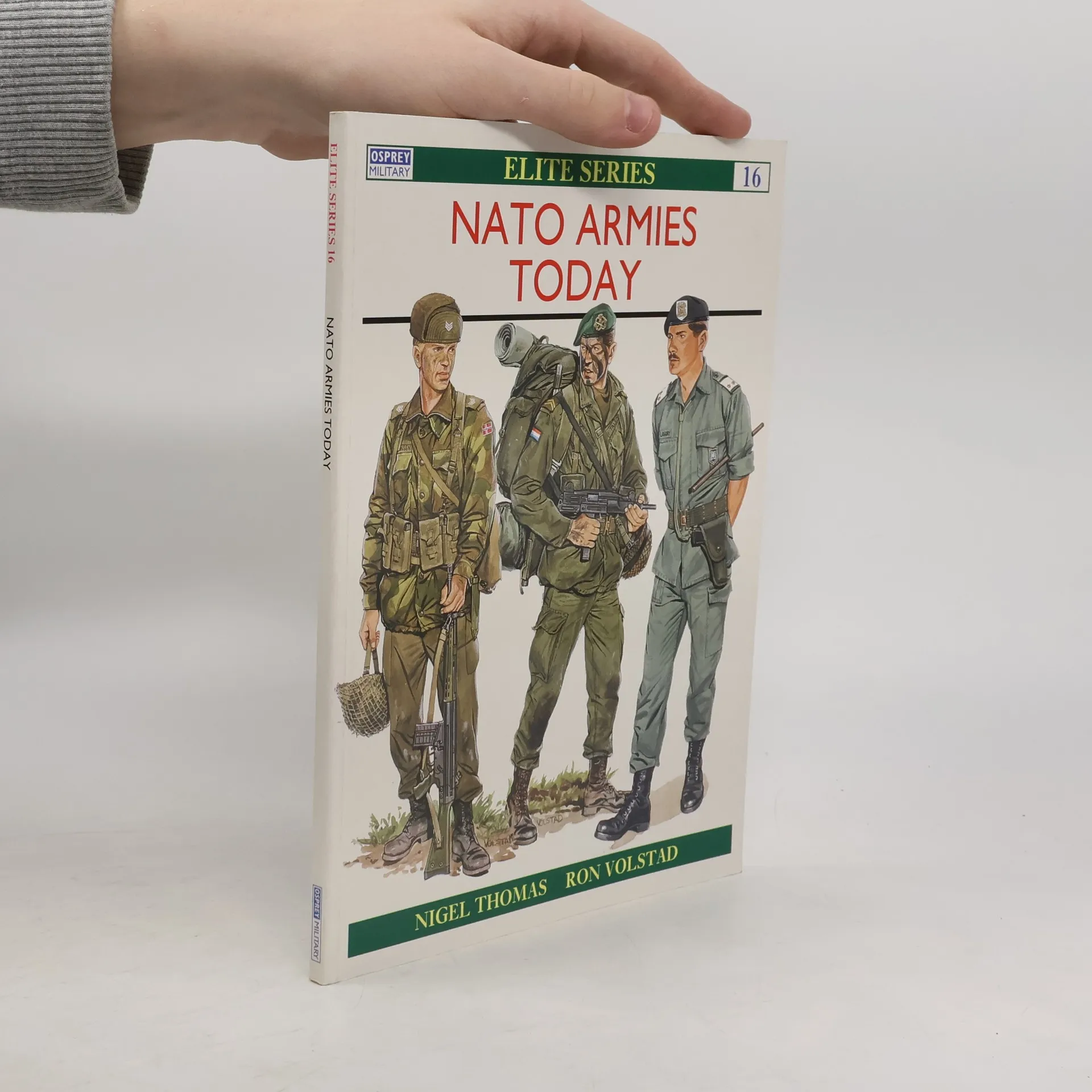
    Elite Series - 16: NATO Armies Today
    Stalingrad Inferno. The Infantryman's War
    Waffen SS in Combat (Warrior)
    Fallschirmjager. German Paratroopers from Glory to Defeat 1939-1945
    • Stalingrad Inferno is written by Gordon Rottman & Ronald Volstad and published by Concord Publications Company. The book is an illustrated history of the intense fighting in and around Stalingrad during World War II. The book includes narratives and black and white photos. The book features several color plates of soldiers in uniform. The book is new and unread.
      Stalingrad Inferno. The Infantryman's War2006
    • When conscription was eliminated in the early 1970s, the US Army found itself with a very different kind of soldier. While the personality of the Army remained the same, the organization of its higher levels of command and combat formations, and the internal structure of its units underwent major changes under the 'Army of Excellence' program of the 1980s. This book explores the US Army of the late 80s, including the training methods, weapon systems, Reserve Components, organization and uniforms of one of the world's most potent fighting forces. The text is illustrated with numerous photographs and eight colour plates.

      Elite Series - 20: Inside the US Army1988
    • Osprey's study of NATO armies of the post-World War II period. The defeat of Hitler on 8 May 1945 left Western Europe militarily vulnerable and economically exhausted. The Soviet Union, however, had since 1940 annexed 180,000 square miles of Eastern Europe, occupied a further 390,000 square miles, and now seemed poised to advance still further westwards with its six-million strong forces. The increasing Soviet threat brought forth demands for a permanent Western Military alliance, and on 4 April 1949, the North Atlantic Treaty was signed in Washington DC. This book explores the history, organization and uniforms of NATO armies - excluding the United States and Great Britain - as they were in the late 1980s.

      Elite Series - 16: NATO Armies Today1987
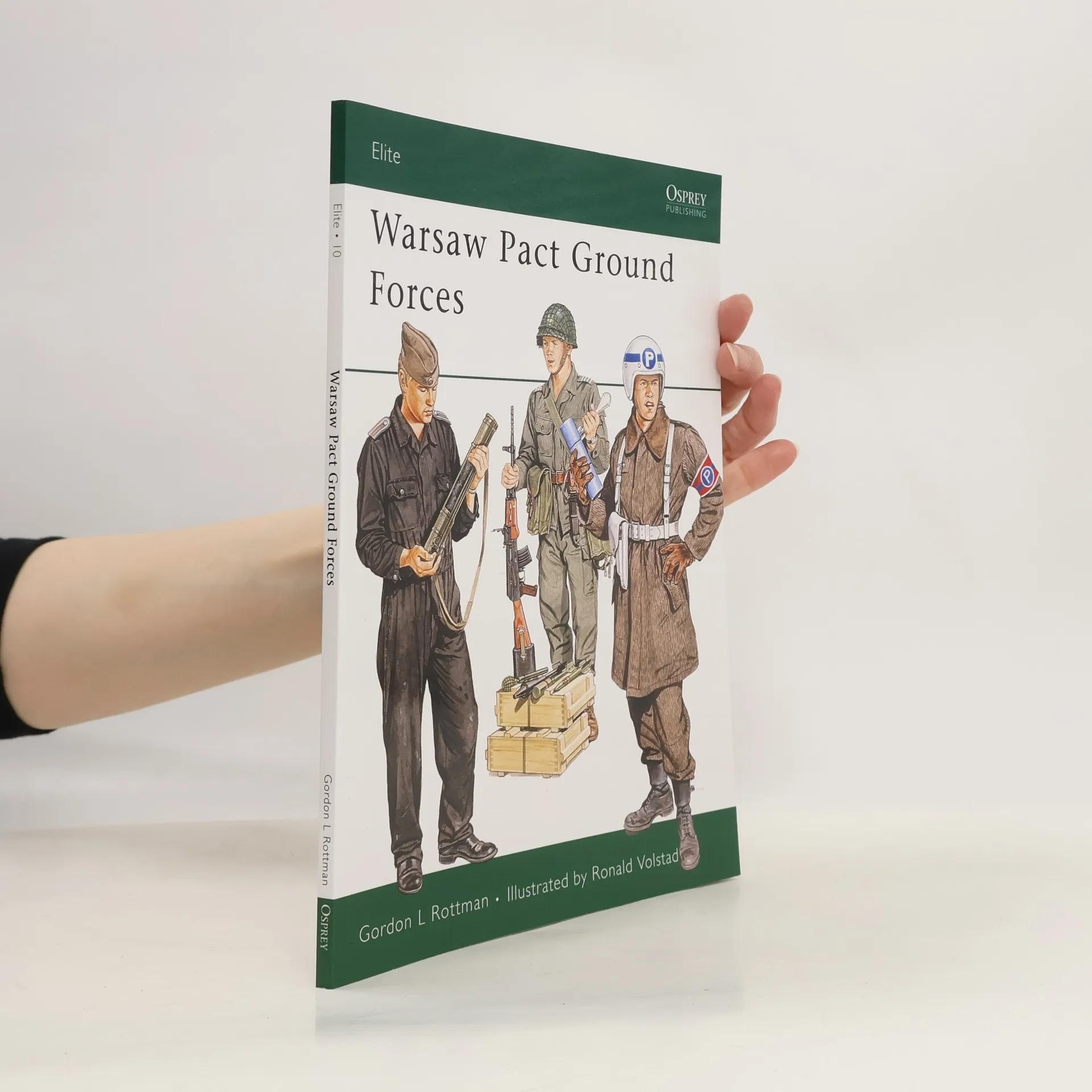
    • Warsaw Pact Ground Forces

      • 64 Seiten
      • 3 Lesestunden

      Osprey's study of the ground forces of the Cold War (1946-1991). While much has been published on the armed forces of the USSR during the 1980s, surprisingly little is available on the forces supplied by the other member nations of the Warsaw Pact. Rivalling the size of the United States Army, the combined ground forces of the six non-Soviet Warsaw Pact countries totalled over 775,000 active troops, with almost two million ground forces reserves. This book examines the history, organization and uniforms of the often overlooked DDR, Czechoslovak, Polish, Bulgarian, Hungarian and Romanian forces at the end of the Cold War.

      Warsaw Pact Ground Forces1987
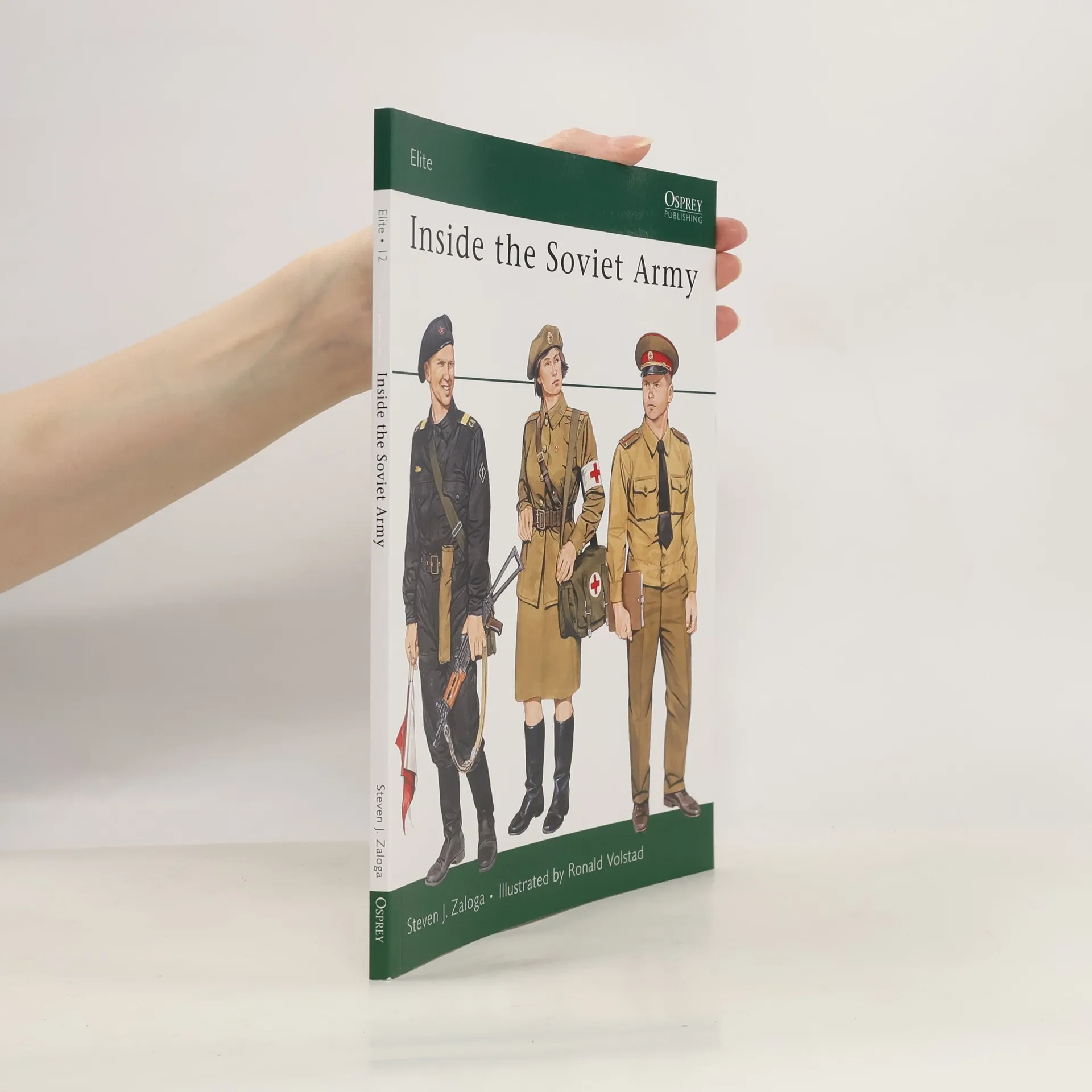
    • Osprey's survey of the Soviet Army during the Cold War period (1946-1991). For a young Soviet man in the 1980s, the chances were high that he would be obliged to serve for at least two years in the Soviet Armed Forces. At this time Soviet society was far more militarized than most other European countries; by the time they turned 18, most Soviet boys were far more familiar with military life than their Western European and American counterparts. Focusing on the daily experiences of a young recruit in the Soviet Army of the late 1980s, this book examines the history, organization, appearance and equipment of the Soviet forces, from pre-service indoctrination to uniforms and leadership.

      Elite - 12: Inside the Soviet Army1987
    • Soviet Bloc Elite Forces

      • 64 Seiten
      • 3 Lesestunden

      The elite forces of the Soviet Union and its Warsaw Pact allies in the mid-1980s were undoubtedly the largest in the world, and among the least known. The Soviet elite formations alone had a total strength comparable to that of the entire British armed forces. Besides the conventional military elite formations such as airborne and marine forces, most Warsaw Pact armies also possessed special, 'political' elite, which were used for internal security. Backed by numerous photographs and illustrations, this book uncovers the history, organization and equipment of both the conventional Soviet elite formations and the often ignored security units.

      Soviet Bloc Elite Forces1985