Der lilafarbene Brief.
- 217 Seiten
- 8 Lesestunden
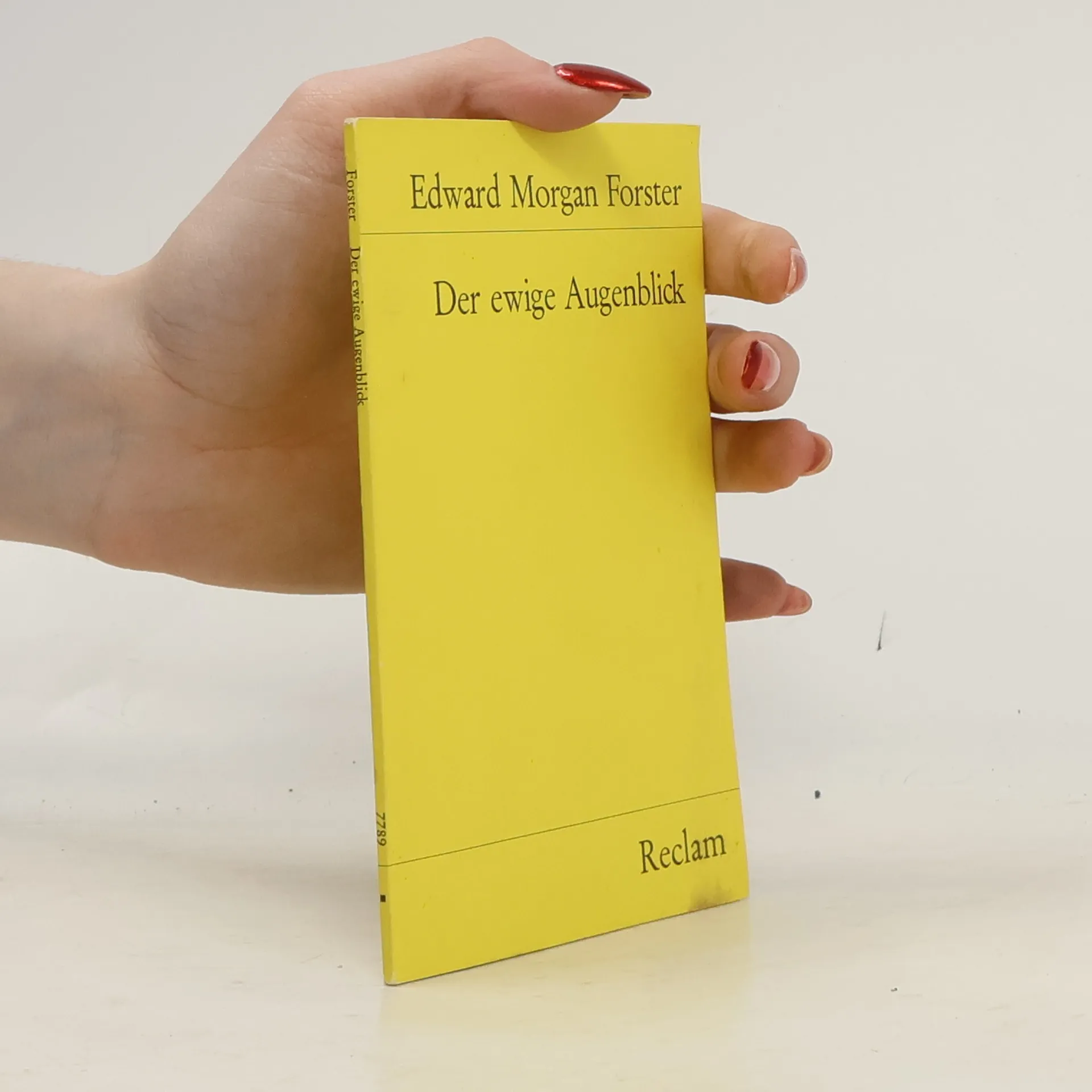
Tragikomische Stories des englischen Schriftstellers (1879-1970.) Grossdruck






Tragikomische Stories des englischen Schriftstellers (1879-1970.) Grossdruck
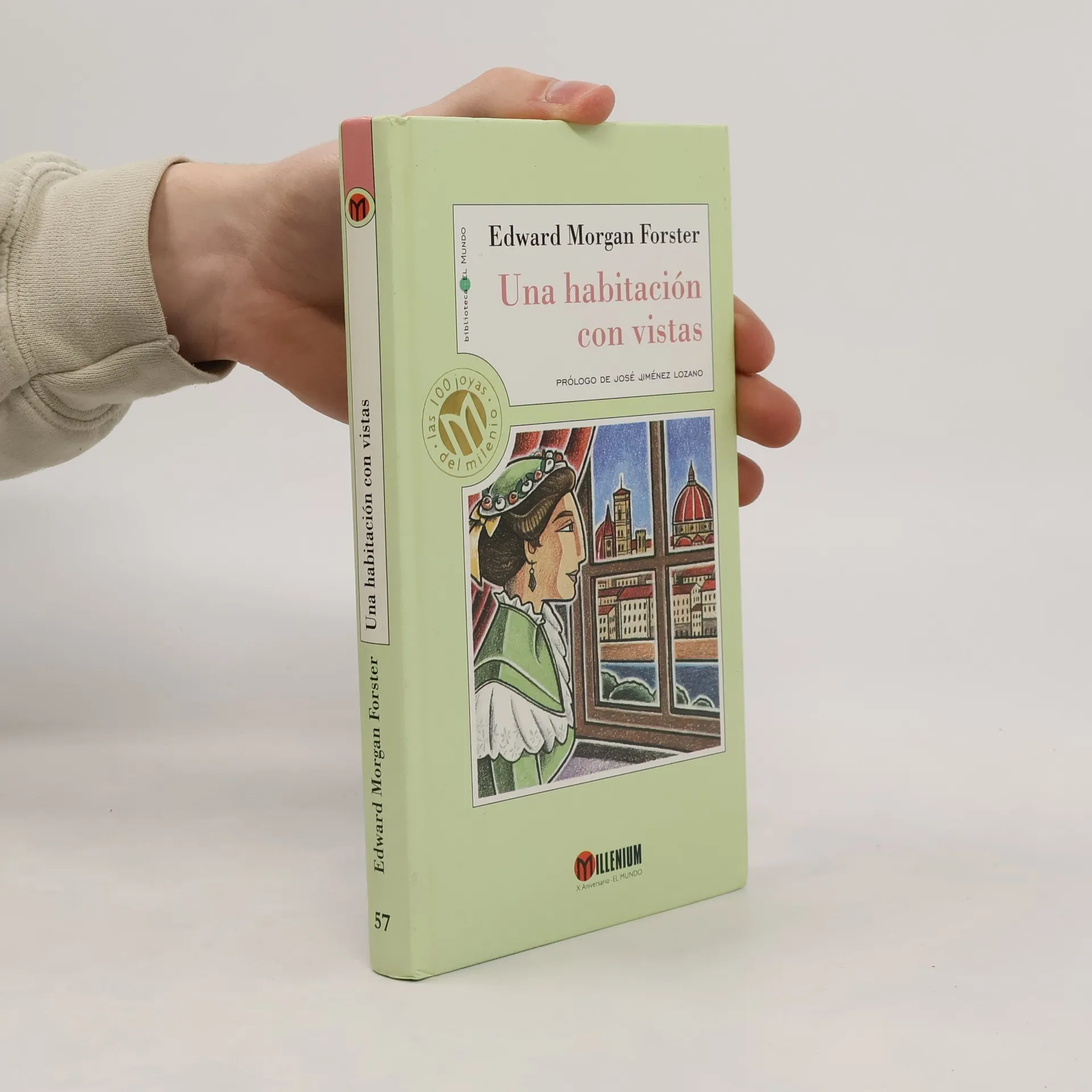
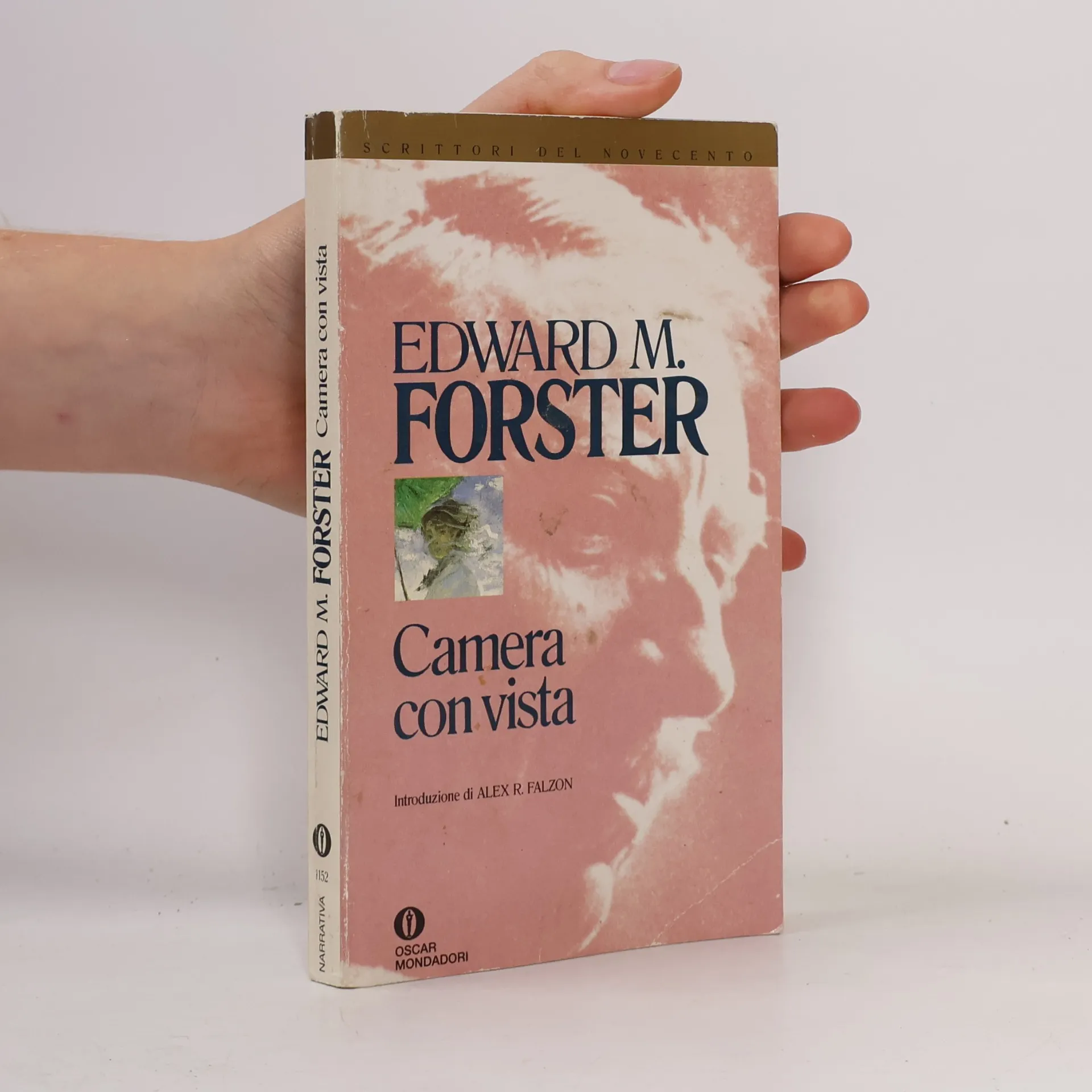
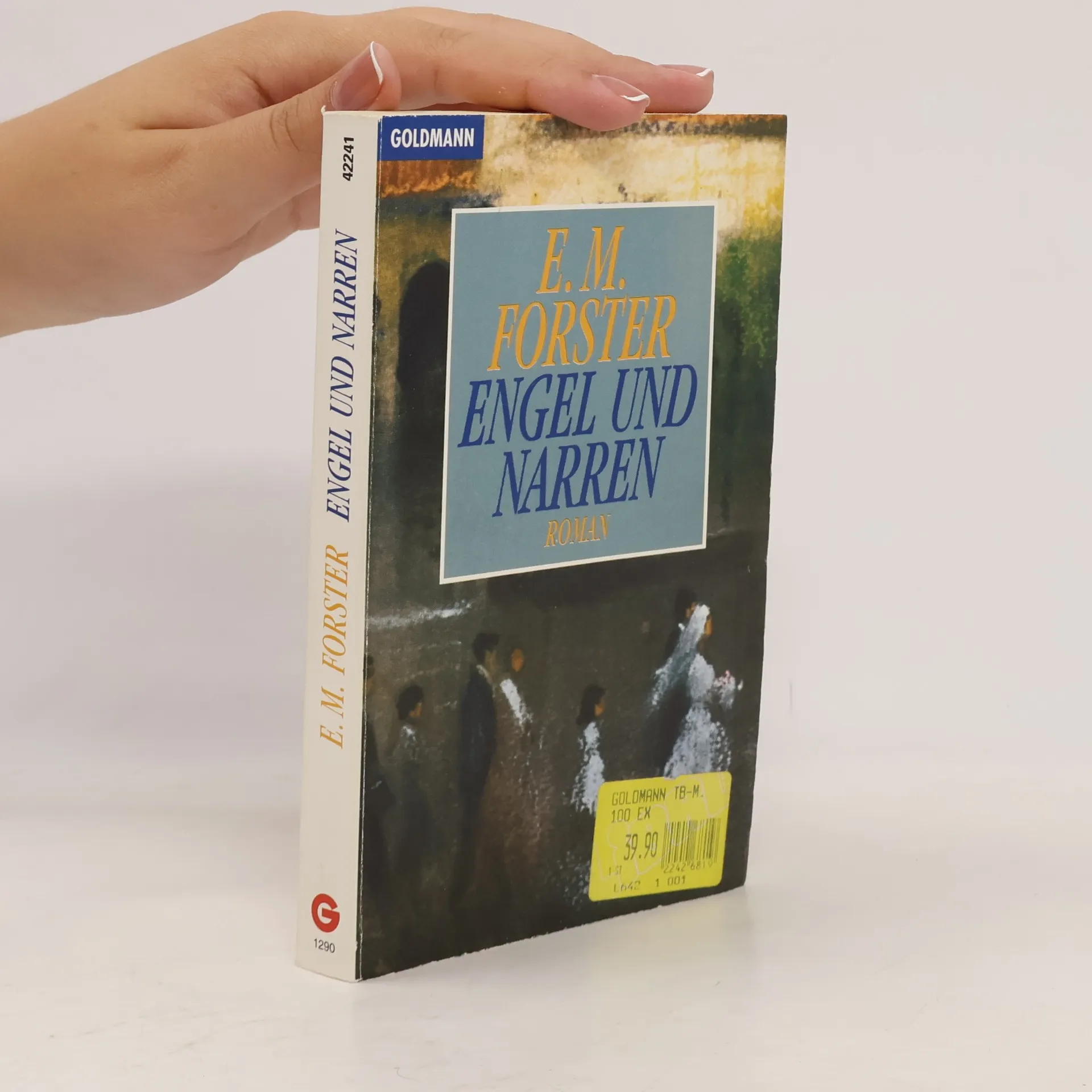
Florenz um 1900. Auf einer Bildungsreise in Italien begegnet die junge Lucy Honeychurch dem unkonventionellen George Emerson und verliebt sich. Cousine Charlotte, Reisebegleitung und rigorose Anstandsdame, ist schockiert, denn George gehört nicht den gesellschaftlichen Kreisen an, in denen Lucy sich bewegt. E.M. Forster konfrontiert in diesem mit spielerischer Leichtigkeit und dezenter Ironie erzählten Roman die erstarrten Konventionen des englischen Bürgertums mit der vital-sinnlichen, mediterranen Lebensweise.
Sie sind gebildet und privilegiert. Sie sind jung und unerfahren. Und sie leben in der falschen Gesellschaft und zur falschen Zeit. Als Maurice und Clive in Cambridge ihre Liebe zueinander entdecken, ist Homosexualität noch ein kriminelles Delikt. „Ein zeitloses Plädoyer für Aufrichtigkeit, Natürlichkeit und Spontaneität.“ Süddeutsche Zeitung
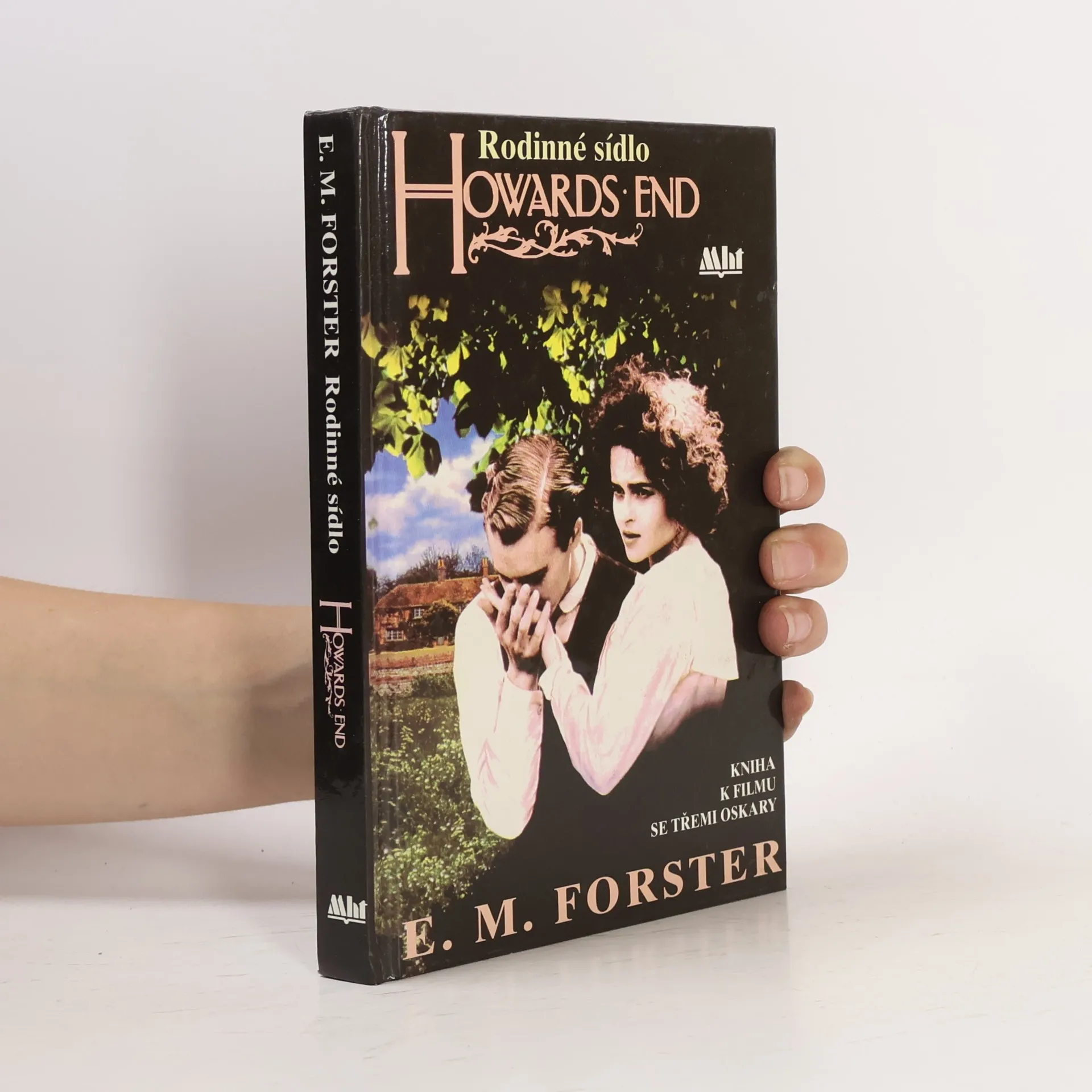
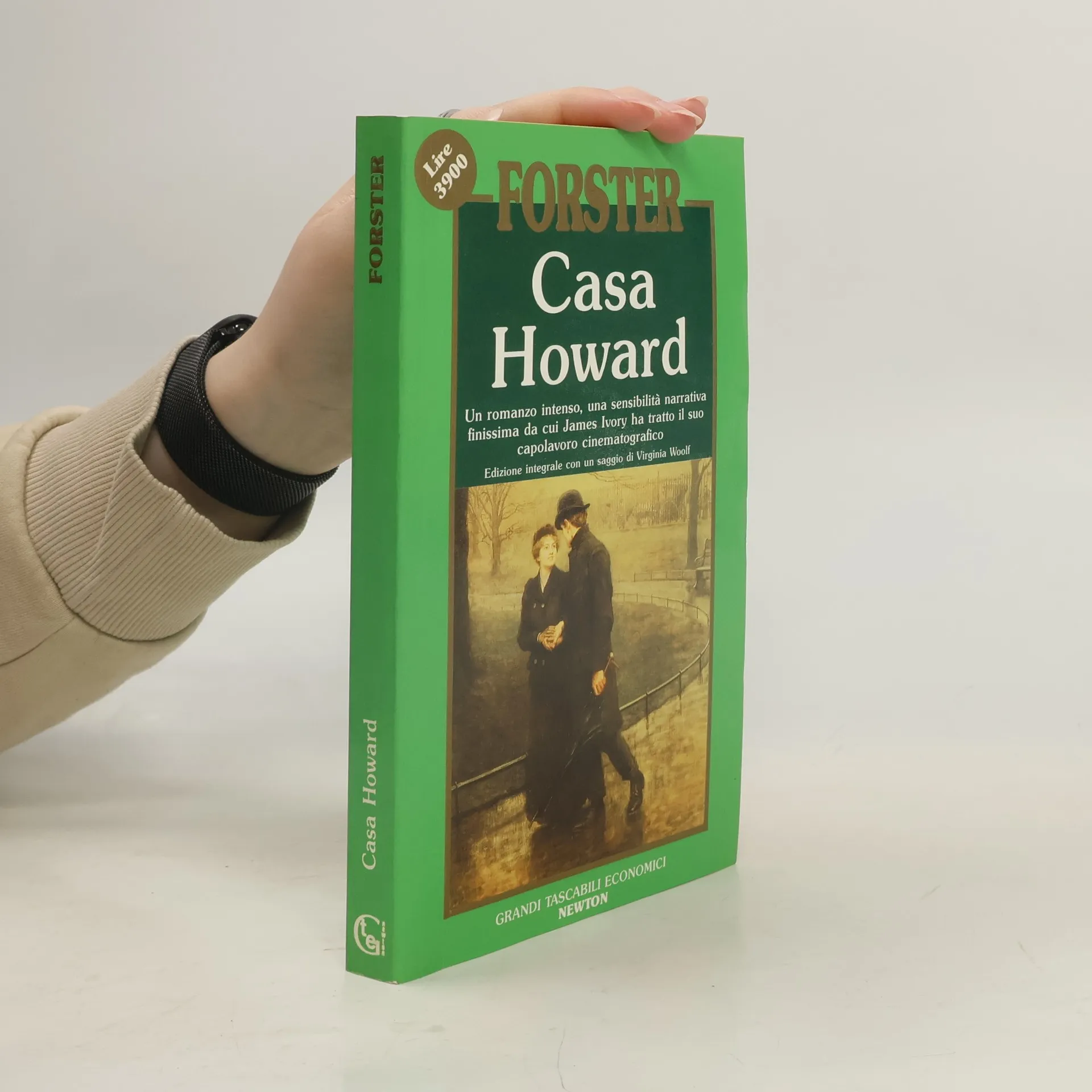
London um 1900: Die Schwestern Margaret und Helen Schlegel sind jung und emanzipiert. Auf Konventionen geben sie nicht viel. Im Gegensatz zu den Wilcox'. Als Helen sich in den jüngsten Sohn verliebt, prallen Leidenschaft und Vernunft, Gefühl und Geschäftsinn aufeinander.
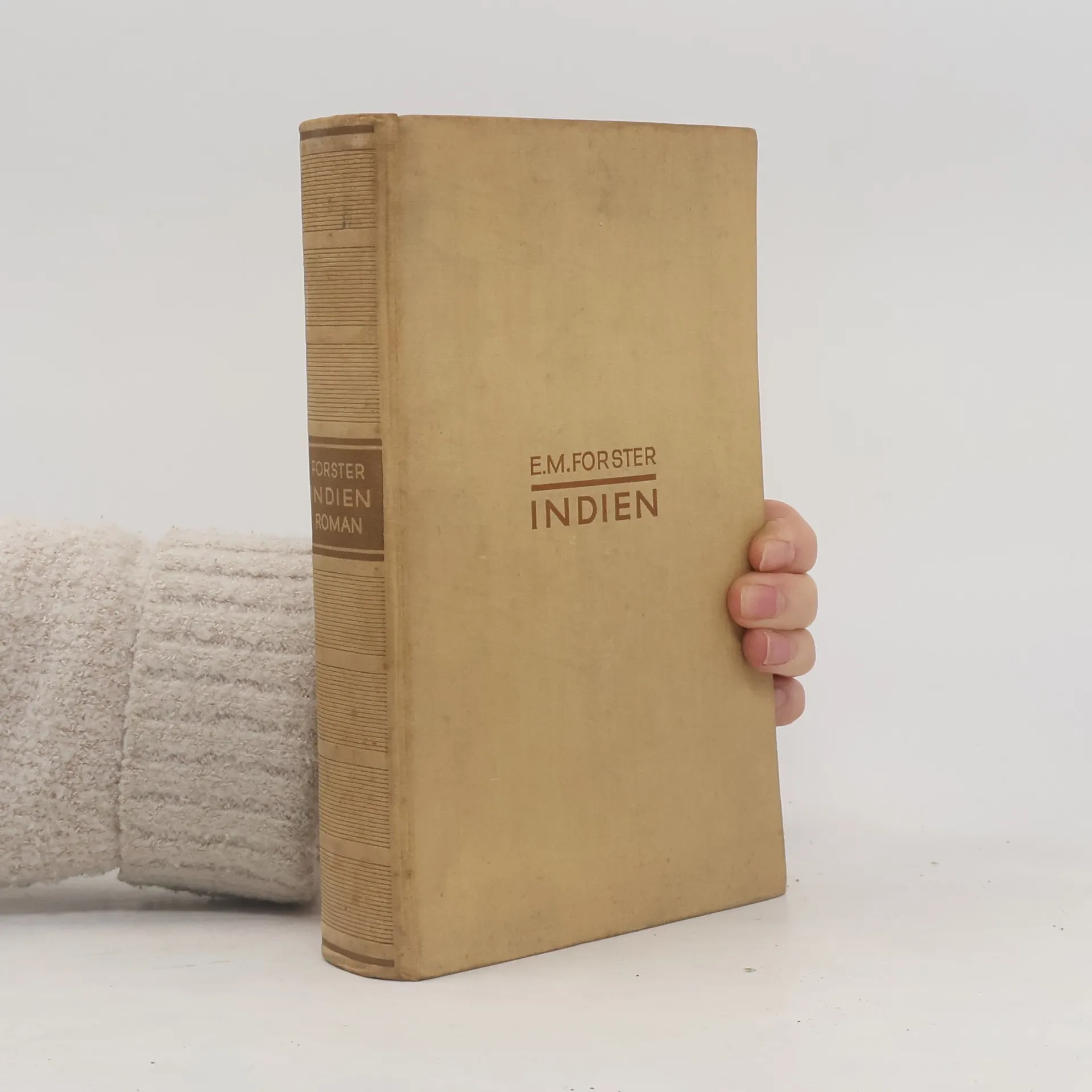
Ein Klassiker der englischen Literatur und der berühmteste Indien-Roman des 20. Jahrhunderts. Kein Autor beschrieb die britische Kolonialzeit Indiens so eindrucksvoll wie E. M. Forster. Eines von 12 bisher vergriffenen Meisterwerken aus der ZEIT Bibliothek der verschwundenen Bücher.
Lektüre mit Audio-Online
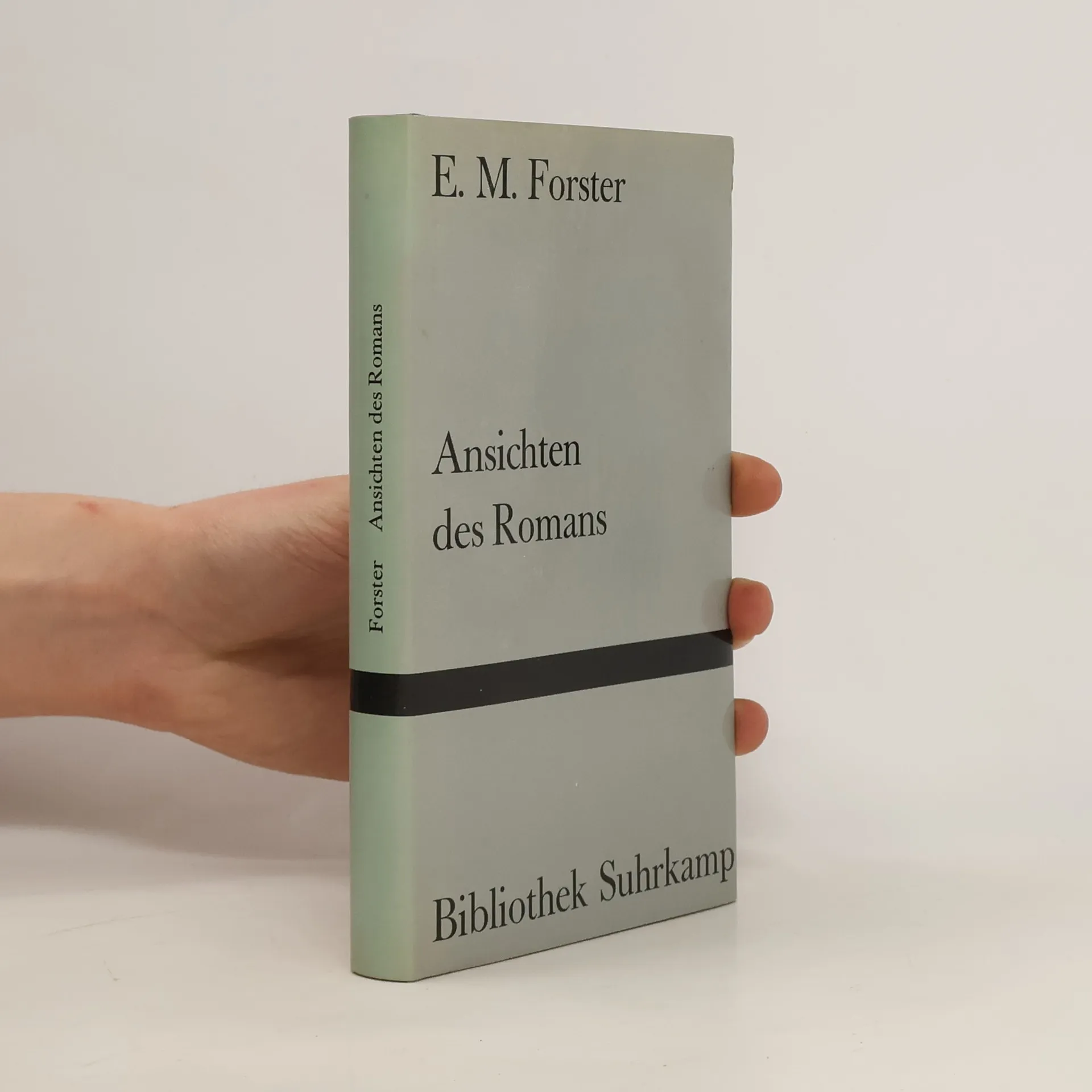
Die ausgewählten Texte aus den Bänden »Abinger Harvest« (1936) und »Two Cheers for Democracy« (1951) sind eindringliche Plädoyers für Demokratie und Menschlichkeit. Forster schreibt mit einer bewundernswerten Sanftheit und im felsenfesten Glauben an die Bedeutung persönlicher Beziehungen über das Ideal der Verbundenheit untereinander. In der ersten Hälfte des 20. Jahrhunderts prägen Antisemitismus und Rassismus gesellschaftliche Diskurse, nicht zuletzt gab es zwei Weltkriege. In Forsters Augen ist die Kunst das einzige menschliche Produkt mit einer immanenten inneren Ordnung, das Halt in den Wirren der Zivilisation bieten kann. Forster plädiert in seinen Texten für die Zuwendung zu den Künsten gerade in Zeiten von Kriegen und nationalistischen Tendenzen. Dank der literarischen Strahlkraft der Essays werden wir heute wieder daran erinnert.
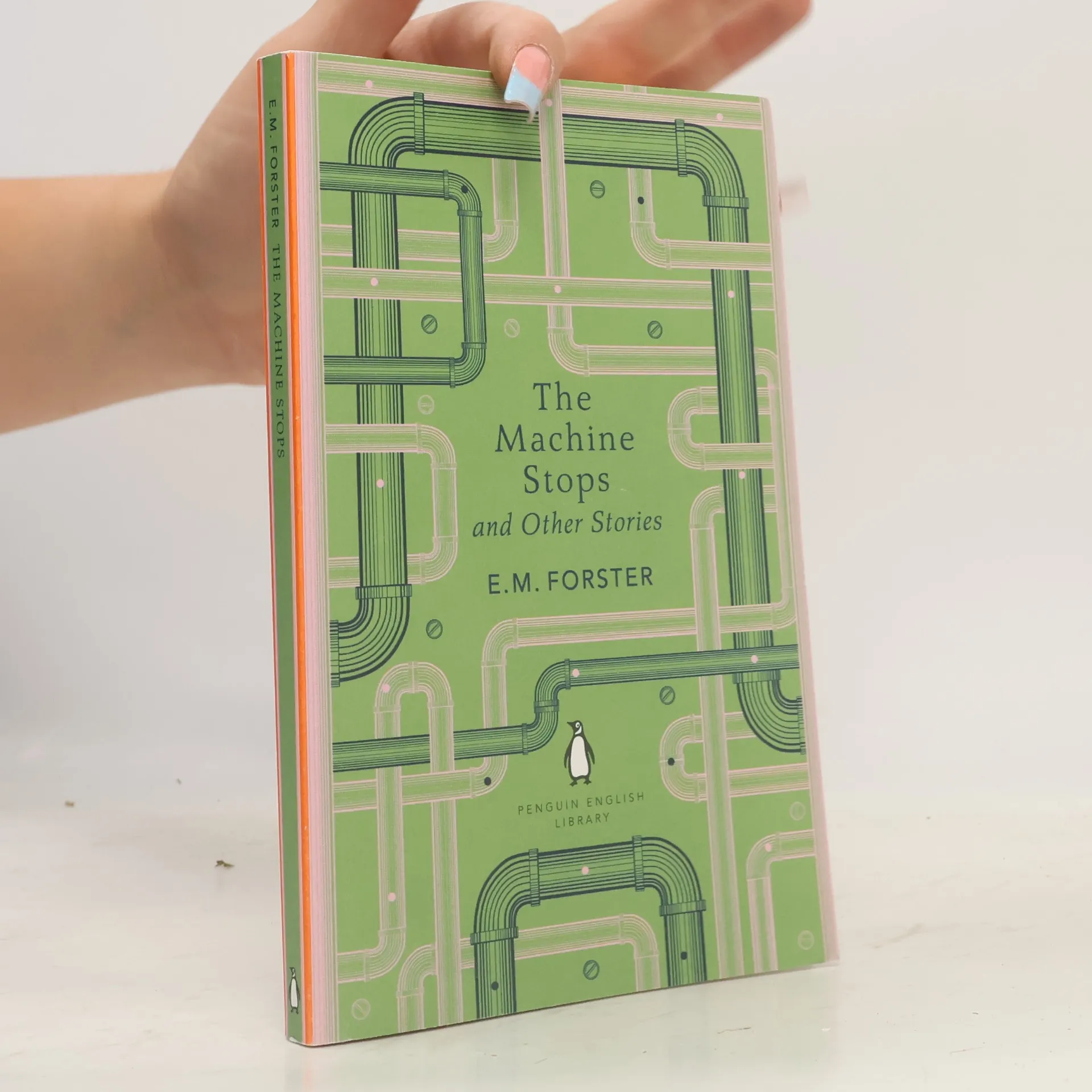
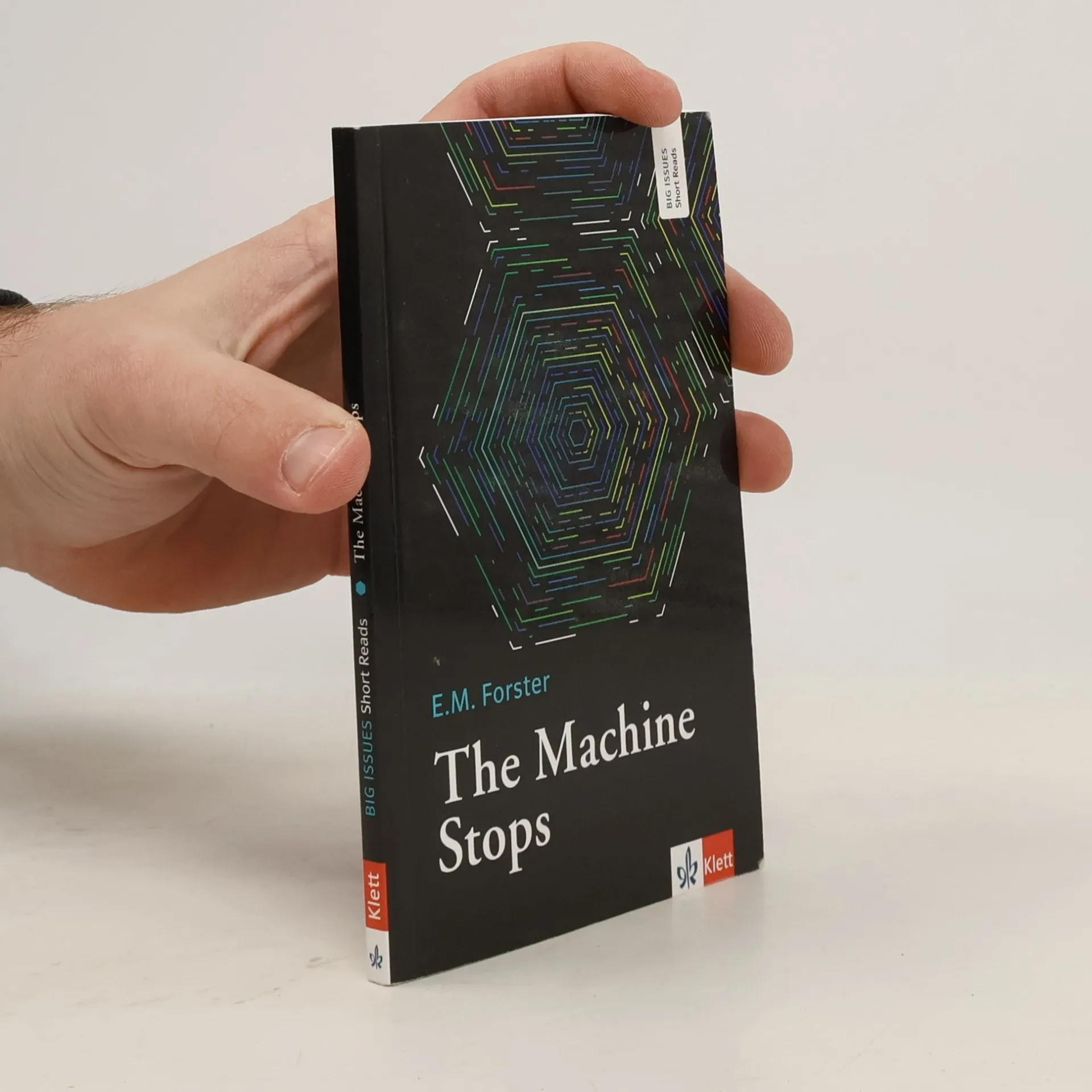
In E. M. Forsters Dystopie leben die Menschen in einer unterirdischen, abgekapselten Welt mit allem Komfort: Das ganze Leben ist durch die Dienstleistungen der »Maschine« perfekt geregelt. Die Menschen haben kein Bedürfnis mehr nach persönlichen Begegnungen, man kommuniziert nur über die Maschine, die über allem wacht. Ihr Handbuch ist zu einer Art Bibel geworden, die Menschen sind gefangen in ihrer absoluten Abhängigkeit von der Technik, die sie nicht mehr kontrollieren können. Doch nach und nach geht das Wissen, das hinter der Maschine steckt, verloren und das System wird anfällig für Pannen ... E. M. Forsters visionäres Werk wirft Fragen auf, die von großer Aktualität sind: Wie kann der Mensch seine Selbstbestimmung wahren gegenüber Maschinen, die immer stärker unser Leben bestimmen?
1993
The letters of the last half of E. M. Forster's life are as engaging as those of his earlier years. Imbued with the same wit, warmth, and vitality, they reveal the breadth of his interests and the great range and enduring quality of his friendships. After a second trip to India in 1921, Forster finally finished the Indian novel he had begun years before. A Passage to India (1924) capped his career as a novelist; he then turned his energies to essays and other nonfictional prose. In the 1930s he emerged as an active journalist, writing and broadcasting on social and political issues. He fought for civil liberties and led a successful campaign against the BBC's political blacklisting of performers. His correspondents during these years included T. S. Eliot, Siegfried Sassoon, Lennard and Virginia Woolf, Christopher Isherwood, and Stephen Spender. At seventy Forster began along, happy, and productive new period in his life with his work on the libretto for Benjamin Britten's opera Billy Budd . In 1960 he was a leading defense witness in the Lady Chatterley trial. By then he was a revered figure among literati and enjoyed advising younger writers. In these last decades he divided his time between his rooms at King's College, Cambridge, and the home of his friends the Buckinghams in Coventry, where he died at age ninety-one.
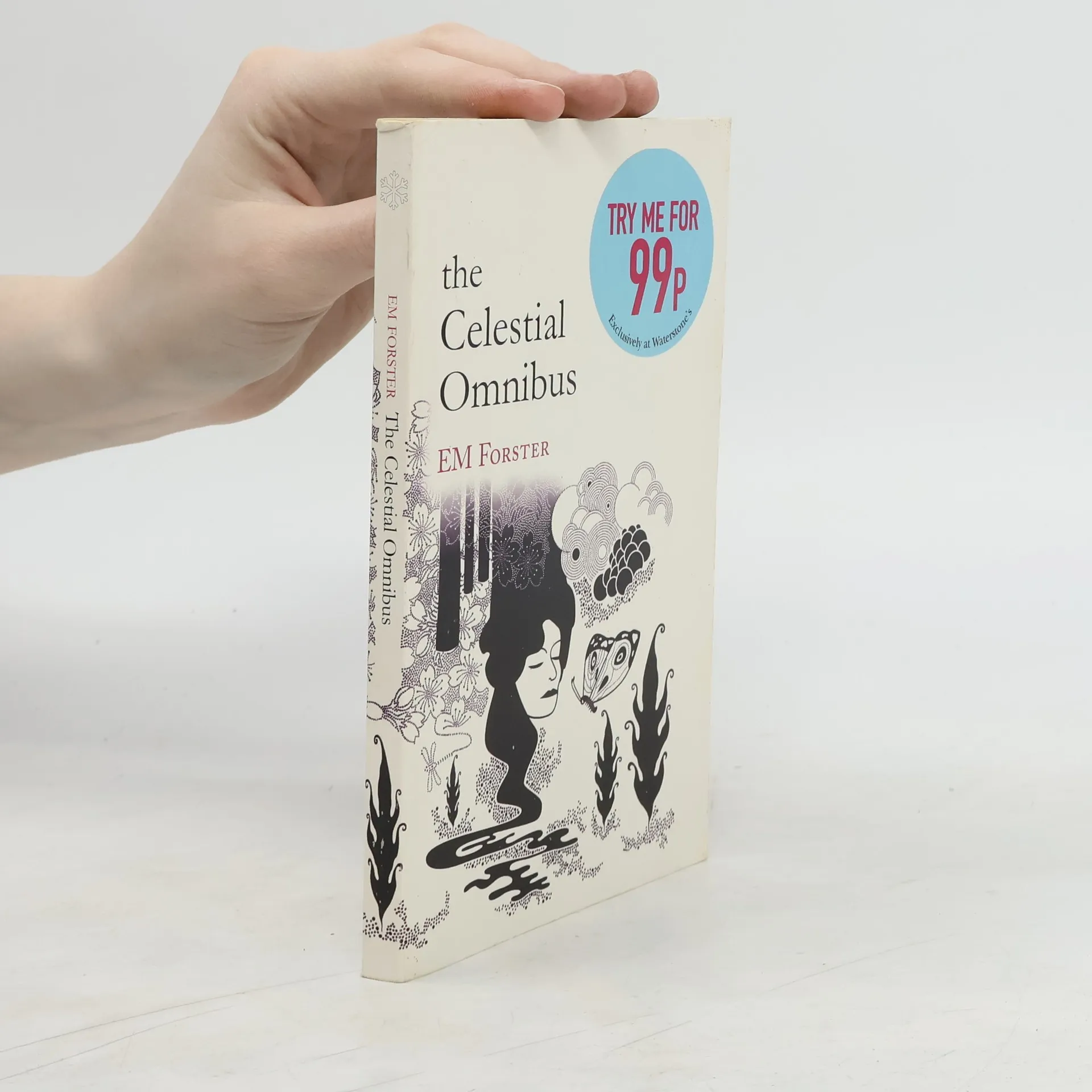
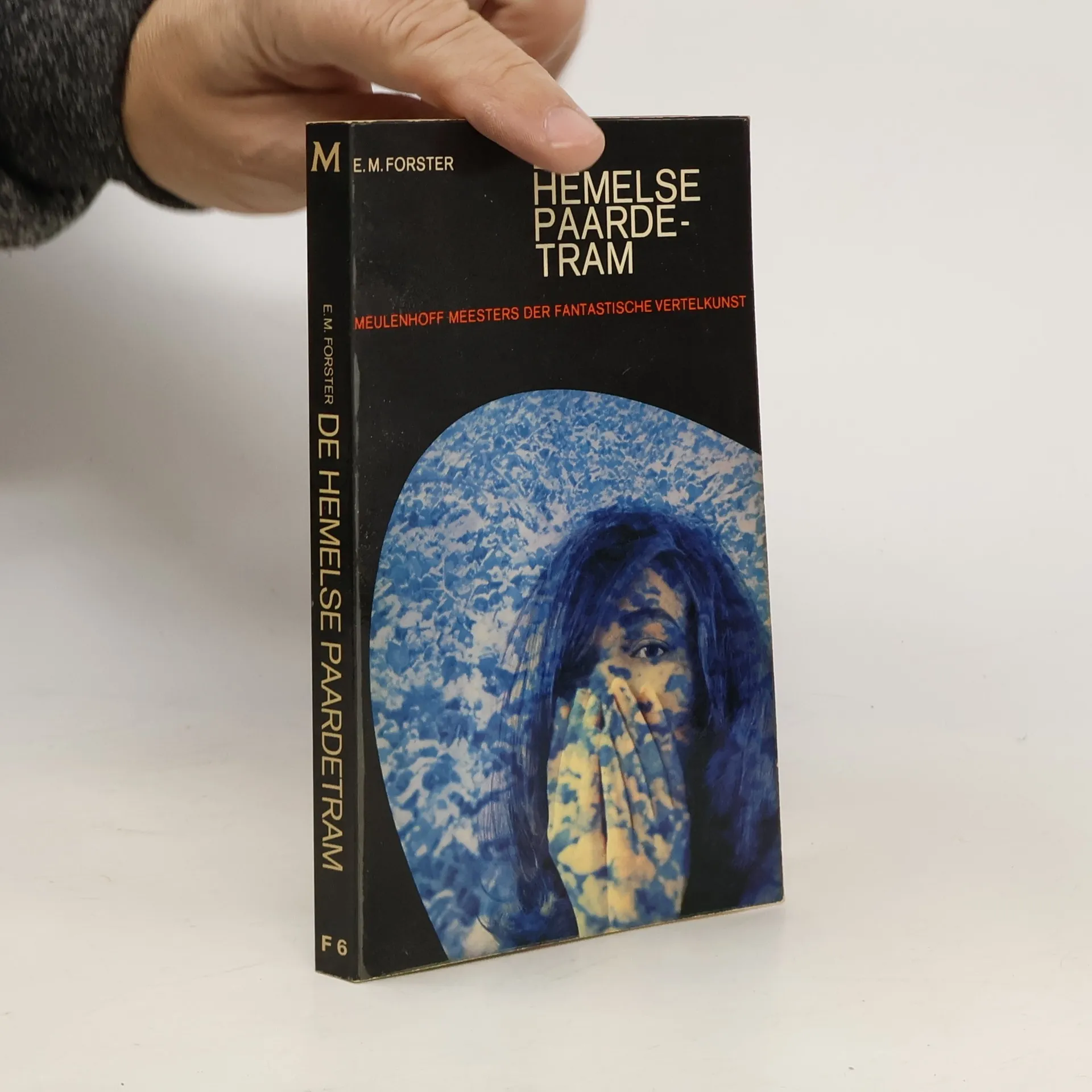
1923. English author and critic, member of Bloomsbury group and friend of Virginia Woolf who achieved fame through his novels, which include: Room with a View, Maurice, A Passage to India, and Howard's End. The Celestial Omnibus is a collection of short-stories Forster wrote during the prewar years, most of which were symbolic fantasies or fables. Contents: The Story of a Panic; The Other Side of the Hedge; The Celestial Omnibus; Other Kingdom; The Curate's Friend; and The Road from Colonus. See other titles by this author available from Kessinger Publishing.
Known for his ironic and beautifully crafted novels, Edward Morgan Forster explores themes of hypocrisy and discrimination prevalent in early 20th-century British society. His work features engaging plots that reveal the complexities of social interactions and moral dilemmas, offering a critical perspective on the era's cultural norms.
Essays that applaud democracy's toleration of individual freedom and self-criticism and deplore its encouragement of mediocrity: "We may still contrive to raise three cheers for democracy, although at present she only deserves two."
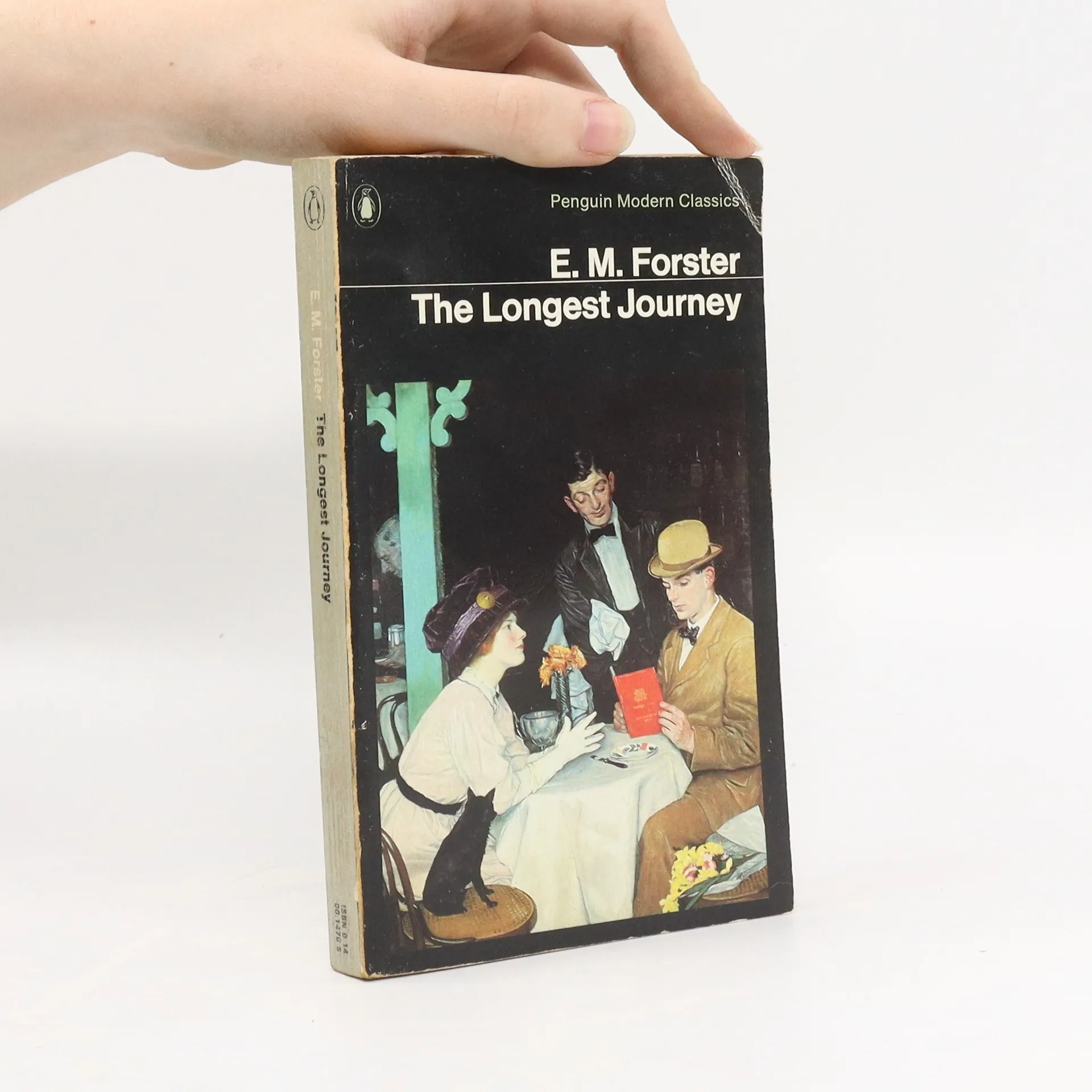
Rickie Elliot, a sensitive and intelligent young man with an intense imagination and a certain amount of literary talent, sets out from Cambridge full of hopes to become a writer. But when his stories are not successful, he decides instead to marry the beautiful but shallow Agnes, agreeing to abandon his writing and become a schoolmaster.
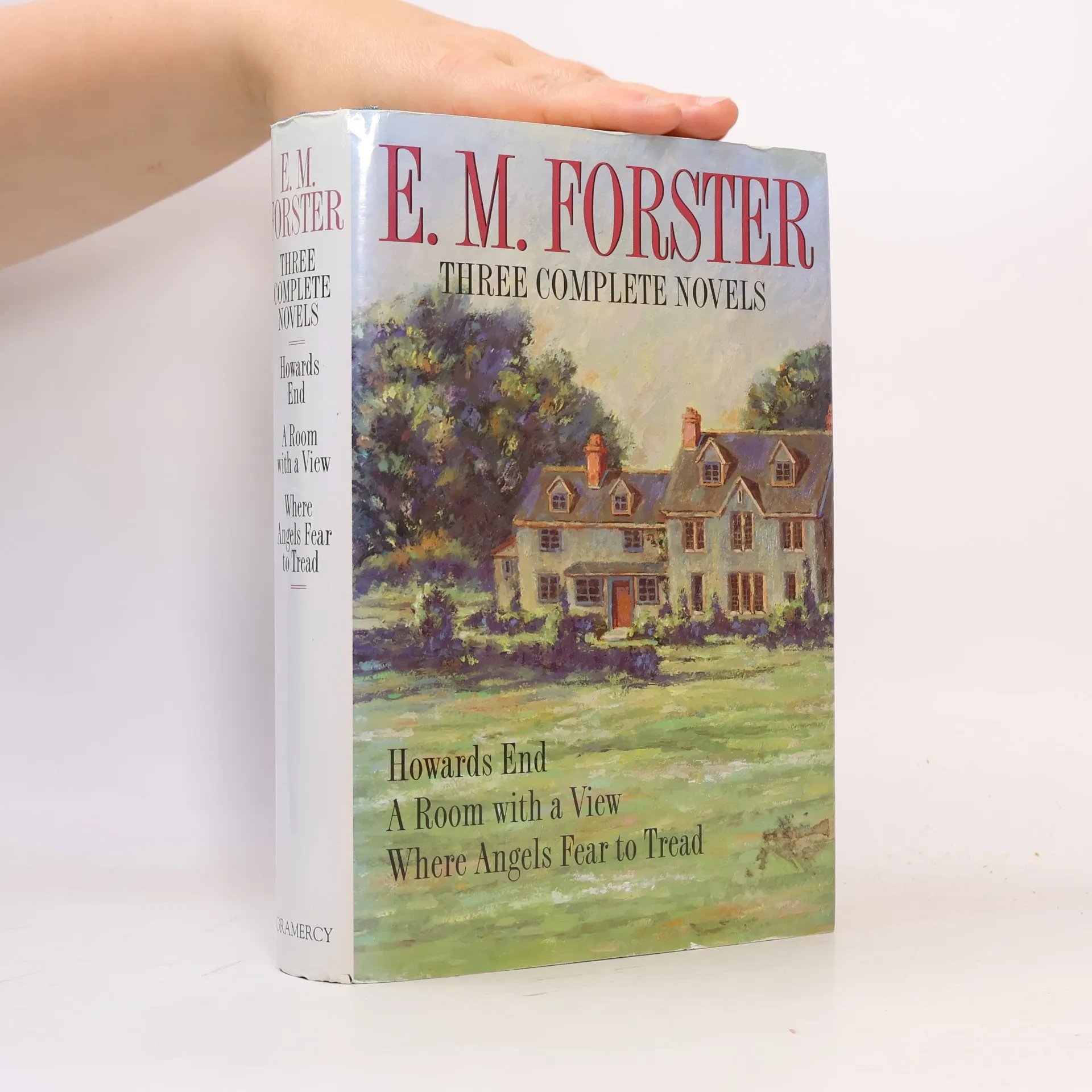
Howards End, A Room With a View, Where Angels Fear to Tread
Three complete novels from this British master whose books have had enormously successful second lives because of brilliant and popular feature films. Howards End, A Room With a View, and Where Angels Fear to Tread are included here in their entirety.
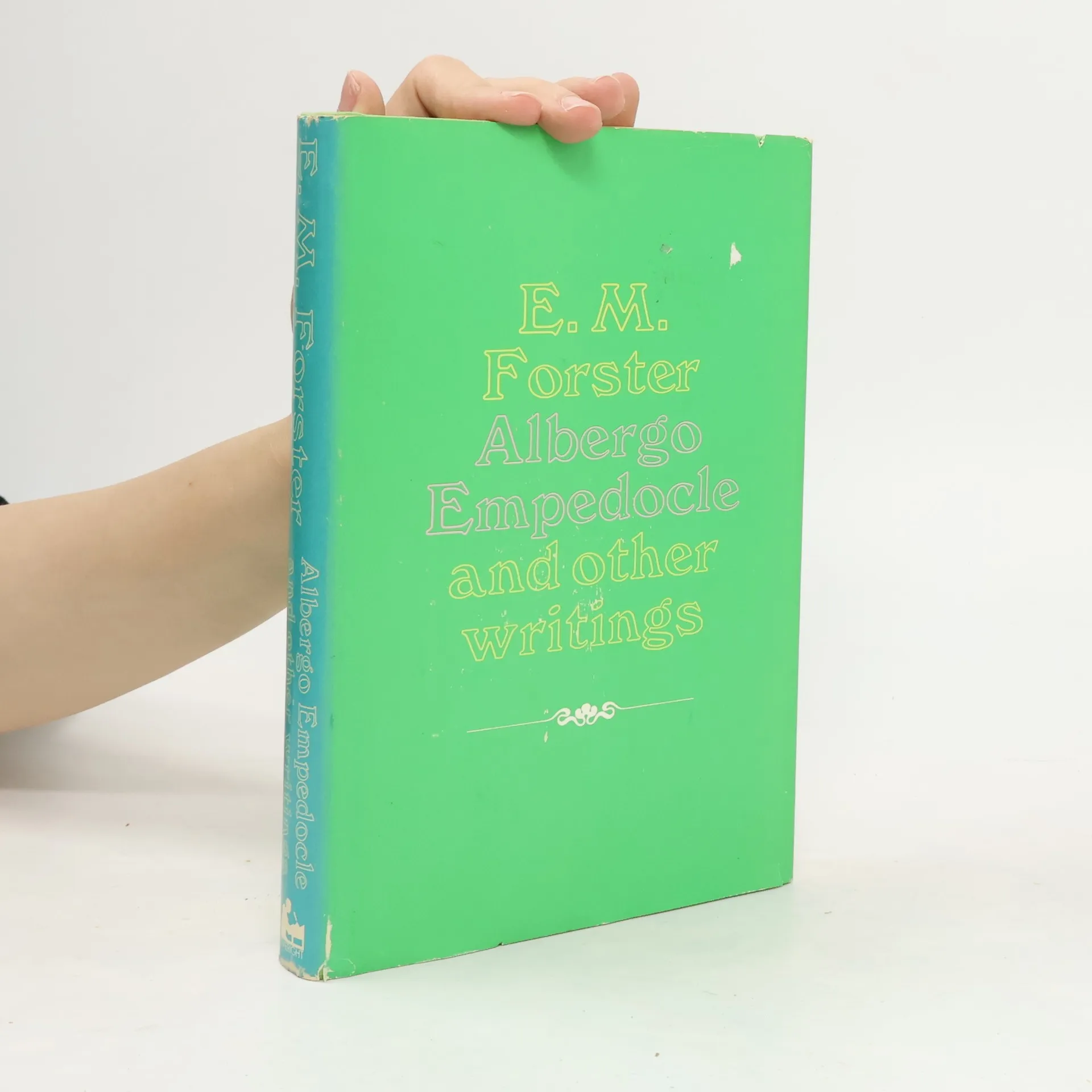
Forster, E.M., Albergo Empedocle And Other Writings
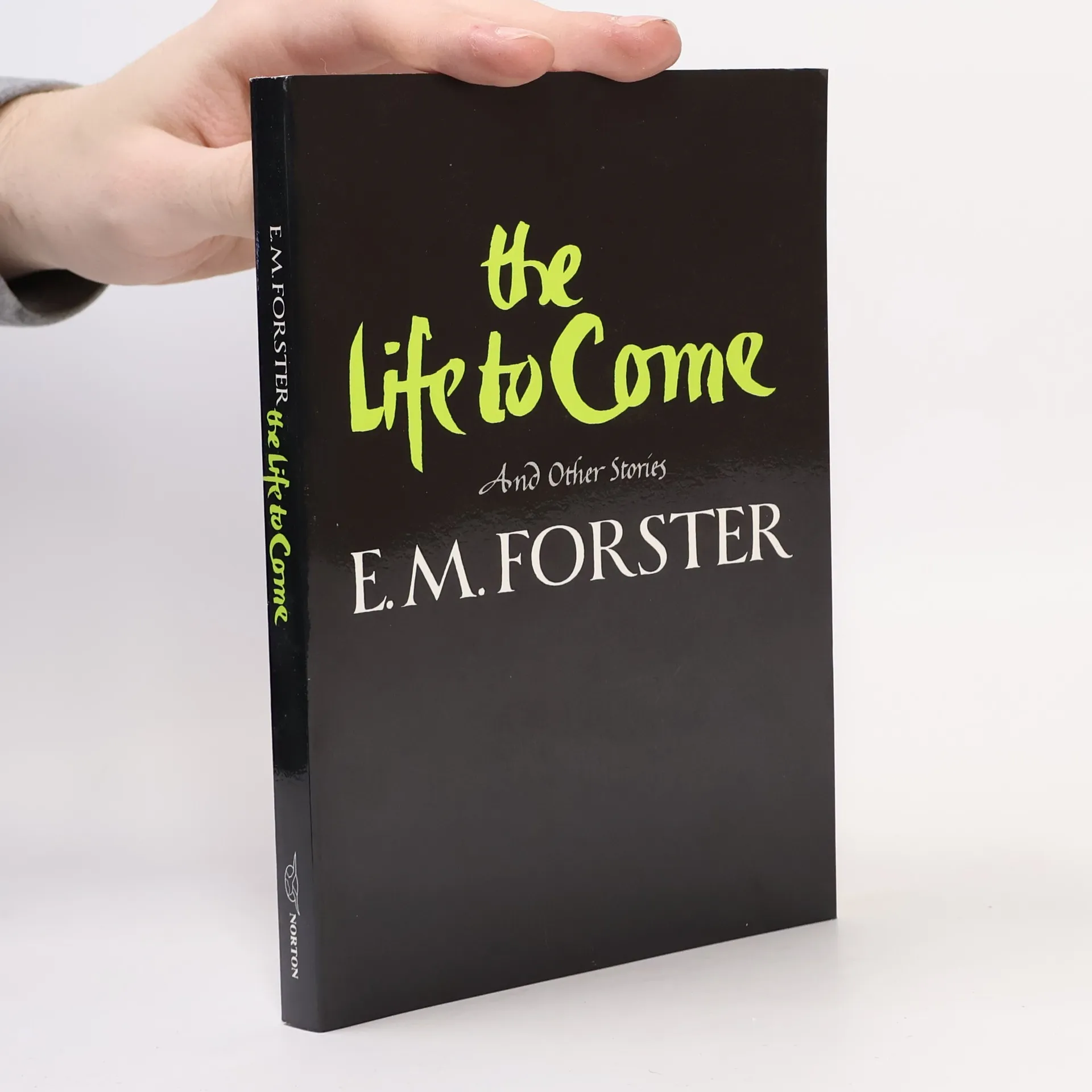
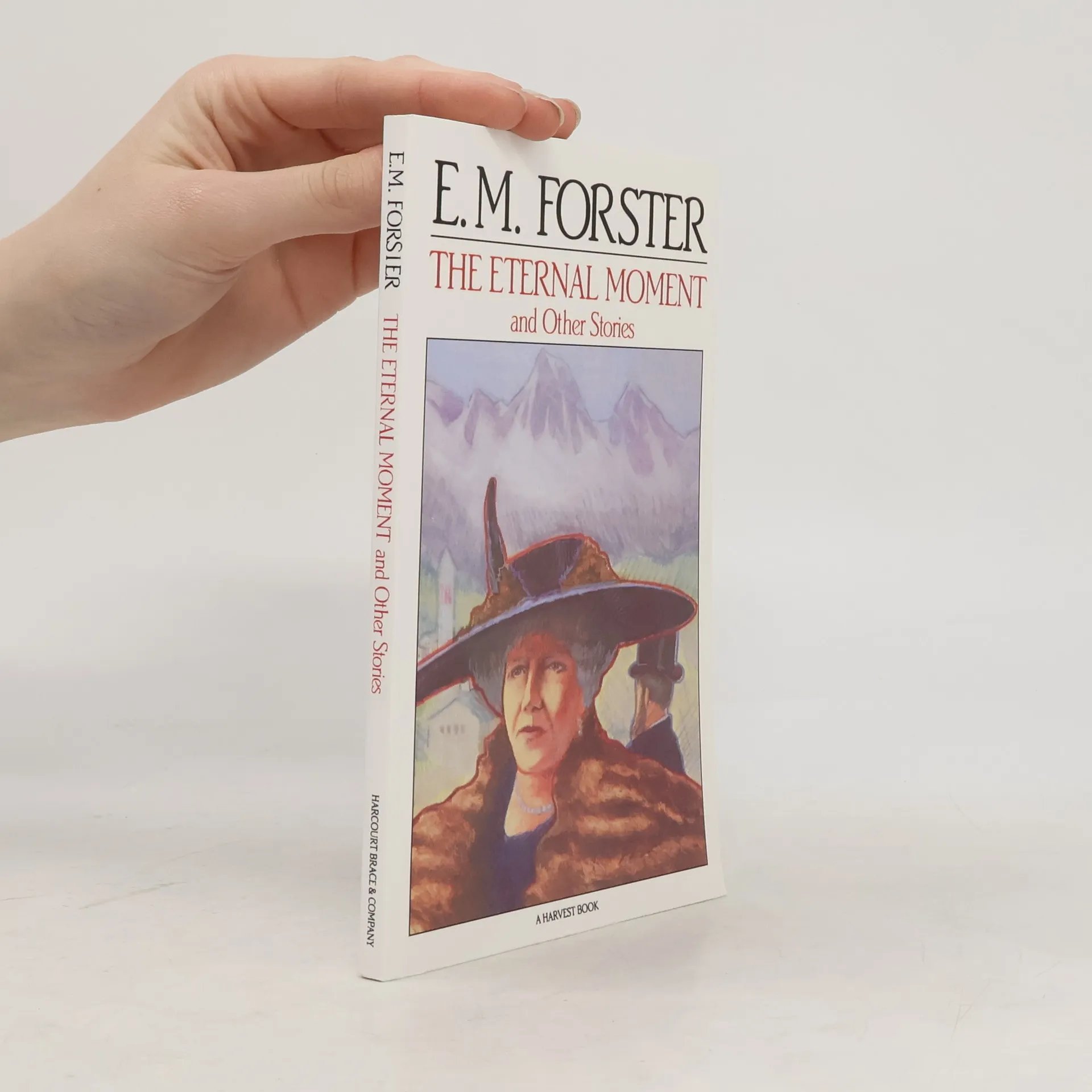
Includes the classic anthologies originally published as The Celestial Omnibus and The Eternal Moment, as well as three important stories published after Forster's death: "Dr. Woolacott," "The Life to Come," and "The Other Boat."
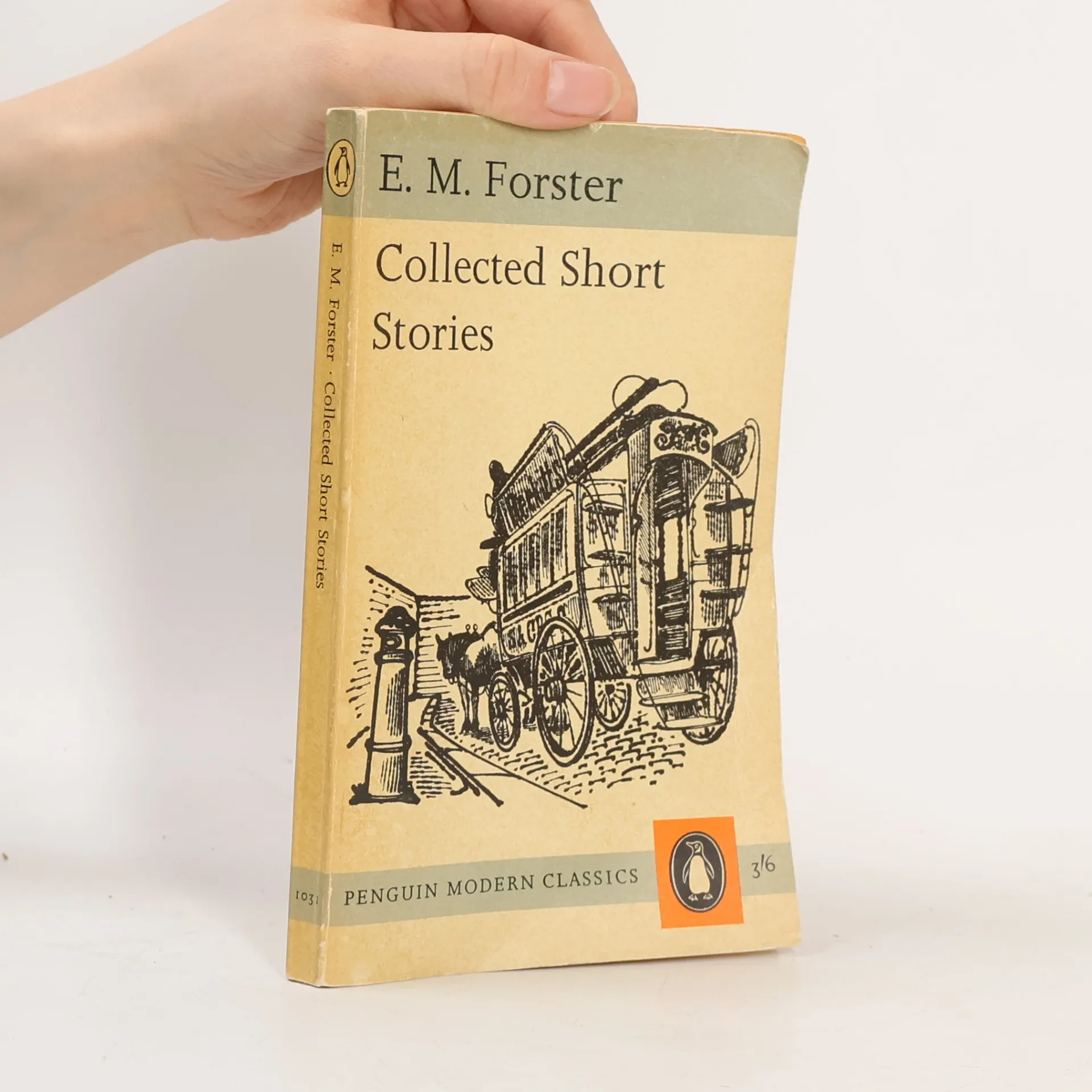
Only two were published in his lifetime. Most of the other stories remained unpublished because of their overtly homosexual themes; instead they were shown to an appreciative circle of friends and fellow writers, including Christopher Isherwood, Siegfried Sassoon, Lytton Strachey, and T. E. Lawrence. The stories differ widely in mood and setting. One is a cheerful political satire; another has, most unusually for Forster, a historical setting; others give serious and powerful expression to some of Forster's profoundest concerns.
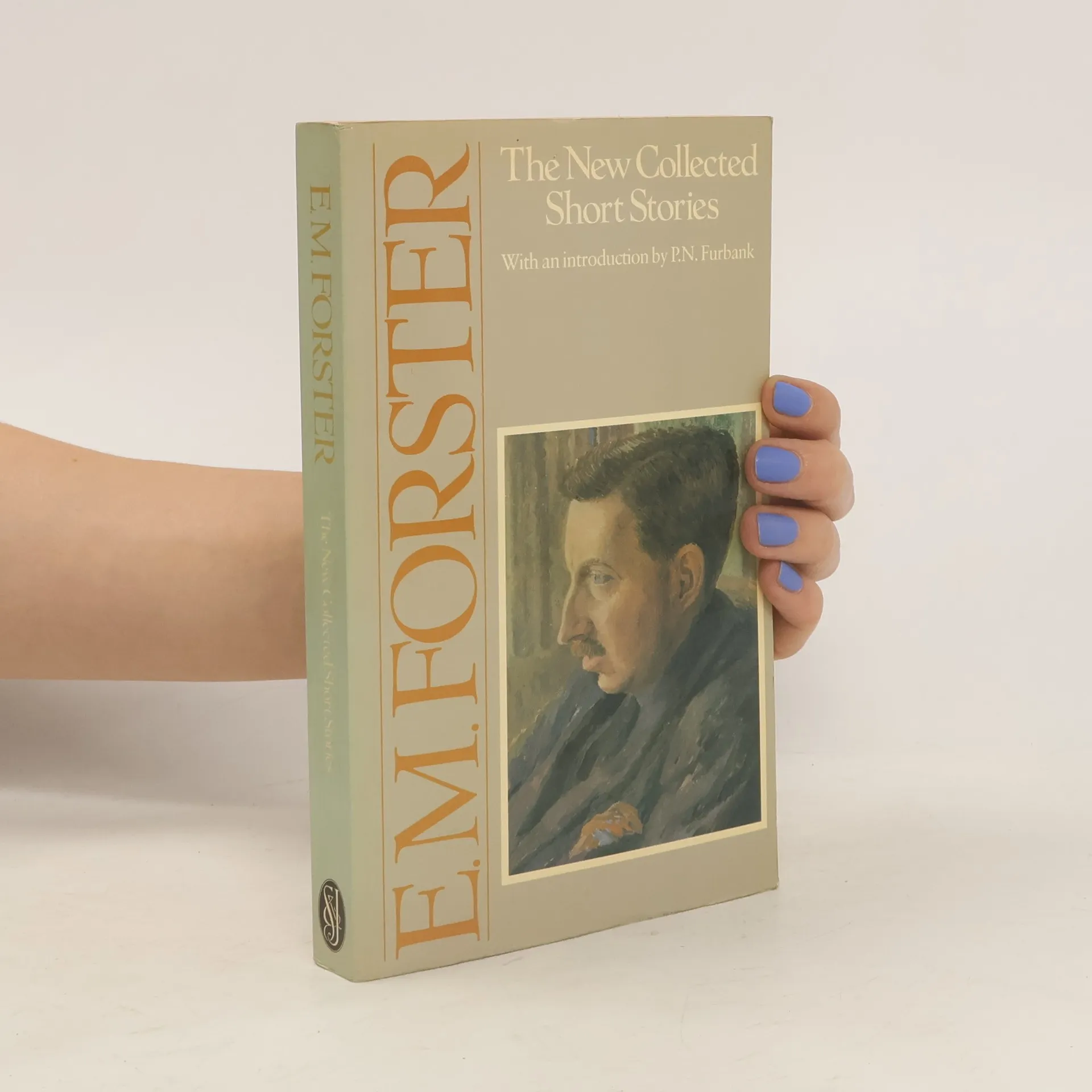
Selected short stories introduced by Christopher Isherwood
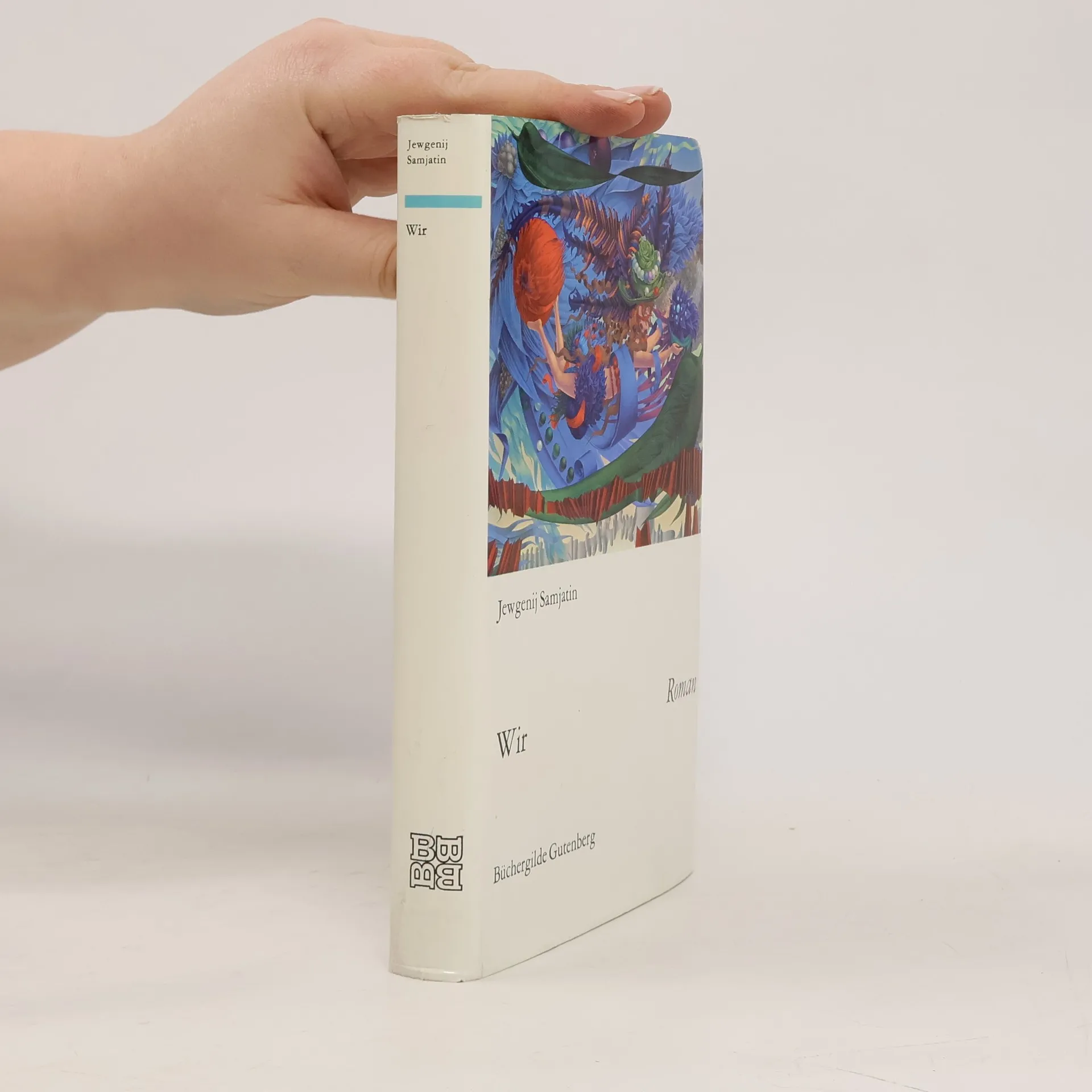
Wir. Der russische Ingenieur und Autor Evgenij Samjatin (1884-1937) schloss sich bereits früh den Bolschewiki an und bet
This collection of articles, essays, reviews, and poems, written by the author of A Passage to India, contains such well-known pieces as "Notes on the English Character,'' ''Adrift in India," and "Me, Them and You." Also collected are essays on literary figures whose work Forster especially admired.
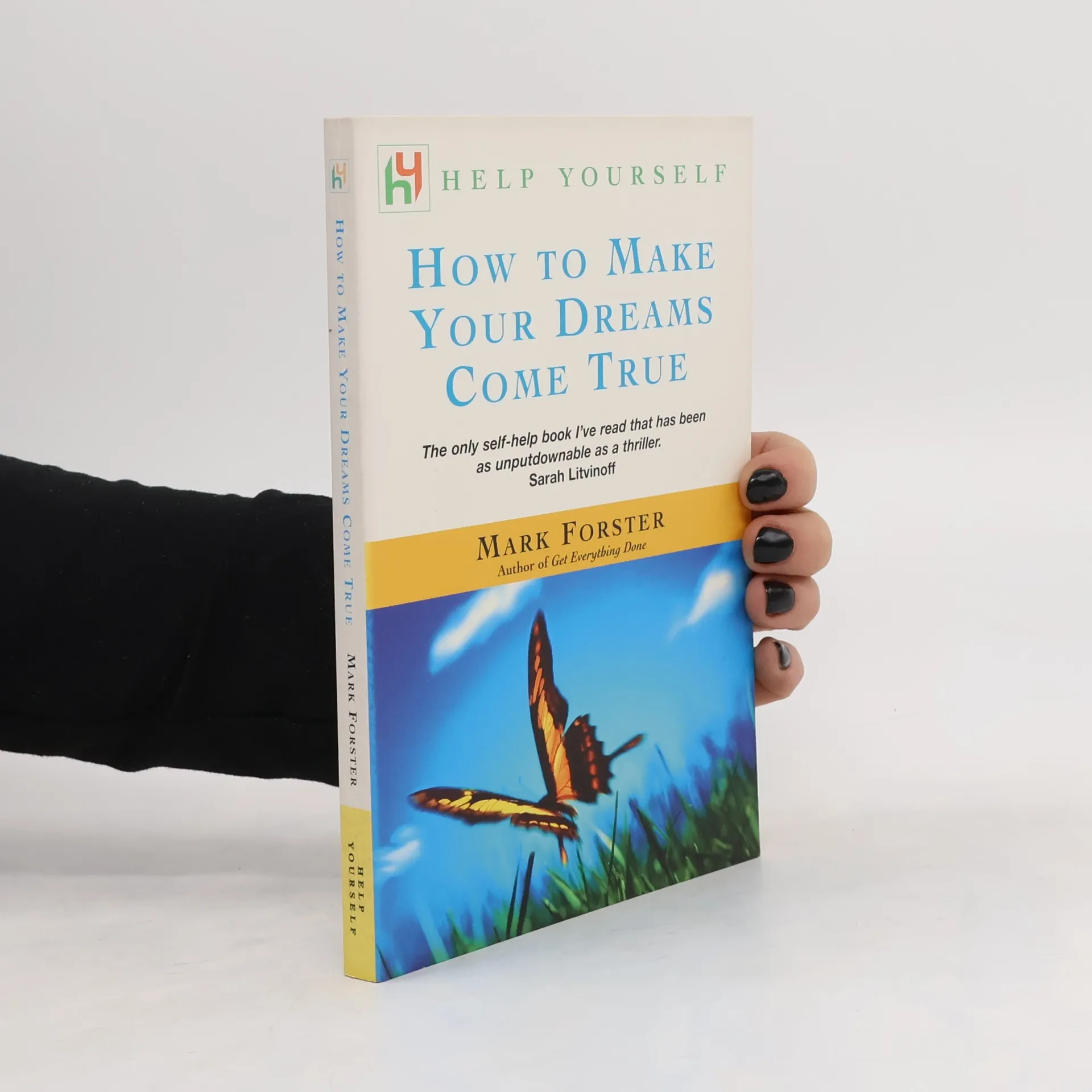
Most people think of life as either something that happens to them or as something which they have to bend to their will. Life in short is seen as a series of problems requiring solutions. As a result people spend much of their lives either in escape activities or driving themselves to achieve, often both at the same time. But life becomes qualitatively different when we see it as a theatre in which we decide what is going to happen and then let it happen in the way that an artist will allow his or her creation to appear. This book is an example of the message that it teaches. Forster records methodically how he himself stopped struggling to work against his own feelings and to let his life happen. Exciting and inspiring, his own story with accompanying exercises for the reader prove the life-changing fact - that when we give priority to the workings of our unconscious minds we can trust them not to let us down.
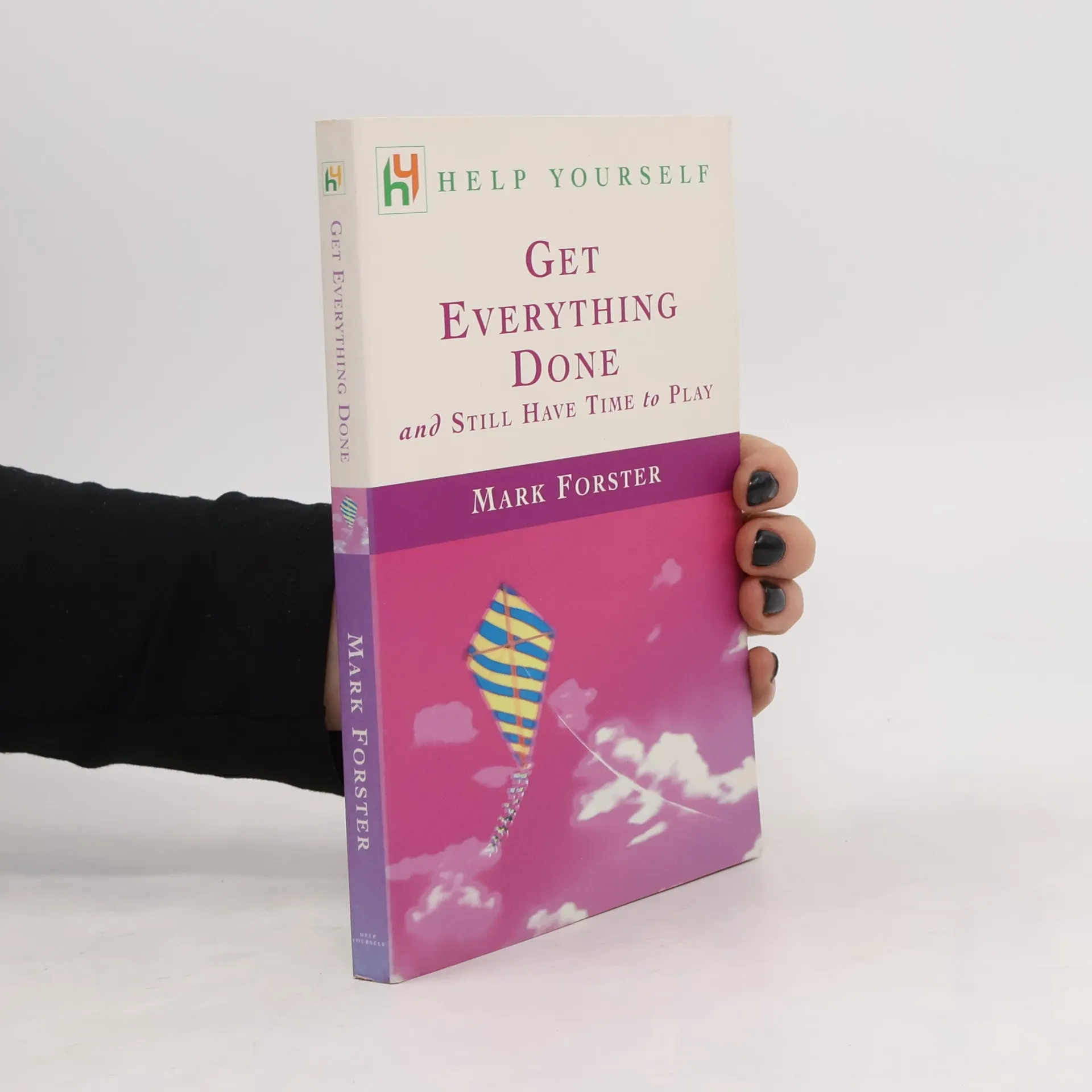
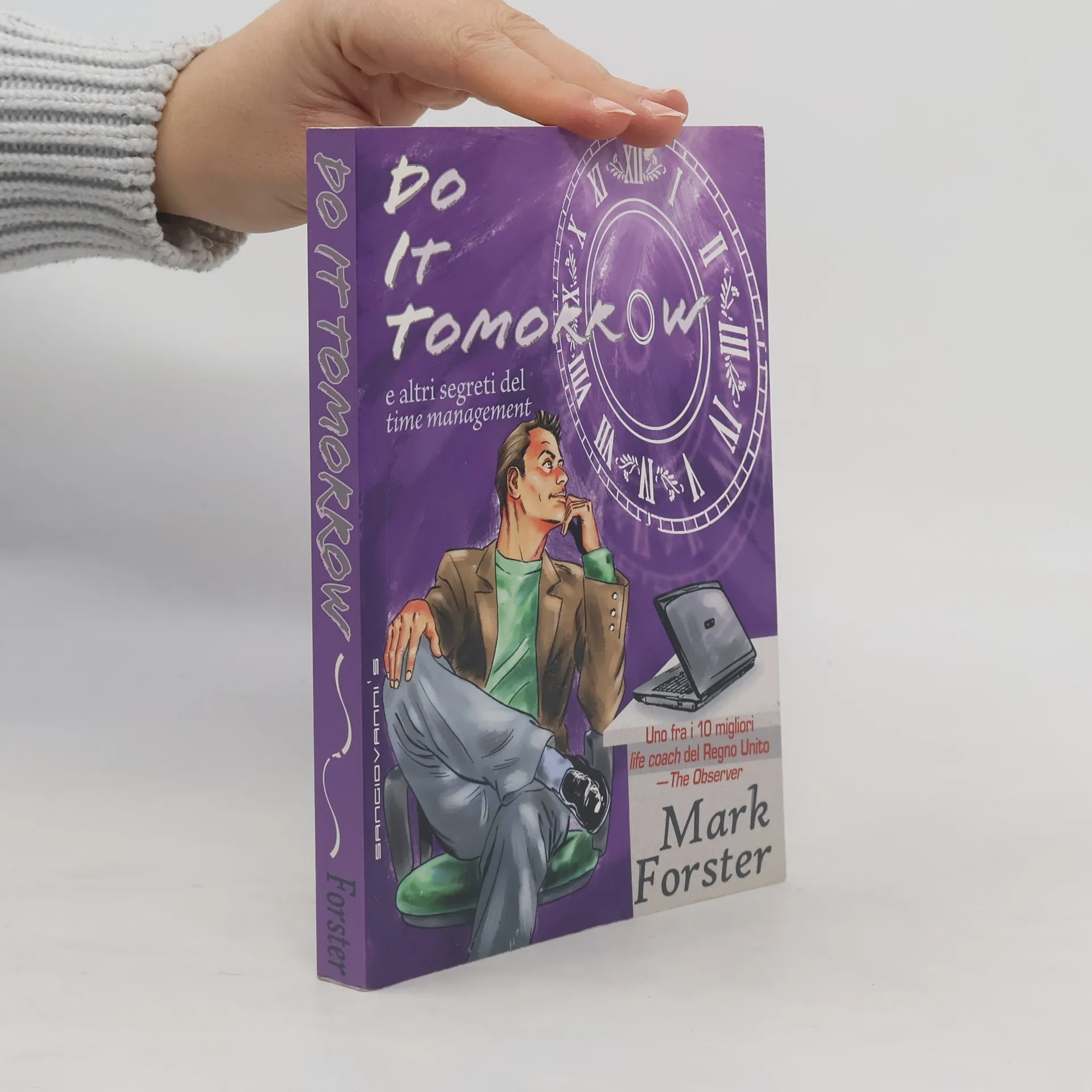
Time is what our lives are made of. Failure to use it properly is disastrous. Yet most books on time management don't work because they take little account of human psychology or the unexpected. This book, written for everyone who has to juggle different demands in a busy schedule, includes lots of help and advice in finding a system that works effectively and leads to more enjoyment of work and leisure. 'I left Mark Forster's time management workshop a changed woman. Yesterday I used his system for a whole day. It was stress-free and fun. I felt energised and satisfied at the end of it.' Sarah Litvinoff
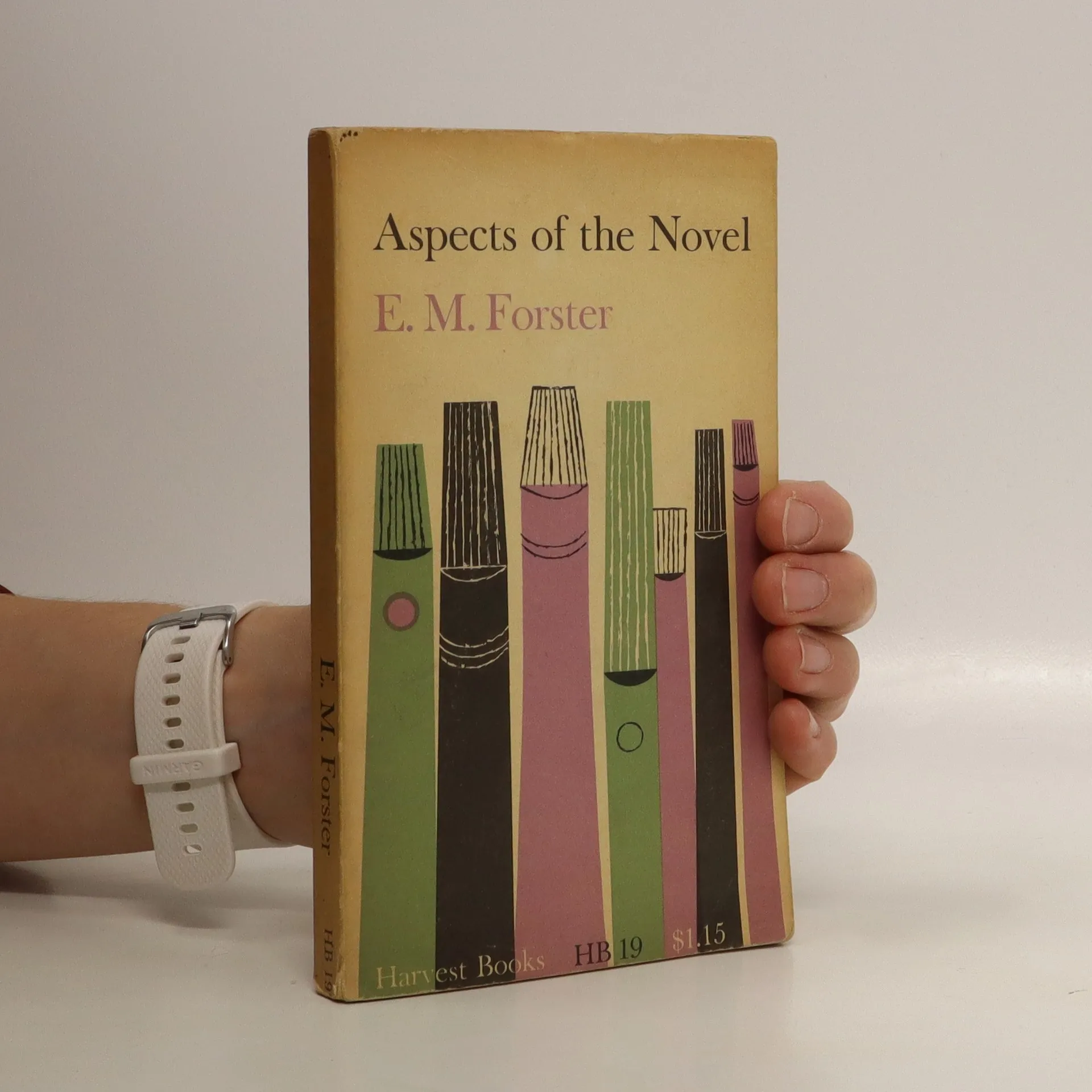
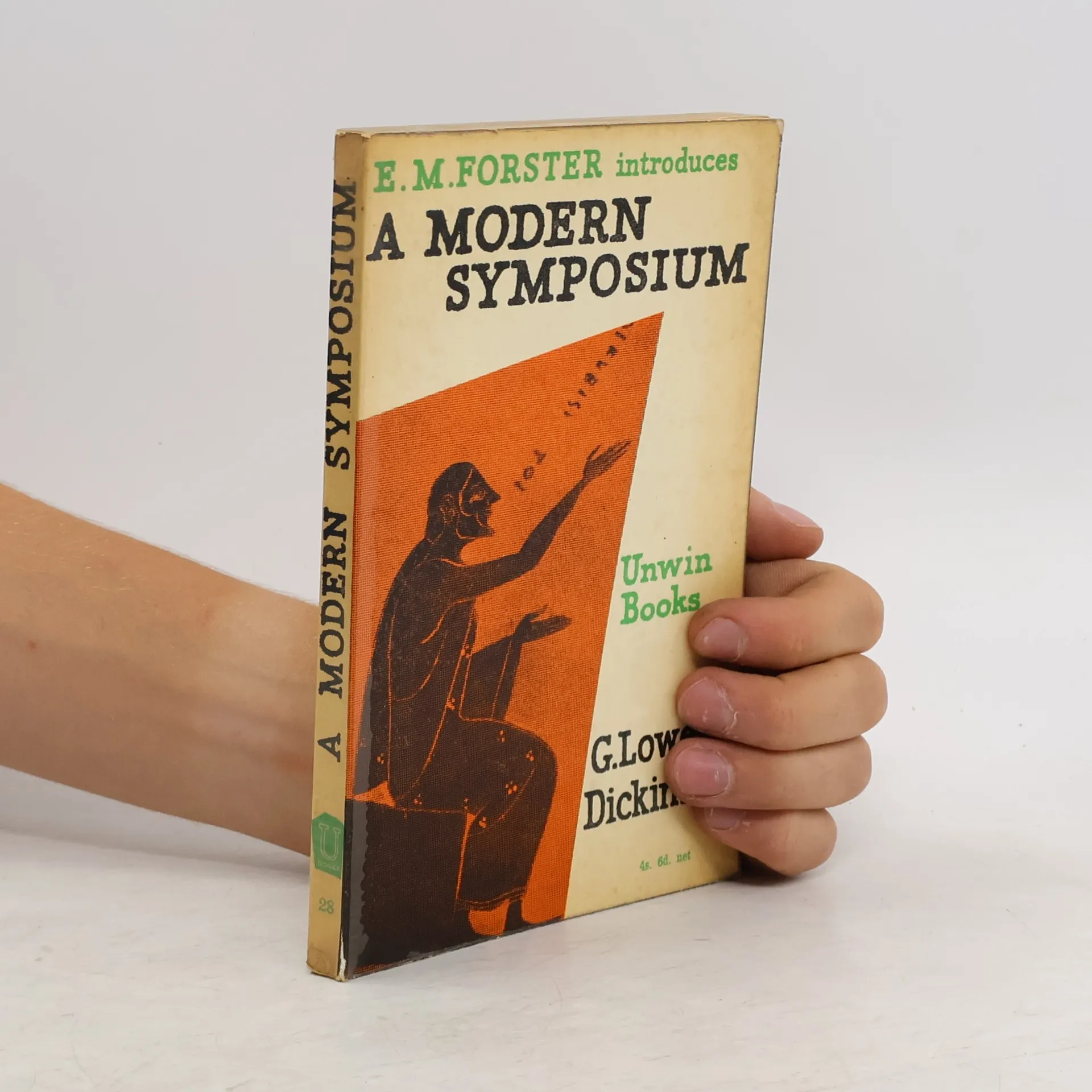
ASPECTS OF THE NOVEL is a unique attempt to examine the novel afresh, rejecting the traditional methods of classification by chronology or subject- matter.
Are we witnessing a psychotic break? Or, has someone with physical features strikingly similar to his own spotted an opportunity, and seized it?
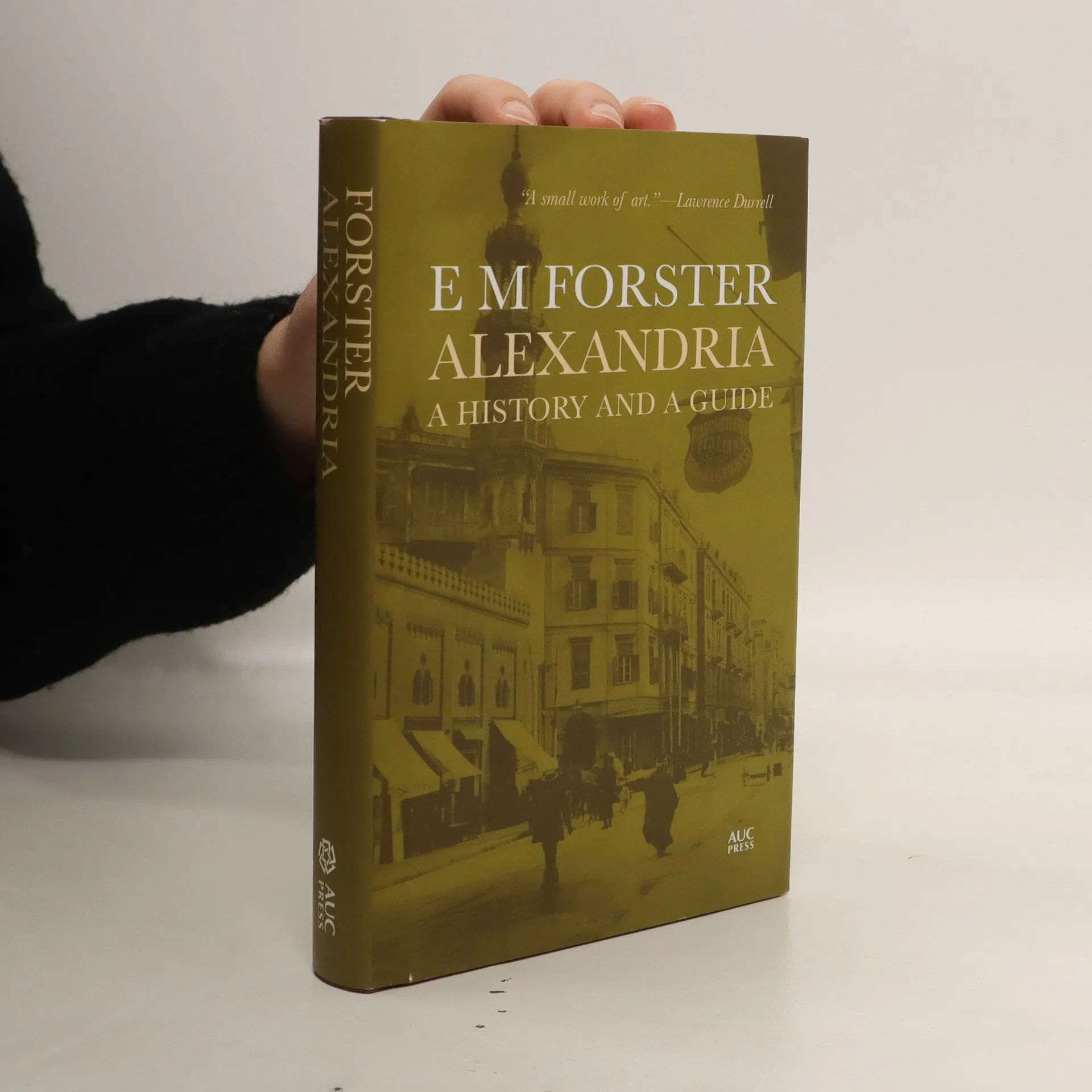
In the autumn of 1915, in a slightly heroic mood, E.M. Forster arrived in Alexandria, full of lofty ideals as a volunteer for the Red Cross. Yet most of his time was spent exploring the magic, antiquity, and complexity of the place in order to cope with living in what he saw as a “funk-hole.” With a novelist’s pen, he brings to life the fabled, romantic city of Alexander the Great, capital of Graeco-Roman Egypt, beacon of light and culture symbolized by the Pharaohs, where the doomed love affair of Antony and Cleopatra was played out and the greatest library the world has ever known was built. Threading 3,000 years of history with vibrant strands of literature and punctuating the narrative with his own experiences, Forster immortalized Alexandria, painting an incomparable portrait of the great city and, inadvertently, himself.
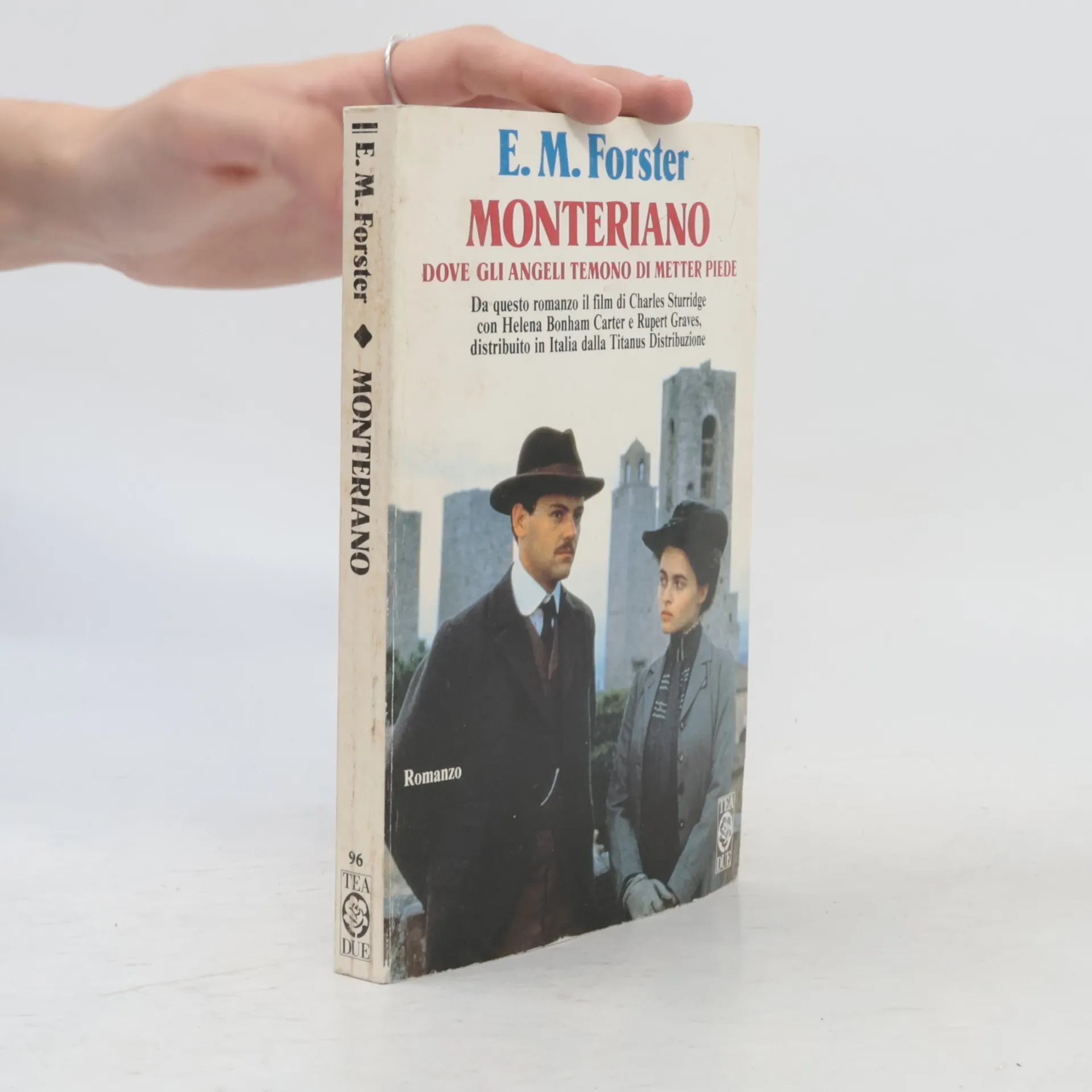
Like his novel A Room with a View, E. M. Forster's Where Angels Fear to Tread focuses on a group of English men and women living and traveling in Italy. A young Englishman journeys to Tuscany to rescue his late brother's wife from what appears to be an unsuitable romance with an Italian of little fortune. In the events surrounding that match and its fateful consequences, Forster weaves an exciting and eventful tale that intriguingly contrasts English and Italian lives and sensibilities. As in Forster novels, among them Howards End and A Passage to India, Where Angels Fear to Tread reveals the author's deep fascination with all of human experience — sexual, moral, spiritual, imaginative, material. Acutely observant of the ways of the English middle class, he is as critical here of its snobbishness, greed, and cultural insensitivity as he is respectful of its decency and kindness, common sense, and goodwill. This splendid novel reveals the great breadth of his gifts as both storyteller and humanist — attributes that continue to make him one of the twentieth century's most admired novelists.
A collection that explores the human spirit through a series of fantasy vignettes.
Part of a series of literature guides designed for GCSE and A Level coursework requirements, this book contains - author details, background to the work, summaries of the text, critical commentaries, analysis of characterization and sample questions with guideline answers.
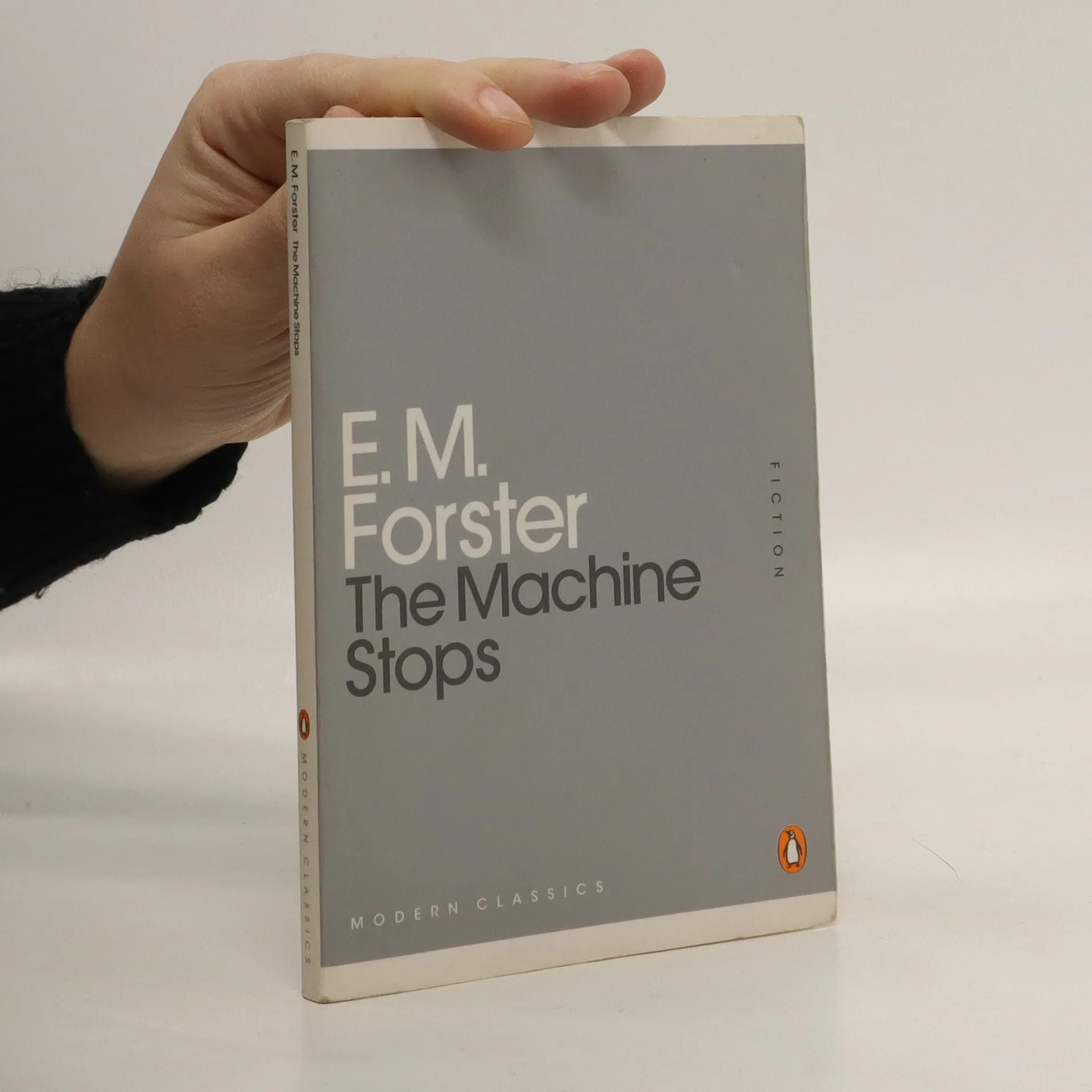
2017 Reprint of 1909 Edition. The story describes a world in which most of the human population has lost the ability to live on the surface of the Earth. Each individual now lives in isolation below ground in a standard room, with all bodily and spiritual needs met by the omnipotent, global Machine. Travel is permitted, but is unpopular and rarely necessary. Communication is made via a kind of instant messaging/video conferencing machine with which people conduct their only activity: the sharing of ideas and what passes for knowledge. It is intended as a chilling reminder of the possible consequences on over reliance on machines and the changes to human capacity and character that could result from this over dependence. Consider a classic of the science fiction genre and a prescient warning about our reliance on machine technology.
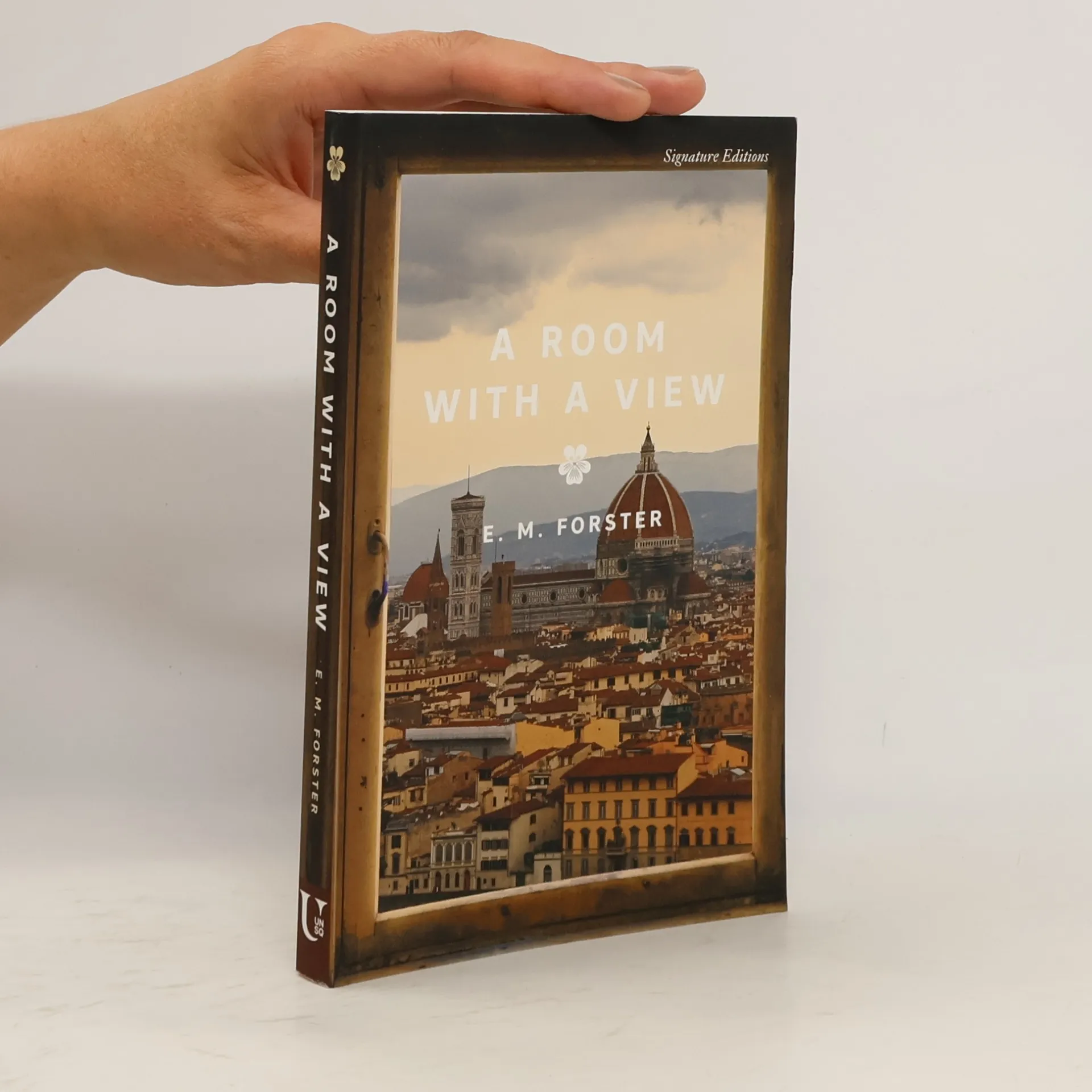
a Room with a View
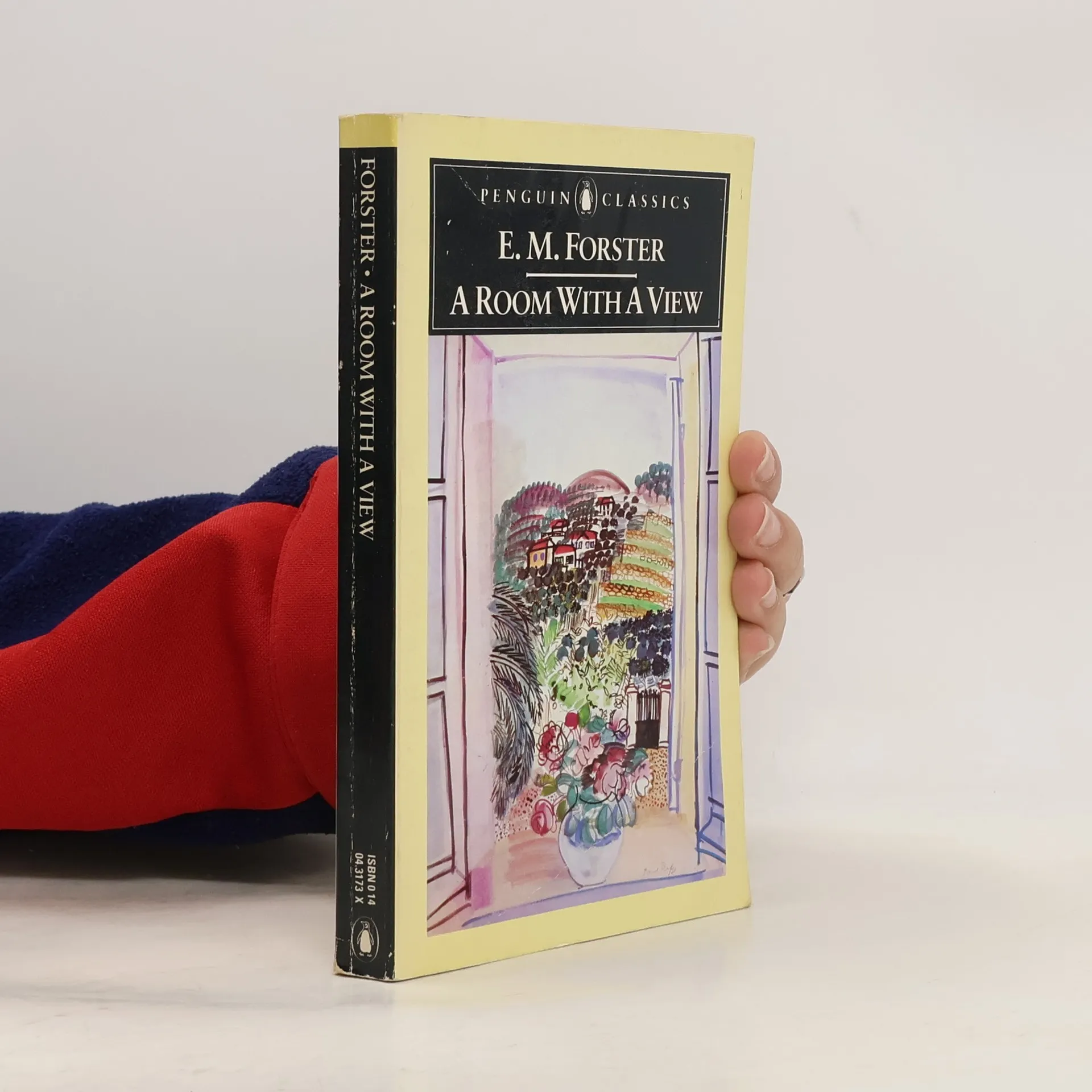
Penguin Readers is an ELT graded reader series designed for English language learners. It features adapted texts, new illustrations, and language exercises, with print editions providing access to online support materials. The collection includes classic literature, contemporary fiction, and insightful non-fiction, introducing learners to renowned authors and engaging content. The series comprises eight levels aligned with the Common European Framework of Reference (CEFR) for language learning. Each Reader includes exercises to practice grammar, vocabulary, and essential exam skills, along with questions that assess comprehension and enhance vocabulary. A Room with a View, categorized as a Level 4 Reader (A2+ CEFR), contains sentences with up to three clauses and introduces more complex grammatical structures such as present perfect simple, passives, phrasal verbs, and simple relative clauses. The text is complemented by frequent illustrations. The story follows Lucy Honeychurch, who, while on holiday in Florence, encounters the peculiar Mr. Emerson and his son, George. Alarmed by George's affections, she departs for Rome. However, when the Emersons become her neighbors back in England, Lucy faces a pivotal choice about her future. The print edition grants access to online resources, including a digital book, audio version, lesson plans, and answer keys.
"In Italy, Miss Lucy Honeychurch falls in love with the eccentric George Emerson, but later becomes engaged to the "sophisticated" Cecil Vyse. However, when George and his father rent a villa in England, Lucy is forced to choose between a life of convention and one of passion"--Back cover.
En la lujosa mansión de su abuela en Boston, Heaven Lee Castel sueña con una maravillosa nueva vida: nuevos amigos, las mejores escuelas, ropa elegante y, lo más importante, el amor. Pronto restauraría el nombre de los Castel, encontraría a sus hermanos y recuperaría a su familia. Sin embargo, incluso en el mundo de los ricos, había extrañas y feas presentimientos, así como secretos cerrados a cal y canto en el olvido. Y a medida que Heaven encontraba el amor, se iba atrapando poco a poco en una red sorprendentemente peligrosa de cruel engaño y pasión oculta.
Zana nie je práve nadšená, keď si jej nedávno ovdovený otec nájde novú ženu. A ešte k tomu do jej života vtrhne Brian, ktorý sa teraz nedobrovoľne stal jej nevlastným bratom! Brian si myslí, že Zanin otec sa oženil len kvôli peniazom, a chová sa neuveriteľne protivne... ale napriek tomu na Zanu zapôsobí svoju energetickú mužnosťou!
Názov svojho stěžejného diela, Cesta do Indie, prevzal Forster od Walta Whitmana. Zatiaľ čo americký básnik tak koncom 60. rokov 19. storočia pomenoval skladbu oslavujúcu otvorenie Suezského prieplavu, u britského romanopisce nadobúda téma možného porozumenia medzi obyvateľmi rôznych kontinentov podstatne trpkejšiu a ironickejšiu podobu. Forster postavil proti sebe dva tábory: na jednu stranu povýšeneckú anglickú menšinu, na stranu druhú miestnu indickú elitu, reprezentovanú doktorom Azízem, muslimským chirurgom, ktorý musí znášať ponižovanie vo vlastnej krajine. Medzi nimi hrá svoj part liberálny anglický učiteľ Fielding, ktorý si za sympatie k domorodému obyvateľstvu vyslúži od svojich krajanov podozrievavé opovrhnutie. Forsterov román odhaľuje ľudsky nedôstojné koloniálne praktiky a jeho posolstvo sa dotýka možností a prekážok komunikácie nielen medzi príslušníkmi rozdielnych národov či kultúr, ale aj medzi ľuďmi vôbec.
178pages. 20x12x2cm. Broché.
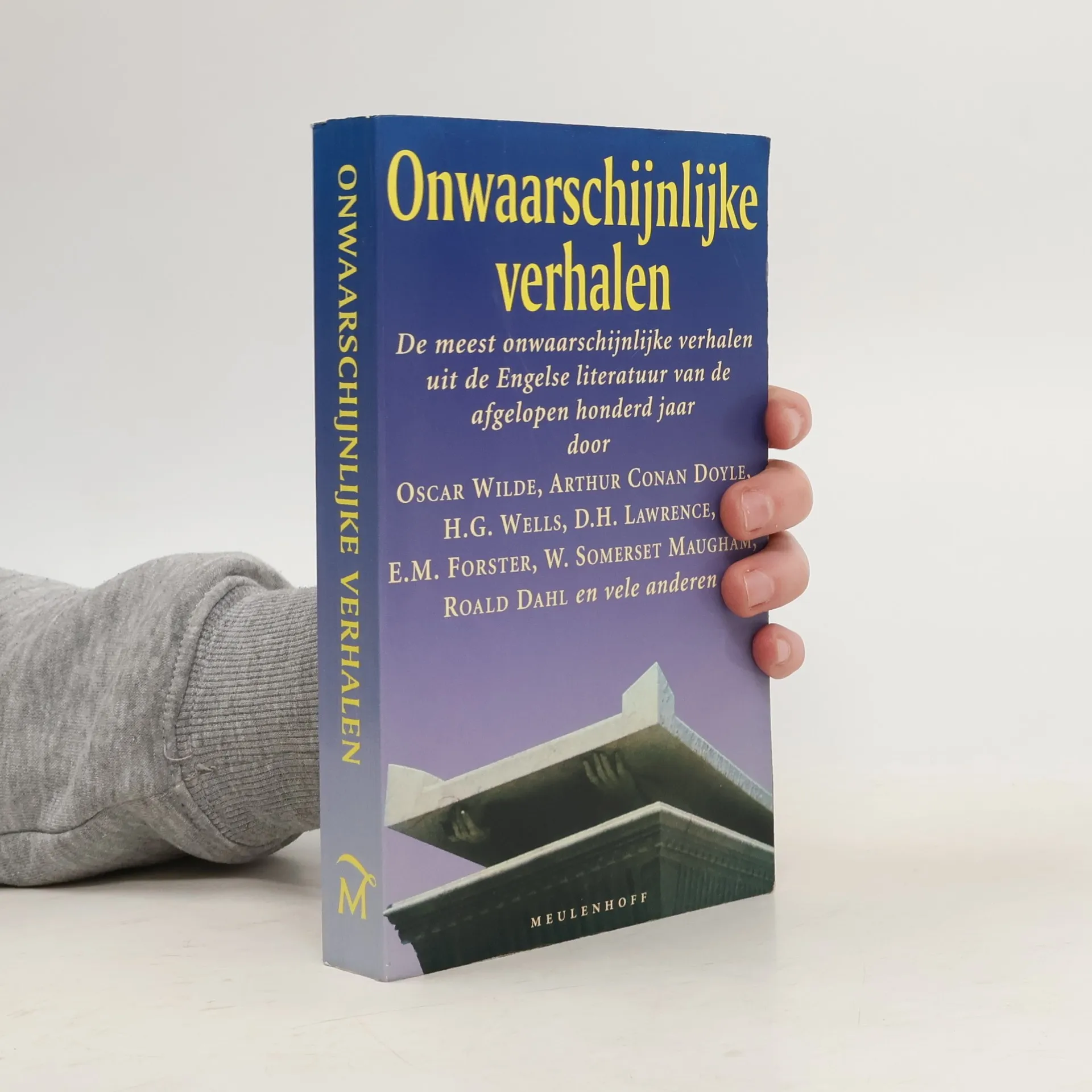
De meest onwaarschijnlijke verhalen uit de Engelse literatuur van de afgelopen honderd jaar van Oscar Wilde, Ernest Dowson, Arthur Machen, Robert Ross, Arthur Conan Doyle, H.G. Wells, Max Beerbohm, H.M. Bateman, D.H. Lawrence, E.M. Forster, W. Somerset Maugham, Roald Dahl, Vyvyan Holland en Harold Acton
Non contare il tempo... Fai contare il tempo! Le persone più efficienti e di maggior successo al mondo godono esattamente del tuo stesso 24 ore al giorno! Ti ritrovi spesso in corsa contro il tempo? Ti sembra di non averne mai abbastanza? Troppe priorità ti spingono contemporaneamente in direzioni diverse generando ansia, confusione e senso di sopraffazione? Sei sempre preso e dietro agli impegni, senza fare mai progressi davvero significativi? DIT -Do It Tomorrow- il nuovo acronimo che sta cambiando le regole del time management facendo proseliti in tutto il mondo illustra le ragioni che stanno dietro l'insuccesso della maggioranza dei sistemi di gestione temporale rivelando i trucchi e le tattiche avanzate per gestire il tempo efficientemente generando la massima produttività... senza stress.
Verhalen uit de wereldliteratuur over levensbeschouwelijke thema's.




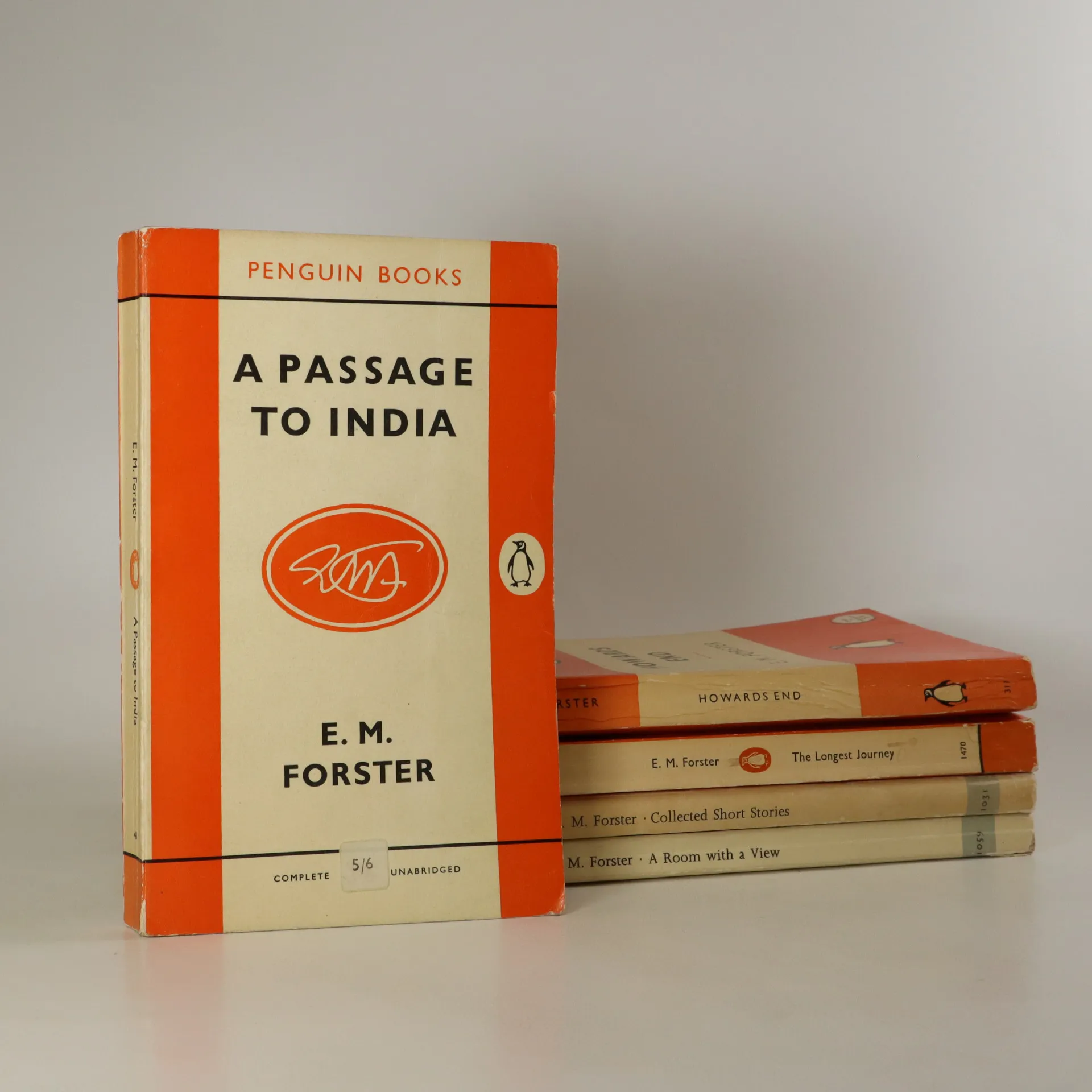
![Where angels fear to tread. The longest journey. A room with a view. Howards End ; [and], A passage to India](https://rezised-images.knhbt.cz/1920x1920/76192888.webp)