

Focusing on the ambitious megaprojects undertaken by Russian leaders over the last century, the book explores how these initiatives shaped the nation's identity and power. It highlights the contributions of various groups, including peasants and prisoners, in constructing monumental infrastructure like nuclear power stations and transcontinental railroads. By examining these projects, the author reveals deep continuities in Russian political culture, redefines the concept of empire to include internal colonization, and enriches the discourse on environmental and social history linked to large-scale technology.
Paul R. Josephson Bücher
1. Jänner 1954



Fish Sticks, Sports Bras, & Aluminum Cans. The Politics of Everyday Technologies
- 224 Seiten
- 8 Lesestunden
Historian Paul R. Josephson explores the surprising origins, political contexts, and social meanings of ordinary objects. Drawing on archival materials, technical journals, interviews, and field research, this engaging collection of essays reveals the forces that shape (and are shaped by) everyday objects.
Red Atom
- 352 Seiten
- 13 Lesestunden
Reveals the history and death of the Soviet Union’s peaceful use of nuclear power through exploration of both the projects and the technocratic and political elite who were dedicated to increasing state power through technology. Paul Josephson illuminates the problems that can befall any society heavily invested in large-scale technology.
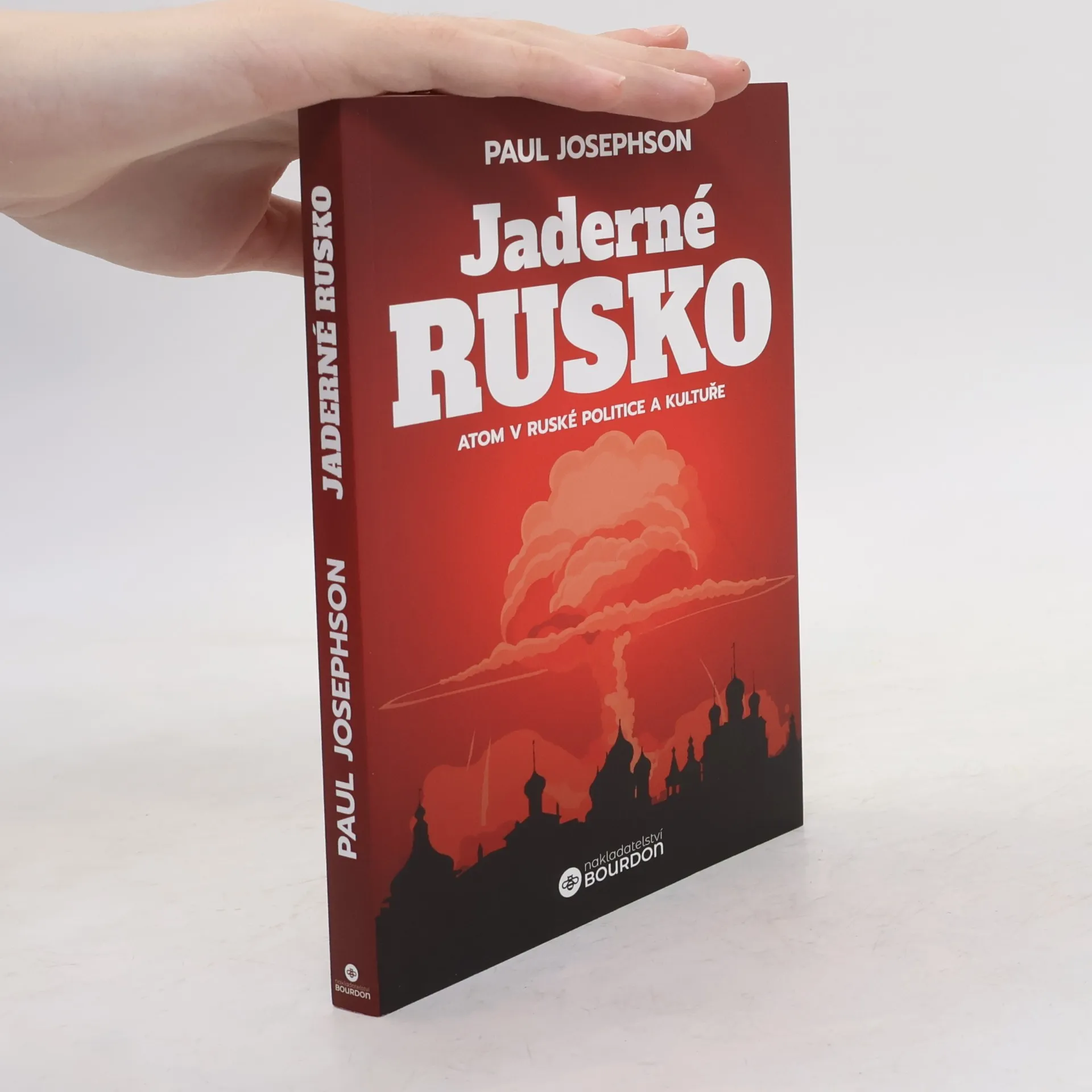
Jaderné Rusko atom v Ruské politice a kultuře
- 184 Seiten
- 7 Lesestunden
V první studii kulturních a politických dějin ruského atomového věku Paul Josephson popisuje vzestup jaderné fyziky v Sovětském svazu, od nadšené snahy o vojenské a mírové jaderné programy přes černobylskou katastrofu a pád Sovětského svazu až po tzv. „renesanci“ jaderné energie v Rusku21. století. Na vrcholu své moci měli Sověti 39 000 jaderných hlavic, ale prohlašovali se za služebníky „mírového atomu“, o který také horlivě usilovali. Tato kniha zkoumá vojenské i mírové sovětské a postsovětské jaderné programy v dlouhém období – před válkou, během studené války v Rusku až do současnosti. Zároveň se zabývá politickým a ideologickým významem jaderných technologií, souvisejícími ekonomickými cíli, společenskými a environmentálními náklady a kulturním pojetím jaderné energie. Nukleární Rusko zkoumá průsečíky dějin vědy a techniky, politických a kulturních dějin a dějin životního prostředí. Atom v ruské společnosti považuje Josephson za reflexi leninského technologického utopismu, požadavků studené války, vědecké pýchy, přijetí veřejností a tužby státu podmanit si přírodu. Autor se zaměřuje i na zásadní význam etnicity v jaderné historii, když ukazuje, jak v důsledku jaderných testů Kazaši a Němci přišli o domovy a zdraví. Připomíná také překvapivou sexualizaci zkrocení „ženského“ atomu v ruské soutěži „Miss Atom“, která začala ve 21. století.