

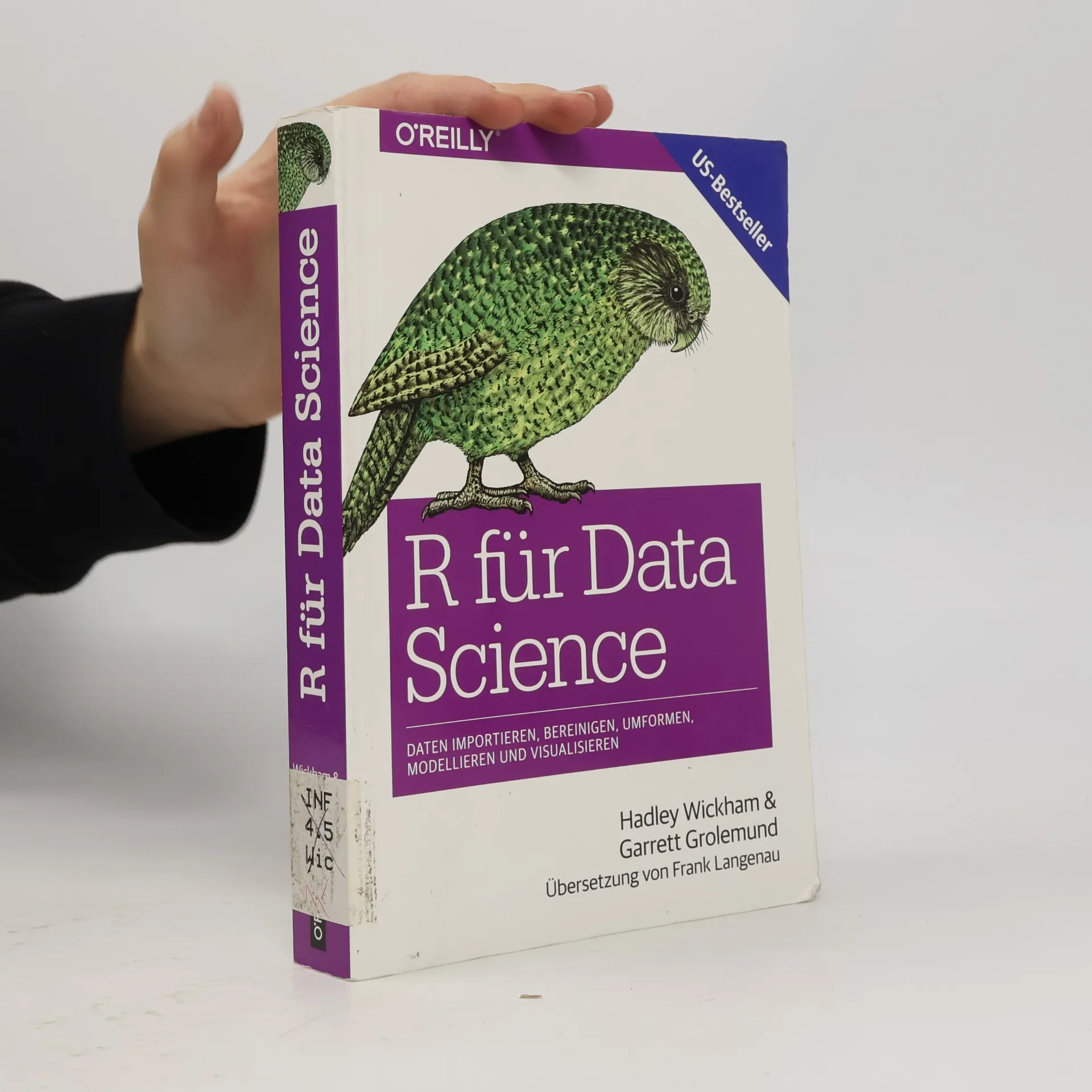
R für Data Science
Daten importieren, bereinigen, umformen und visualisieren


Daten importieren, bereinigen, umformen und visualisieren
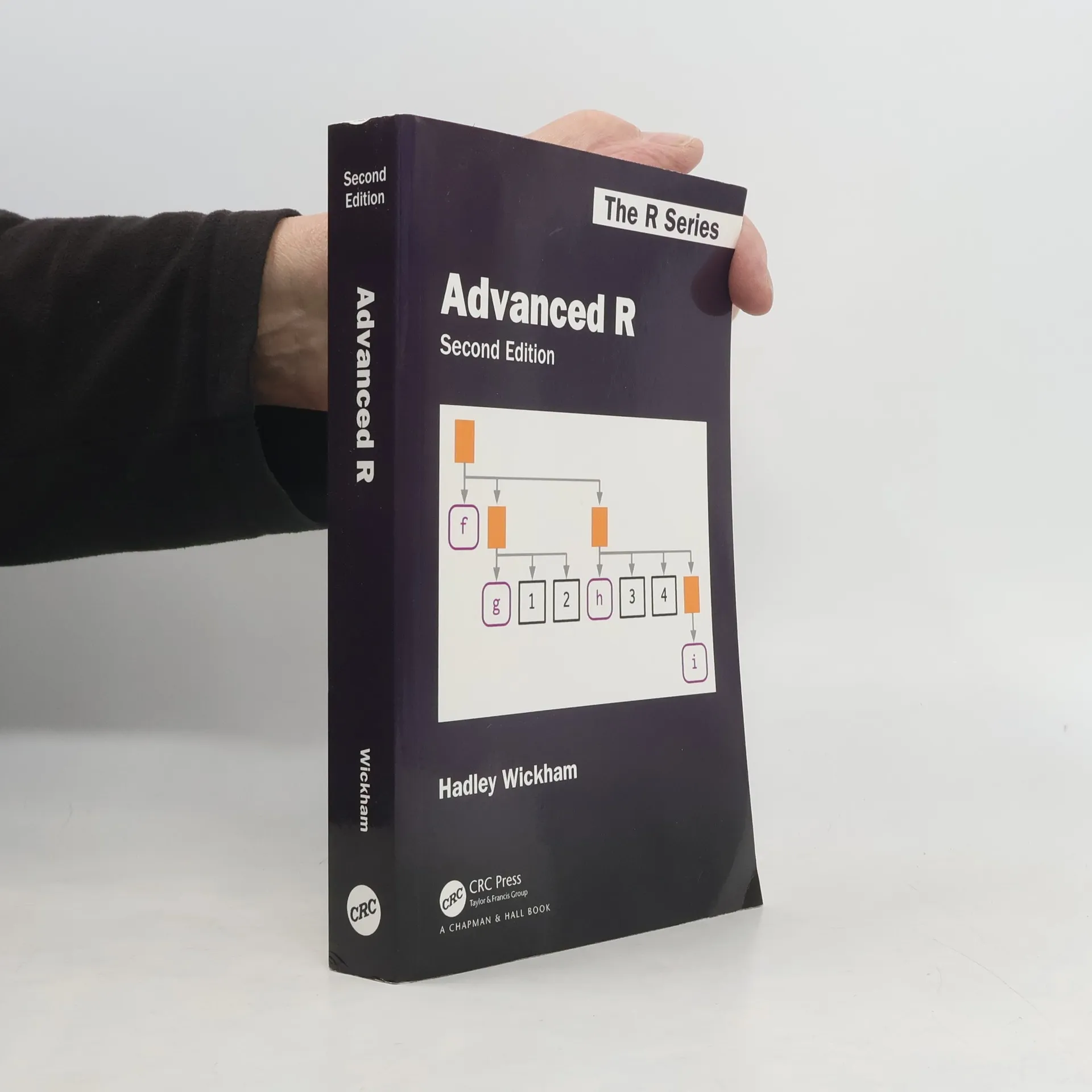
This resource delves into the fundamental workings of R, catering to both seasoned R programmers and those familiar with other languages seeking to grasp R's unique features. It covers foundational concepts, three core programming paradigms—functional, object-oriented, and metaprogramming—and offers advanced techniques for debugging and optimizing code. Readers will learn about the distinction between objects and their names, vector data structures and subsetting, the intricacies of functions and environments, and the condition system that governs messages, warnings, and errors. The book emphasizes the functional programming paradigm, which can often replace traditional loops, and explores the key object-oriented systems: S3, S4, and R6. It introduces the tidy eval toolkit for metaprogramming, enabling code manipulation and evaluation control, along with effective debugging strategies applicable across various coding scenarios. The updated edition features new foundational chapters, comprehensive object-oriented programming coverage, and enhanced metaprogramming insights, including the tidy evaluation framework. It also incorporates new packages like rlang for low-level operations and purrr for functional programming, while utilizing color in code chunks and figures. The author, Hadley Wickham, is a prominent figure in the R community, known for his contributions to data science through the tidyverse collection.
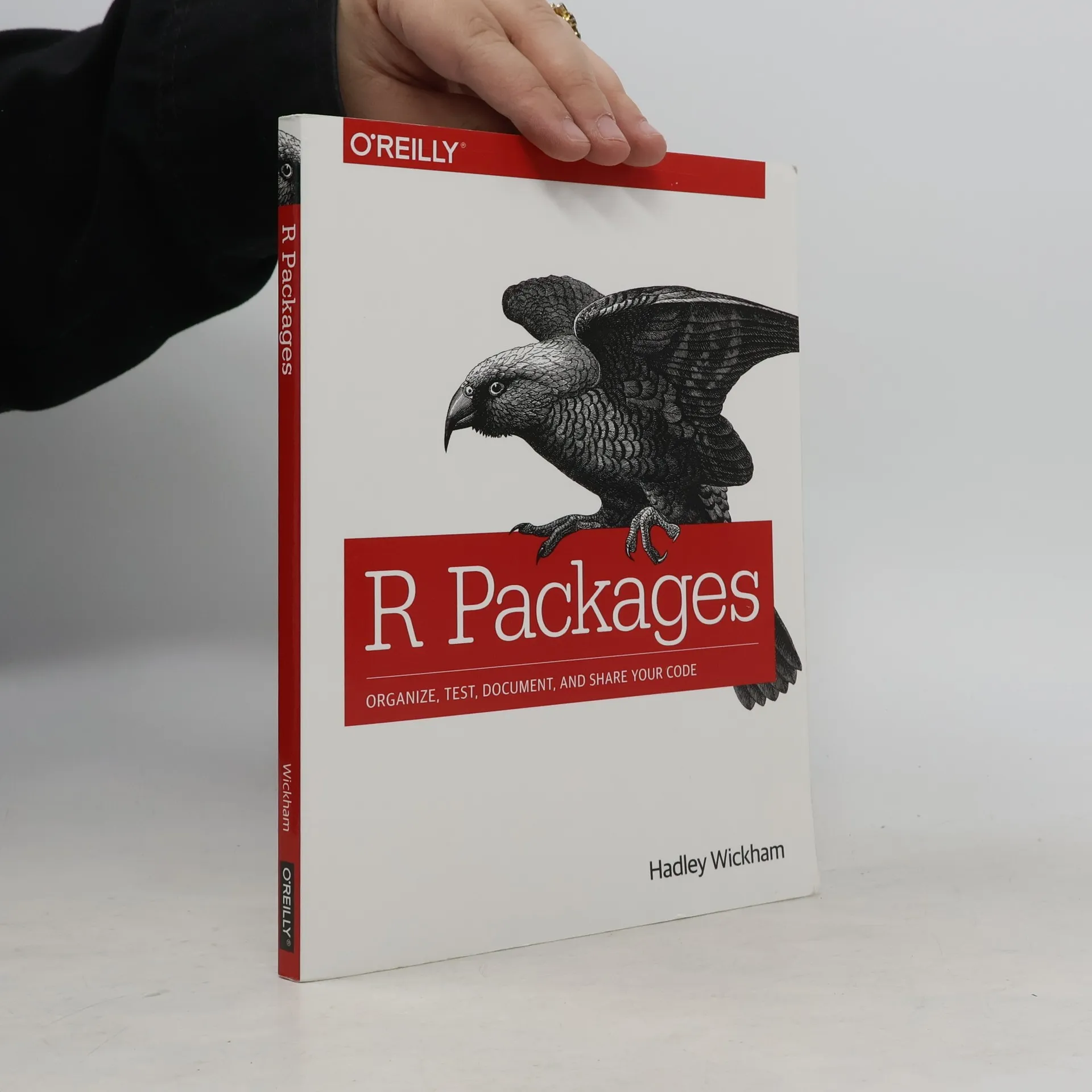
Focusing on practical application, this guide empowers developers and data scientists to start creating packages quickly while emphasizing functionality over structure. It offers a progressive approach to improving package development skills, encouraging readers to prioritize their goals and capabilities throughout the learning process.
Learn how to use R to turn raw data into insight, knowledge, and understanding. This book introduces you to R, RStudio, and the tidyverse, a collection of R packages designed to work together to make data science fast, fluent, and fun. Suitable for readers with no previous programming experience, R for Data Science is designed to get you doing data science as quickly as possible. Authors Hadley Wickham and Garrett Grolemund guide you through the steps of importing, wrangling, exploring, and modeling your data and communicating the results. You'll get a complete, big-picture understanding of the data science cycle, along with basic tools you need to manage the details. Each section of the book is paired with exercises to help you practice what you've learned along the way. You'll learn how to: Wrangle-transform your datasets into a form convenient for analysis Program-learn powerful R tools for solving data problems with greater clarity and ease Explore-examine your data, generate hypotheses, and quickly test them Model-provide a low-dimensional summary that captures true "signals" in your dataset Communicate-learn R Markdown for integrating prose, code, and results
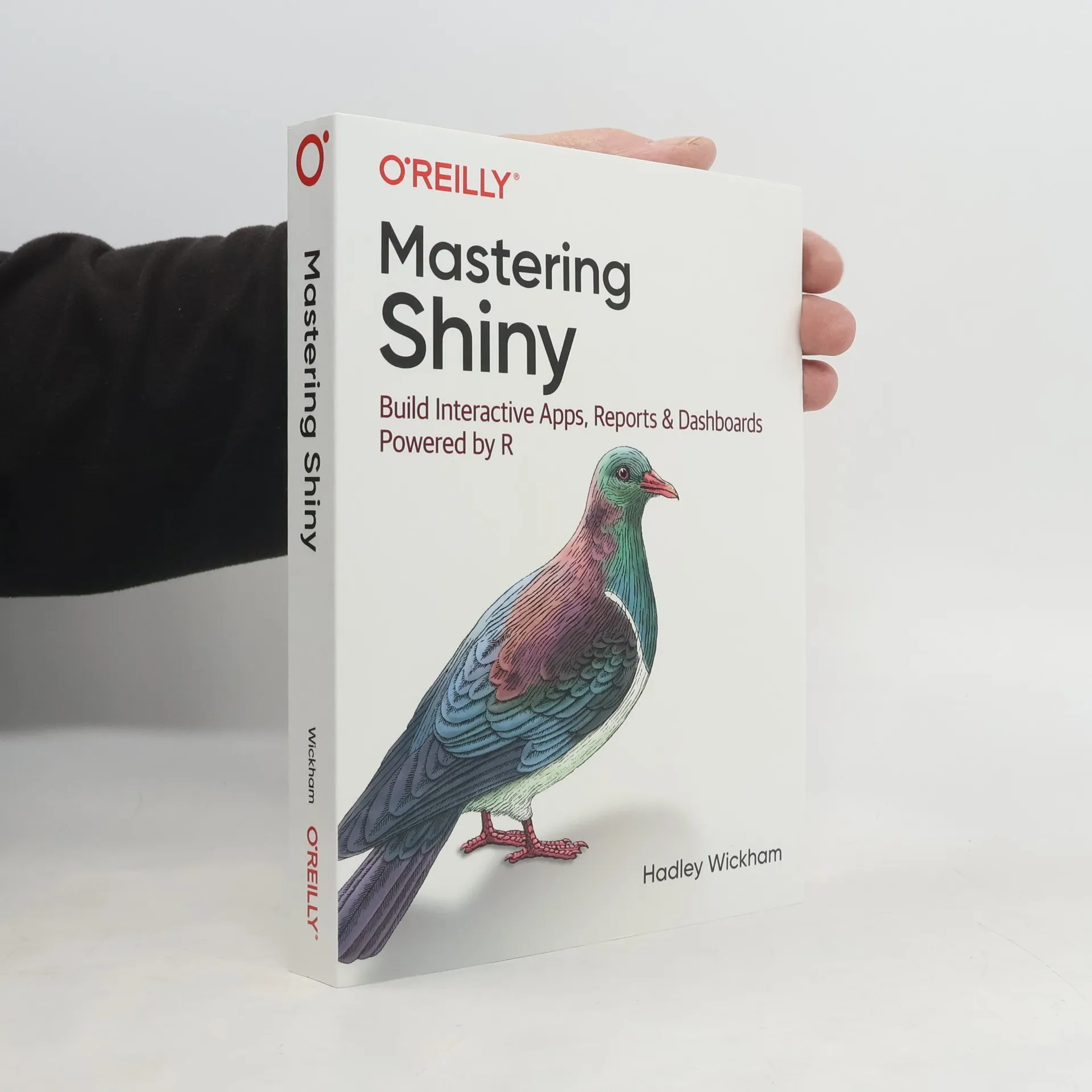
Master the Shiny web framework—and take your R skills to a whole new level. By letting you move beyond static reports, Shiny helps you create fully interactive web apps for data analyses. Users will be able to jump between datasets, explore different subsets or facets of the data, run models with parameter values of their choosing, customize visualizations, and much more. Hadley Wickham from RStudio shows data scientists, data analysts, statisticians, and scientific researchers with no knowledge of HTML, CSS, or JavaScript how to create rich web apps from R. This in-depth guide provides a learning path that you can follow with confidence, as you go from a Shiny beginner to an expert developer who can write large, complex apps that are maintainable and performant.
Aby w pełni wykorzystać potencjał danych i przekształcać je w wartościową wiedzę, musisz się posługiwać odpowiednimi narzędziami. Szczególnie przyda Ci się znajomość języka R, który pozwala na efektywne wykonywanie zadań, od importowania surowych danych po komunikowanie uzyskanych wyników w zrozumiały sposób. Oto drugie, zaktualizowane wydanie znakomitego przewodnika dla analityków danych. Dzięki niemu dowiesz się, w jaki sposób używać języka R do importowania, przekształcania i wizualizowania danych, a także do przekazywania uzyskanych wyników analizy. Nauczysz się też rozwiązywać najczęściej występujące problemy, a liczne ćwiczenia ułatwią Ci utrwalenie zdobytej wiedzy. Omówiono tu najnowsze funkcje języka i najlepsze praktyki w data science. Zaprezentowano również zasady korzystania z wielu bibliotek języka R, na przykład tidyverse, służącej do pobierania informacji z różnych źródeł. Dzięki tej książce nauczysz się: wizualizować, czyli tworzyć wykresy na potrzeby eksploracji danych przekształcać, czyli pracować z różnymi typami zmiennych importować, czyli pobierać dane w formie wygodnej do analizy programować, czyli rozwiązywać problemy z danymi za pomocą języka R przekazywać informacje, czyli pracować z użyciem Quarto