Niels Gutschow Bücher
27. November 1941


Klappentext: „Achtsamkeit ist der Schlüssel, der zur Erkenntnis, zur Erlösung und letztendlich zur völligen Erleuchtung führt“. Die Lehre des Buddha zeigt den Weg dorthin. Kompetente Autoren breiten die Lehre aus und weisen für Deutschland und Nepal Institutionen und Treffpunkte nach, wo Einführungen und Meditationskurse angeboten werden. – Zudem werden die den Buddha und seine Lehre symbolisierenden Votivbauten im Tal von Kathmandu vorgeführt, Stupas, deren wichtigste Vertreter an Hand eines Lageplans der Stadt Patan aufgesucht werden können.
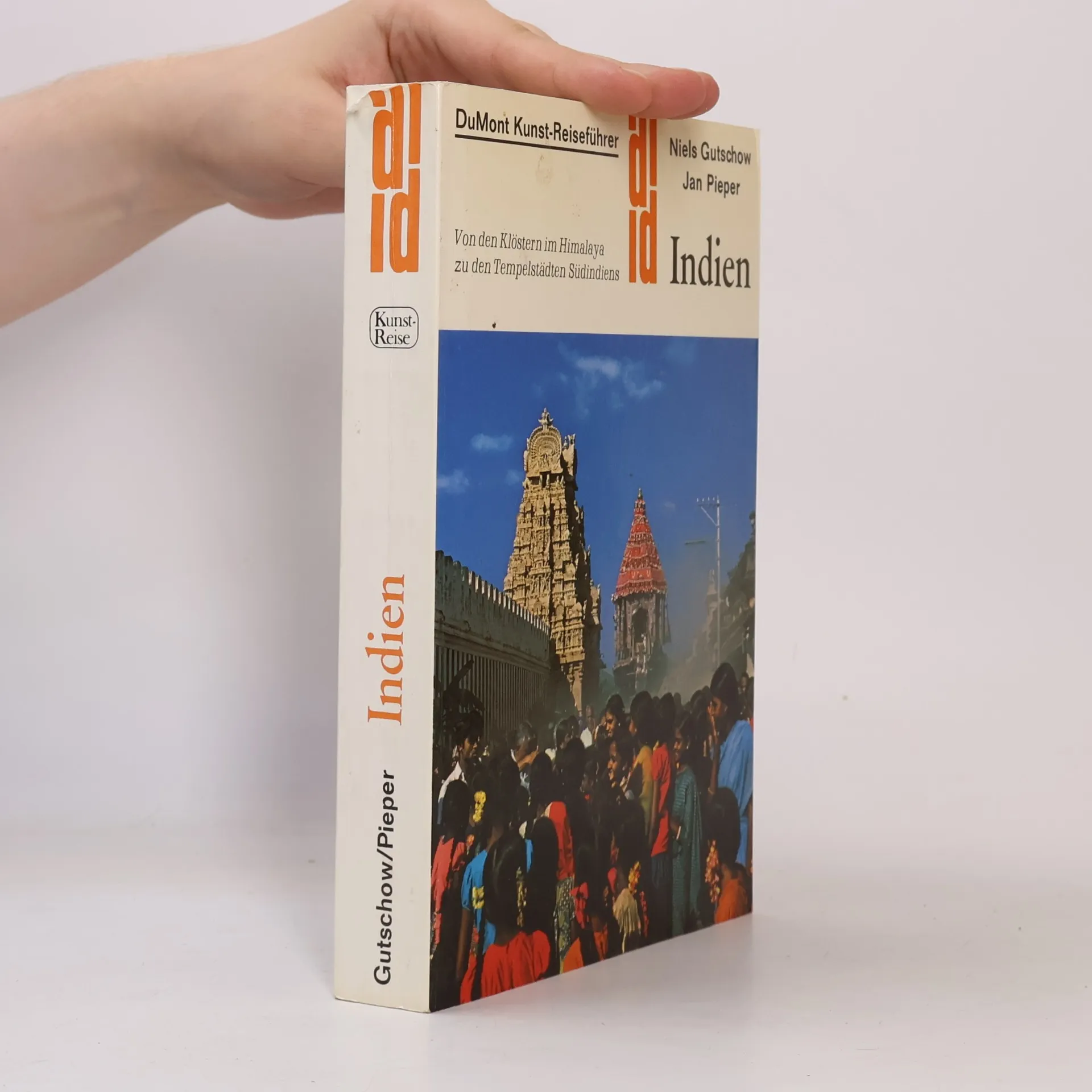
Indien
- 424 Seiten
- 15 Lesestunden
Mit Beitr. v. Kölver, Bernhard ; Fischer, Klaus. Bauformen und Stadtgestalt einer beständigen Tradition. 229 Abb., dav. 41 farb., 72 Zeichn. u. Pl. 437 S. 9. A.
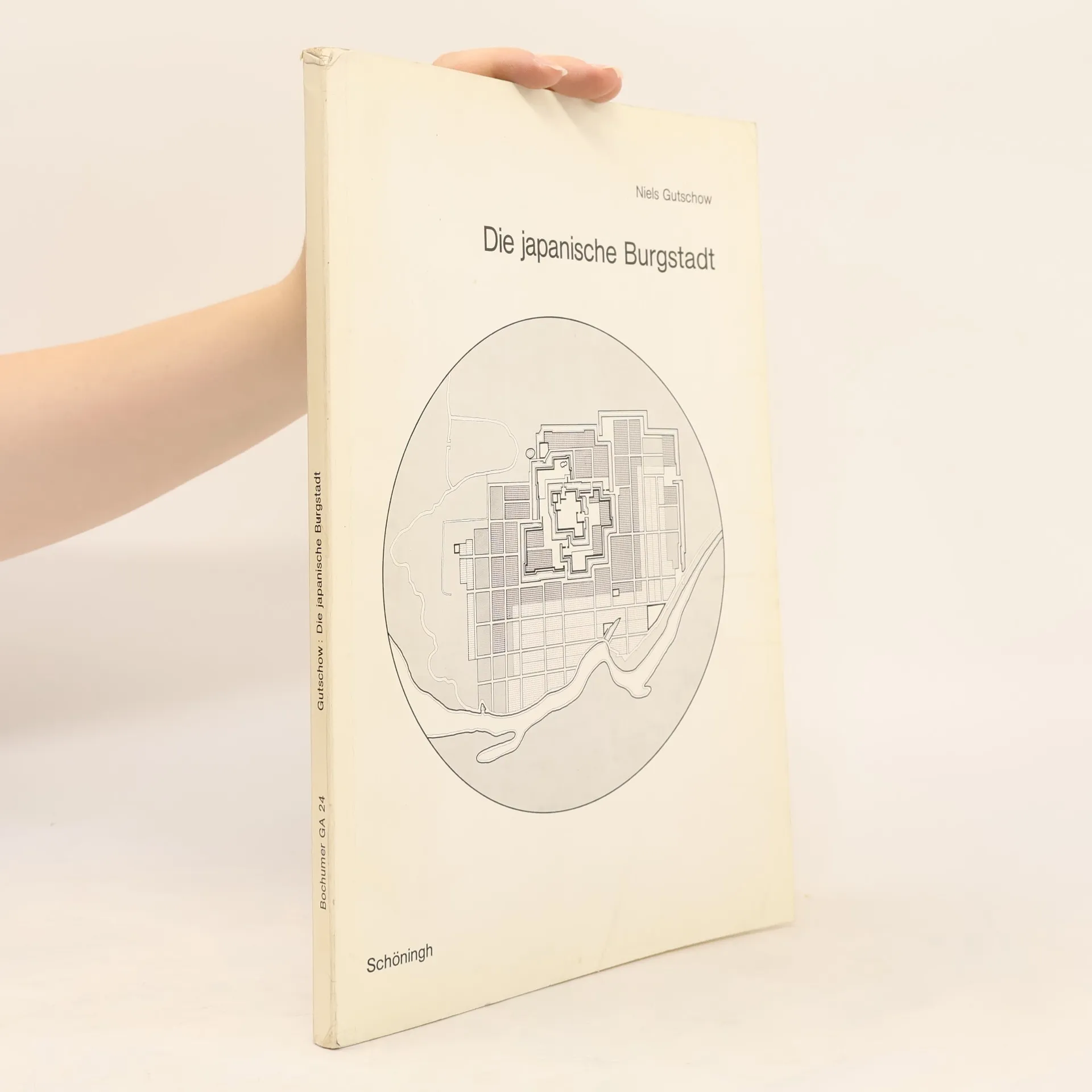
Bochumer geographische Arbeiten - 24: Die japanische Burgstadt
- 135 Seiten
- 5 Lesestunden
German
German
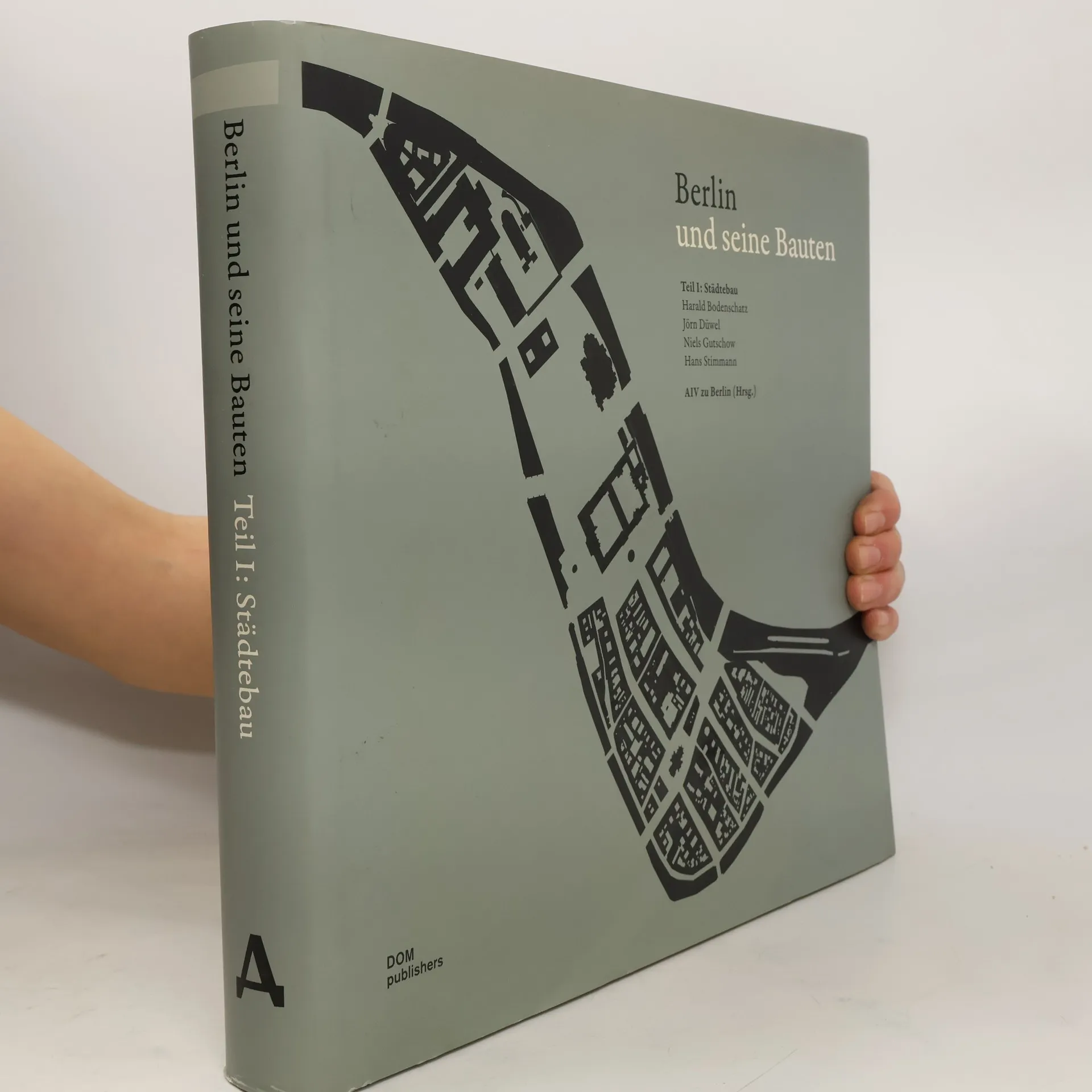
Summary: Berlin war seit dem späten 19. Jahrhundert ein Labor des Städtebaus. Dieses Buch entfaltet die städtebaulichen Leitideen und -projekte der grössten deutschen Stadt im widersprüchlichen 20. Jahrhundert. Es widmet sich den grossen Themen des Städtebaus, die immer auch gesellschaftliche Anliegen waren - Befreiung von überkommenen Fesseln, hoffnungsfroher Fortschritt und sozialer Ausgleich. Präsentiert werden drei Perioden des Städtebaus: die zweite Hälfte der Kaiserzeit bis zum Ersten Weltkrieg, die Zeit vom Ersten Weltkrieg bis in die siebziger Jahre und die Zeit seit den siebziger Jahren. Mit diesem Band schliesst die 1964 durch den Architekten- und Ingenieur-Verein zu Berlin gestartete dritte Ausgabe von Berlin und seine Bauten, ein mit 24 Bänden einzigartiges Publikationsprojekt in Europa.
The final chapter is dedicated to stone in modern art. The Surrealists of the 1920s were 'stricken with sculptural fever' when confronted with 'living stones'. André Breton explained his fascination in an essay titled 'The Language of Stone'.