Gratis Versand in ganz Österreich
Bookbot

Hugh Trevor-Roper

    15. Jänner 1914 – 26. Jänner 2003
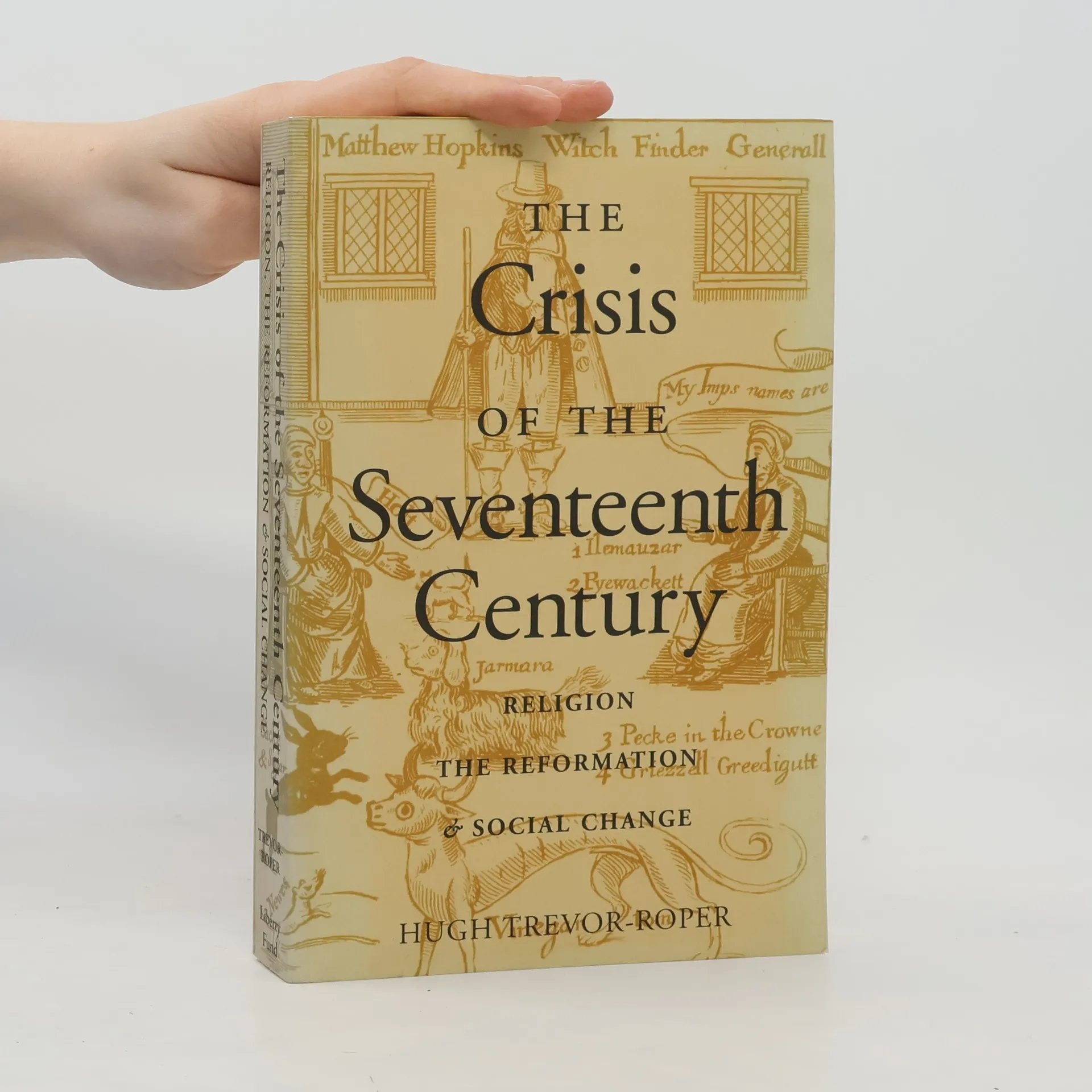
    Crisis of the Seventeenth Century
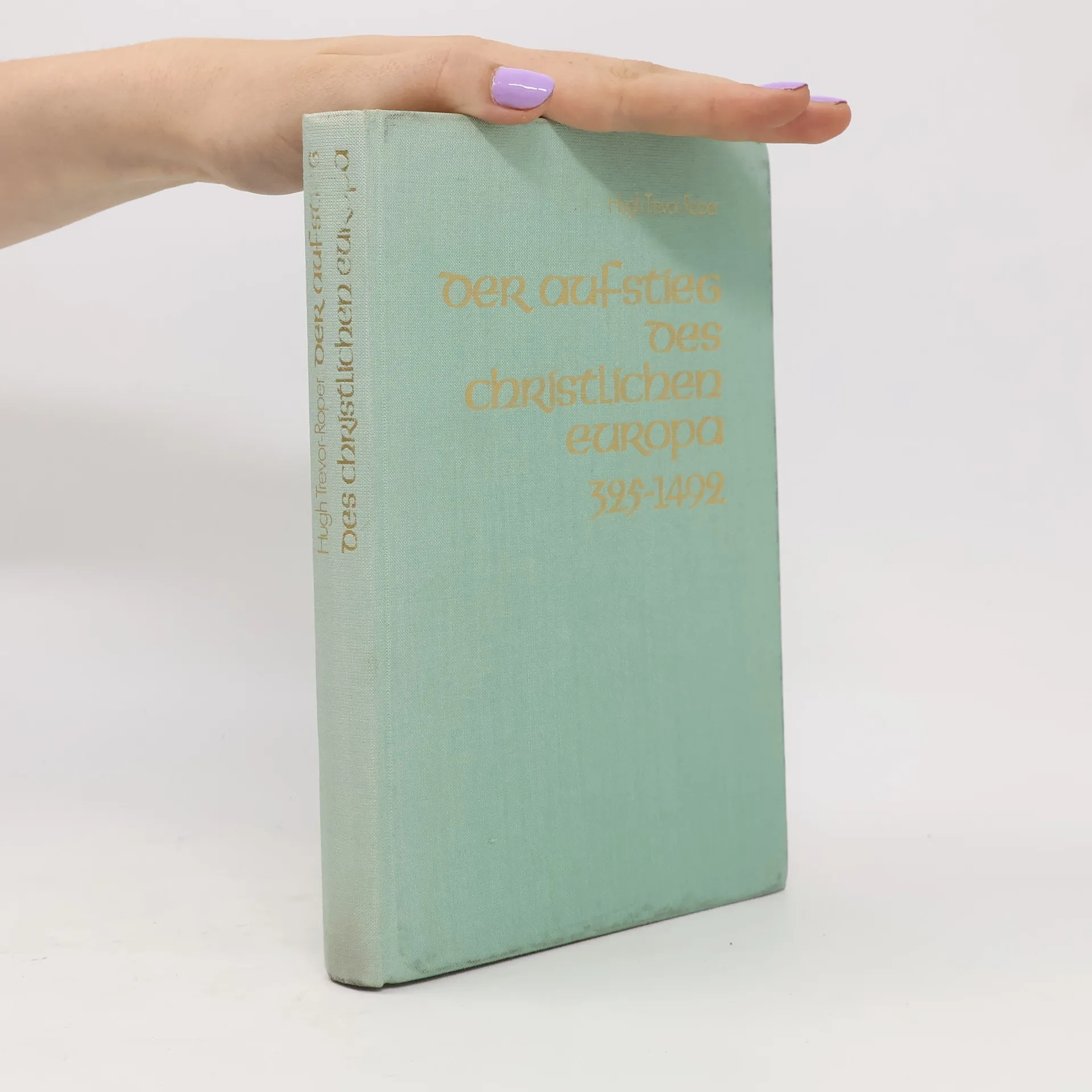
    Der Aufstieg des christlichen Europa
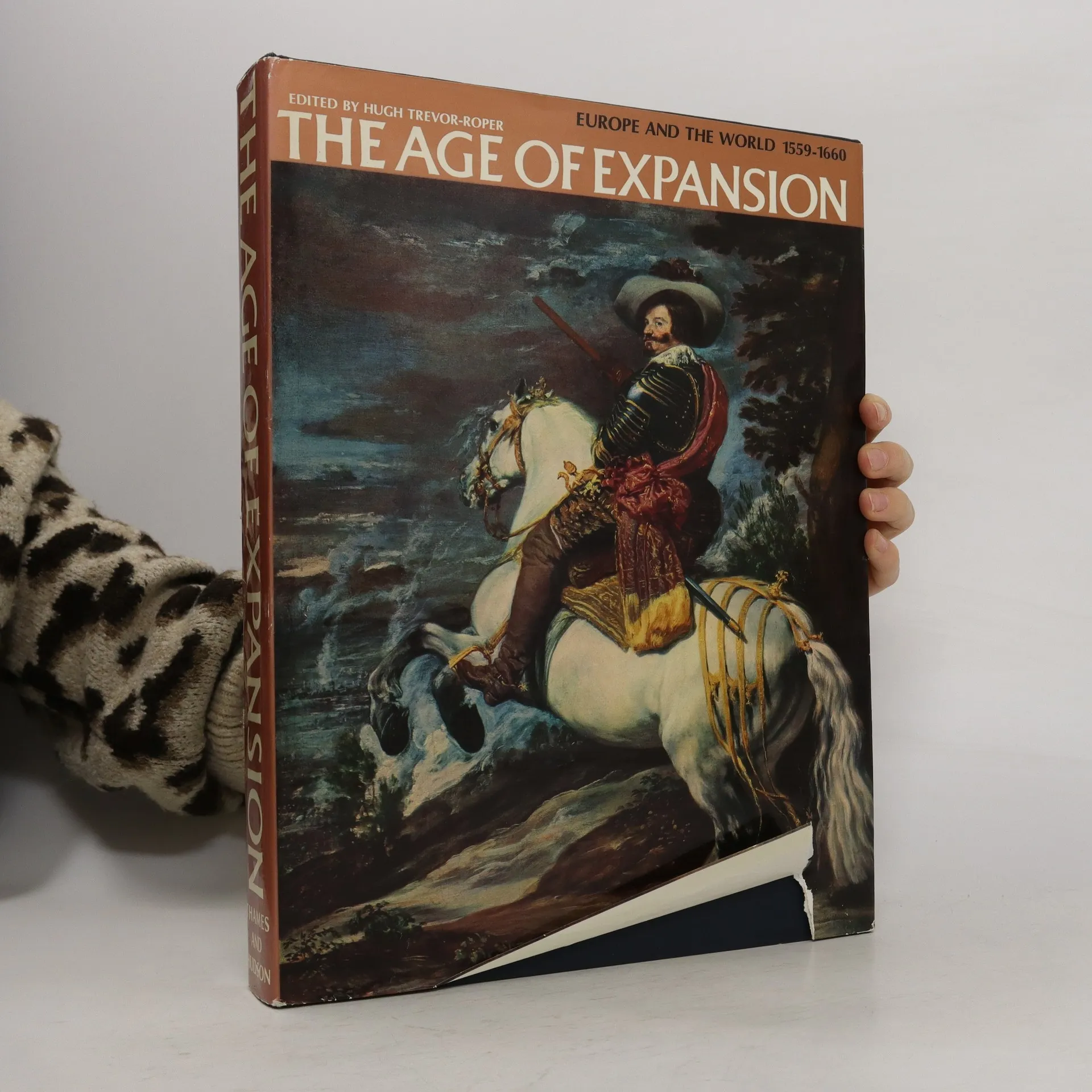
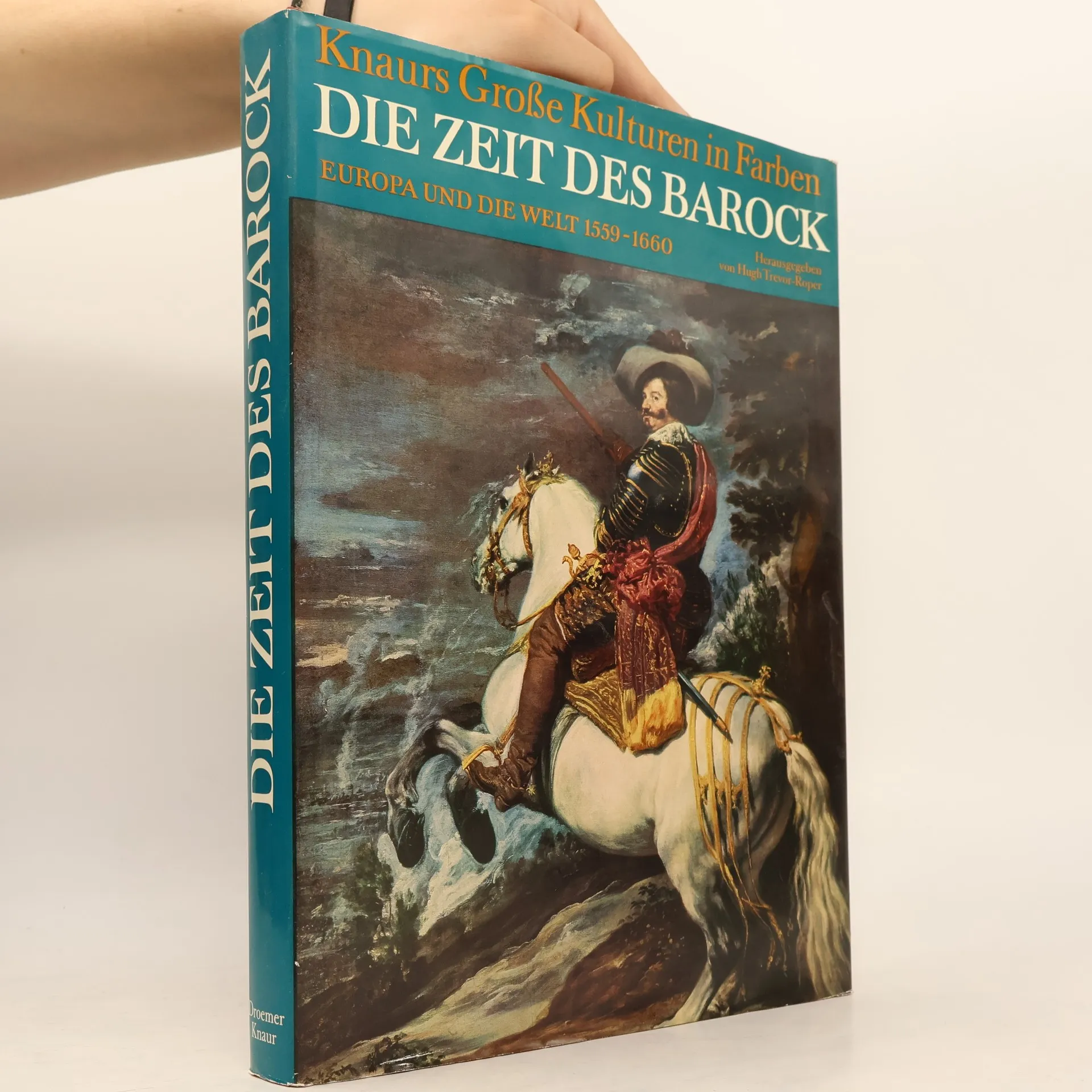
    Die Zeit des Barock
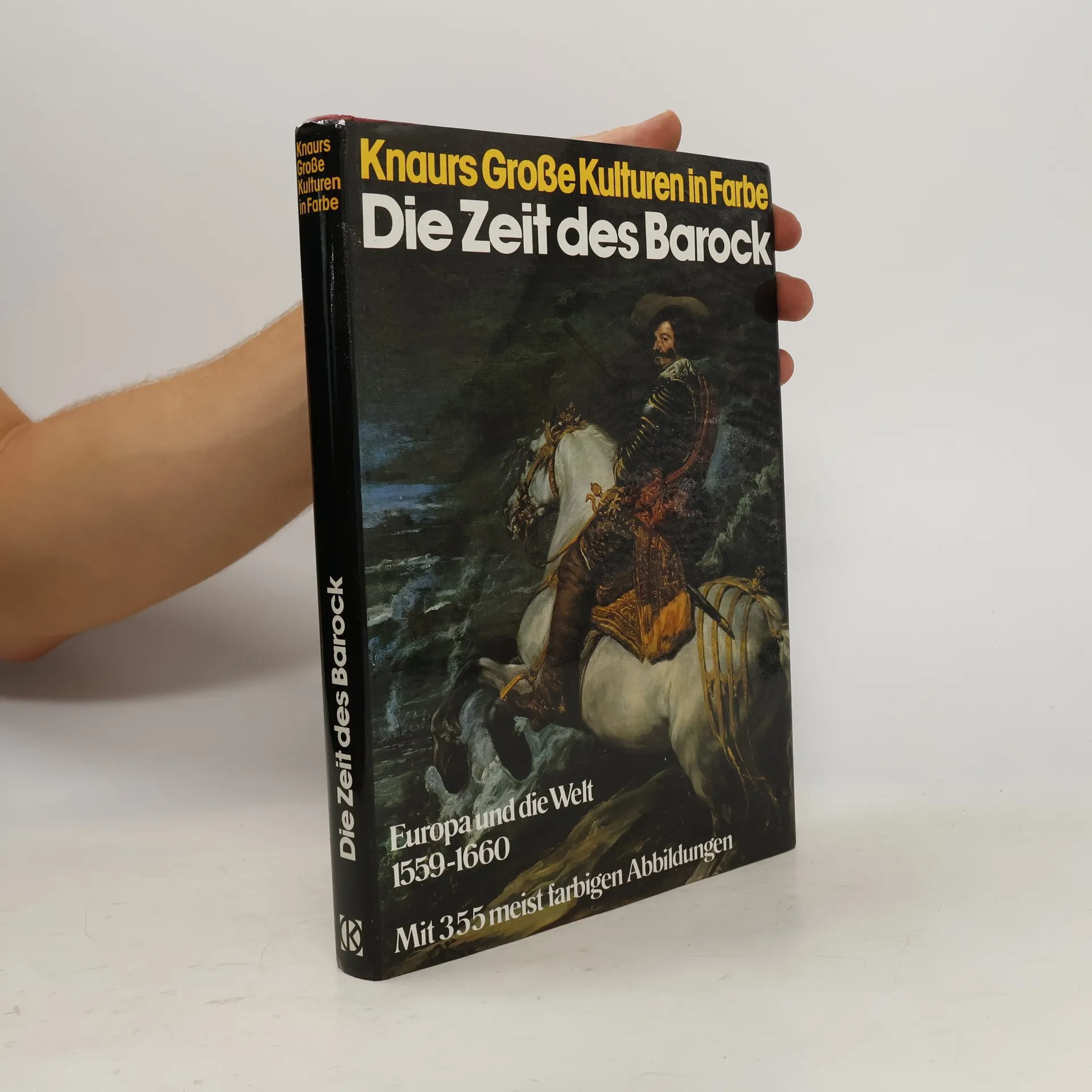
    Die Zeit des Barock. Europa und die Welt 1559-1660
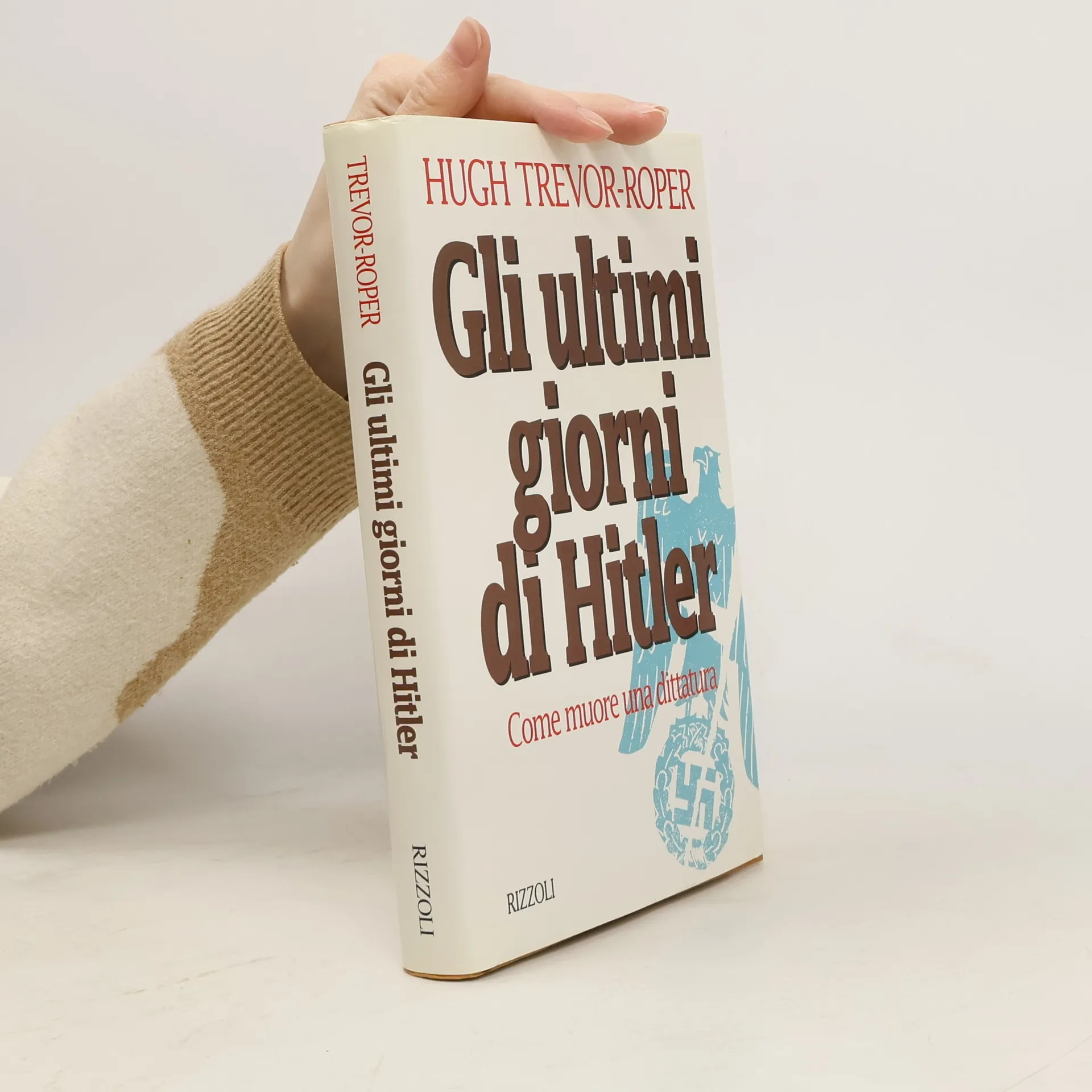
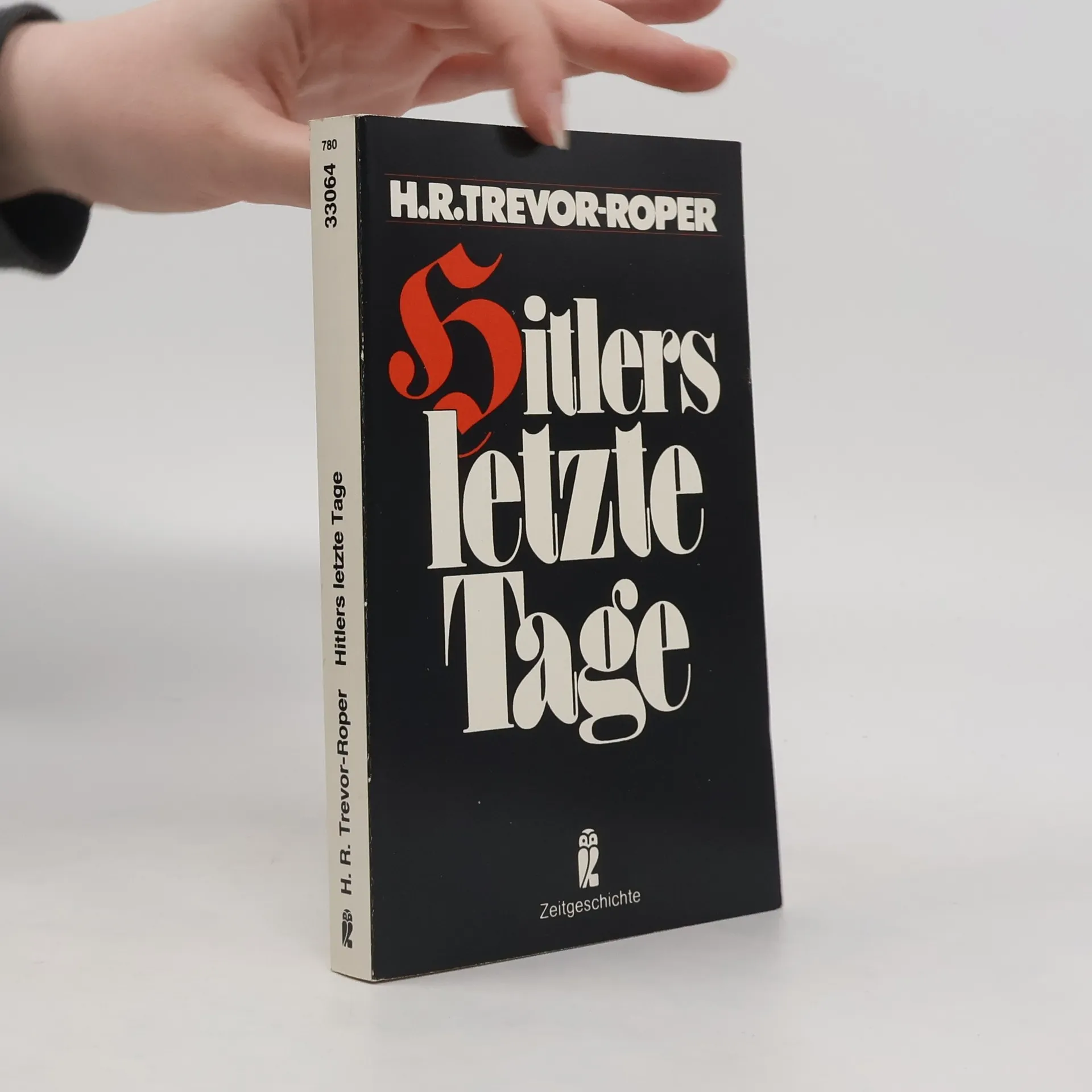
    Hitlers letzte Tage
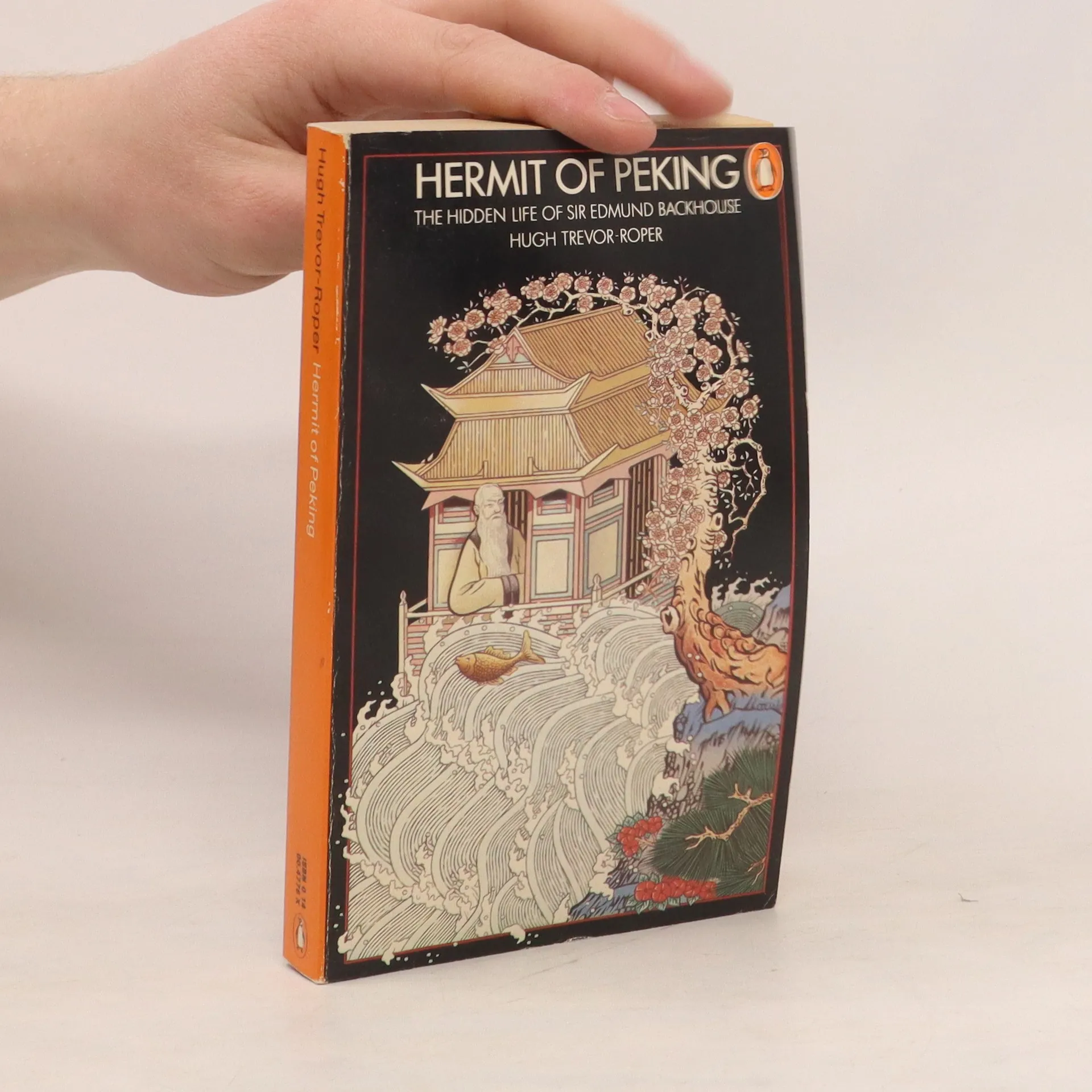
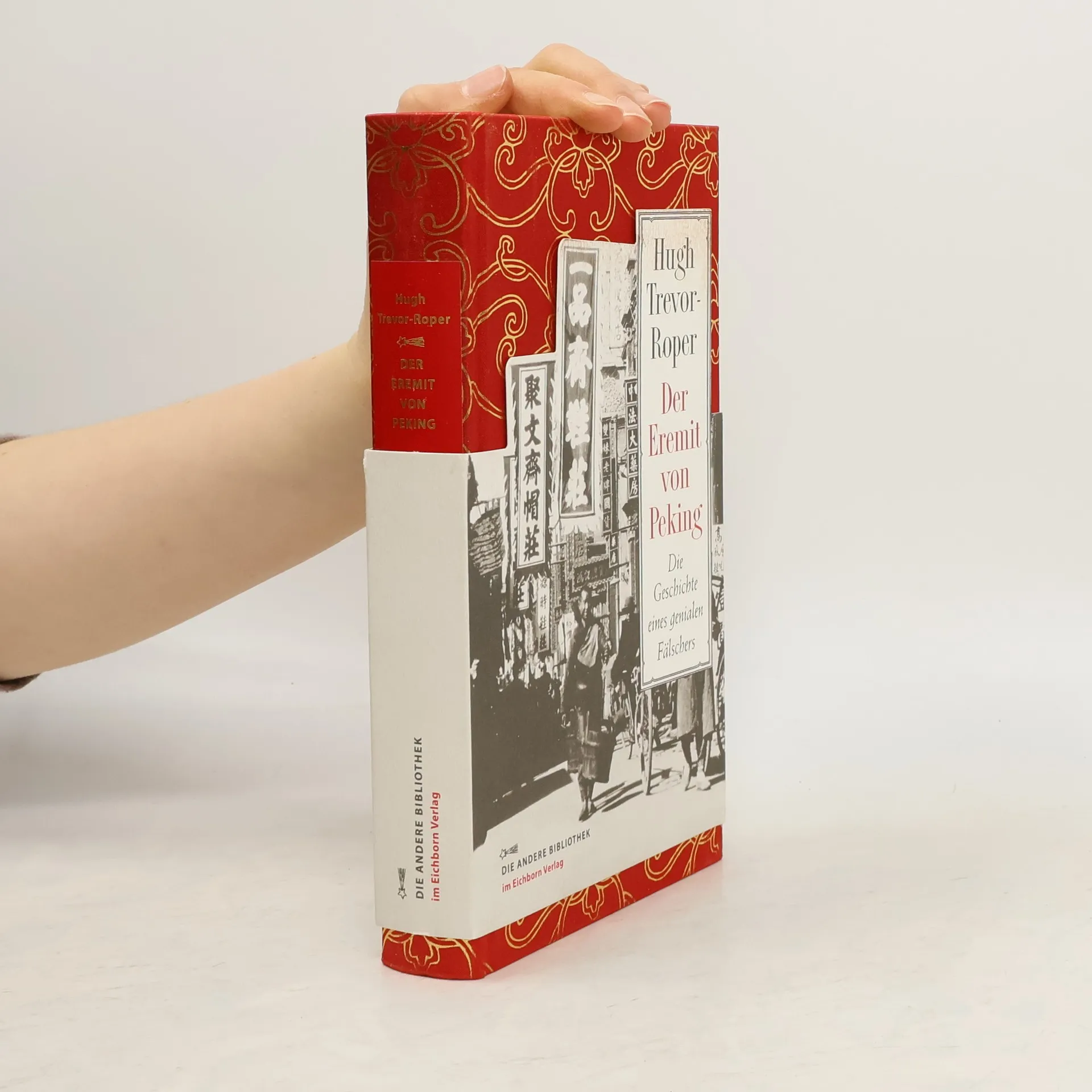
    Der Eremit von Peking
    • Der Eremit von Peking

      Die Geschichte eines genialen Fälschers

      5,0(1)Abgeben

      Jing Shan, ein Mandschu-Gelehrter aus vornehmer Familie und Verwandter der Kaiserinwitwe, wurde während des Boxeraufstands 1900 ermordet. Edmund Backhouse rettete Shans Schriftrollen, darunter ein geheimnisvolles Tagebuch, das die Ereignisse am Kaiserhof während des Aufstands detailliert beschreiben soll. Neun Jahre lang hielt Backhouse seinen Fund geheim, bis er Teile davon in China veröffentlichte. Das Buch wurde zum Klassiker und prägt bis heute unser Bild von China, basiert jedoch auf einer grandiosen Fälschung von Backhouse. Hugh Trevor-Ropers Untersuchung des Tagebuchs beleuchtet das Leben eines Gelehrten und Gentlemans, der ein Meister der Camouflage war. Trotz seines Ansehens als Wissenschaftler und Kenner Chinas, der wertvolle Handschriften und Dokumente an die Bodleian in Oxford spendete, erfand Backhouse absurde Geschichten. Er fälschte Dokumente und Empfehlungsschreiben, gab vor, Freundschaften mit berühmten Persönlichkeiten zu haben, und betrügte Unternehmen. Er hielt Minister und Kriegsherren, aber auch Familie und Freunde mit seinen Geschichten zum Narren. Ein amerikanischer Geschäftsmann bezeichnete ihn als den bemerkenswertesten Schurken in Fernost, während Backhouse selbst von einem „aufregenden Leben im Verborgenen“ sprach.
      Der Eremit von Peking
    • Hitler's Table Talk, 1941-1944

      • 784 Seiten
      • 28 Lesestunden
      3,9(19)Abgeben

      Secret conversations at Hitler's headquarters from July 1941 to November 1944 were all recorded for posterity. This book documents those conversations where Hitler talked freely of his aims, his early life, and his plans for world conquest.

      Hitler's Table Talk, 1941-1944
    • The China Journals

      • 296 Seiten
      • 11 Lesestunden
      3,0(4)Abgeben

      These private journals, now available for the first time, document Hugh Trevor-Roper's visit to the People's Republic of China in autumn 1965, just before the Cultural Revolution. His account details the frustrations he faced during the trip, narrated with the irony and flair of a skilled storyteller. Despite his long-standing interest in China's history and politics, Trevor-Roper's attempts to engage with the authentic life and thoughts of the country were thwarted by state propaganda and the oppressive oversight of Party guides. The visit was organized by the Society for Anglo-Chinese Understanding, which claimed to promote cultural exchange but was effectively controlled by a Communist faction that outmaneuvered its well-connected members. Upon returning to England, Trevor-Roper, with assistance from MI5, sought to uncover the society's true nature, leading to a significant public controversy that he vividly recounts. The narrative concludes with his reflections on a subsequent trip to Taiwan and Southeast Asia in 1967, showcasing his historical perspective and unwavering commitment to defending liberal values against ideological threats.

      The China Journals
    • Hermit of Peking

      The Hidden Life of Sir Edmund Backhouse

      • 391 Seiten
      • 14 Lesestunden
      3,8(155)Abgeben

      The distinguished Oxford professor of modern history presents evidence that Chinese scholar and author Sir Edmund Backhouse, long thought to have lived as a virtual hermit in Peking, was in reality a forger, trickster, and eccentric.

      Hermit of Peking
    • The Invention of Scotland

      Myth and History

      • 288 Seiten
      • 11 Lesestunden
      3,5(39)Abgeben

      This book argues that while Anglo-Saxon culture has given rise to virtually no myths at all, myth has played a central role in the historical development of Scottish identity. Hugh Trevor-Roper explores three myths across 400 years of Scottish history: the political myth of the “ancient constitution” of Scotland; the literary myth, including Walter Scott as well as Ossian and ancient poetry; and the sartorial myth of tartan and the kilt, invented—ironically, by Englishmen—in quite modern times. Trevor-Roper reveals myth as an often deliberate cultural construction used to enshrine a people’s identity. While his treatment of Scottish myth is highly critical, indeed debunking, he shows how the ritualization and domestication of Scotland’s myths as local color diverted the Scottish intelligentsia from the path that led German intellectuals to a dangerous myth of racial supremacy. This compelling manuscript was left unpublished on Trevor-Roper’s death in 2003 and is now made available for the first time. Written with characteristic elegance, lucidity, and wit, and containing defiant and challenging opinions, it will absorb and provoke Scottish readers while intriguing many others. “I believe that the whole history of Scotland has been coloured by myth; and that myth, in Scotland, is never driven out by reality, or by reason, but lingers on until another myth has been discovered, or elaborated, to replace it.”–Hugh Trevor-Roper

      The Invention of Scotland