

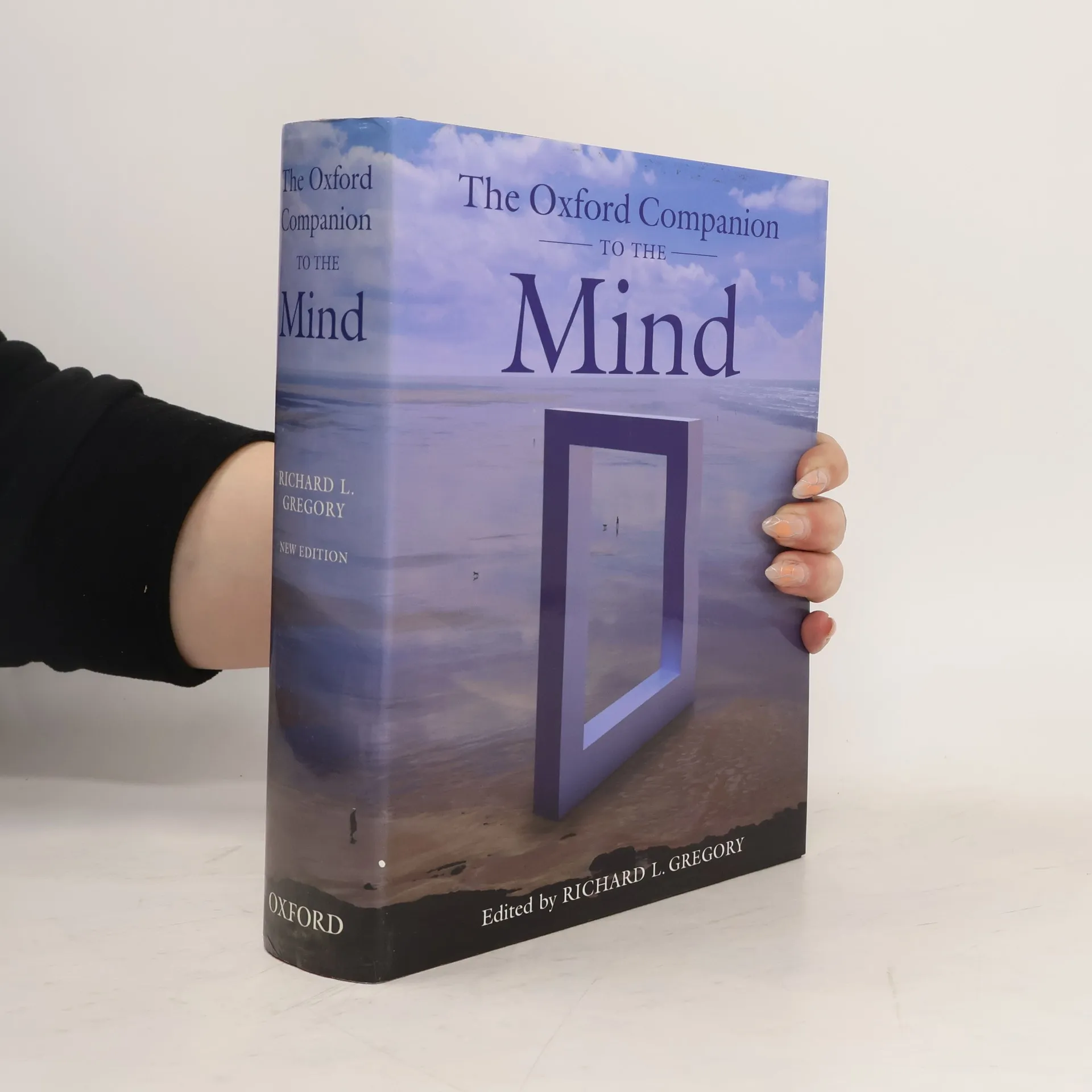
The Oxford Companion to the Mind is a classic. Published in 1987, to huge acclaim, it immediately took its place as the indispensable guide to the mysteries - and idiosyncracies - of the human mind. In no other book can the reader find discussions of concepts such as language, memory, and intelligence, side by side with witty definitions of common human experiences such as the 'cocktail-party' and 'halo' effects, and the least effort principle.Richard Gregory again brings his wit, wisdom, and expertise to bear on this most elusive of subjects. Research into the mind and brain has moved on in bounds in recent years, and interest in the subject has never been so high. There has been a shift in focus away from Freud's concept of the unconscious onto consciousness itself. The new edition of the Companion includes three 'mini symposia' - on consciousness, brain scanning, and artificial intelligence - with contributions from a number of specialists, and encompassing a range of approaches.Cultural as well as scientific in approach, this accessible book offers authoritative descriptions and analysis. With new entries on controversial topics such as artificial life, attachment theory, caffeine, cruetly, drama, extra-terrestrial intelligence, genetics of mental illness, imagination, lying, puzzles, and twins, this highly-anticipated second edition explores the most intriguing of subjects.
Richard Gregory Reihenfolge der Bücher (Chronologisch)
Richard Gregory war ein britischer Astronom und Wissenschaftskommunikator, der den wissenschaftlichen Diskurs durch seine umfangreichen Schriften und seine redaktionelle Führung prägte. Seine Arbeit erstreckte sich über zahlreiche wissenschaftliche Disziplinen, und seine Amtszeit als Herausgeber der angesehenen Zeitschrift Nature stärkte maßgeblich deren internationalen Ruf. Gregory widmete sich der Förderung der wissenschaftlichen Bildung und der globalen Zusammenarbeit und hinterließ einen bleibenden Eindruck in der wissenschaftlichen Gemeinschaft.
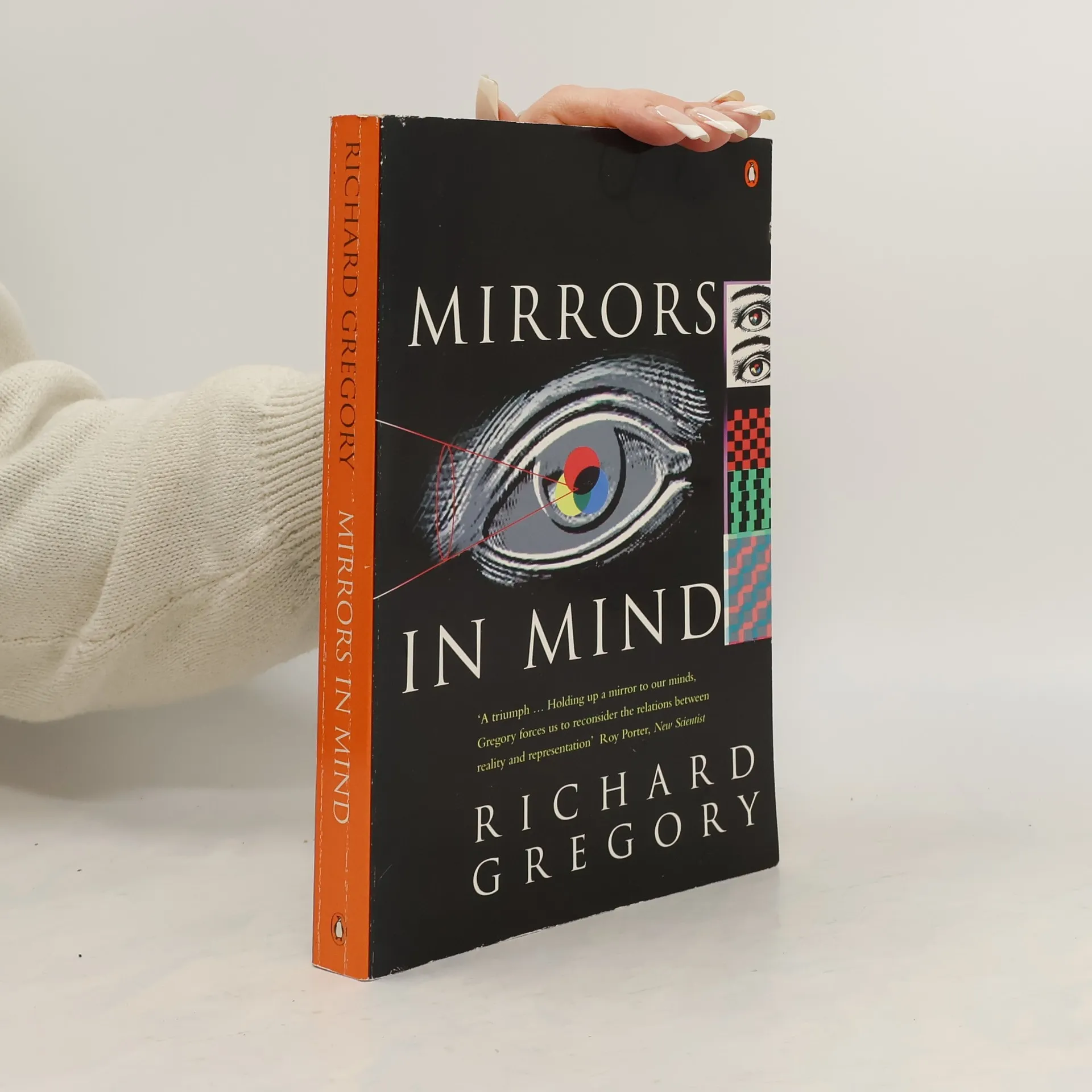
Mirrors in mind
- 320 Seiten
- 12 Lesestunden
Written by a leading researcher into perception, a central area in current work on the brain and mind, this book looks at mirrors as fascinating objects in themselves, for what they can show about vision, and as a metaphor for the perception and understanding of the "real" world.
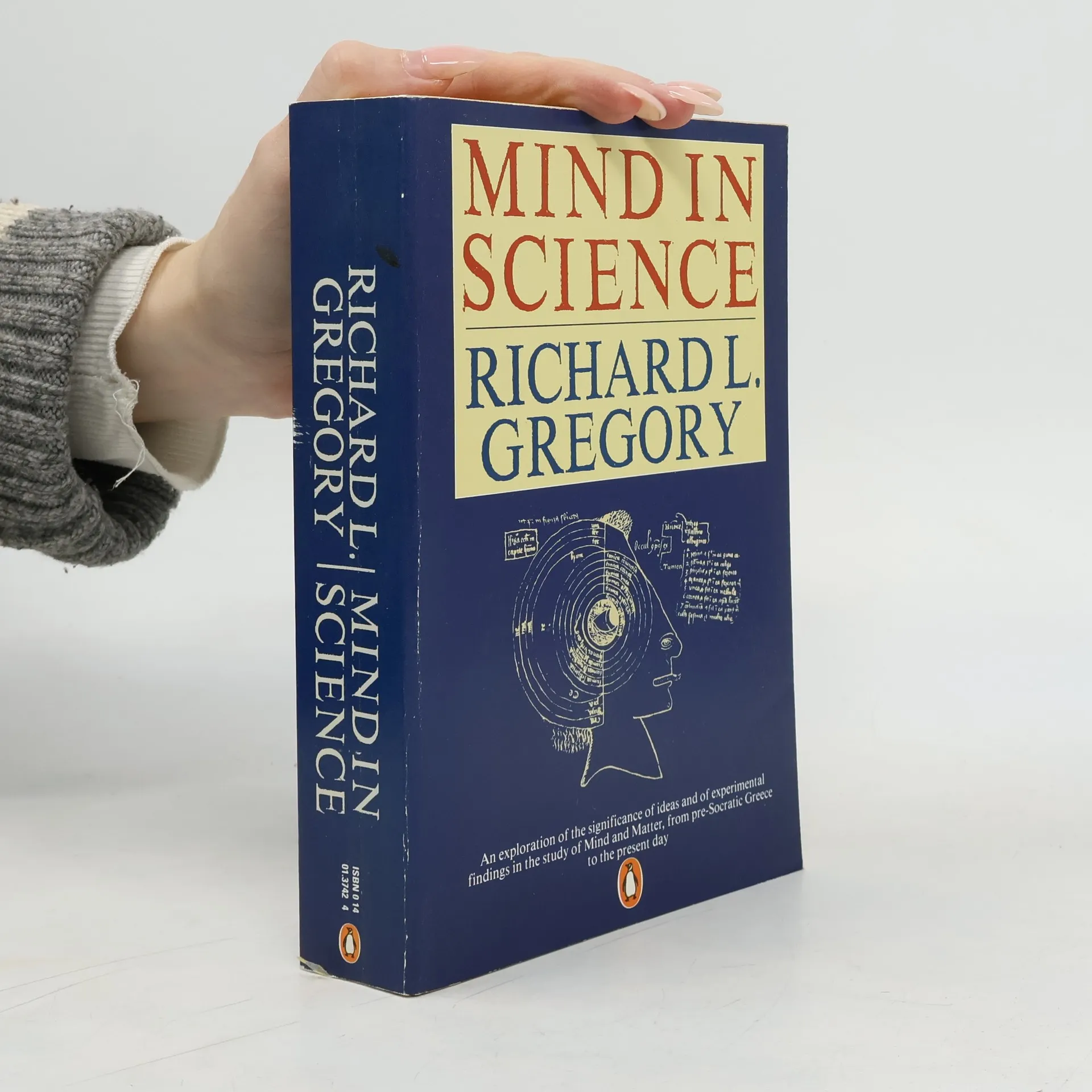
The history of thought is too often streamed into philosophy or science with a bit of psychology thrown in. This book is a jump from the academic mainstream and fascinates by a journey from the easliest recorded thinkers in the first known writing in Sumeria, through the gnomen (the Sumerian word for the finger on the sundial that measures time) to the knowledge and philosophy of Ancient Greece (they had cogwheels and gears) through classical times to the present. This is a history of science from a philosphical perspective, a reflection on the recorded mind of man. Richard Gregory is a philosopher, a scientist and a man who knows as much as anyone knows how the brain works. A tour de force, this book will change you by captivating and entertaining as well as profoundly altering your mind.
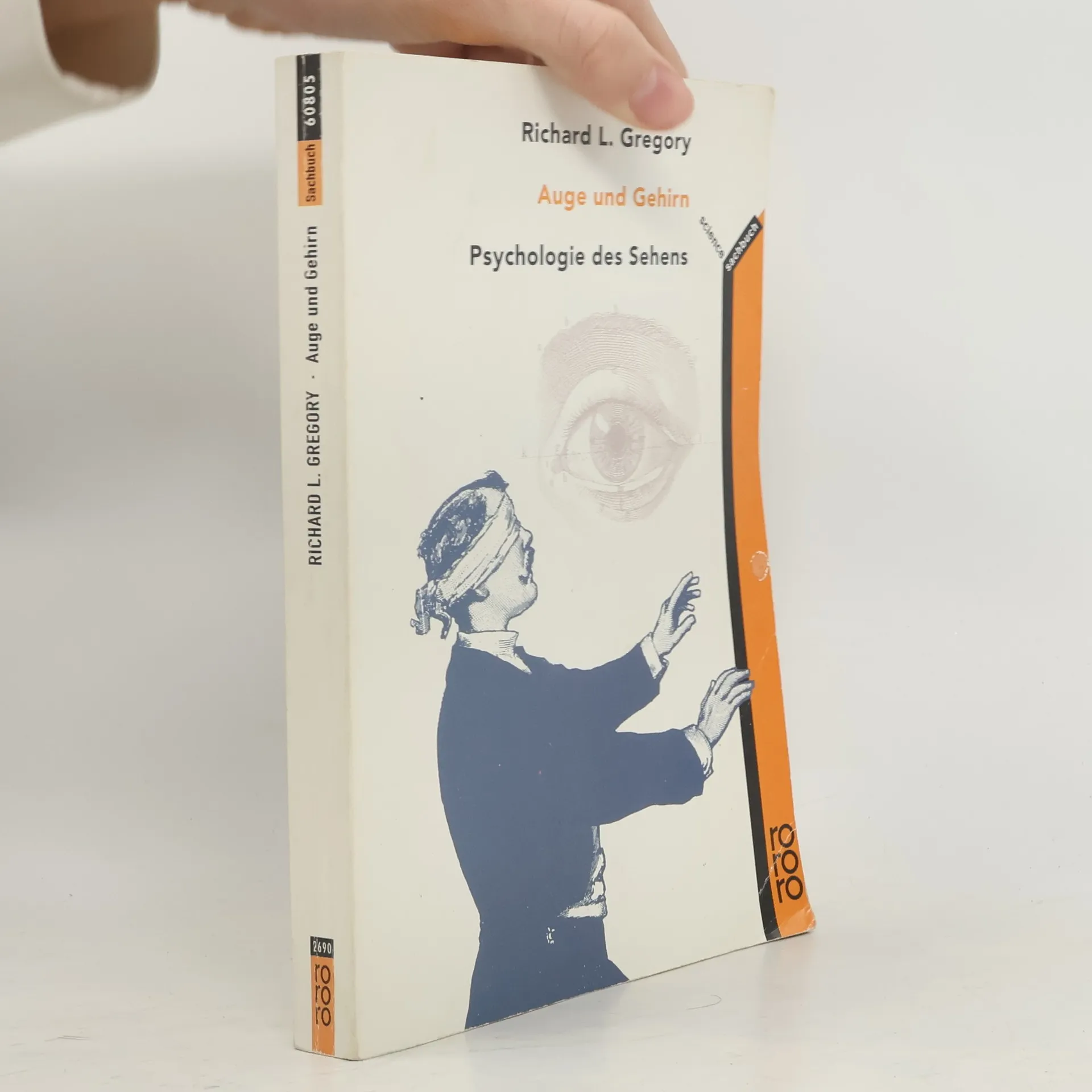
Auge und Gehirn
- 336 Seiten
- 12 Lesestunden
Monika Niehaus, Diplom in Biologie, Promotion in Neuro- und Sinnesphysiologie, freiberuflich als Autorin (SF, Krimi, Sachbücher), Journalistin und naturwissenschaftliche Übersetzerin (englisch/französisch) tätig. Mag Katzen, kocht und isst gern in geselliger Runde. Trägerin des Martin-Wieland-Übersetzerpreises 2021.